1. Introduction
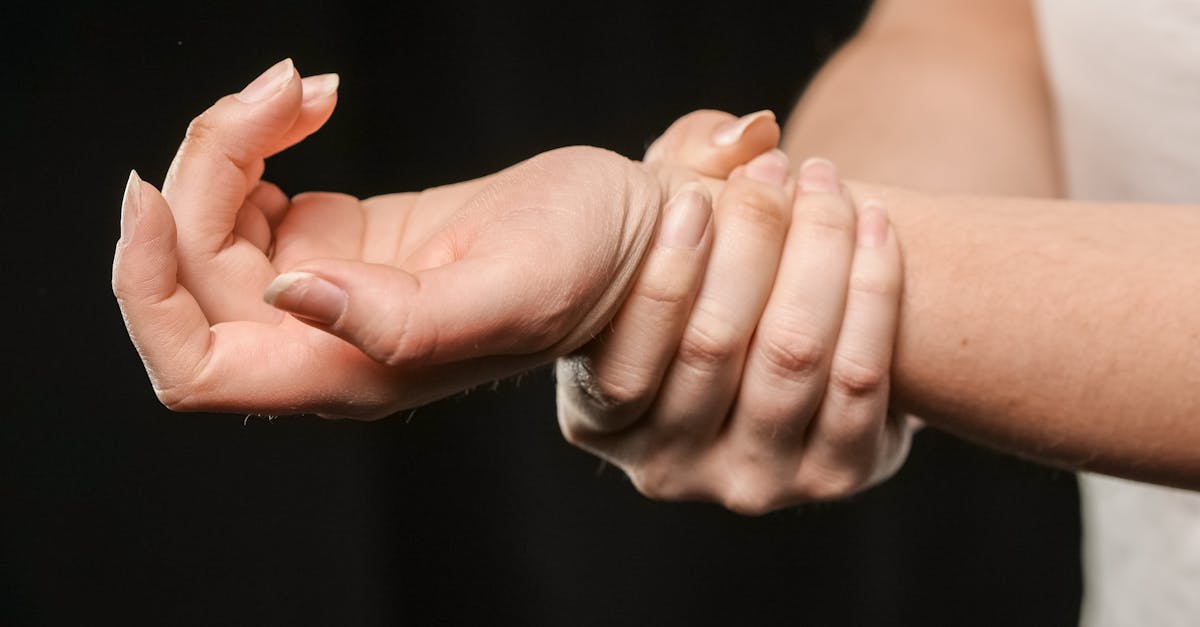
Relieving severe morning joint stiffness in the hands requires applying gentle, sustained thermal therapy to increase local blood flow and performing structured, progressive range-of-motion exercises to aggressively mobilize stagnant synovial fluid. Waking up with hands that feel rigid, swollen, and entirely immobile is a profound clinical symptom indicating significant inflammation or mechanical degradation within the intricate synovial joints of the fingers and wrists. The primary objective of morning intervention is to reduce the viscosity of the joint fluid and flush accumulated inflammatory cytokines from the capsular tissue before attempting forceful mechanical usage.
The human hand is an anatomical marvel, composed of twenty-seven delicate bones articulating through highly complex, tightly packed joints. Because these joints are superficial and lack a dense layer of insulating adipose tissue or massive musculature, they are exquisitely vulnerable to shifts in systemic inflammation and nocturnal fluid pooling. The defining feature of this stiffness is its distinct diurnal pattern; it is always most severe immediately upon waking after a long period of complete immobility.
Clinical management of chronic morning stiffness hinges on differentiating between mechanical wear-and-tear and systemic autoimmune destruction. By understanding the precise biological behavior of synovial fluid during sleep and implementing targeted thermal and physical therapies, patients can significantly accelerate the return of functional mobility and prevent the long-term structural deformities associated with untreated chronic joint inflammation.
2. Anatomy of the Hand and Synovial Joints
To comprehend the mechanics of stiffness, one must visualize the structure of a synovial joint. The knuckles, known as the metacarpophalangeal and interphalangeal joints, are classic synovial structures. The opposing bony surfaces are capped with a layer of smooth, slick articular cartilage, designed to allow frictionless gliding.
The entire joint is tightly enclosed within a fibrous capsule. The inner lining of this capsule is the synovial membrane. This highly vascularized membrane is the biological factory responsible for secreting synovial fluid. Synovial fluid is a viscous, slippery substance that resembles raw egg white; its sole purpose is to lubricate the cartilage and nourish the joint structures.
Surrounding the capsule are the intricate tendons of the flexor and extensor muscles, which pull the bones to create movement. When inflammation strikes, whether from autoimmune attack or mechanical breakdown, the synovial membrane rapidly thickens and produces an excess volume of poor-quality, inflammatory fluid, leading directly to the sensation of severe, unyielding pressure within the joint.
3. Pathophysiology of Morning Stiffness
The phenomenon of severe morning stiffness is biologically rooted in prolonged physical immobility. During the day, continuous movement of the hands acts as a mechanical pump, constantly circulating the synovial fluid and flushing out metabolic waste products and inflammatory mediators from the joint capsule.
During sleep, the hands remain largely motionless for six to eight hours. Without this vital mechanical pumping action, the fluid inside the joint stagnates. Any inflammatory cytokines, such as interleukins or tumor necrosis factor, accumulate heavily within the capsular space, aggressively irritating the sensitive nerve endings.
Furthermore, the stagnant synovial fluid undergoes a physical change. At rest and cooler nighttime temperatures, the fluid becomes highly viscous and thick, transforming from a slick lubricant into a thick, glue-like substance. This increased viscosity physically resists movement, binding the joint structures together and requiring significant physical effort to break the friction upon waking.
4. The Gel Phenomenon and Synovial Fluid Dynamics
Rheumatologists refer to this specific morning thickening of joint fluid as the gel phenomenon. Much like gelatin that sets when left undisturbed in the refrigerator and liquifies when heated and stirred, synovial fluid gels during nocturnal immobility.
When a patient first awakens, they must physically force their joints to move against this thickened gel. The initial movements are exceptionally stiff, difficult, and painful. As the patient persists in moving the fingers, the mechanical friction generates microscopic thermal energy within the joint.
This movement-induced heat, combined with the physical churning action, slowly reduces the viscosity of the synovial fluid, thinning it back out into a functional lubricant. This is precisely why morning stiffness universally improves with light activity and worsens with prolonged rest.
5. Osteoarthritis and Cartilage Degeneration
Differentiating the underlying cause of the stiffness is critical, as it dictates the clinical prognosis and treatment strategy. Osteoarthritis is the most prevalent form of joint disease, representing a primarily mechanical degradation of the articular cartilage over decades of use.
In osteoarthritis, the slick cartilage wears down, occasionally allowing bone to rub directly on bone. The body responds to this unstable friction by growing bony nodules, known as Heberden’s and Bouchard’s nodes, specifically on the joints closest to the fingertips and the middle knuckles.
Crucially, the morning stiffness associated with osteoarthritis is typically brief. Because the issue is mechanical rather than a massive systemic immune attack, the stiffness generally resolves rapidly, usually within fifteen to thirty minutes of waking and gently moving the hands.
6. Rheumatoid Arthritis and Autoimmune Inflammation
Conversely, if the morning stiffness is profound, paralyzing, and lasts continuously for more than a full hour—often dragging on until noon—it is a hallmark clinical indicator of an autoimmune inflammatory arthropathy, most commonly rheumatoid arthritis.
In rheumatoid arthritis, the body’s immune system erroneously identifies the healthy synovial membrane as a foreign invader and launches a relentless, aggressive attack against it. The membrane becomes massively inflamed, swollen, and fiery red, a condition known as synovitis.
This autoimmune attack produces a massive volume of highly inflammatory joint fluid. The stiffness is not merely gelled fluid; it is severe, boggy, cellular swelling that physically prevents the joint from bending. Rheumatoid arthritis typically affects the large knuckles at the base of the fingers and the wrists symmetrically, affecting both hands simultaneously.
7. Differentiating Inflammatory versus Mechanical Stiffness
Accurate clinical triage relies on tracking the specific duration and presentation of the morning stiffness. A patient suffering from osteoarthritis will typically wake up stiff, loosen up quickly after washing their hands or making coffee, but will experience worsening, sharp pain later in the evening after a long day of heavy physical use.
A patient suffering from an active flare of rheumatoid arthritis will wake up with hands that feel encased in cement. The stiffness lasts for hours and is accompanied by joints that feel distinctly warm to the touch and appear visibly red and swollen.
Furthermore, autoimmune stiffness is frequently accompanied by systemic symptoms, including profound fatigue, a low-grade fever, and a general feeling of malaise, whereas osteoarthritic stiffness is strictly localized to the affected mechanical joints.
8. Thermal Therapy for Joint Mobilization
The most effective immediate, non-pharmacological intervention for severe morning stiffness is the rapid application of thermal therapy. Heat is a powerful physical modality that aggressively reverses the gel phenomenon and induces deep tissue vasodilation.
Applying heat expands the constricted blood vessels surrounding the joints, driving a surge of fresh oxygenated blood to the area. This increased blood flow helps flush the accumulated inflammatory cytokines out of the stagnant joint capsule. Simultaneously, the thermal energy physically softens the rigid collagen fibers in the tendons and ligaments, making them vastly more pliable.
Patients can achieve profound relief by soaking their hands in a basin of comfortably hot water for ten to fifteen minutes immediately upon rising. The addition of Epsom salts (magnesium sulfate) to the water can provide further transdermal muscle relaxation, easing the secondary tension in the hand musculature.
9. Therapeutic Hand Exercises and Gliding Protocols
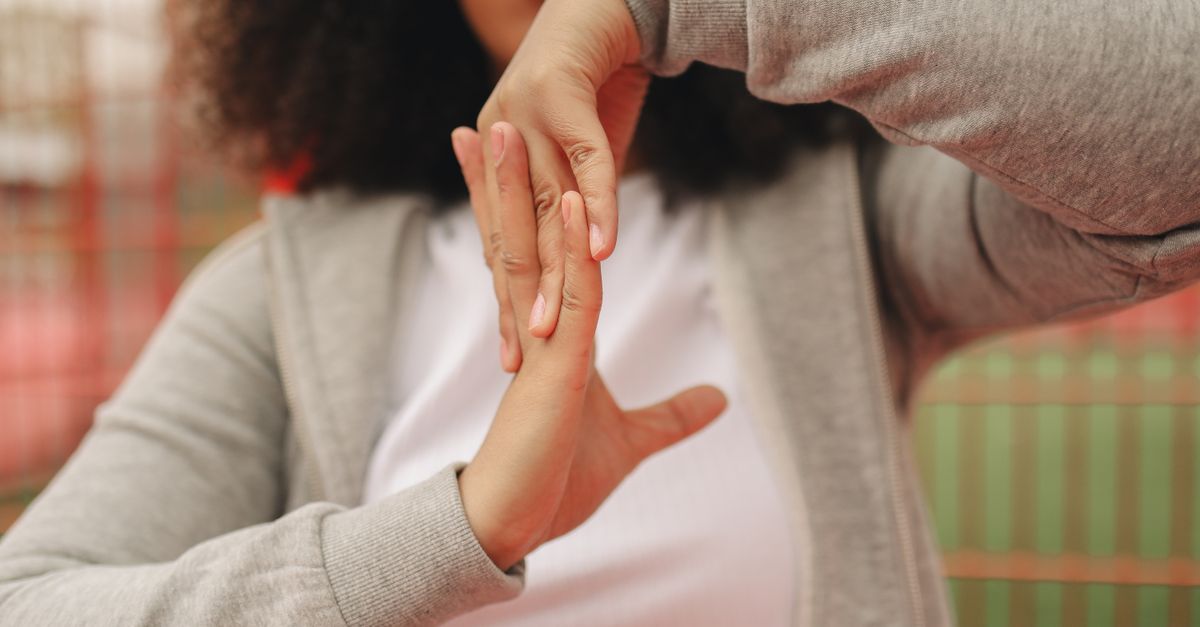
Once thermal therapy has warmed and softened the tissues, the patient must perform structured range-of-motion exercises to mechanically pump the stagnant synovial fluid out of the joint capsules. Passive, gentle movement is preferred over aggressive, weighted stretching.
The tendon gliding protocol is a highly effective clinical exercise. The patient begins with an open, flat hand. They slowly curl the tips of the fingers downward to touch the base of the fingers, keeping the main knuckles straight (forming a hook fist). They then roll the fingers completely into a tight, full fist, holding for three seconds before slowly opening wide.
Repeating this slow, deliberate sequence ten times systematically forces the flexor tendons to glide smoothly through their sheaths, mechanically breaking up nocturnal adhesions and evenly distributing the newly thinned synovial fluid across the damaged cartilage surfaces.
10. The Impact of Nocturnal Fluid Retention
The severity of morning hand stiffness is significantly influenced by systemic fluid dynamics during sleep. When an individual consumes a diet high in refined sodium, the body retains excess water systemically to maintain osmotic balance.
During the night, while lying flat, gravity cannot pull this excess fluid down into the legs. The fluid redistributes evenly, frequently pooling in the highly distensible tissues of the face and the hands. This nocturnal peripheral edema acts as an external tourniquet, physically swelling the fingers and severely restricting joint mobility upon waking.
Strictly auditing evening dietary habits, specifically avoiding heavy, salty meals or alcohol right before bed, drastically reduces the volume of systemic fluid retention, directly minimizing the physical swelling and stiffness experienced in the extremities the following morning.
11. Ergonomic Splinting and Joint Protection
For patients suffering from aggressive rheumatoid arthritis or severe osteoarthritis of the thumb base, nocturnal splinting is a vital preventive intervention. When joints are heavily inflamed, the surrounding ligaments become loose and unstable.
During sleep, patients often unconsciously curl their hands into tight, unnatural positions, placing severe mechanical strain on these vulnerable, unstable joints for hours on end, virtually guaranteeing agonizing stiffness upon waking.
Wearing custom-fitted, rigid resting splints overnight holds the wrists and fingers in a neutral, anatomically correct posture. This physical bracing prevents the joints from being strained, rests the inflamed tendons, and provides a highly protective environment that minimizes the mechanical triggers of morning inflammation.
12. Topical Anti-Inflammatory Agents
When specific joints are rigidly stiff and aching, localized pharmacological intervention can provide rapid relief without the systemic side effects of oral medications. Topical non-steroidal anti-inflammatory drugs, such as diclofenac gel, are highly effective for superficial joints like those in the hand.
The medication penetrates the thin skin of the knuckles and enters the synovial capsule directly. Once inside, it inhibits the cyclooxygenase enzymes, abruptly shutting down the localized production of pain-causing and inflammation-driving prostaglandins.
Applying a topical anti-inflammatory gel directly to the stiffest joints immediately upon waking, particularly after the application of heat has opened the pores and increased superficial blood flow, provides a rapid, targeted chemical suppression of the morning inflammatory spike.
13. Dietary Modulators of Systemic Inflammation
Because severe morning stiffness is intrinsically linked to inflammation, modifying the systemic inflammatory baseline through nutrition is a critical long-term management strategy. Diets heavily saturated with processed omega-6 fatty acids, refined sugars, and trans fats actively fuel the production of inflammatory cytokines.
Transitioning to an anti-inflammatory dietary pattern, heavily featuring omega-3 fatty acids found in wild-caught fish, walnuts, and flaxseeds, fundamentally alters the biological raw materials available to the immune system.
Omega-3 fatty acids compete directly with omega-6s, forcing the body to produce less aggressive, pro-resolving inflammatory mediators. Over several months of strict dietary adherence, patients frequently report a profound, systemic reduction in baseline joint swelling and a significant shortening of the morning stiffness duration.
14. Systemic Pharmacotherapy Considerations
While physical modalities are excellent for daily management, if the stiffness is definitively caused by an autoimmune disease like rheumatoid arthritis, systemic pharmacotherapy is absolutely mandated to prevent permanent bone destruction and joint deformity.
Over-the-counter anti-inflammatories are insufficient to halt autoimmune disease progression. A rheumatologist will prescribe disease-modifying antirheumatic drugs (DMARDs), such as methotrexate, or advanced biologic therapies that specifically target and neutralize the destructive immune proteins (like TNF-alpha) causing the synovitis.
By chemically suppressing the rogue immune attack, these powerful systemic medications effectively eliminate the massive overnight accumulation of inflammatory fluid, entirely resolving the paralyzing morning stiffness and preserving the structural integrity of the hands.
15. When to Seek Rheumatological Evaluation
Any individual experiencing newly onset, severe joint stiffness in the hands every morning must undergo a professional medical evaluation. Assuming the stiffness is merely a normal sign of aging is a dangerous clinical oversight.
A formal rheumatological assessment is strictly required if the morning stiffness lasts continuously for more than one hour, if the joints appear symmetrically swollen and red, or if the stiffness is accompanied by unexplained fatigue, a low-grade fever, or unintended weight loss.
Early diagnosis is the absolute most critical factor in managing autoimmune arthritis. The window of opportunity to initiate aggressive therapy and prevent irreversible, permanent joint damage and crippling deformities is exceptionally narrow, often within the first six months of symptom onset.
| Clinical Characteristic | Osteoarthritis (Mechanical) | Rheumatoid Arthritis (Autoimmune) |
|---|---|---|
| Duration of Stiffness | Brief, typically less than 30 minutes. | Profound, lasts longer than 1 hour, often all morning. |
| Joints Primarily Affected | End of the fingers, base of the thumb. | Large knuckles, wrists, affects both hands symmetrically. |
| Systemic Symptoms | None. Pain is strictly localized to the joint. | Severe fatigue, low-grade fever, general malaise. |
| Primary Intervention | Heat therapy, motion exercises, topical NSAIDs. | Urgent rheumatology referral, systemic biologic drugs. |
16. Frequently Asked Questions
1. Does cracking my knuckles cause arthritis and morning stiffness?
No. Extensive clinical studies have conclusively proven that cracking your knuckles does not cause osteoarthritis or damage the cartilage. The popping sound is simply nitrogen gas bubbles bursting within the synovial fluid when the joint is stretched. However, if cracking causes sharp pain, you must stop immediately.
2. Is it safe to force my fingers to bend when they are completely stiff?
You should never aggressively force or forcefully stretch a completely locked, stiff joint, as you risk tearing the cold, rigid tendons or damaging the fragile cartilage. You must always use warm water first to soften the tissue and then use very slow, gentle, self-guided motion.
3. Why do my hands swell up specifically when I sleep?
When you lie flat, gravity no longer pulls the excess fluid down into your legs. If you have consumed too much sodium, the retained fluid redistributes evenly across your body, pooling heavily in the loose tissues of your hands and face, causing significant physical swelling that restricts your joints.
4. Can wearing compression gloves overnight prevent morning stiffness?
Yes, specialized therapeutic compression gloves can be highly beneficial. They apply gentle, continuous pressure that prevents excess inflammatory fluid from pooling in the finger joints overnight, and they lightly insulate the hands, keeping the joints warm and the synovial fluid thinner.
5. Are supplements like glucosamine and chondroitin effective for hand stiffness?
The clinical evidence for glucosamine and chondroitin is highly mixed. While they are safe, they are only potentially beneficial for osteoarthritis, as they provide the building blocks for cartilage repair. They possess absolutely zero clinical efficacy for the severe, autoimmune inflammation of rheumatoid arthritis.
17. Bibliography
Disclaimer: The content is for informational purposes only and does not replace medical advice. Always consult your doctor for personalized treatment.