
1. Introduction
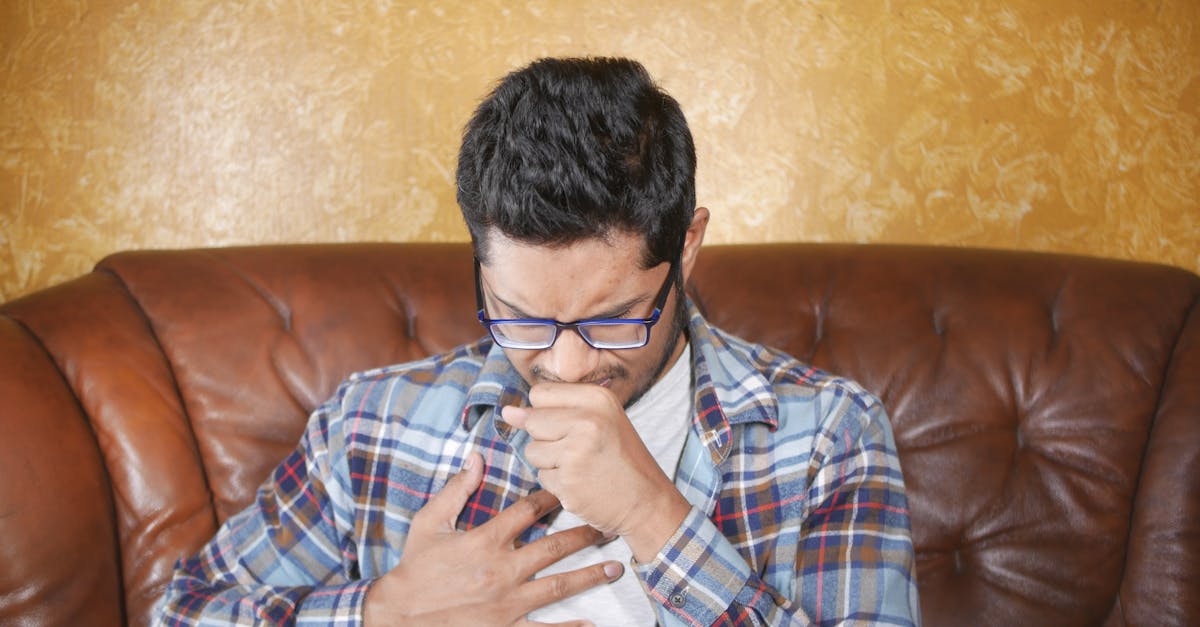
Sudden shortness of breath while resting is a medical emergency known clinically as acute resting dyspnea, frequently indicating a severe disruption in the pulmonary or cardiovascular systems. The most critical causes include a pulmonary embolism, where a blood clot blocks an artery in the lungs, an acute myocardial infarction compromising the heart’s pumping ability, or a sudden respiratory event such as a severe asthma exacerbation or a collapsed lung. Because the body is completely at rest and requires minimal oxygen, a sudden inability to breathe comfortably signifies that the fundamental mechanics of gas exchange or blood circulation have abruptly failed.
The human respiratory drive is controlled by specialized centers in the brainstem that continuously monitor the levels of oxygen and carbon dioxide in the blood. Under normal resting conditions, breathing is an effortless, subconscious process. When a structural or vascular anomaly suddenly obstructs airflow into the lungs, or prevents blood from reaching the alveoli to pick up oxygen, blood oxygen levels plummet rapidly. The brainstem detects this critical hypoxia and triggers a panic response, forcing the respiratory muscles to work frantically, creating the terrifying sensation of air hunger and impending suffocation.
2. The Physiology of Respiration
To understand why resting dyspnea occurs, one must understand the delicate balance of the cardiopulmonary system. The lungs are responsible for ventilation, which is the mechanical process of moving air in and out, and respiration, which is the chemical exchange of oxygen and carbon dioxide at the cellular level.
Air travels down the trachea into the bronchial tubes, which branch into tiny microscopic sacs called alveoli. The alveoli are wrapped in a dense network of pulmonary capillaries. For effective oxygenation, the lungs must fill with air, and the heart must pump deoxygenated blood through these capillaries simultaneously.
This synchronization is called the ventilation-perfusion match. If an airway is blocked (poor ventilation) or if a blood vessel is blocked (poor perfusion), the match is destroyed. The blood leaves the lungs without sufficient oxygen, triggering the sudden, severe sensation of breathlessness.
3. Pulmonary Embolism
A pulmonary embolism is a leading and life-threatening cause of sudden resting dyspnea. It occurs when a blood clot, typically originating in the deep veins of the legs as a deep vein thrombosis, breaks loose and travels through the venous system to the right side of the heart.
The heart pumps the clot directly into the pulmonary artery, where it becomes wedged in the narrowing blood vessels of the lung. This creates a massive ventilation-perfusion mismatch. The lung tissue is fully inflated with oxygen-rich air, but the blood cannot reach the alveoli to absorb it.
The onset of dyspnea is instantaneous and often accompanied by a sharp, stabbing chest pain that worsens with deep inhalation. Patients may also experience a sudden rapid heart rate, a dry cough sometimes producing blood-tinged sputum, and severe lightheadedness due to the abrupt drop in blood pressure.
4. Acute Myocardial Infarction
Sudden shortness of breath at rest can be the primary or sometimes the only symptom of an acute myocardial infarction, commonly known as a heart attack. When a coronary artery becomes completely blocked by a ruptured cholesterol plaque, the heart muscle is starved of oxygen.
As the heart muscle becomes ischemic and damaged, its ability to pump blood forward efficiently is severely compromised. Blood begins to back up into the pulmonary veins, which drain the lungs. This backup increases the hydrostatic pressure within the pulmonary capillaries.
The elevated pressure forces fluid out of the blood vessels and into the delicate alveolar air sacs, a condition known as pulmonary edema. The fluid prevents oxygen from entering the bloodstream, causing sudden, severe dyspnea, often accompanied by crushing chest pressure, cold sweats, and pain radiating to the left arm or jaw.
5. Congestive Heart Failure Exacerbation
Patients with a history of heart disease are susceptible to acute exacerbations of congestive heart failure. Similar to a heart attack, the fundamental issue is a failure of the heart’s pumping mechanics, leading to rapid pulmonary fluid accumulation.
This sudden shortness of breath often strikes when the patient is lying completely flat in bed, a specific symptom called orthopnea, or wakes the patient suddenly from sleep gasping for air, known as paroxysmal nocturnal dyspnea.
When lying flat, the gravitational pooling of blood in the legs shifts back into the central circulation. A weakened heart cannot handle this sudden increase in fluid volume, and the fluid rapidly floods the lungs. Sitting upright immediately enlists gravity to pull the fluid downward, partially relieving the suffocating sensation.
6. Acute Asthma and Bronchospasm
While asthma is often associated with physical exertion or exercise, a severe asthma attack can strike abruptly while the patient is completely at rest. This is typically triggered by sudden exposure to a potent allergen, cold air, or a viral respiratory infection.
Asthma involves the sudden, violent constriction of the smooth muscles surrounding the bronchial tubes, known as a bronchospasm. Simultaneously, the airway lining becomes severely inflamed and hyper-secretes thick, sticky mucus.
These factors drastically narrow the diameter of the airways. The patient can inhale, but the constricted airways trap the air inside the lungs, making exhalation incredibly difficult and prolonged. The resulting hyperinflation of the lungs causes severe chest tightness, high-pitched wheezing, and profound resting dyspnea, a mechanism explored fully in reviews of occupational asthma triggers.
7. Spontaneous Pneumothorax
A spontaneous pneumothorax, or collapsed lung, occurs when a small, weakened blister of lung tissue, known as a bleb, suddenly ruptures. This allows air to escape from the inside of the lung directly into the pleural cavity, the sealed space between the lung and the chest wall.
As air accumulates in the pleural cavity, it destroys the negative pressure vacuum that normally keeps the lung expanded against the rib cage. The affected lung instantly collapses inward upon itself.
This structural failure drastically reduces the total surface area available for oxygen exchange. The onset of dyspnea is sudden and is almost always accompanied by a sharp, tearing pleuritic chest pain localized to the side of the collapsed lung. This condition frequently occurs in tall, thin individuals without any prior lung disease.
8. Panic Attacks and Psychogenic Dyspnea
It is critical to acknowledge the powerful physiological effects of acute psychological distress. A severe panic attack can trigger sudden, overwhelming shortness of breath that is clinically indistinguishable from a physical respiratory crisis to the patient.
During a panic attack, the sympathetic nervous system initiates a massive fight-or-flight response. The body releases a flood of adrenaline, causing the heart rate to spike and the breathing rate to accelerate rapidly, a state known as hyperventilation.
Hyperventilation causes the patient to blow off excessive amounts of carbon dioxide. This sudden drop in carbon dioxide alters the pH of the blood, leading to dizziness, a feeling of unreality, and severe tingling in the hands and around the mouth. The intense fear of suffocation drives the patient to breathe even faster, exacerbating the chemical imbalance and the sensation of dyspnea.
9. Differentiating Respiratory from Cardiac Causes
Emergency physicians rely on specific clinical signs to rapidly differentiate between pulmonary and cardiac origins of sudden breathlessness.
| Clinical Presentation | Probable Origin |
|---|---|
| Audible wheezing, prolonged exhalation, history of allergies | Pulmonary (Asthma/Bronchospasm) |
| Pink, frothy sputum, inability to lie flat, swollen ankles | Cardiac (Heart Failure/Pulmonary Edema) |
| Sudden sharp, localized pain, unilateral absent breath sounds | Pulmonary (Pneumothorax) |
| Accompanied by crushing central chest pressure and sweating | Cardiac (Myocardial Infarction) |
Identifying these distinct patterns guides the immediate administration of life-saving therapeutics in the emergency setting.
10. The Role of Hypoxia and Cyanosis
The primary danger of sudden resting dyspnea is the rapid development of systemic hypoxia, a state where the body’s tissues are starved of oxygen. When blood oxygen saturation drops below critical levels, cellular metabolism begins to fail.
One of the most ominous physical signs of severe hypoxia is cyanosis. This presents as a distinct bluish or purplish discoloration of the lips, the nail beds, and the mucous membranes. Cyanosis indicates that a large volume of the hemoglobin in the blood is completely devoid of oxygen molecules.
If hypoxia is not rapidly reversed, the brain becomes starved of oxygen, leading to profound confusion, severe agitation, a decreased level of consciousness, and ultimately, respiratory and cardiac arrest.
11. Anaphylaxis and Upper Airway Obstruction
Sudden resting shortness of breath can also originate above the lungs, in the upper airway. Anaphylaxis is a severe, life-threatening allergic reaction triggered by foods, medications, or insect stings.
During anaphylaxis, the immune system releases a massive surge of histamine and other inflammatory mediators. This causes rapid, profound swelling of the soft tissues in the throat, specifically the larynx and the vocal cords, a condition known as laryngeal edema.
As the airway swells shut, airflow into the trachea is physically obstructed. The patient experiences sudden, severe difficulty breathing, often accompanied by stridor, which is a high-pitched, harsh crowning sound heard during inspiration. This requires the immediate administration of intramuscular epinephrine to halt the allergic cascade and reopen the airway.
12. Diagnostic Protocols in the Emergency Department
When a patient presents with acute resting dyspnea, emergency medical protocols are initiated instantly. An electrocardiogram (ECG) is performed within minutes to rule out a myocardial infarction or life-threatening cardiac arrhythmias.
Pulse oximetry measures the oxygen saturation of the blood, while an arterial blood gas test provides precise measurements of oxygen, carbon dioxide, and blood pH levels. A rapid bedside chest X-ray is utilized to identify a collapsed lung, pneumonia, or pulmonary edema.
If a pulmonary embolism is suspected based on the patient’s risk factors and symptoms, a specialized blood test called a D-dimer is drawn. If elevated, it is followed by a CT pulmonary angiogram, which uses intravenous contrast dye to visualize the blood clots blocking the pulmonary arteries.
13. Immediate Emergency Responses
Because sudden resting dyspnea can rapidly progress to fatal respiratory failure, immediate emergency action is required. Anyone experiencing unexplained, sudden breathlessness at rest must seek emergency medical services by calling an ambulance immediately.
While awaiting emergency responders, the patient should be placed in the most comfortable position possible, which is usually sitting straight up or leaning slightly forward, as this maximizes lung expansion and enlists gravity to reduce pulmonary congestion.
Do not attempt to have the patient lie down, as this worsens fluid backup in the lungs. Calm reassurance is vital to prevent panic-induced hyperventilation from exacerbating the oxygen demand of the heart and respiratory muscles until professional oxygen therapy and medical stabilization arrive.
14. Frequently Asked Questions (FAQ)
1. Can acid reflux cause sudden shortness of breath while resting?
Yes, particularly if lying down. Severe gastroesophageal reflux disease can cause stomach acid to aspirate, or spill, into the trachea. The vocal cords and airways instantly spasm to protect the lungs from the acid, causing a sudden choking sensation and acute shortness of breath.
2. Why do I feel suddenly short of breath right as I am falling asleep?
This is a classic presentation of central sleep apnea. Unlike obstructive apnea where the throat closes, central sleep apnea occurs because the brainstem temporarily fails to send the signal to the respiratory muscles to inhale. The drop in oxygen jolts you awake, gasping for a breath.
3. Is it possible to have a pulmonary embolism without any chest pain?
Yes. While sharp chest pain is common, a significant percentage of patients with a pulmonary embolism experience only sudden, unexplained shortness of breath and a rapid heart rate, entirely without chest pain. This makes the condition difficult to diagnose without specific medical imaging.
4. Can a sudden change in weather cause resting shortness of breath?
For individuals with hyper-reactive airways, such as those with asthma or chronic obstructive pulmonary disease, a sudden drop in temperature, high humidity, or a spike in barometric pressure can instantly trigger bronchial spasms and inflammation, leading to sudden breathlessness even indoors at rest.
15. Bibliography
Disclaimer: The content is for informational purposes only and does not replace medical advice. Always consult your doctor for personalized treatment.
