
1. Introduction
Generalized severe chronic periodontitis is an advanced, progressive inflammatory disease that results in the profound destruction of the tissues and bone supporting the teeth. Unlike early forms of gum disease, this severe stage is characterized by significant, irreversible clinical attachment loss affecting a majority of the dentition. Driven by a relentless accumulation of bacterial plaque and a dysregulated immune response, the condition eventually compromises the structural integrity of the jawbone, leading to tooth mobility and the imminent threat of multiple tooth losses. Managing this complex oral infection requires urgent, extensive clinical intervention, including deep mechanical debridement, targeted surgical therapies, and a rigorous, lifelong commitment to supportive periodontal care to preserve the remaining natural teeth.
2. Anatomy of the Periodontium
To comprehend the extensive damage caused by this disease, it is necessary to understand the periodontium, the specialized biological apparatus that anchors the teeth. This system comprises four distinct tissues: the gingiva, the root cementum, the periodontal ligament, and the alveolar bone.
In a healthy state, the alveolar bone reaches near the crown of the tooth, providing a robust structural foundation. The periodontal ligament consists of millions of microscopic collagen fibers that suspend the tooth root within the bony socket, absorbing the mechanical forces of chewing. The gingiva forms a tight, protective biological seal around the neck of the tooth. In severe chronic periodontitis, this entire foundational system undergoes extensive degradation, essentially dissolving the support structure away from the teeth.
3. Pathogenesis of Plaque Accumulation
The primary etiological factor driving chronic periodontitis is the persistent accumulation of dental plaque, a resilient, colorless biofilm that forms continuously on tooth surfaces. When daily oral hygiene practices are inadequate, specific pathogenic bacteria within this biofilm multiply along and beneath the gingival margin.
As this biofilm matures over months and years, it undergoes a biological shift, favoring destructive anaerobic bacteria that thrive in the oxygen-depleted environment deep under the gums. If the soft plaque is not disrupted, minerals from the saliva precipitate into the bacterial mass, hardening it into a calcified substance known as calculus or tartar. This porous calculus bonds firmly to the tooth roots, providing a rough scaffold for even more aggressive bacteria to accumulate and shielding them from standard brushing and flossing efforts.
4. Mechanisms of Severe Bone Destruction
The profound bone destruction seen in this condition is not directly caused by bacteria consuming the tissue, but rather by the host’s own prolonged immune response. As bacterial endotoxins penetrate the gingival tissues, the immune system detects a chronic, localized infection and mounts a relentless inflammatory attack.
The body floods the periodontal tissues with immune cells, inflammatory cytokines, and specific destructive enzymes known as matrix metalloproteinases. While this response attempts to eradicate the bacterial invaders, the chronic inflammatory cocktail inadvertently dissolves the collagen fibers of the periodontal ligament. Simultaneously, the inflammation significantly activates osteoclasts, which are the specialized cells responsible for resorbing bone. The osteoclasts actively break down the alveolar bone, creating deep, infected voids known as periodontal pockets.
5. Defining the Severe Stage
Accurate clinical staging dictates the intensity of the necessary treatment. Generalized severe chronic periodontitis is defined by precise, quantifiable measurements of tissue destruction. The term generalized indicates that the disease affects more than thirty percent of the teeth in the mouth.
The severe designation is assigned when clinical attachment loss is equal to or greater than five millimeters. Clinical attachment loss measures the exact distance the biological attachment has migrated down the root from its original, healthy position. In this advanced stage, dental professionals frequently discover probing depths of seven, eight, or even ten millimeters. The remaining bone support is critically reduced, often leading to secondary complications such as shifting teeth and impaired chewing function.
6. Systemic and Environmental Risk Factors
While bacterial plaque initiates the disease, the severity and speed of the chronic bone destruction are profoundly influenced by modifiable risk factors. Cigarette smoking is the most detrimental environmental factor. The toxins in tobacco restrict blood flow to the gums, often masking the early warning sign of bleeding, while significantly impairing the immune system’s ability to fight off pathogenic bacteria.
Systemic diseases, particularly uncontrolled diabetes mellitus, create a dangerous bidirectional relationship with severe periodontitis. Elevated blood sugar levels impair wound healing and amplify the inflammatory response in the gums. Conversely, the chronic inflammation emanating from the deep periodontal pockets enters the systemic bloodstream, notably increasing insulin resistance and rendering the diabetes much more difficult to manage.
7. Clinical Symptoms and Presentation
Because chronic periodontitis progresses slowly over many years, patients may ignore mild symptoms until the disease reaches this severe stage. Pain is often absent until a localized periodontal abscess forms within a deep pocket, causing sudden, acute discomfort.
Patients typically report persistent gingival bleeding when brushing or eating. The gums often appear dusky red, swollen, and severely receded, exposing the yellowish root surfaces and making the teeth appear abnormally long. A hallmark symptom of the severe stage is tooth mobility; patients may notice their teeth feel loose or have shifted, creating new gaps. Persistent halitosis, originating from the metabolic waste of the deep pocket bacteria, is also a universal clinical sign. For insights on managing acute oral discomfort, patients may review our tooth pain guidelines.
8. Diagnostic Periodontal Charting
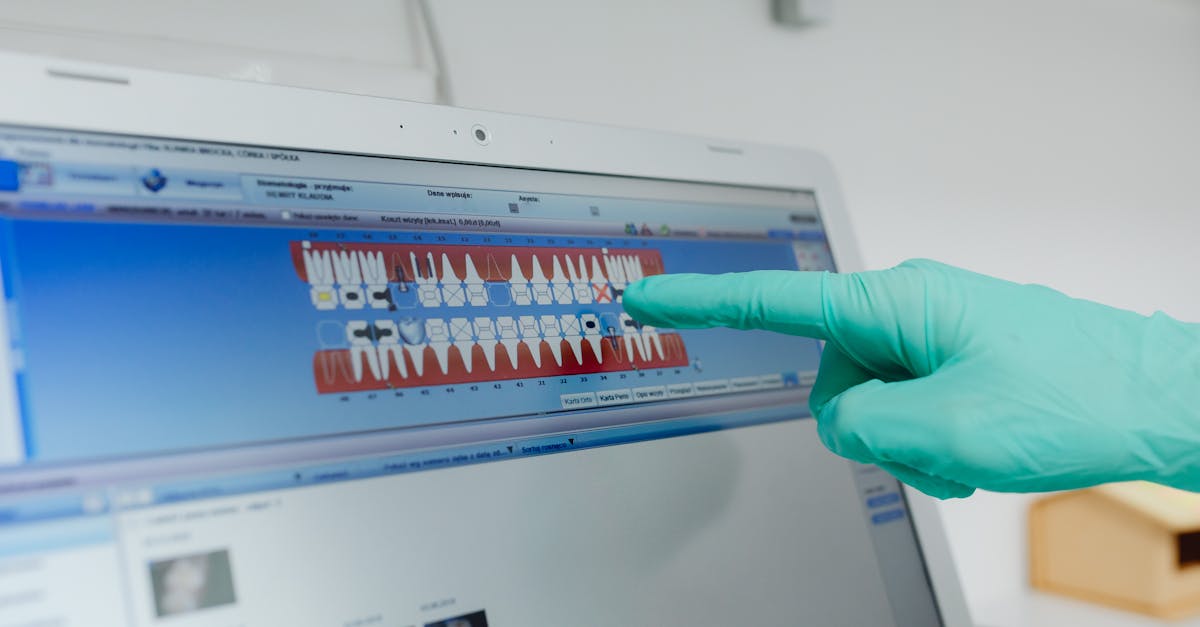
A definitive diagnosis is established through a meticulous periodontal evaluation. The cornerstone of this examination is comprehensive periodontal charting. A dental clinician utilizes a thin, calibrated instrument called a periodontal probe to carefully measure the depth of the sulcus at six specific points around every tooth.
These precise measurements map the topography of the bone loss. Pockets extending beyond five millimeters that bleed upon probing confirm active, severe disease. The clinician also assesses tooth mobility on a standardized scale and checks the areas where the roots divide on molars, known as furcations, to determine if the bone loss has advanced between the roots, which significantly complicates the prognosis of the affected teeth.
9. Radiographic Analysis of Bone Loss
Dental radiographs are an indispensable tool for confirming the diagnosis and mapping the extent of the structural damage. A full-mouth series of X-rays or a panoramic radiograph provides a clear visual representation of the alveolar bone crest relative to the tooth roots.
In generalized severe chronic periodontitis, the radiographs reveal extensive bone destruction, often extending beyond the middle third of the root length. The clinician will look for specific patterns of bone loss, including generalized horizontal reduction and deep, angular vertical bone defects. These images are essential for surgical treatment planning and determining which teeth have lost too much support and may require extraction.
10. Initial Non-Surgical Debridement
The first phase of clinical treatment involves intensive non-surgical mechanical debridement, commonly referred to as scaling and root planing. This foundational procedure is performed under local anesthesia to ensure total patient comfort.
Using a combination of ultrasonic scalers and precise manual curettes, the clinician reaches deep into the advanced periodontal pockets. The objective is to meticulously scrape away all calcified tartar, bacterial biofilms, and contaminated cementum from the root surfaces. By leaving a biologically smooth and clean root surface, the massive inflammatory burden is reduced, providing the gingival tissues an opportunity to heal and shrink, which prepares the mouth for subsequent surgical evaluation.
11. Periodontal Flap Surgery
In the severe stage of chronic periodontitis, non-surgical therapy alone is rarely sufficient to resolve the deepest pockets. A follow-up evaluation is performed several weeks after the initial scaling. If deep, bleeding pockets persist, advanced periodontal surgery is absolutely necessary to arrest the disease.
A periodontist performs flap surgery by making precise incisions and carefully folding back the gum tissue. This procedure fully exposes the diseased roots and the deep, irregular bone craters. Direct visual access allows the surgeon to perfectly debride the areas that instruments could not reach blindly during the initial cleaning. The bone architecture is often smoothed and reshaped to eliminate deep hiding places for future bacteria before the gums are sutured back into place.
12. Regenerative Surgical Techniques
Because severe periodontitis frequently causes deep, vertical bone defects, patients may be candidates for advanced regenerative surgical procedures. While standard flap surgery stops the disease progression, regenerative techniques aim to rebuild a portion of the foundation that was lost.
During the surgery, after the roots are completely sterilized, the surgeon may pack the deep bony craters with a particulate bone graft material. A specialized resorbable barrier membrane is often placed over the graft, or enamel matrix proteins are applied to the root surface. These biological materials stimulate the patient’s own stem cells to migrate into the defect, generating new alveolar bone and encouraging the periodontal ligament to reattach to the tooth.
13. Systemic Health and Inflammatory Burden
The implications of severe chronic periodontitis extend far beyond the oral cavity. The vast surface area of the deep, ulcerated pockets acts as an open gateway, allowing virulent bacteria and potent inflammatory cytokines to continuously enter the systemic bloodstream.
This chronic inflammatory burden is clinically proven to exacerbate systemic health conditions. It significantly increases the risk of endothelial dysfunction, which is a precursor to cardiovascular events such as heart attacks and strokes. It also complicates glycemic control in diabetic patients and has been linked to adverse pregnancy outcomes. Aggressively treating this oral infection is therefore an essential medical intervention to reduce overall systemic stress and protect general health.
14. Extractions and Prosthetic Rehabilitation
In cases of generalized severe chronic periodontitis, some teeth may have lost so much bone support that they cannot be saved by any medical or surgical intervention. These teeth exhibit extreme mobility and act as continuous sources of infection.
Strategic extraction of these hopeless teeth is often necessary to protect the surrounding jawbone and improve the prognosis of the adjacent, salvageable teeth. Following the stabilization of the periodontal disease, the patient will work with a prosthodontist or restorative dentist to replace the missing teeth using dental implants, bridges, or partial dentures, restoring proper chewing function and aesthetics.
15. Strict Lifelong Maintenance Protocols
Severe chronic periodontitis is a manageable disease, but the patient remains biologically susceptible to the pathogenic bacteria for life. Active surgical therapy can arrest the disease, but without meticulous lifelong monitoring, the bacteria will inevitably return and restart the bone destruction.
Graduating from active treatment transitions the patient into a strict supportive periodontal therapy phase. Professional maintenance visits must occur every three months. During these appointments, the clinician continuously monitors probing depths, performs localized scaling, and ensures the patient’s home care is flawless, maintaining a rigid defense against disease reactivation.
16. Frequently Asked Questions FAQ
1. Will the bone I lost from severe periodontitis grow back naturally?
No, the bone lost to chronic periodontal disease does not regenerate on its own. The primary goal of treatment is to stop further bone destruction. In some specific cases, a surgeon can use bone grafts to rebuild small areas, but the majority of lost bone is permanent.
2. Does deep cleaning surgery hurt?
Periodontal surgeries and deep cleanings are always performed using local anesthetics to completely numb the gums and teeth, ensuring you do not feel pain during the procedure. Mild soreness during the healing phase is normal and managed with over-the-counter pain relievers.
3. Why do I need to get my teeth cleaned every three months now?
Because you have severe bone loss, your gums have deep spaces that you cannot reach with a toothbrush or floss. Destructive bacteria recolonize these deep spaces in exactly three months, so professional removal is required to prevent the disease from becoming active again.
4. Can controlling my diabetes help my severe gum disease?
Absolutely. Uncontrolled diabetes heavily suppresses your immune system and amplifies inflammation, making periodontitis progress much faster. Lowering your blood sugar significantly improves your body’s ability to heal your gums after dental treatments.
5. Is losing all my teeth inevitable if I have severe periodontitis?
No, tooth loss is not inevitable for all your teeth. While some hopeless teeth may need removal, prompt advanced surgical treatment combined with excellent daily brushing and strict professional maintenance can completely halt the progression and save your remaining teeth.
17. Bibliography
Disclaimer: The content is for informational purposes only and does not replace medical advice. Always consult your doctor for personalized treatment.