
1. Introduction
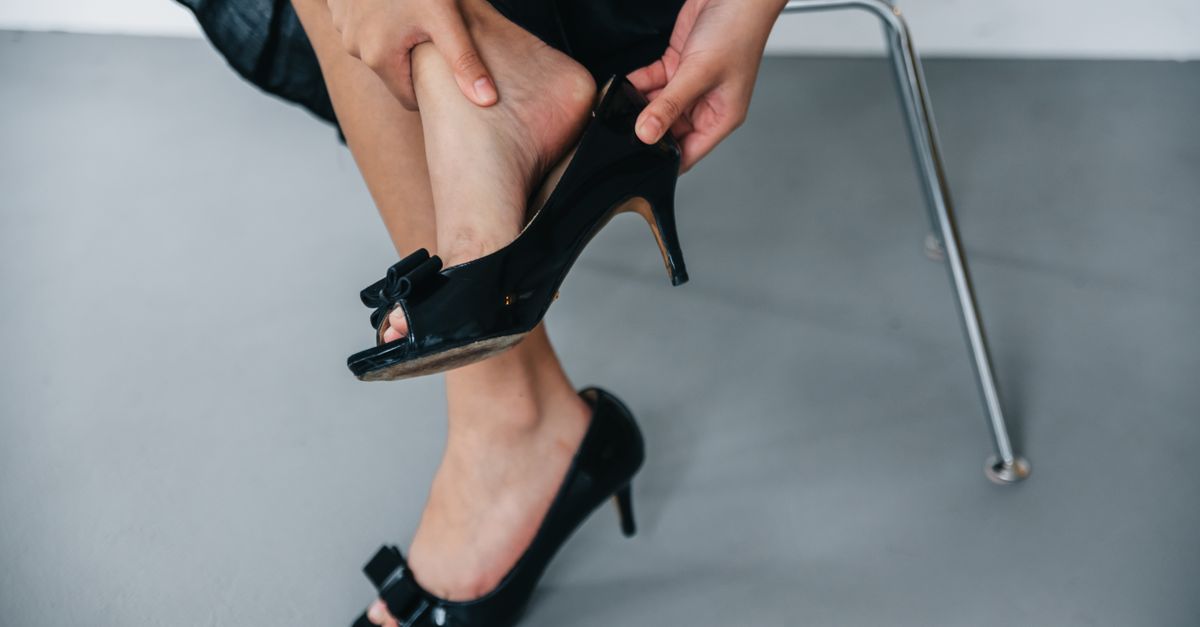
Experiencing a sharp, shooting pain in your toes immediately upon taking off your shoes is not a normal physiological response; it is a classic clinical indicator of a compressed digital nerve, most frequently diagnosed as Morton’s neuroma. This abrupt, electric-like pain occurs due to a phenomenon known as rebound nerve firing. While the shoe is on, the narrow toe box mechanically squeezes the metatarsal bones together, crushing the nerve and creating localized ischemia restricted blood flow that temporarily numbs the tissue.
The forefoot is a complex mechanical structure featuring five metatarsal bones connected by deep transverse ligaments. The common digital nerves run directly between these bones to provide sensation to the toes. They are highly susceptible to mechanical entrapment, particularly in individuals who frequently wear high heels, pointed-toe dress shoes, or unsupportive athletic footwear.
When the shoe is finally removed, the sudden release of pressure causes the metatarsal bones to spread apart and blood to rush rapidly back into the nerve tissue. This rapid decompression and revascularization trigger the irritated nerve to fire a massive, uncoordinated burst of signals to the brain, perceived as a sharp, agonizing jolt of pain. Accurate clinical diagnosis and footwear modifications are essential to prevent permanent nerve fibrosis.
2. The Biomechanics of Footwear Compression
The human foot was evolutionarily designed to splay outward upon bearing weight, maximizing the surface area to absorb shock and provide balance. The modern shoe, however, frequently dictates the opposite biomechanical environment. Many popular shoe designs feature a toe box that is significantly narrower than the natural anatomical width of the forefoot.
When the foot is forced into a tapered shoe, the metatarsal heads the bones just behind the toes are squeezed tightly together. This lateral compression forces the bones to pinch the soft tissues located between them, which include the intermetatarsal bursae and the digital nerves.
Over a long day of standing or walking, this relentless mechanical squeezing compromises the structural integrity of the nerve sheath. The body attempts to protect the nerve by generating extra fibrous tissue around it, creating a thickened, swollen mass that takes up even more space in the already crowded metatarsal interspace, worsening the compression.
3. Morton’s Neuroma Explained
Morton’s neuroma is the most prevalent cause of sharp, shooting forefoot pain related to footwear. Despite its name, it is not a true tumor; rather, it is a perineural fibrosis—a benign thickening of the tissue surrounding the digital nerve leading to the toes. It occurs most frequently in the third intermetatarsal space, between the third and fourth toes.
Patients with Morton’s neuroma frequently report a sensation akin to standing on a folded sock or a small pebble inside their shoe. The thickened nerve mass is constantly irritated by the rubbing of the metatarsal bones during the push-off phase of walking.
The shooting pain that occurs when the shoe is removed is a defining characteristic of this condition. The sudden mechanical release of the enlarged, inflamed nerve tissue causes an immediate, sharp pain that radiates forward into the adjacent toes and occasionally shoots backward into the arch of the foot.
4. The Phenomenon of Rebound Nerve Firing
To understand the sharp pain upon removing the shoe, one must understand the physiology of nerve conduction under pressure. When a nerve is firmly compressed, the pressure literally cuts off the microvascular blood supply the vasa nervorum that provides oxygen to the nerve cells.
Without oxygen, the nerve cannot conduct electrical action potentials properly. This state of ischemia leads to a temporary, partial numbness or a dull, deep ache while the shoe is being worn. The patient may hardly notice the severity of the irritation until the environmental condition changes.
The moment the shoe is removed, the physical compression is gone. Fresh, oxygenated blood floods back into the ischemic nerve tissue. This sudden physiological awakening causes the nerve cell membranes to become highly unstable, resulting in a chaotic discharge of electrical signals that the brain interprets as a sharp, shooting, burning pain.
5. Ischemic Compression and Vascular Return
Beyond the nerve itself, the surrounding vascular structures in the forefoot are heavily impacted by tight footwear. The small arteries and veins that weave between the metatarsal bones are easily compressed by narrow toe boxes, leading to localized tissue hypoxia low oxygen.
During the day, metabolic waste products, including lactic acid and inflammatory cytokines, accumulate in the forefoot tissues because the compressed veins cannot adequately clear them. The tissues exist in a state of low-grade metabolic distress.
When the shoes are removed and the foot expands, vasodilation occurs rapidly. The sudden influx of arterial pressure pushing against the newly opened vascular beds, combined with the flushing of acidic waste products over sensitized nerve endings, contributes significantly to the sharp, stinging sensation felt throughout the toes.
6. Metatarsalgia and Forefoot Pressure
Metatarsalgia is a broad clinical term used to describe pain and inflammation in the ball of the foot. While it frequently coexists with a neuroma, metatarsalgia primarily involves the irritation of the metatarsophalangeal joints and the joint capsules themselves, rather than the nerve.
High-heeled shoes are the primary culprit for metatarsalgia. Elevating the heel aggressively shifts the body’s center of gravity forward, forcing the delicate metatarsal heads to bear a massive, unnatural percentage of the total body weight.
This extreme pressure severely inflames the joint capsules. When the shoe is taken off and the foot returns to a flat, neutral position, the inflamed joints must suddenly bear weight in a different vector. This mechanical shift stretches the irritated joint capsules, frequently causing a sharp, aching pain that radiates into the toes.
7. Peripheral Neuropathy Considerations
While localized mechanical compression is the most common cause of toe pain upon removing shoes, systemic peripheral neuropathy must be considered, particularly in patients with a history of diabetes or alcohol dependence.
Peripheral neuropathy involves the systemic degradation of the longest nerve fibers in the body, which terminate in the toes. These damaged nerves are highly sensitive to any change in temperature, pressure, or spatial orientation.
For a patient with underlying neuropathy, the tactile sensation of the shoe being pulled off the foot—the friction of the sock, the sudden exposure to cooler air, and the release of light compression—can trigger an exaggerated, painful neurological response known as allodynia, where a normal stimulus is perceived as severely painful. This is a common presentation of numbness in foot issues.
8. Digital Nerve Entrapment
Aside from the common interdigital spaces where Morton’s neuroma occurs, the nerves can be entrapped at other points along the foot. Tarsal tunnel syndrome, located at the inside of the ankle, can send referred shooting pain down into the big toe when the foot is stretched or manipulated during shoe removal.
Furthermore, repetitive microtrauma from athletic activities, such as sprinting or rock climbing in highly specialized, restrictive footwear, can cause localized scarring around the digital nerves anywhere along their path.
Any structural entrapment restricts the normal gliding motion of the nerve. When the foot expands after escaping a tight shoe, the entrapped nerve is suddenly stretched against the unyielding scar tissue, triggering a sharp, electric pain.
9. The Impact of High Heels and Narrow Toe Boxes
The design of modern footwear is inextricably linked to forefoot pathology. High heels combine two detrimental mechanical forces: they shift body weight entirely onto the forefoot and typically feature an aggressively pointed toe box.
This design acts like a funnel, driving the toes downward and squeezing them together simultaneously. This is the optimal mechanical environment for crushing the interdigital nerves and inflaming the metatarsal joints.
The longer the foot remains in this hostile environment, the more severe the resultant ischemia and nerve compression. Eliminating this type of footwear is not merely a recommendation; it is an absolute clinical necessity for resolving sharp, shooting toe pain and preventing irreversible nerve damage.
10. Osteoarthritis of the Metatarsophalangeal Joints
Degenerative joint disease, or osteoarthritis, commonly affects the big toe joint hallux rigidus, but can occur in any of the metatarsophalangeal joints. Osteoarthritis involves the loss of protective cartilage and the formation of bone spurs around the joint margins.
A tight shoe acts as a splint, firmly holding these arthritic joints in a rigid, compressed position. While uncomfortable, this immobility sometimes prevents the raw bone surfaces from grinding against each other during the day.
When the shoe is removed and the foot is allowed to flex naturally, the arthritic joints are suddenly free to move. The initial movement of these stiff, degenerated joints causes the bone spurs to catch and grind, sending a sharp, acute pain through the affected toe until the joint “warms up” to the new position.
11. Structured Data: Differentiating Forefoot Pain
The following table outlines the distinct clinical features of the primary causes of sharp toe pain upon removing footwear.
| Clinical Condition | Characteristics of the Pain | Distinguishing Features |
|---|---|---|
| Morton’s Neuroma | Sharp, electric shooting pain, often between the 3rd and 4th toes. | Feeling of a pebble in the shoe; pain worsened by squeezing the foot. |
| Metatarsalgia | Deep, aching, or sharp pain across the ball of the foot. | Pain is worse when walking barefoot on hard surfaces. |
| Peripheral Neuropathy | Burning, tingling, or sharp shooting pain in all toes. | Symmetrical bilateral; worse at night; underlying metabolic condition. |
| Osteoarthritis | Sharp, grinding pain localized to a specific toe joint. | Joint is stiff and visibly enlarged; pain with upward bending of the toe. |
12. Clinical Diagnostic Approaches
A clinical evaluation for shooting toe pain begins with a detailed history of the patient’s footwear habits and the exact nature of the pain. The physician will perform a targeted physical examination, utilizing specific orthopedic tests to identify a neuroma.
The Mulder’s click test is a classic diagnostic maneuver. The clinician squeezes the metatarsal heads together with one hand while pressing upward on the sole of the foot with the other. A palpable click accompanied by a reproduction of the sharp, shooting pain is highly diagnostic of Morton’s neuroma.
While standard X-rays are taken to rule out stress fractures or osteoarthritis, they cannot visualize nerves. If the diagnosis remains unclear, a high-resolution ultrasound or magnetic resonance imaging scan can accurately visualize the thickened nerve mass or identify swollen bursae.
13. Footwear Modification and Orthotics
The cornerstone of conservative management is immediate and strict footwear modification. The patient must transition to shoes featuring a wide, square toe box that allows the toes to splay completely flat without any lateral compression.
Heel height should be restricted to less than one inch to prevent the anterior weight shift that crushes the metatarsal heads. A stiff-soled shoe or a rocker-bottom design can also be highly beneficial, as it reduces the amount of mechanical bending required at the toe joints during walking.
Custom foot orthotics are frequently prescribed to correct underlying biomechanical faults. An orthotic with a built-in metatarsal dome pad—placed specifically behind the metatarsal heads—helps spread the bones apart, instantly relieving the physical pressure on the entrapped nerve.
14. Physical Therapy and Metatarsal Padding
Physical therapy can assist in restoring normal biomechanics to the foot and ankle. Tight calf muscles gastrocnemius and soleus prematurely lift the heel during walking, increasing the duration and magnitude of pressure on the forefoot. A targeted calf stretching protocol is essential.
Additionally, manual therapy techniques can mobilize the metatarsal bones, restoring the natural gliding motion of the deep transverse ligaments and reducing overall fascial restriction in the forefoot.
Over-the-counter metatarsal pads can offer immediate relief if placed correctly. Crucially, the pad must not be placed directly under the painful ball of the foot; it must be adhered just behind the bony prominences to effectively lift and spread the bones, creating space for the irritated nerve.
15. Pharmacological and Interventional Treatments
When footwear modification and orthotics do not provide adequate relief, medical interventions are utilized to calm the inflamed nerve. Nonsteroidal anti-inflammatory drugs can reduce the generalized tissue swelling around the neuroma.
For severe, persistent pain, a localized corticosteroid injection is highly effective. The steroid is injected directly into the affected intermetatarsal space under ultrasound guidance to shrink the swollen nerve tissue and rapidly eliminate the shooting pain.
In some cases, absolute alcohol sclerosing injections are used. This procedure involves injecting a dilute alcohol solution directly into the neuroma over a series of visits to chemically ablate degenerate the painful nerve fibers, providing permanent sensory relief.
16. When to Consult a Podiatrist
If sharp, shooting pains persist for more than three weeks despite switching to wide, flat shoes, a consultation with a podiatrist or orthopedic foot specialist is highly recommended. Prolonged compression causes permanent fibrous scarring in the nerve, making conservative treatments progressively less effective.
Medical attention is urgently required if the pain is accompanied by a complete, constant loss of sensation in the toes, visible color changes in the skin turning white or blue, or if a persistent ulcer develops on the foot, as these signs point to severe vascular or systemic nerve pathology.
In cases of a large, mature Morton’s neuroma that is refractory resistant to all conservative and injection therapies, surgical excision of the thickened nerve segment neurectomy may be necessary to permanently resolve the debilitating pain.
17. Frequently Asked Questions (FAQ)
1. Is it normal for my toes to go totally numb before the shooting pain starts?
It is common, but not healthy. The numbness occurs because the tight shoe cuts off blood and nerve signals. The shooting pain happens when the shoe is removed, blood rushes back, and the nerve rapidly “wakes up.”
2. Can I cure a neuroma just by changing my shoes?
If caught very early, switching to wide-toe-box shoes and using a metatarsal pad can completely relieve the pressure, allowing the nerve inflammation to subside permanently. However, a mature, scarred neuroma may require medical treatment.
3. Why does the pain feel like an electric shock?
Nerves transmit signals via electrical impulses. When a severely compressed nerve is suddenly released and flooded with blood, it misfires, sending a chaotic burst of electricity to the brain, which you perceive as a shock.
4. Will massaging the ball of my foot make the pain better?
Gentle massage of the arch and the top of the foot can help spread the bones and relax the muscles. However, aggressively digging into the painful spot on the ball of the foot can further irritate the swollen nerve.
5. Are barefoot-style shoes good for shooting toe pain?
Barefoot or minimalist shoes have excellent, wide toe boxes that prevent nerve compression. However, they lack cushioning. If your pain is also caused by metatarsalgia joint pressure, the lack of padding might worsen the joint pain, requiring a careful transition.
18. Bibliography
Disclaimer: The content is for informational purposes only and does not replace medical advice. Always consult your doctor for personalized treatment.

