1. Introduction
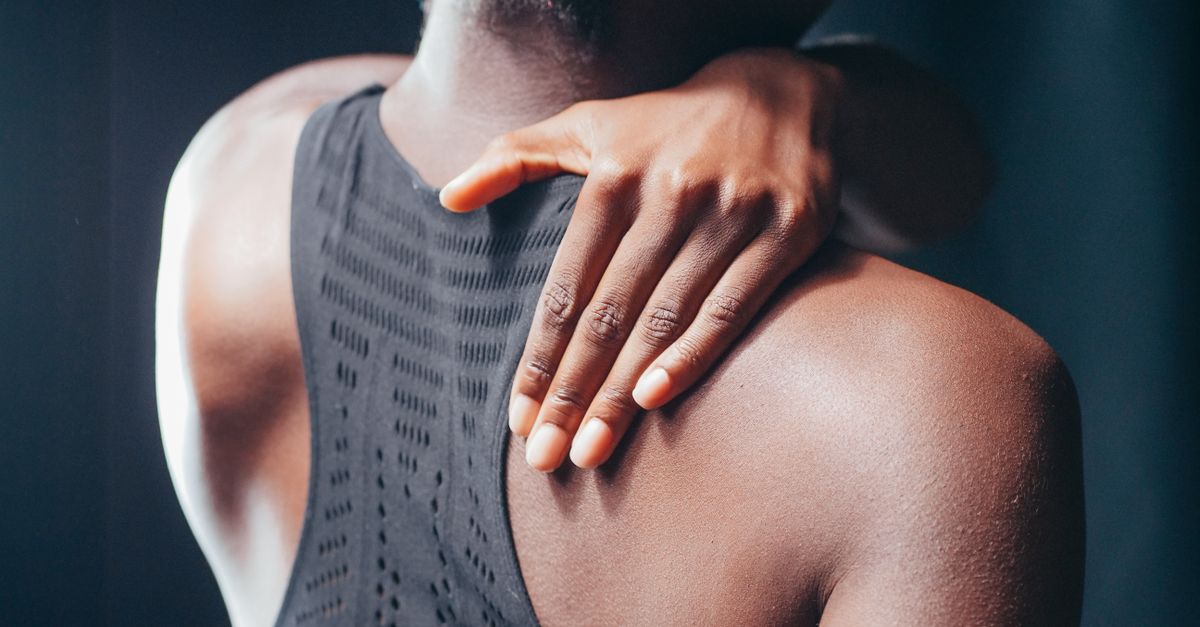
Poor posture can cause stabbing pains in the shoulder blades by placing sustained mechanical strain on the rhomboid and trapezius muscles. When the thoracic spine remains in a prolonged rounded position, the muscles anchoring the scapulae become overstretched and ischemic, generating a sharp, localized pain. Clinical evaluation is beneficial to differentiate this musculoskeletal strain from referred pain originating in the cervical spine or internal organs.
The upper back is a complex intersection of bone, muscle, and fascial tissue designed to provide both structural stability and dynamic mobility to the arms. Modern occupational habits frequently force the body into biomechanically disadvantageous positions. Maintaining a slouched posture for extended periods alters the resting length of the stabilizing muscles, forcing them to work continuously against gravity.
Recognizing the specific mechanical triggers of interscapular pain allows for targeted physical interventions. The sensation of a sharp knife or a deep, burning ache between the shoulder blades is a common neurological response to profound muscular exhaustion. Correcting structural alignment and restoring local tissue perfusion are the primary steps in resolving this persistent discomfort.
2. Biomechanics of the Thoracic Spine
The thoracic spine consists of twelve vertebrae situated in the center of the back, naturally possessing a gentle outward curve known as kyphosis. This region anchors the rib cage, providing a rigid protective structure for the cardiopulmonary organs.
Attached to the posterior aspect of this bony framework are the scapulae, or shoulder blades. The scapulae do not articulate with the rib cage through standard synovial joints. Instead, they glide over the ribs, held in place entirely by a network of surrounding muscles. This unique anatomical arrangement relies strictly on muscular balance to function smoothly.
When an individual adopts a forward-leaning posture, the natural kyphotic curve of the thoracic spine becomes exaggerated. This structural shift alters the resting position of the scapulae, pulling them forward and away from the midline of the spine. This displacement places immediate, sustained mechanical tension on the specific muscles designed to keep the shoulder blades retracted.
3. The Role of the Rhomboid and Trapezius Muscles
The rhomboid major and minor muscles connect the medial border of the scapula directly to the thoracic vertebrae. Their primary biological function is to retract the shoulder blades, pulling them together toward the spine.
The trapezius is a broad, superficial muscle spanning from the base of the skull down to the lower thoracic spine and across to the shoulders. The middle fibers of the trapezius work in tandem with the rhomboids to stabilize the scapulae during arm movements.
In a chronically slouched posture, the heavy weight of the arms and head pulls the shoulders forward. The rhomboids and middle trapezius muscles are consequently locked in a continuously elongated, stretched position. They must contract isometrically—firing constantly without changing length—just to prevent the shoulders from collapsing entirely forward. This relentless workload exhausts the muscle fibers.
4. Ischemia and Trigger Point Formation
Muscles require a continuous flow of oxygenated blood to function efficiently and clear metabolic waste. When the rhomboid and trapezius muscles contract isometrically for hours at a desk, they physically compress the microscopic capillary beds that supply their own tissue.
This sustained compression results in localized ischemia, a condition where the tissue is deprived of adequate blood flow. The muscle cells are forced to metabolize energy anaerobically, creating lactic acid and other irritating byproducts. Because the blood flow is restricted, these waste products pool within the muscle belly.
The accumulation of acidic waste chemically burns the local nerve endings, initiating a deep, burning ache. Furthermore, the exhausted muscle fibers can knot together, forming hyperirritable nodules known as trigger points. When pressed or stretched, these trigger points generate the distinct, stabbing pain that characterizes a severe postural strain.
5. Forward Head Posture and Scapular Strain
Postural strain in the upper back is rarely isolated from the cervical spine. The pervasive habit of craning the neck forward to view a computer monitor or mobile device creates a biomechanical chain reaction known as forward head posture.
For every inch the head shifts forward from a neutral alignment over the shoulders, the effective weight resting on the cervical and upper thoracic spine doubles. The deep extensor muscles of the neck must work substantially harder to support this unbalanced load.
Because the fascial network connects the cervical musculature directly to the trapezius and rhomboids, the strain from the neck radiates downward. The stabbing pain between the shoulder blades is frequently a referred mechanical stress signal originating from the exhausted structures supporting the unbalanced, forward-leaning head.
6. Differentiating Muscular Pain from Nerve Impingement
While muscular exhaustion is the leading cause of interscapular pain, securing an accurate diagnosis requires differentiating local strain from cervical radiculopathy. A pinched nerve in the lower neck can refer sharp, shooting pain directly into the region of the shoulder blade.
If a spinal disc herniates or a bone spur encroaches on a nerve root in the cervical spine, the irritated nerve sends erratic pain signals along its entire pathway. The dorsal scapular nerve specifically innervates the rhomboid muscles. Compression of this nerve translates as a deep, stabbing pain beneath the shoulder blade.
Pain originating from a cervical nerve compression typically feels electric or burning and may be accompanied by a sensation of numbness or a tingling in the fingers. In contrast, purely postural muscle strain feels like a dense, localized knot that worsens with prolonged sitting and improves with massage or heat therapy.
7. Medical Conditions Referring Pain to the Upper Back
Clinicians must maintain vigilance for non-musculoskeletal pathologies that refer pain to the thoracic region. Several internal organs share neurological pathways with the upper back, leading the brain to misinterpret visceral distress as a shoulder blade injury.
| Underlying Pathology | Characteristics of Referred Pain |
|---|---|
| Gallbladder Disease | Pain frequently refers to the right shoulder blade, often worsening after eating fatty meals. |
| Cardiac Ischemia | A dull, crushing ache that may radiate between the shoulder blades, typically worsening with physical exertion. |
| Peptic Ulcer Disease | Burning or gnawing pain that can penetrate straight through the chest to the middle of the back. |
| Pulmonary Embolism | Sudden, sharp pain in the upper back or chest that worsens significantly upon taking a deep breath. |
A detailed clinical history is essential. If the stabbing pain is entirely unaffected by stretching, changing posture, or applying firm pressure to the back muscles, the physician will immediately investigate visceral sources to rule out cardiac or gastrointestinal emergencies.
8. The Impact of Desk Ergonomics
The physical setup of a workstation is a primary environmental driver of postural shoulder blade pain. When a keyboard or mouse is positioned too far away, the individual must continuously reach forward. This protracted reaching disengages the stabilizing muscles of the core and transfers the entire mechanical load to the upper back.
A monitor placed too low forces the thoracic spine into persistent flexion. The chest muscles, specifically the pectoralis major and minor, become chronically shortened and tight. This anterior tightness creates a structural imbalance, actively pulling the shoulders forward and perpetually stretching the posterior rhomboid muscles.
Correcting this imbalance requires meticulous ergonomic adjustments. The monitor must be elevated to eye level, and the keyboard positioned so the elbows rest comfortably at a ninety-degree angle by the sides. These simple environmental changes immediately unload the overstretched interscapular muscles.
9. Breathing Mechanics and Thoracic Rigidity
Prolonged slouched posture compromises respiratory mechanics. The rib cage must expand upward and outward during inhalation. When the thoracic spine is hunched forward, the anterior ribs are compressed, severely restricting the natural expansion of the diaphragm and intercostal muscles.
To compensate for this restricted primary breathing mechanism, the body enlists secondary respiratory muscles located in the neck and upper back. The scalenes, sternocleidomastoid, and upper trapezius muscles are forced to lift the entire rib cage with every breath.
This continuous, inappropriate use of the upper back and neck muscles for respiration leads to rapid muscular exhaustion. The resulting rigidity in the thoracic spine prevents the normal gliding motion of the scapulae, contributing heavily to the sharp, restrictive pain experienced during deep breathing or twisting motions.
10. Physical Therapy and Postural Retraining
Reversing chronic postural pain requires comprehensive physical therapy to address the structural imbalances. The therapeutic protocol focuses on stretching the shortened anterior musculature and strengthening the weakened, elongated posterior chain.
Therapists employ targeted stretches for the pectoral muscles and the anterior neck flexors to release the forward pull on the shoulder girdle. Once the anterior tension is resolved, strengthening exercises are introduced for the lower trapezius and rhomboid muscles, training them to hold the scapulae in proper retraction without succumbing to rapid fatigue.
Postural retraining involves cultivating somatic awareness. Patients are taught to recognize the subtle feeling of their shoulders rounding forward and actively engage their core and mid-back to restore a neutral alignment throughout the day, preventing the onset of ischemic pain.
11. Active Release and Soft Tissue Management
When trigger points become deeply entrenched in the rhomboid muscles, standard stretching is often insufficient. Manual therapies are required to physically break apart the contracted muscle fibers and restore local tissue mobility.
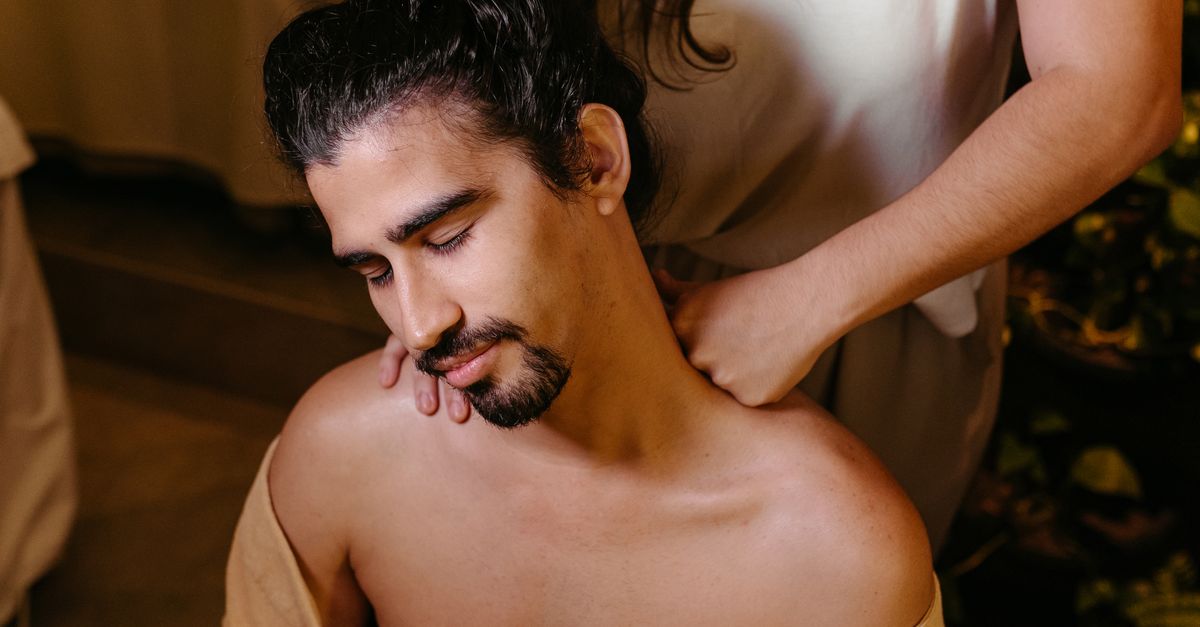
Active release techniques and deep tissue massage apply precise mechanical pressure to the ischemic nodules. This pressure forces the contracted sarcomeres to release and stimulates a sudden influx of fresh arterial blood. The restoration of capillary perfusion flushes out the accumulated lactic acid, providing significant and rapid pain relief.
Patients can perform self-myofascial release using a firm massage ball or tennis ball. By placing the ball between the affected shoulder blade and a wall, the patient can lean into the painful trigger point, applying sustained pressure for thirty to sixty seconds until the sharp, stabbing sensation gradually melts into a dull ache.
12. Thermal Modalities for Acute Spasms
The application of targeted thermal therapy manipulates the local vascular environment to relieve pain. For a chronic, dull ache caused by poor posture, a warm compress is the preferred modality. The heat penetrates the superficial fascial layers, promoting profound local vasodilation.
This expanded blood flow brings oxygen and nutrients to the exhausted tissues, helping to relax the sustained muscle spasms. A heating pad applied to the upper back for fifteen minutes substantially improves tissue elasticity before engaging in physical therapy exercises.
If the stabbing pain is acute, resulting from a sudden, sharp movement that strained a specific muscle fiber, applying a cold pack for the first forty-eight hours is superior. The cold aggressively constricts the local blood vessels, halting the inflammatory fluid rush and temporarily numbing the hyperactive sensory nerve endings.
13. Strengthening the Posterior Chain
Sustainable relief from posture-induced shoulder blade pain relies on building physical endurance in the posterior chain. The posterior chain encompasses all the muscles running down the back of the body, from the base of the skull to the heels.
Exercises such as seated rows, face pulls, and prone reverse flyes specifically target the rhomboids and the middle and lower trapezius fibers. These movements train the muscles to handle larger mechanical loads, increasing their capillary density and resistance to fatigue.
Consistent strength training ensures that the muscles possessing the task of retracting the shoulder blades are robust enough to maintain a neutral posture effortlessly, preventing the slow, progressive elongation and ischemia that trigger the stabbing pain during a long workday.
14. Ergonomic Adjustments for Sleep
Postural strain does not end when the workday concludes; sleep ergonomics play a vital role in muscular recovery. Sleeping on the stomach forces the cervical spine into extreme rotation and places the arms in an overhead position, severely compressing the shoulder joints and straining the interscapular muscles overnight.
Patients experiencing shoulder blade pain are advised to sleep on their back or side. When sleeping on the side, a supportive pillow must fill the gap between the neck and the mattress to maintain neutral spinal alignment. Clasping a thick pillow to the chest prevents the top shoulder from rolling forward and overstretching the rhomboids during sleep.
Ensuring the spine rests in a neutral, supported position allows the exhausted muscles of the upper back to completely disengage and repair cellular damage, preventing the patient from waking up with pre-existing postural stiffness.
15. When to Seek Prompt Medical Attention
While the vast majority of stabbing pain between the shoulder blades is attributed to benign muscular strain, certain accompanying symptoms require immediate clinical evaluation to rule out severe cardiovascular or pulmonary events.
Immediate emergency care is mandatory if the stabbing back pain is accompanied by a sudden, crushing pressure in the chest, profound shortness of breath, a cold sweat, or pain radiating down the left arm or up into the jaw. These are classic indicators of an acute myocardial infarction.
Furthermore, if the localized shoulder blade pain is accompanied by a persistent fever, sudden leg weakness, or a loss of bowel and bladder control, a spinal infection or severe central nerve compression is suspected. Rapid neuroimaging is required to protect the integrity of the spinal cord.
16. Frequently Asked Questions (FAQ)
1. Can a bad mattress cause stabbing pain in the shoulder blades?
Yes, a mattress that lacks proper support allows the thoracic spine to sink abnormally, forcing the muscles around the shoulder blades to remain tensed throughout the night to stabilize the spine, leading to severe morning pain.
2. Why does taking a deep breath make the pain between my shoulders worse?
The muscles of the upper back assist in expanding the rib cage; if the rhomboids are locked in a severe spasm, the mechanical expansion of the ribs during a deep breath stretches the inflamed tissue, triggering a sharp spike in pain.
3. Will a posture corrector brace cure the pain?
A rigid posture brace provides temporary mechanical relief, but relying on it weakens the back muscles over time because the brace does the work instead of the muscles; active strengthening exercises are the only permanent solution.
4. Can severe stress cause a knot under my shoulder blade?
Psychological stress activates the sympathetic nervous system, causing an involuntary, continuous elevation of the shoulders and tightening of the trapezius muscles, rapidly leading to ischemic trigger points in the upper back.
5. How do doctors tell if the pain is from the neck or the shoulder blade?
A physician performs specific neurological tests, moving the neck through various ranges of motion; if turning the neck reproduces the exact stabbing pain in the shoulder blade, it indicates a pinched cervical nerve rather than a local muscle strain.
17. Bibliography
Disclaimer: The content is for informational purposes only and does not replace medical advice. Always consult your doctor for personalized treatment.