1. Introduction
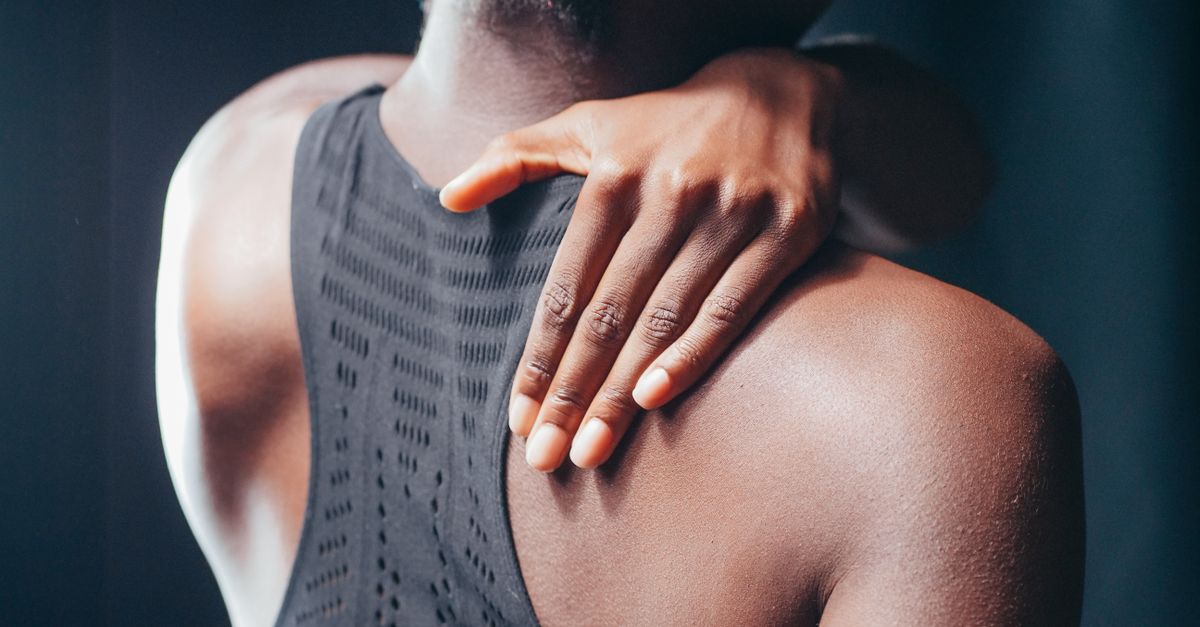
Pain and stiffness in the shoulder joints from carrying a heavy tote bag result from sustained downward traction on the skeletal structures and profound mechanical fatigue of the supporting musculature. When a heavy load is slung over one shoulder, it forces the body into an asymmetrical posture. The muscles of the neck and shoulder must perform a continuous, static contraction to keep the strap from slipping off and to counteract the downward pull of gravity.
The human shoulder is highly mobile but inherently unstable, relying primarily on a complex network of muscles, ligaments, and tendons to maintain its integrity. A tote bag hanging from a single strap places all of its weight on a very small surface area over the clavicle and the acromioclavicular joint. This concentrated load depresses the shoulder blade and drags the arm downward.
To fight this downward traction, the upper trapezius and levator scapulae muscles lock into a prolonged state of tension. This static contraction severely restricts local blood flow, leading to rapid metabolic exhaustion within the muscle fibers. The ischemic environment creates a deep, burning ache, while the compressed joints become inflamed and stiff.
Furthermore, the asymmetrical load forces the spine to curve away from the weight, straining the delicate structures of the cervical and thoracic spine. A thorough understanding of how these mechanical stressors impact the shoulder girdle is crucial for preventing chronic repetitive strain injuries and maintaining structural health.
2. Anatomy of the Shoulder Girdle
The shoulder girdle connects the upper extremity to the axial skeleton. It is composed of three bones: the clavicle, the scapula, and the humerus. These bones articulate at several critical junctions, most notably the glenohumeral joint, where the arm meets the body, and the acromioclavicular joint, located at the highest point of the shoulder.
Unlike the hip joint, which is a deep, stable socket, the glenohumeral joint is shallow. This design allows for a vast range of motion but requires robust muscular support to prevent dislocation. The rotator cuff, a group of four small muscles, closely hugs the joint capsule to keep the head of the humerus firmly centered during movement.
Above these structures sit the large elevator muscles, primarily the upper trapezius, which spans from the base of the skull down to the shoulder blade, and the levator scapulae, which connects the neck vertebrae to the upper corner of the scapula. These muscles are designed for dynamic movement, not for holding heavy, static loads for prolonged periods.
A heavy tote bag strap rests directly over the clavicle and the underlying brachial plexus, a vital bundle of nerves that innervate the arm. The spatial relationship between the strap, the bones, and the soft tissues dictates the specific pathology of bag-related shoulder pain.
3. The Mechanics of Asymmetrical Loading
Carrying a heavy load on one side of the body fundamentally disrupts normal biomechanics. When a person walks without a bag, the arms swing in opposition to the legs, providing counterbalance and rotational harmony to the spine. A tote bag entirely arrests the arm swing on the loaded side.
To prevent the bag from falling, the individual instinctively hikes the loaded shoulder upward. This requires a continuous, isometric contraction of the trapezius and levator scapulae. An isometric contraction means the muscle generates force without changing length.
Because the muscle is not lengthening or shortening, the skeletal muscle pump effect, which normally moves blood in and out of the tissue, is neutralized. The muscle is essentially strangling its own blood supply while demanding high levels of energy. This rapidly leads to an accumulation of metabolic waste products, notably lactic acid and bradykinin, which irritate the local nociceptors and cause a deep, burning pain.
Simultaneously, the opposite side of the body must contract to prevent the torso from tipping over. This creates a diagonal line of tension across the back, leading to secondary muscular aches in the lower back and contralateral oblique muscles.
4. Acromioclavicular Joint Traction
The acromioclavicular joint is the small articulation between the outer end of the clavicle and the acromion process of the scapula. It acts as a structural strut, keeping the arm away from the midline of the chest. It is held together by a tight capsule and strong ligaments.
A heavy tote bag strap applies direct, compressive downward force directly over this joint. The weight of the bag, combined with the weight of the arm itself, pulls the acromion downward while the clavicle is held up by the neck musculature. This creates a shearing force across the joint line.
Sustained traction stretches the acromioclavicular ligaments beyond their resting length. While ligaments are strong, they are not highly elastic. Prolonged stretching causes them to undergo tissue creep, a temporary deformation that leaves the joint feeling loose, unstable, and deeply achy.
The localized pressure from the strap can also inflame the small bursa sac resting above the joint, causing sharp pain precisely where the strap sits, which is worsened by pressing on the top of the shoulder.
5. Rotator Cuff Muscle Fatigue
While the trapezius hikes the shoulder upward, the rotator cuff muscles must work overtime to keep the shoulder joint tightly compressed and stable against the swinging momentum of the heavy bag. The supraspinatus muscle, located on the top of the shoulder blade, is particularly vulnerable.
As the bag pulls the arm downward, the supraspinatus must continuously fire to prevent the head of the humerus from sliding inferiorly out of the shallow socket. Because the supraspinatus is a relatively small muscle designed for precision rather than heavy lifting, it fatigues rapidly under this sustained load.
Fatigue in the rotator cuff compromises joint stability. When these tiny stabilizers fail, the larger, more superficial muscles must take over their duties. This substitution alters the normal mechanics of the shoulder, leading to uncoordinated movement and a sensation of profound stiffness when attempting to raise the arm after setting the bag down.
Over time, this repeated fatigue can lead to micro-tears in the rotator cuff tendons, setting the stage for chronic tendinopathy and significant functional impairment.
6. Trapezius and Levator Scapulae Spasms
The most immediate and severe pain associated with a heavy tote bag is usually muscular. The upper trapezius and levator scapulae endure the brunt of the work. The isometric contraction required to hold the shoulder up severely limits arterial blood flow into the muscle bellies.
This state of localized ischemia deprives the muscle cells of the oxygen and adenosine triphosphate needed to orchestrate smooth muscle relaxation. Without adequate adenosine triphosphate, the microscopic cross-bridges within the muscle fibers lock together.
This biochemical lock manifests physically as a muscle spasm or a myofascial trigger point. Trigger points are hyper-irritable nodules within a taut band of muscle tissue. They feel like hard knots and are excruciatingly tender to the touch.
These spasms often refer pain upward, triggering tension headaches at the base of the skull, or cause severe neck pain, drastically reducing the ability to turn the head toward the opposite side.
7. Postural Compensations and Spinal Alignment
The body operates as a linked kinetic chain. The disruption at the shoulder immediately forces compensations lower down the chain. To counterbalance a heavy bag on the right shoulder, the individual will lean their torso slightly to the left.
This lateral flexion curves the cervical and thoracic spine into an unnatural, scoliotic posture. The intervertebral discs on the left side are compressed, while the supporting ligaments on the right side are stretched. The paraspinal muscles must work asymmetrically to hold this skewed posture against the jolting forces of walking.
This postural deviation places immense stress on the facet joints of the spine. When the bag is finally put down, the spine does not immediately snap back into perfect alignment. The fatigued muscles on one side remain tight, locking the vertebrae in a slightly rotated position.
This explains why carrying a heavy shoulder bag often results in stiffness that radiates entirely down the back, far beyond the anatomical boundaries of the shoulder itself.
8. Brachial Plexus Compression
The brachial plexus is a dense network of nerves that originates from the cervical spine, passes under the clavicle, and branches out to supply sensation and motor control to the entire arm and hand. It lies in a highly vulnerable position directly beneath where a tote bag strap sits.
The combined downward pressure of the strap and the downward traction of the shoulder blade can physically compress this nerve bundle against the underlying ribs. Nerve tissue is exquisitely sensitive to both mechanical pressure and the resulting loss of blood flow.
Compression of the brachial plexus results in neurological symptoms. Individuals may experience a tingling sensation, often described as pins and needles, radiating down the arm into the fingers. The arm may feel unusually heavy, numb, or profoundly weak.
This condition is a form of transient thoracic outlet syndrome. Removing the load immediately relieves the pressure, but chronic, daily compression can lead to persistent nerve irritation and long-lasting neuropathic pain.
9. Subacromial Impingement Syndrome
The subacromial space is the narrow tunnel located beneath the acromion process and above the humerus head. The supraspinatus tendon and the subacromial bursa glide back and forth through this tunnel during arm elevation.
When the shoulder muscles are severely fatigued from carrying a heavy bag, they lose their ability to properly center the humeral head. If the individual attempts to lift their arm to reach for something while the muscles are exhausted, the humeral head rides upward prematurely.
This faulty movement mechanism jams the supraspinatus tendon and the bursa directly into the bony roof of the acromion, causing an acute impingement.
| Condition | Mechanism of Injury | Primary Symptoms |
|---|---|---|
| Muscular Fatigue | Ischemia and metabolic waste accumulation. | Dull, burning ache in the neck and upper back. |
| AC Joint Strain | Sustained downward traction on ligaments. | Point tenderness directly on top of the shoulder. |
| Nerve Compression | Direct pressure from the bag strap. | Numbness, tingling, and heavy feeling in the arm. |
| Subacromial Impingement | Loss of dynamic joint centering due to fatigue. | Sharp, catching pain when raising the arm to the side. |
10. The Impact of Bag Strap Design
The physical characteristics of the tote bag itself play a crucial role in the development of shoulder pathology. The width of the strap determines the surface area over which the load is distributed. A thin, cord-like strap concentrates the entire weight of the bag onto a very small area of tissue.
This high localized pressure maximizes the restriction of local blood vessels and significantly increases the risk of cutting directly into the brachial plexus. Conversely, a wide, padded strap distributes the downward force across a broader section of the trapezius and clavicle, diffusing the pressure and preserving local perfusion.
The length of the strap is equally important. A long strap allows the bag to swing pendulum-style near the hip. This constant swinging generates kinetic energy that the shoulder muscles must continuously fight to stabilize.
A shorter strap keeps the mass of the bag closer to the body’s center of gravity and tucked under the arm, significantly reducing the rotational torque and the overall muscular effort required to carry the load.
11. Differentiating Fatigue from Structural Injury
It is vital to distinguish between normal mechanical fatigue and a structural injury requiring medical intervention. Mechanical fatigue and minor joint strain cause a deep ache and stiffness that generally resolve within twenty-four to forty-eight hours of resting the shoulder.
A structural injury, such as a tear in the rotator cuff or a severe acromioclavicular joint sprain, presents with acute, sharp pain that does not subside with rest. The individual may experience a profound inability to lift the arm overhead or extreme weakness when attempting to rotate the arm outward.
Pain that consistently wakes the individual from sleep, or pain accompanied by chronic numbness and tingling in the hand that persists long after the bag has been put down, are red flags.
These signs suggest that the repetitive strain has surpassed the body’s healing capacity, leading to structural tissue failure or persistent neurological compromise that warrants a clinical diagnostic evaluation.
12. Acute Management of Shoulder Stiffness
When returning home with stiff, aching shoulders, immediate restorative action is required. The first step is to completely remove the offending load and perform gentle, unloaded range-of-motion exercises. Simple shoulder rolls, moving the shoulders up, back, and down, re-engage the skeletal muscle pump and begin flushing out accumulated metabolic waste.
Thermal therapy is highly effective for isometric muscle fatigue. Applying a warm compress or standing in a hot shower induces local vasodilation. The heat forces the narrowed blood vessels to open, rushing oxygen-rich blood into the starved trapezius and levator scapulae muscles, which facilitates cellular relaxation and breaks the spasm cycle.
If the very top of the shoulder joint feels hot and acutely inflamed due to strap pressure, a brief application of ice can reduce local capsular swelling.
Massage therapy, whether professional or self-administered with a massage ball against a wall, physically breaks up the cross-bridge locks in the muscle fibers, deactivating painful trigger points and restoring tissue elasticity.
13. Stretching and Mobilization Techniques
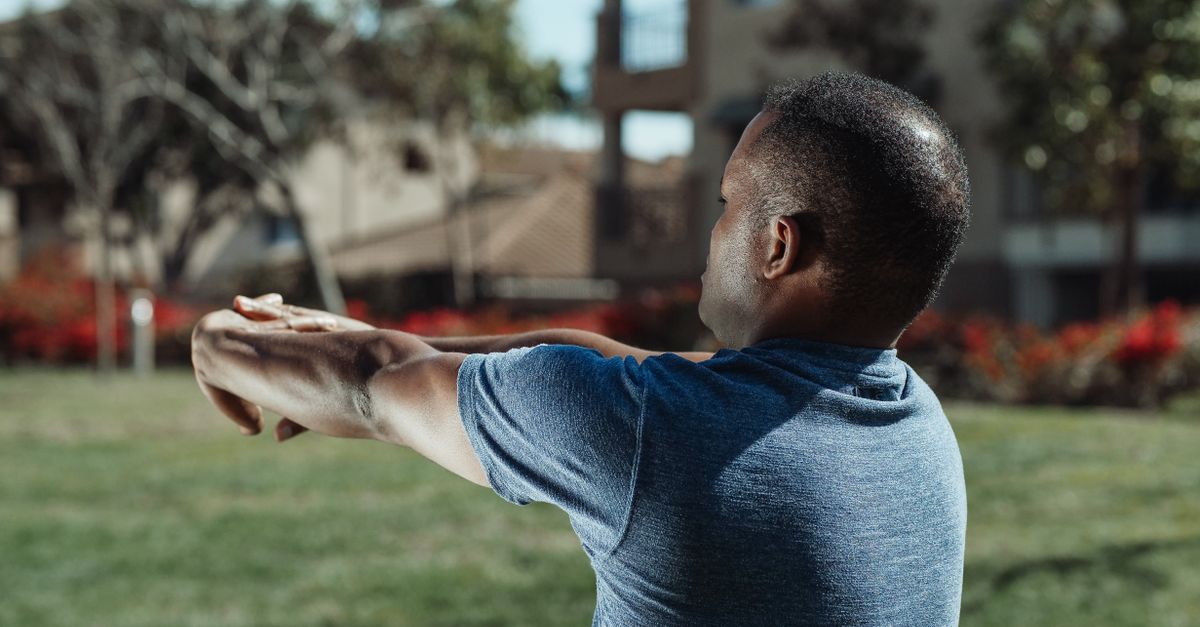
Restoring the resting length of the overworked muscles is critical to preventing chronic stiffness. The upper trapezius stretch is highly effective: while sitting upright, gently tilt the ear toward the opposite shoulder. To increase the stretch, the hand on the painful side can hold the bottom of the chair to keep the shoulder anchored down.
The levator scapulae stretch targets the deep neck muscles. From the same seated position, turn the nose downward toward the opposite armpit and gently apply pressure to the back of the head. These stretches should be held for thirty seconds and performed smoothly without bouncing.
Pectoral stretching is also necessary. Carrying a heavy bag often forces the shoulders to round forward. Standing in a doorway with the arms at a ninety-degree angle and gently leaning through the opening stretches the chest muscles, encouraging the shoulder blades to retract back into their proper anatomical position.
Consistent stretching mitigates the postural creep caused by the asymmetrical load, keeping the cervical spine and shoulder girdle biomechanically balanced.
14. Strategies for Safer Load Carrying
The most effective preventative measure is to change how the load is carried. Utilizing a backpack distributes the weight symmetrically across both shoulders, keeping the spine completely neutral and dividing the muscular effort equally between the right and left sides.
If a tote bag must be used, frequent side-switching is non-negotiable. Shifting the bag to the opposite shoulder every ten to fifteen minutes prevents any single muscle group from reaching complete ischemic failure and avoids prolonged postural distortion.
Lightening the load is a straightforward but essential strategy. Individuals should frequently audit the contents of their bags, removing unnecessary items, heavy laptops, or water bottles if they are not strictly required for the day.
Selecting a bag with a wide, padded strap and keeping it tucked firmly against the body minimizes the biomechanical leverage the weight has against the shoulder joint, dramatically reducing the structural strain.
15. Frequently Asked Questions (FAQ)
1. Why does my neck hurt more than my shoulder when I carry a heavy bag?
The upper trapezius and levator scapulae muscles originate in the cervical spine. When they contract continuously to hold the bag up, they pull directly on the neck vertebrae, causing severe muscle tension and joint compression in the neck.
2. Can carrying a heavy bag cause a rotator cuff tear?
While a single instance is unlikely to cause a tear, chronic daily carrying of heavy asymmetrical loads leads to micro-trauma, tendinopathy, and impingement, which significantly increases the risk of an eventual rotator cuff tear over time.
3. Why do my fingers tingle when my bag is too heavy?
The strap compresses the brachial plexus, a major nerve bundle under the collarbone. This pressure blocks nerve signal transmission, resulting in numbness and tingling radiating down the arm into the fingers.
4. Is it better to carry a bag in my hand or on my shoulder?
Carrying the bag in your hand by the handles allows the arm to hang vertically, which reduces the need to constantly hike the shoulder upward. However, it can still cause asymmetrical spinal pulling if the bag is excessively heavy.
5. How quickly should the shoulder stiffness go away?
Stiffness resulting purely from muscular fatigue and minor joint traction should resolve within twenty-four to forty-eight hours with rest, gentle stretching, and heat application.
16. Bibliography
Disclaimer: The content is for informational purposes only and does not replace medical advice. Always consult your doctor for personalized treatment.