1. Introduction
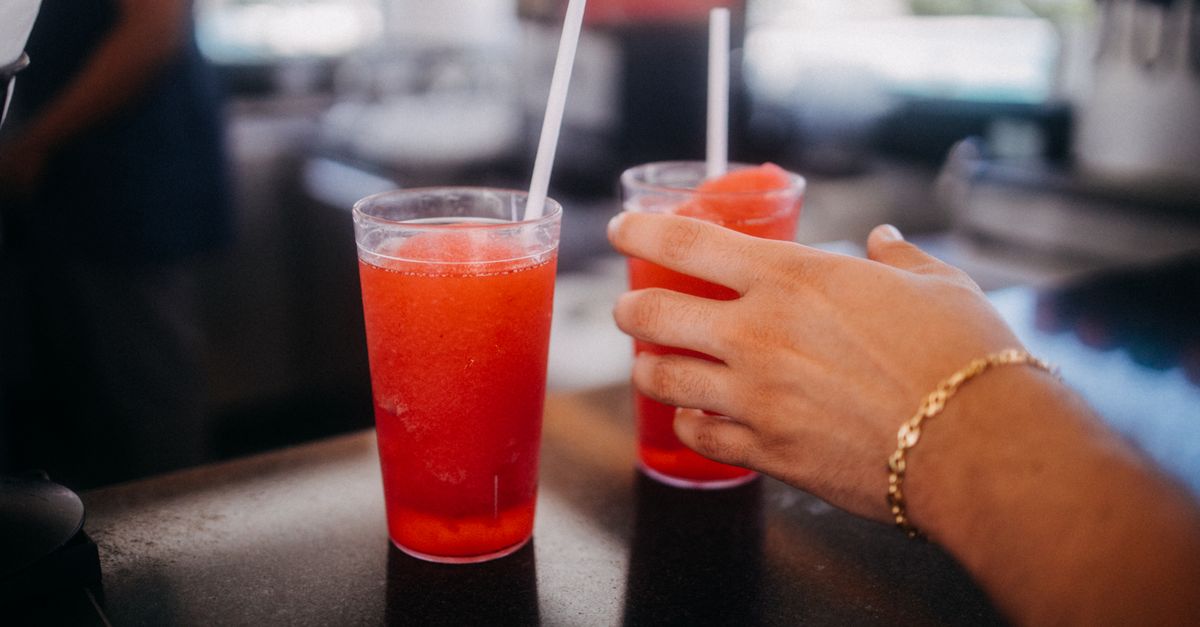
Experiencing a sudden, sharp pain in the forehead when eating a slushie is a classic manifestation of a condition clinically known as sphenopalatine ganglioneuralgia, commonly referred to as brain freeze. This intense, transient headache is triggered by the rapid cooling and subsequent rewarming of the blood vessels located in the roof of the mouth and the back of the throat. When icy food contacts this exquisite vascular network, it provokes a profound neurological and vascular defense mechanism.
The human brain is remarkably sensitive to changes in core temperature and requires a continuous, stable supply of warm arterial blood to function optimally. When a cold slushie rapidly drops the temperature of the internal carotid and anterior cerebral arteries, the nervous system initiates a protective reflex to prevent the brain from freezing. This reflex involves rapid, aggressive alterations in the diameter of the local blood vessels.
Understanding the specific neurological wiring of the face and head clarifies why an insult to the palate is felt entirely in the forehead. This phenomenon is a textbook example of referred pain, driven by the complex branches of the trigeminal nerve. While the sensation is piercing and uncomfortable, it is a completely benign physiological response demonstrating the body’s remarkable ability to self-regulate thermal threats.
2. Anatomy of the Palate and Trigeminal Nerve
The roof of the mouth, anatomically known as the hard and soft palate, is a densely innervated and highly vascularized mucosal surface. Because it lacks the thick, protective epidermal layers found on the external skin, the thermal receptors in the palate are immediately exposed to whatever temperature is introduced into the oral cavity.
The sensation from the palate is gathered and transmitted to the brain via the trigeminal nerve, designated as Cranial Nerve V. The trigeminal nerve is the largest and most complex of the cranial nerves, responsible for transmitting all sensory data from the face, teeth, and mouth.
The trigeminal nerve divides into three main branches: the ophthalmic branch supplying the forehead and eyes, the maxillary branch supplying the mid-face and palate, and the mandibular branch supplying the lower jaw. This shared neurological highway is the structural foundation for the specific location of the brain freeze pain.
3. The Sphenopalatine Ganglion
Located deep within the mid-face, just behind the nasal cavity and above the palate, lies the sphenopalatine ganglion. A ganglion is a biological relay station where multiple nerve fibers converge and exchange information. The sphenopalatine ganglion is a critical autonomic hub, regulating tear production, nasal congestion, and the dilation of blood vessels in the cerebral network.
When an individual consumes a freezing slushie, the intense cold rapidly penetrates the thin mucosal tissue of the palate and directly stimulates the underlying maxillary nerve fibers. These distress signals are instantly relayed up to the sphenopalatine ganglion.
Upon receiving this sudden influx of thermal shock data, the ganglion triggers an immediate autonomic reflex. It commands the smooth muscles lining the local arteries to contract aggressively, prioritizing the preservation of central heat and attempting to isolate the cold exposure to the oral cavity.
4. Rapid Vasoconstriction and Vasodilation
The mechanical source of the pain lies in the erratic behavior of the blood vessels. When the ice hits the palate, the local capillaries and larger feeding arteries undergo severe vasoconstriction. They narrow instantly to prevent cold blood from flowing upward into the delicate brain tissue.
However, the human body cannot tolerate prolonged ischemia. Within moments of the initial constriction, as the slushie is swallowed and the palate begins to rewarm from ambient body heat, a massive rebound vasodilation occurs. The previously narrowed arteries expand forcefully and rapidly, engorging with warm blood in an attempt to restore normal tissue temperature.
This sudden, violent expansion of the arterial walls physically stretches the pain receptors embedded within the blood vessel linings. This rapid sequence of severe narrowing followed by explosive widening is recognized by the trigeminal nerve system as acute mechanical trauma, generating a massive pain signal.
5. The Mechanism of Referred Pain
The most perplexing aspect of a brain freeze is that the cold stimulus occurs in the mouth, but the pain is felt vividly behind the forehead or the eyes. This is a classic demonstration of referred pain, a neurological phenomenon where the brain misinterprets the true origin of a sensory signal.
When the massive pain signal from the rapidly expanding palatal arteries reaches the trigeminal nerve root in the brainstem, it arrives via the maxillary branch. However, this nerve root also receives all the sensory data from the ophthalmic branch, which services the forehead.
In the face of such a sudden, intense barrage of electrical signals, the brain’s sensory cortex becomes cross-wired. It incorrectly assumes that the intense distress is originating from the ophthalmic branch. Consequently, the brain projects the sensation of sharp, throbbing pain directly onto the forehead, leaving the patient grabbing their head rather than their mouth.
6. The Anterior Cerebral Artery Response
Advanced neurovascular imaging has revealed that the vascular changes during a brain freeze are not entirely limited to the palate. The internal carotid artery, a massive vessel responsible for delivering blood to the brain, runs very close to the back of the throat.
When a large volume of icy slushie passes the posterior pharynx, it cools the blood flowing through the internal carotid. In response, the anterior cerebral artery, which supplies the frontal lobes of the brain, undergoes a measurable, rapid dilation to increase warm blood flow and combat the thermal drop.
This expansion of the anterior cerebral artery increases pressure within the rigid confines of the skull. The stretching of this major cerebral vessel significantly contributes to the intense, localized throbbing pain felt in the frontal region of the head during the peak of the sphenopalatine ganglioneuralgia episode.
7. Table: Differentiating Brain Freeze and Headaches
Understanding the distinct characteristics of a slushie-induced headache helps differentiate it from underlying neurological conditions.
| Clinical Feature | Sphenopalatine Ganglioneuralgia | Standard Tension Headache |
|---|---|---|
| Onset Time | Immediate, within seconds of cold exposure | Gradual, building over hours |
| Pain Quality | Sharp, piercing, stabbing | Dull, aching, squeezing band |
| Duration | Transient, typically lasts 30 to 60 seconds | Persistent, lasts hours to days |
| Resolution | Spontaneous upon rewarming the palate | Requires rest, hydration, or analgesics |
8. The Impact of Slushie Viscosity
The physical state of the food consumed dictates the severity of the neurological reflex. Solid ice cream or cold beverages can cause a brain freeze, but slushies are particularly notorious for triggering the most severe episodes. This is due to the specific thermodynamic properties of a semi-liquid icy matrix.
A slushie easily conforms to the exact shape of the oral cavity. When a large gulp is taken, the semi-liquid mixture spreads out, coating the entire surface area of the hard and soft palate simultaneously. This maximizes the thermal contact area, delivering a massive, uniform shock to the entire network of trigeminal nerve endings at once.
Furthermore, because a slushie can be drawn rapidly through a straw, it bypasses the lips and the front of the tongue, hitting the highly sensitive posterior palate at maximum velocity and minimum temperature, guaranteeing a profound reflex response.
9. Migraine Overlap and Susceptibility
Clinical studies indicate a strong physiological link between susceptibility to brain freeze and a history of migraine headaches. Individuals who suffer from chronic migraines are notably more likely to experience sphenopalatine ganglioneuralgia, and their episodes often last longer and feel more intense.
This overlap exists because both conditions share a fundamental underlying mechanism: a hyper-reactive trigeminal nerve system. In migraine sufferers, the threshold for trigeminal nerve activation is unusually low. Their cerebral blood vessels are inherently more sensitive to sudden dilation and stretching.
When a migraineur consumes a cold slushie, their already excitable trigeminal system overreacts to the vascular shifts in the palate, amplifying the referred pain signal. In some severe cases, a profound brain freeze can actually serve as the sensory trigger that initiates a full-blown migraine attack. Patients managing these sensitivities often research the mechanics of a tension headache to understand overlapping trigeminal pathways.
10. The Evolutionary Defense Mechanism
From an evolutionary perspective, the brain freeze reflex is a sophisticated biological alarm system. The brain is the most metabolically active organ in the body and operates within a very narrow, strict temperature range. Even a microscopic drop in cerebral temperature can impair cognitive function and slow neurological processing.
The trigeminal nerve and the sphenopalatine ganglion act as a thermal sentry system. By generating severe, inescapable pain upon the rapid introduction of cold into the upper airway, the body forces the individual to immediately stop consuming the freezing substance.
This intense negative reinforcement ensures that the thermal insult is halted before the cold can significantly lower the temperature of the blood traveling through the internal carotid artery, effectively preserving the vital thermal homeostasis of the central nervous system.
11. Trigeminal Neuralgia Distinctions
While brain freeze is harmless, it is important to distinguish it from trigeminal neuralgia, a severe, chronic pain condition affecting the same cranial nerve. Trigeminal neuralgia involves structural damage to the nerve, often caused by a pulsating blood vessel compressing the nerve root near the brainstem.
Patients with trigeminal neuralgia experience agonizing, electric-shock-like pain in the face, jaw, or forehead. Crucially, these attacks can be triggered by incredibly mild stimuli, such as a light breeze, brushing teeth, or taking a sip of room-temperature water.
Unlike the predictable, cold-induced vascular stretch of a brain freeze, the pain of trigeminal neuralgia is erratic, structurally driven, and completely disproportionate to the trigger, requiring specialized neurological intervention and prescription medications to manage the damaged nerve fibers.
12. Prevention Strategies
The most effective clinical strategy to prevent sphenopalatine ganglioneuralgia is to alter the mechanics of consumption. The thermal shock relies on a large volume of cold material rapidly contacting the posterior palate.
Drinking slushies slowly and in very small sips allows the ambient heat of the mouth to slightly warm the liquid before it reaches the sensitive back of the throat. This slow consumption prevents the sudden, massive temperature drop that triggers the aggressive vasoconstriction reflex.
Additionally, keeping the cold substance toward the front of the mouth and utilizing the tongue as an insulating barrier prevents direct contact with the hard palate. By allowing the icy mixture to melt slightly on the tongue before swallowing, the thermal load placed on the sphenopalatine ganglion is drastically reduced.
13. Acute Mitigation Techniques
Once the sharp pain of a brain freeze begins, the physiological goal is to rapidly stabilize the temperature of the palatal blood vessels, thereby halting the erratic vasodilation and stretching of the arterial walls.
The most immediate and effective technique is to press the underside of the tongue firmly against the roof of the mouth. The tongue is highly vascular and retains significant core body heat. Pressing it flat against the hard palate rapidly transfers thermal energy to the chilled tissue, rewarming the nerves and blood vessels.
Alternatively, drinking a small amount of warm or room-temperature liquid immediately counteracts the cold stimulus. Breathing rapidly through the nose and out through the mouth also draws warm ambient air across the hard palate, accelerating the temperature normalization and truncating the duration of the referred pain.
14. Frequently Asked Questions (FAQ)
1. Can a brain freeze cause any permanent damage to my brain or blood vessels?
No. Despite the intense pain, a brain freeze is a completely benign, temporary physiological reflex. It causes no structural damage to the brain, the trigeminal nerve, or the cerebral blood vessels.
2. Why do I only get a brain freeze sometimes, even if I drink the same slushie?
The reaction depends on the ambient temperature of your body, the exact speed at which you swallow, and the specific angle the cold liquid hits the roof of your mouth. A slight change in swallowing mechanics can bypass the sensitive nerve receptors entirely.
3. Is there a medical term for brain freeze?
Yes, the formal clinical term is sphenopalatine ganglioneuralgia, which translates to nerve pain related to the sphenopalatine ganglion. It is also referred to as cold-stimulus headache in neurological literature.
4. Do animals get brain freeze too?
Yes, animals with similar upper airway anatomy and trigeminal nerve structures, such as cats and dogs, can experience the exact same vascular reflex and resulting pain if they consume icy food too rapidly.
5. How long is the maximum time a brain freeze should last?
A typical episode resolves within thirty to sixty seconds once the palate naturally rewarms. If an intense, sharp pain in the forehead persists for several minutes or hours after cold exposure, it is likely a different type of headache requiring evaluation.
15. Bibliography
Disclaimer: The content is for informational purposes only and does not replace medical advice. Always consult your doctor for personalized treatment.