1. Introduction
Raw broccoli contains complex carbohydrates called fructans and a sugar known as raffinose, which the human small intestine lacks the necessary enzymes to digest. When these intact compounds reach the colon, resident bacteria ferment them rapidly, producing large volumes of gas that distend the intestinal walls and trigger sharp, spasmodic cramps. This specific digestive reaction is a fundamental biological response to the unique chemical composition of cruciferous vegetables.
Cruciferous vegetables are lauded for their exceptional nutritional profile, packed with vitamins, minerals, and potent antioxidant compounds. However, their cellular architecture is incredibly robust. The plant cell walls are constructed from tough cellulose and hemicellulose, designed to protect the plant in nature. When consumed in a raw state, this architectural strength poses a significant challenge to the human gastrointestinal tract.
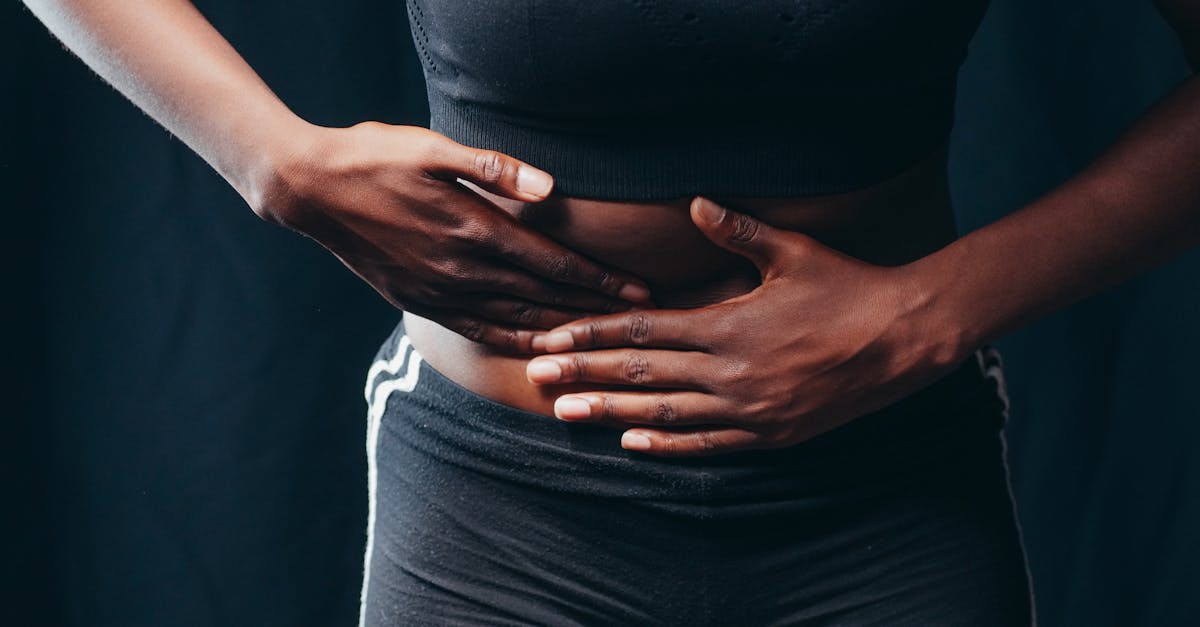
The sharp, stabbing pain experienced an hour or two after consumption is not indicative of an allergy or a toxic reaction. It is a mechanical issue driven by rapid gas expansion within a confined muscular tube. By detailing the anatomical journey of digestion, the biochemical nature of raffinose, and the behavior of the colonic microbiome, the exact cause of this painful phenomenon becomes medically clear.
2. Anatomy of the Digestive Tract
The human digestive system is a continuous muscular tube that processes food through mechanical and chemical breakdown. Digestion begins in the mouth, where chewing mechanically crushes food and saliva introduces the first digestive enzymes. The food travels down the esophagus into the stomach, where harsh hydrochloric acid and pepsin begin dismantling proteins.
The resulting mixture, called chyme, is released slowly into the small intestine. The small intestine is the primary site of nutrient absorption. Here, enzymes secreted by the pancreas and bile from the liver break down fats, simple carbohydrates, and proteins into their smallest molecular components, which pass through the intestinal wall into the bloodstream.
Materials that the small intestine cannot break down continue their journey into the large intestine, or colon. The colon is not primarily an absorptive organ for nutrients; its main functions are to absorb water, form stool, and house a vast, complex ecosystem of trillions of symbiotic bacteria known as the gut microbiome.
3. The Chemistry of Raffinose
The primary culprit behind the sharp cramps induced by broccoli is an oligosaccharide called raffinose. An oligosaccharide is a carbohydrate chain composed of a small number of simple sugars linked together. Raffinose specifically consists of galactose, glucose, and fructose molecules bound in a specific structural configuration.
To digest any carbohydrate, the human body must produce a specific enzyme shaped to break the exact chemical bond holding the sugar molecules together. Humans readily produce enzymes like amylase for starch and lactase for dairy sugar. However, the human genome does not contain the genetic instructions to produce alpha-galactosidase, the specific enzyme required to break the galactose bond in raffinose.
Because the required enzyme is entirely absent from the stomach and small intestine, the raffinose molecule passes through the upper digestive tract completely intact, unaffected by the digestive acids and pancreatic juices that dismantle other foods.
4. The Colonic Microbiome and Fermentation
When the intact raffinose and other undigested plant fibers enter the large intestine, they encounter the gut microbiome. The bacteria residing in the colon possess a vast array of specialized enzymes that human cells lack, including alpha-galactosidase.
These bacteria view the arriving raffinose and complex fibers as an abundant food source. They immediately begin breaking down the chemical bonds through a metabolic process called fermentation. This bacterial digestion is highly efficient and happens quite rapidly once the raw vegetable matter reaches the ascending colon.
Fermentation is a biochemical reaction that produces energy for the bacteria, but it also generates significant byproducts. The primary byproducts of colonic fermentation are short-chain fatty acids, which are beneficial for colon health, and large volumes of metabolic gases, predominantly carbon dioxide, hydrogen, and in some individuals, methane.
5. Gas Production and Intestinal Distention
The rapid fermentation of raw broccoli creates a sudden and substantial accumulation of gas within the confined space of the colon. The colon is essentially a flexible, muscular tube. As the gas volume increases rapidly, it exerts outward pressure on the mucosal walls, causing the intestine to stretch or distend.
The walls of the gastrointestinal tract are embedded with specialized sensory nerves known as mechanoreceptors. These receptors are designed to monitor the stretch and tension of the intestinal tissue. While they are relatively insensitive to cutting or burning, they are exquisitely sensitive to rapid stretching and distention.
When the expanding gas balloon stretches the intestinal wall beyond its normal resting diameter, the mechanoreceptors fire intense pain signals to the brain. This neurological feedback is interpreted as a sharp, stabbing ache or a severe cramp, localized deep within the abdomen.
6. Visceral Hypersensitivity and Spasms
The pain caused by distention is frequently exacerbated by the muscular response of the colon. The walls of the intestine contain smooth muscle layers that contract rhythmically to push waste forward, a process called peristalsis. When a segment of the bowel becomes excessively stretched by trapped gas, these muscles react defensively.
The smooth muscle attempts to force the gas pocket forward by contracting forcefully. Because the gas is trapped between segments of digesting food and normal anatomical curves of the colon, the muscle contraction becomes spastic. This creates a powerful, localized pressure spike, translating into the acute, wave-like cramping pain that forces individuals to double over.
Some individuals possess a condition known as visceral hypersensitivity. In these patients, the nerve endings in the gut are neurologically hyper-reactive. A volume of gas that would cause mild bloating in a typical person triggers severe, agonizing cramps in someone with visceral hypersensitivity, a common trait in irritable bowel syndrome.
7. The Role of Insoluble Fiber and Cellulose
Beyond specific sugars like raffinose, raw broccoli is exceptionally high in insoluble fiber, primarily composed of cellulose. Cellulose provides the rigid structural integrity of the plant cell walls. Like raffinose, human enzymes cannot digest cellulose.
When broccoli is consumed raw, the cellulose structure remains intact, acting as roughage that sweeps through the digestive tract. While insoluble fiber is crucial for adding bulk to stool and maintaining regular bowel movements, a sudden influx of rigid, raw fiber can mechanically irritate the sensitive lining of the gastrointestinal tract.
The sheer volume of indigestible material arriving in the colon requires robust peristaltic action to move. This mechanical burden, combined with the rapid gas expansion from the fermentable sugars, creates a dual-layered assault on the colonic musculature, amplifying the spasmodic cramping response.
8. Glucosinolates and Sulfur Compounds
Cruciferous vegetables belong to the Brassica family, renowned for their high concentration of sulfur-containing compounds called glucosinolates. These phytochemicals are responsible for the distinct, slightly bitter taste and pungent aroma of broccoli, Brussels sprouts, and cabbage.
During the digestive process, bacterial enzymes in the colon interact with these sulfur compounds. The breakdown of glucosinolates produces hydrogen sulfide gas. While this specific gas is produced in smaller volumes compared to hydrogen and carbon dioxide, it plays a distinct role in gastrointestinal distress.
Hydrogen sulfide is a highly bioactive molecule that can influence smooth muscle tone. In certain concentrations, it can interfere with normal peristaltic rhythms, contributing to the erratic, painful spasms of the bowel wall. Furthermore, it is the primary culprit behind the uniquely foul odor associated with flatulence following a broccoli-rich meal.
9. Evaluating Raw Vegetable Digestibility
Different vegetables possess varying levels of fermentable sugars and structural fibers, influencing their potential to cause acute cramping.
| Vegetable Type | Fermentable Sugar Content | Typical Digestive Response (Raw) |
|---|---|---|
| Broccoli, Cauliflower | High (Raffinose, Fructans) | Severe gas production, high likelihood of sharp cramps. |
| Cabbage, Brussels Sprouts | High (Raffinose, Glucosinolates) | Substantial bloating, sulfur-rich flatulence, cramping. |
| Spinach, Lettuce | Very Low | Easily digested, minimal gas, unlikely to cause cramps. |
| Carrots, Cucumbers | Low | Generally well-tolerated, minimal distention. |
10. The Impact of Cooking Methods
The physical state of the vegetable drastically alters how the body processes it. Cooking broccoli induces fundamental chemical and physical changes that significantly ease the burden on the human digestive tract.
Applying heat through steaming, boiling, or roasting breaks down the tough cellulose and hemicellulose cell walls. This thermal degradation softens the fibrous matrix, allowing human digestive enzymes in the small intestine better access to the interior of the plant cells, reducing the amount of raw, intact bulk that reaches the colon.
Furthermore, water-based cooking methods like boiling can cause some of the water-soluble sugars, including raffinose, to leach out of the broccoli and into the cooking water. By discarding the water, the total load of fermentable carbohydrates entering the digestive system is reduced, thereby directly limiting the substrate available for gas-producing bacteria.
11. Chewing and Mechanical Breakdown
Digestion begins mechanically in the mouth. The thoroughness of chewing, or mastication, plays a critical role in how the stomach and intestines handle raw vegetables. Raw broccoli is dense and fibrous, requiring significant mechanical force to crush into a swallowable paste.
If raw broccoli is swallowed in large, unchewed chunks, the stomach acids struggle to penetrate the vegetable matrix. These large, intact pieces arrive in the colon presenting a massive surface area of unbroken cell walls to the bacterial colonies. The bacteria swarm these chunks, resulting in concentrated, localized bursts of rapid fermentation.
Thoroughly chewing raw broccoli until it is a fine consistency mechanically breaches the cell walls before the food even reaches the stomach. This slows down the fermentation process in the colon, leading to a steadier, more manageable release of gas that the intestines can pass without severe, stretching cramps.
12. Exogenous Digestive Enzymes
For individuals who wish to consume raw cruciferous vegetables without suffering the cramping consequences, pharmacological intervention is available. Over-the-counter digestive enzyme supplements specifically target the biochemical deficit in the human gut.
Products containing alpha-galactosidase are designed to be taken immediately before consuming foods high in raffinose. When the capsule dissolves in the stomach, it releases the alpha-galactosidase enzyme, mixing it directly with the chewed broccoli.
This exogenous enzyme effectively breaks the complex galactose bonds of the raffinose while the food is still traversing the stomach and small intestine. By the time the digested material reaches the colon, the complex sugars have already been reduced to simple, absorbable components. The colonic bacteria are deprived of their fermentation fuel, preventing the rapid gas expansion and subsequent cramping entirely.
13. Modifying the Gut Microbiome
The severity of the cramping response is highly dependent on the individual composition of a person’s gut microbiome. Some individuals possess a bacterial flora that ferments carbohydrates very slowly, or they harbor specific strains of bacteria that consume hydrogen gas, reducing the overall volume of trapped air.
Gradually increasing the intake of fiber and raw vegetables over several weeks allows the microbiome to adapt. The populations of bacteria that handle fiber efficiently will slowly multiply, optimizing the fermentation process and reducing the spastic response of the bowel.
Conversely, a sudden dietary shift, such as eating a massive raw broccoli salad after months of a low-fiber diet, shocks the microbiome. The bacterial ecosystem is not prepared for the influx, resulting in chaotic, rapid fermentation and severe, painful distention. Gradual introduction is crucial for building digestive tolerance.
14. When to Seek Medical Attention
While sharp stomach cramps after eating raw broccoli are generally a benign physiological response to gas, certain symptoms require clinical evaluation to rule out underlying gastrointestinal disease.
If the cramping is accompanied by unexplained weight loss, blood in the stool, or severe diarrhea, it is not merely a reaction to vegetable fiber. These symptoms suggest an inflammatory bowel disease, such as Crohn’s disease or ulcerative colitis, where the lining of the gut is structurally damaged and hyper-reactive.
Furthermore, if the sharp pain localizes strictly to the lower right side of the abdomen and is accompanied by a fever or nausea, it could indicate appendicitis. Pain that consistently radiates to the back after eating may point to gallbladder or pancreatic issues, necessitating an ultrasound and professional diagnostic assessment.
15. Frequently Asked Questions (FAQ)
1. Will drinking water help get rid of the stomach cramps from broccoli?
Water helps keep the fibrous material moving through the digestive tract, preventing constipation, but it will not stop the bacterial fermentation or eliminate the gas that is already causing the sharp cramps.
2. Does eating broccoli stalks cause worse cramps than eating the florets?
Yes. The stalks contain a significantly higher density of tough cellulose and rigid fiber compared to the softer florets. The stalks require much more mechanical and bacterial effort to break down, often leading to worse distention.
3. Why do I get cramps from raw broccoli but not from raw carrots?
Carrots are root vegetables that store energy primarily as simple starches and contain far less fermentable raffinose and complex fructans than cruciferous vegetables. Thus, carrots produce minimal gas when exposed to colonic bacteria.
4. Can taking probiotics prevent the gas from eating raw broccoli?
Probiotics introduce beneficial bacteria into the gut, which may optimize overall digestion over time, but they do not provide the specific alpha-galactosidase enzyme needed to immediately break down the raffinose molecule in the small intestine.
5. Is it unhealthy if my body cannot digest raw broccoli properly?
No. It is a universal human biological trait to lack the enzyme for digesting raffinose. The inability to fully digest raw plant cell walls is perfectly normal and does not indicate a defective or unhealthy digestive system.
Bibliography
Disclaimer: The content is for informational purposes only and does not replace medical advice. Always consult your doctor for personalized treatment.