1. Introduction
Chronic psychological stress can absolutely cause the gums to become inflamed and eventually recede. Stress triggers a systemic elevation in cortisol, which suppresses local immune function in the oral cavity, promotes the proliferation of pathogenic bacteria, and accelerates the destruction of the periodontal ligaments that anchor the gums to the teeth. When the body is locked in a prolonged state of neuroendocrine arousal, the delicate balance of the oral microbiome is shattered, converting standard dental plaque into a highly destructive inflammatory engine.
Furthermore, psychological stress frequently induces profound behavioral changes that compound the biological damage. Individuals under intense pressure often neglect meticulous oral hygiene, alter their dietary habits toward highly inflammatory sugary foods, and develop subconscious habits like bruxism—severe teeth grinding and clenching. This combination of impaired cellular immunity, increased bacterial virulence, and relentless mechanical trauma inevitably leads to the breakdown of gingival tissues. Understanding the neuro-immunological link between the brain and the mouth is essential for halting the progression of stress-induced periodontal disease before irreversible bone loss occurs.
2. Anatomy of the Periodontium
To comprehend how stress destroys gum tissue, one must understand the anatomy of the periodontium—the specialized tissues that surround and support the teeth. The periodontium consists of four principal components: the gingiva (the gums), the periodontal ligament, the cementum covering the tooth root, and the alveolar bone.
The gingiva forms a tight collar around the neck of each tooth, sealing the underlying bone from the bacteria-rich oral environment. The periodontal ligament is a network of dense collagen fibers that acts as a shock absorber, anchoring the tooth root to the alveolar bone. For the gums to remain healthy and firmly attached, the local immune system must constantly manage the bacterial biofilm (plaque) that naturally forms along the gumline.
3. The Physiology of the Stress Response
When the brain perceives a psychological or emotional threat, the hypothalamus activates the sympathetic nervous system and the hypothalamic-pituitary-adrenal axis. This ancient survival mechanism floods the bloodstream with stress hormones, primarily adrenaline and cortisol, designed to prepare the body for immediate physical action.
While this response is lifesaving in acute situations, chronic stress results in persistently elevated cortisol levels. Sustained hypercortisolemia exerts a profoundly detrimental effect on the body’s immune regulation. It suppresses the production and efficiency of lymphocytes and neutrophils, the white blood cells responsible for patrolling the gingival tissues and neutralizing invading bacteria.
4. Cortisol and Gingival Inflammation
The direct link between stress and gum inflammation lies in the suppression of local cellular defense. Under normal conditions, neutrophils in the gingival crevice constantly consume bacteria from the plaque biofilm. When chronic cortisol elevation impairs these neutrophils, the bacteria proliferate unchecked.
As the bacterial load multiplies along the gumline, the pathogens secrete potent toxins and enzymes that penetrate the gingival tissue. The body attempts to fight back by releasing inflammatory cytokines, such as interleukin-1 and prostaglandin E2. This localized inflammatory war causes the gums to become swollen, tender, and prone to bleeding—the classic clinical presentation of gingivitis.
5. Progression to Periodontitis and Bone Loss
If the stress remains unrelenting and the inflammation continues, gingivitis progresses into periodontitis. This is a severe, irreversible stage of the disease where the inflammatory cytokines begin to break down the actual structural support of the teeth.
The hyperactive inflammatory response, combined with bacterial toxins, destroys the collagen fibers of the periodontal ligament. Furthermore, the inflammation activates osteoclasts, specialized cells that resorb and dissolve the alveolar bone. As the underlying bone melts away, the gums lose their foundational support and begin to peel away from the teeth, creating deep periodontal pockets where even more aggressive anaerobic bacteria can hide and multiply.
6. The Mechanics of Gingival Recession
Gingival recession—the process where the margin of the gum tissue pulls back, exposing the yellow root of the tooth—is the physical consequence of this sustained tissue destruction. As the alveolar bone height decreases due to stress-induced periodontitis, the overlying gum tissue simply follows the receding bone level downward.
Because the exposed tooth root lacks the hard protective enamel covering the crown, it is exquisitely sensitive to temperature changes and highly susceptible to rapid decay. Gingival recession is a permanent structural loss; once the tissue has receded, it cannot naturally grow back up to its original position along the enamel.
7. Bruxism and Mechanical Trauma
The biological impact of cortisol is heavily compounded by the mechanical trauma of bruxism. Chronic stress is the leading cause of sleep bruxism, a condition where an individual subconsciously clenches or grinds their teeth with immense force during the night.
The human jaw can exert hundreds of pounds of pressure. This relentless, grinding force places catastrophic mechanical stress on the periodontal ligaments and the alveolar bone. The teeth literally flex at the gumline under this pressure. This microscopic flexing causes the thin margin of gum tissue and the underlying bone to micro-fracture and pull away from the tooth, directly initiating and accelerating severe, localized gingival recession even in the absence of heavy plaque.
8. Behavioral Shifts and Oral Hygiene Neglect
The psychological burden of chronic stress profoundly alters patient behavior, creating a secondary pathway for gum destruction. Individuals experiencing burnout, depression, or intense anxiety frequently abandon their standard self-care routines. Meticulous brushing and daily flossing are often the first habits discarded when a patient feels overwhelmed.
Without regular mechanical removal, soft plaque rapidly calcifies into hard tartar (calculus) along the gumline. Tartar is a porous, rigid structure that harbors massive bacterial colonies directly against the gingiva, acting as a permanent, physical irritant that accelerates inflammation. Furthermore, stressed individuals often crave highly processed, sugary foods for quick dopamine release, providing the exact metabolic fuel required for pathogenic oral bacteria to thrive.
9. Salivary Suppression and Dry Mouth
Chronic stress heavily activates the sympathetic nervous system, the “fight or flight” response, while suppressing the parasympathetic nervous system, which controls “rest and digest” functions like salivation. Consequently, prolonged stress causes a significant reduction in salivary flow, leading to a chronically dry mouth (xerostomia).
Saliva is a vital defensive fluid. It contains buffering agents that neutralize bacterial acids and antimicrobial enzymes like lysozyme that directly destroy pathogens. When salivary flow decreases, the oral environment becomes stagnant and acidic. This dry, acidic state allows the plaque biofilm to mature and become far more virulent, directly exacerbating the severity of the gingival inflammation and accelerating the tissue breakdown.
10. Diagnostic Differentiation Table
Clinicians evaluate the presentation to determine the primary drivers of the gingival breakdown.
| Clinical Finding | Primary Mechanism | Distinguishing Features |
|---|---|---|
| Red, swollen, bleeding gums. | Cortisol-induced immunosuppression. | Generalized inflammation, bleeds easily when brushing. |
| Notches at the gumline (Abfraction). | Stress-induced Bruxism (Grinding). | V-shaped defects in the tooth root, severe cold sensitivity. |
| Thick tartar buildup. | Behavioral neglect of oral hygiene. | Hard, yellow/brown deposits firmly attached to the teeth. |
| Dry, sticky oral mucosa. | Sympathetic nervous system overdrive. | Thick stringy saliva, bad breath, rampant new decay. |
11. Clinical Evaluation of the Periodontium
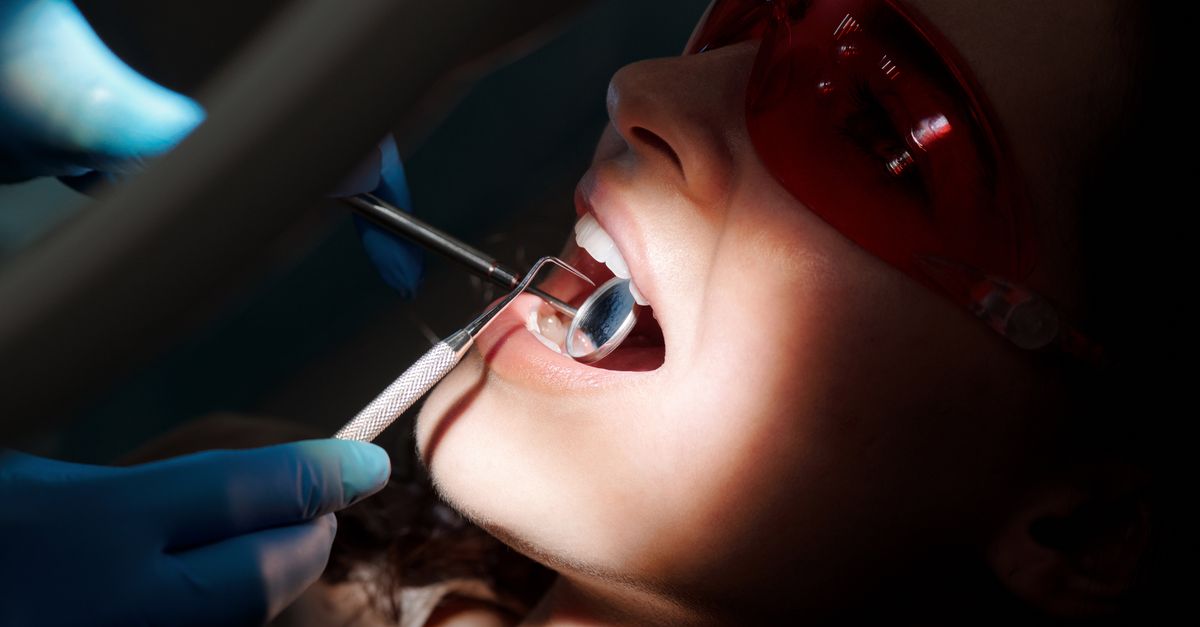
When a patient presents with stress-induced gum issues, a comprehensive periodontal evaluation is mandatory. A dentist or periodontist uses a specialized, blunted instrument called a periodontal probe to measure the depth of the sulcus—the space between the gum and the tooth.
Healthy gums yield measurements of one to three millimeters. Measurements of four millimeters or greater indicate the presence of pathological periodontal pockets, confirming that the inflammatory process has destroyed the connective tissue attachment. The clinician will also document the exact millimeter measurement of the gingival recession on each tooth to establish a baseline for monitoring future disease progression.
12. Radiographic Imaging
To accurately assess the extent of the damage caused by chronic stress and inflammation, detailed dental radiographs are required. Standard bite-wing and periapical X-rays allow the clinician to visualize the height and density of the alveolar bone surrounding the tooth roots.
Bone loss on an X-ray presents as a darkened area where dense, white bone should be present. Radiographs can confirm whether the clinical gingival recession is matched by underlying, irreversible bone destruction. They also help identify areas of calculus built up deep beneath the gumline that cannot be seen during a standard visual examination.
13. Professional Periodontal Therapy
Halting the progression of stress-induced periodontitis requires professional mechanical intervention. Standard dental cleanings are insufficient once deep pockets have formed. The patient requires scaling and root planing, a deep-cleaning procedure performed under local anesthesia.
During this procedure, the clinician uses specialized ultrasonic scalers and hand instruments to meticulously remove bacterial plaque and hard calculus from deep within the periodontal pockets, all the way down the root surface. Smoothing the root surface (planing) removes bacterial toxins embedded in the cementum, creating a clean environment that allows the inflamed gum tissue to shrink, tighten, and reattach to the tooth.
14. Managing Bruxism and Mechanical Forces
If the clinical examination reveals signs of severe clenching or grinding, managing the mechanical trauma is as critical as managing the bacteria. A custom-fabricated occlusal guard (night guard) is prescribed to be worn during sleep.
This rigid acrylic appliance does not stop the neurological impulse to grind, but it provides a smooth, flat surface that absorbs and disperses the immense mechanical forces. By preventing the teeth from locking together and flexing at the gumline, the night guard immediately halts the mechanical acceleration of the gingival recession and protects the enamel from catastrophic fracture.
15. Stress Modification and Systemic Support
Because the root cause of the immune suppression is psychological, true long-term periodontal stability requires systemic stress management. Patients must integrate practices that activate the parasympathetic nervous system, lowering circulating cortisol levels and restoring immune function.
Techniques such as cognitive behavioral therapy, regular cardiovascular exercise, and deep diaphragmatic breathing have a measurable, positive impact on systemic inflammation markers. Ensuring adequate sleep hygiene is also vital, as sleep deprivation severely compounds cortisol elevation and exacerbates nocturnal bruxism.
16. Advanced Surgical Interventions
If the stress has already caused severe, cosmetically or functionally debilitating gingival recession, surgical intervention may be required to cover the exposed roots. Periodontists perform gingival grafting procedures to restore the lost tissue.
A small piece of connective tissue is typically harvested from the roof of the patient’s mouth (the palate) and meticulously sutured over the exposed, recessed tooth root. This graft integrates with the surrounding gums, thickening the tissue phenotype, covering the sensitive root, and preventing further recession. However, grafting will only remain stable if the underlying stress-induced grinding and bacterial inflammation are thoroughly controlled.
17. Frequently Asked Questions (FAQ)
1. Can my receding gums grow back if I stop being stressed?
No. Once the gum tissue and the underlying bone have receded, they cannot naturally grow back to their original position. Reducing stress will stop the disease from getting worse, but covering the roots again requires a surgical gum graft.
2. Why do my gums bleed so much more when I have a tight deadline at work?
High stress raises cortisol, which lowers your immune system’s ability to fight the normal bacteria in your mouth. The bacteria multiply rapidly, causing your gums to become highly inflamed, swollen, and prone to bleeding easily.
3. Will wearing a night guard stop my gums from receding?
If your recession is caused by stress-induced teeth grinding, a night guard is highly effective. It absorbs the massive pressure of the grinding, stopping the teeth from flexing and preventing the gums from tearing away from the root.
4. How does stress cause dry mouth, and does it hurt my gums?
Stress activates your “fight or flight” response, which automatically shuts down saliva production. A dry mouth allows thick, acidic plaque to build up quickly, which aggressively attacks the gums and accelerates inflammation.
5. Is there a special toothpaste that fixes receding gums?
No toothpaste can regenerate lost gum tissue. Specialized toothpastes containing potassium nitrate can help block the severe cold sensitivity caused by exposed roots, but they do not reverse the physical recession.
18. Bibliography
Disclaimer: The content is for informational purposes only and does not replace medical advice. Always consult your doctor for personalized treatment.