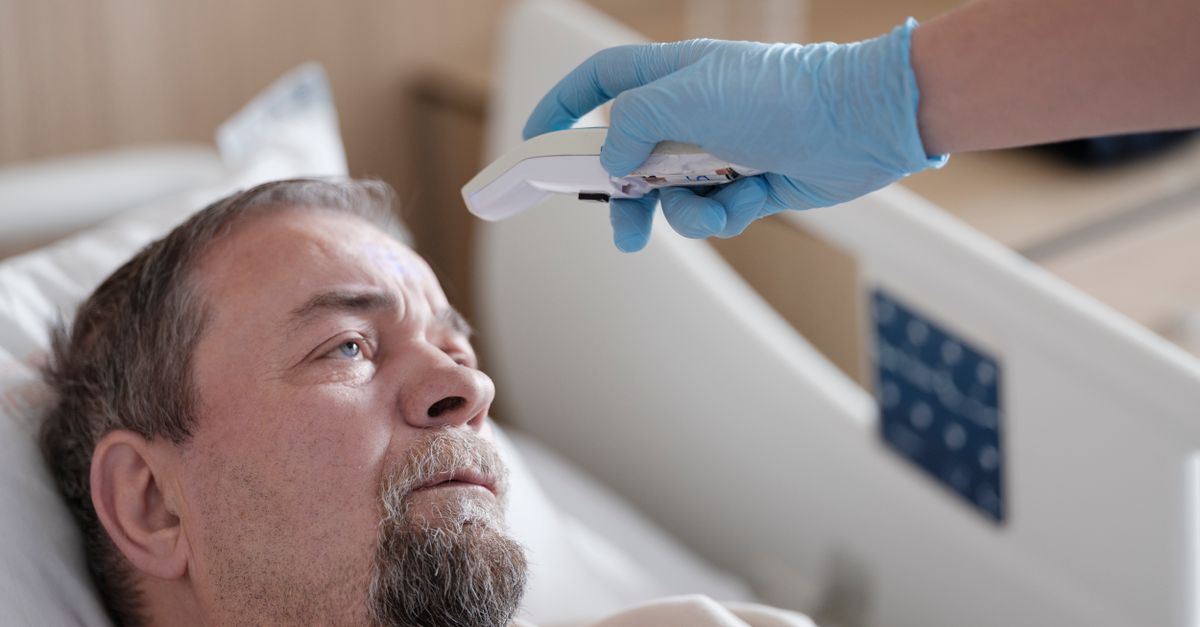
1. Introduction to Psychogenic Temperature Regulation
Yes, acute or chronic psychological stress can cause a low grade fever, a condition clinically referred to as psychogenic fever. This phenomenon occurs when the central nervous system responds to emotional or psychological distress by activating the sympathetic nervous system, which in turn alters the body’s internal thermostat. The resulting elevation in core temperature is a direct physiological response to stress hormones, entirely independent of any viral or bacterial infection.
Understanding the biological mechanisms behind this response is essential for distinguishing it from a standard infectious fever. While a typical fever is a localized immune response designed to neutralize pathogens, a psychogenic fever is a generalized autonomic reaction to perceived threats. Recognizing this mind body connection prevents unnecessary medical anxiety and guides appropriate stress management interventions.
2. The Hypothalamus and Thermoregulation
The human body maintains a strict internal temperature through a complex control center located in the brain, known as the hypothalamus. This neural structure acts as the biological thermostat, continuously receiving sensory data from peripheral nerves and circulating blood. Under normal conditions, the hypothalamus regulates heat production and heat loss to keep the core temperature within a narrow, safe range.
However, the hypothalamus is deeply interconnected with the limbic system, the region of the brain responsible for processing emotions and stress. When the limbic system detects severe psychological distress, it sends distress signals directly to the hypothalamus. This neurological cross talk can cause the thermostat to reset to a slightly higher baseline, producing a measurable low grade fever.
3. The Sympathetic Nervous System Activation
When a person experiences intense stress or anxiety, the brain initiates the fight or flight response via the sympathetic nervous system. This evolutionary survival mechanism prepares the body for immediate physical action by releasing a surge of adrenaline and noradrenaline into the bloodstream. These powerful neurotransmitters induce profound systemic changes.
One of the primary effects of sympathetic activation is widespread vasoconstriction. The blood vessels near the surface of the skin constrict rapidly to shunt blood toward the core organs and skeletal muscles. Because less blood flows to the skin, the body loses its primary method of dissipating heat, causing the internal core temperature to rise and creating the sensation of a fever.
4. The Role of Brown Adipose Tissue
In addition to retaining heat through vasoconstriction, the sympathetic nervous system can actively generate new heat. It achieves this by stimulating a specific type of fat known as brown adipose tissue. Unlike white fat, which simply stores energy, brown fat is densely packed with mitochondria and is designed specifically to burn calories to produce thermal energy.
When adrenaline binds to the receptors on brown adipose tissue, it triggers a process called non shivering thermogenesis. This rapid cellular combustion generates a significant amount of metabolic heat that radiates outward from the core. In cases of severe psychological stress, the overactivation of brown fat directly drives the core temperature upward into a low grade fever range.
5. Differentiating Psychogenic from Infectious Fevers
Clinical assessment relies on distinguishing a stress induced fever from an infectious pathology.
| Feature | Psychogenic Fever | Infectious Fever |
|---|---|---|
| Temperature Profile | Usually low grade, rarely exceeds thirty eight degrees Celsius | Can spike high, often fluctuates dramatically |
| Accompanying Symptoms | Anxiety, rapid heart rate, fatigue | Chills, body aches, respiratory or gastrointestinal signs |
| Response to Medication | Does not respond well to standard antipyretics | Usually drops temporarily with antipyretic drugs |
| Timing | Peaks during active stressful events | Follows the natural course of the viral or bacterial illness |
A psychogenic fever is notoriously resistant to over the counter fever reducing medications, as the underlying mechanism is neurological rather than inflammatory.
6. Acute Stress Responses
In certain individuals, a sudden, traumatic psychological event can trigger an acute psychogenic fever. This is characterized by a rapid spike in body temperature coinciding exactly with the onset of the acute stressor, such as a major professional presentation, a severe argument, or a sudden emotional shock.
During an acute episode, the sympathetic nervous system floods the body with catecholamines. The individual may experience a flushed face, cold hands, and a measurable oral temperature elevation. Once the stressful event concludes and the nervous system begins to calm down, the temperature typically returns to normal within a few hours.
7. Chronic Stress and Sustained Low Grade Fever
Conversely, chronic, unmanaged stress can lead to a sustained, lingering low grade fever that persists for weeks or months. When an individual lives in a constant state of hyperarousal, the hypothalamic pituitary adrenal axis remains continuously activated, pumping a steady stream of cortisol into the systemic circulation.
This chronic neuroendocrine activation creates a new, elevated thermal baseline. The individual feels perpetually warm, fatigued, and physically drained. Because the stress is ongoing, the body never receives the necessary safety signals required to dilate peripheral blood vessels and shed the excess metabolic heat.
8. Cortisol and Inflammatory Cytokines
While psychogenic fevers are generally considered distinct from immune mediated fevers, chronic stress profoundly impacts the immune system. Prolonged elevation of cortisol initially suppresses inflammation but eventually leads to glucocorticoid resistance. The immune cells become desensitized to cortisol and begin to secrete low levels of inflammatory cytokines.
These circulating cytokines, particularly interleukin six, can cross the blood brain barrier and interact with the hypothalamus. This interaction induces a state of mild, chronic neuroinflammation, which further stabilizes the body temperature at a slightly elevated level, blurring the lines between a purely neurological and a mildly inflammatory fever.
9. Age and Demographic Variations
Clinical studies suggest that psychogenic fevers are diagnosed more frequently in younger populations, particularly adolescents and young adults. The developing autonomic nervous system in young people can be highly reactive to academic pressures, social anxieties, and emotional transitions.
However, adults facing severe occupational burnout or complex emotional trauma are also highly susceptible. Individuals with preexisting anxiety disorders or those who score high on somatic symptom scales tend to exhibit a more pronounced thermal response to psychological stress compared to the general population.
10. The Impact of Sleep Disruption
Severe stress is almost universally accompanied by poor sleep architecture and chronic insomnia. Restorative sleep is fundamental for regulating the autonomic nervous system and resetting the body’s internal thermostat. During deep sleep, the core body temperature naturally drops to facilitate cellular repair.
When stress prevents an individual from achieving deep sleep, this necessary thermal reset fails to occur. The individual wakes up with a lingering thermal burden, and the continuous lack of restorative rest compounds the sympathetic hyperactivity, fueling the persistent low grade fever throughout the daytime hours.
11. Diagnostic Approaches to Unexplained Fevers
When a patient presents with a persistent low grade fever, healthcare providers must perform a comprehensive diagnostic workup to rule out hidden infections or autoimmune diseases before diagnosing a psychogenic origin. This involves detailed blood panels, inflammatory markers, and sometimes imaging studies.
Only after infectious, inflammatory, and neoplastic causes have been thoroughly excluded can a diagnosis of psychogenic fever be confidently established. Recognizing the temporal relationship between the onset of the fever and significant life stressors is the most critical component of this clinical evaluation.
12. Differentiating Endocrine Causes
It is vital to distinguish stress induced fevers from underlying endocrine pathologies, most notably hyperthyroidism. An overactive thyroid gland accelerates the basal metabolic rate, causing massive internal heat production, a rapid resting heart rate, and persistent low grade fevers.
Because the symptoms of hyperthyroidism closely mirror severe anxiety, a thyroid stimulating hormone blood test is a mandatory step in the diagnostic process. Correcting thyroid dysfunction resolves the thermal abnormalities, whereas a true psychogenic fever requires interventions targeting the autonomic nervous system.
13. Management via Autonomic Regulation
Because traditional fever reducing medications are ineffective against psychogenic fevers, treatment must focus on downregulating the sympathetic nervous system. Cognitive behavioral therapy is highly effective for identifying stress triggers and restructuring the psychological responses that drive the physiological hyperarousal.
By teaching the brain to interpret environmental stressors differently, the severity of the sympathetic response is minimized. As the perception of threat decreases, the hypothalamus stops receiving the distress signals that mandate an elevated core temperature.
14. Somatic Practices and Vagal Tone
Somatic interventions aim to physically signal safety to the nervous system. Deep, slow diaphragmatic breathing directly stimulates the vagus nerve, which is the primary conduit of the parasympathetic nervous system. Increased vagal tone immediately slows the heart rate and promotes peripheral vasodilation.
As the blood vessels in the skin dilate, the trapped metabolic heat is allowed to radiate into the environment, naturally lowering the core temperature. Regular practices such as yoga, progressive muscle relaxation, and mindfulness meditation build long term autonomic resilience, preventing future temperature spikes.
15. When to Seek Medical Evaluation
While a transient stress fever is benign, a persistent fever should always prompt a medical consultation. If the elevated temperature is accompanied by unintended weight loss, severe lethargy, or drenching night sweats, it mandates immediate clinical investigation to rule out chronic infections or lymphatic disorders. Securing an accurate medical evaluation ensures that a pathological condition is not mistakenly attributed solely to psychological stress.
16. Frequently Asked Questions FAQ
1. What temperature is considered a low grade psychogenic fever?
A psychogenic fever typically falls within the range of thirty seven point five to thirty eight degrees Celsius. It rarely spikes higher than thirty eight degrees, distinguishing it from more severe infectious fevers.
2. Why do painkillers like ibuprofen not lower a stress fever?
Medications like ibuprofen work by blocking prostaglandins, the inflammatory chemicals that cause infectious fevers. Because psychogenic fevers are caused by neurological stress signals and brown fat activation, not prostaglandins, these medications are ineffective.
3. Can anxiety cause you to feel hot even without a thermometer reading a fever?
Yes. Anxiety causes rapid peripheral vasoconstriction followed by adrenaline induced sweating. This massive fluctuation in blood flow makes your skin feel incredibly hot and flushed, even if your actual core body temperature remains entirely normal.
4. How long can a stress induced fever last?
An acute stress fever may last only a few hours during a panic inducing event. However, if the psychological stress is chronic and unrelenting, the low grade fever can persist daily for weeks or even months until the underlying stress is managed.
5. Does crying help relieve a psychogenic fever?
Crying is a profound biological release mechanism that signals the end of a stress cycle and activates the parasympathetic nervous system. This relaxation response promotes vasodilation, which can help shed trapped body heat and lower a stress fever.
Bibliography
Disclaimer: The content is for informational purposes only and does not replace medical advice. Always consult your doctor for personalized treatment.