1. Introduction to Surface Mold and Indoor Health
The presence of mold on residential surfaces represents a well-documented hazard to human health. When fungal colonies establish themselves on walls, window sills, or bathroom tiles, they continuously release microscopic spores and volatile organic compounds into the indoor air. This environmental contamination acts as a potent trigger for a variety of respiratory and dermatological conditions.
Surface mold thrives in microclimates characterized by elevated humidity, inadequate ventilation, and the presence of organic substrates. Building materials such as drywall, wood, and certain paints provide the necessary cellulose for fungal nourishment. Once established, these colonies can proliferate rapidly, transforming a localized moisture problem into a systemic reduction in indoor air quality.
Clinical management of mold-related illness requires a dual approach. Healthcare providers must treat the acute immunological and inflammatory symptoms presented by the patient, while simultaneously directing the patient toward aggressive environmental remediation to eliminate the source of exposure.
2. Biological Mechanisms of Fungal Proliferation
Fungi reproduce by releasing microscopic spores into the surrounding environment. These spores remain dormant in the air or on dust particles until they encounter favorable conditions for germination. The primary catalyst for fungal growth is sustained moisture. When a surface remains damp for more than forty-eight hours, deposited spores begin to extend thread-like structures called hyphae.
These hyphae secrete digestive enzymes that break down the underlying material, allowing the fungus to extract necessary nutrients. As the colony matures, it forms a visible mass known as a mycelium. The color and texture of this mass vary depending on the specific fungal species, ranging from powdery white patches to dense, black clusters.
The continuous cycle of sporulation and colonization ensures that surface mold will steadily expand its territory as long as the moisture source remains unchecked. Understanding this biological imperative helps clinicians explain the necessity of prompt remediation to affected patients.
3. Common Indoor Fungal Species
Several distinct genera of fungi frequently colonize residential surfaces. Cladosporium is one of the most ubiquitous indoor molds, frequently found on window frames and painted surfaces where condensation accumulates. It often presents as olive-green or black spotting and is a recognized trigger for allergic rhinitis.
Penicillium and Aspergillus species are also highly prevalent. They tend to prefer materials that have sustained significant water damage, such as wallpaper or drywall. These species are particularly concerning due to their prolific spore production and their potential to synthesize mycotoxins under specific environmental stressors.
Stachybotrys chartarum, frequently referred to in public discourse as black mold, requires consistently saturated cellulose materials to thrive. While less common than Cladosporium, its presence indicates a severe, chronic moisture intrusion and carries a higher risk of toxicological exposure.
4. Routes of Human Exposure
Occupants of a mold-contaminated residence are exposed to fungal elements through multiple pathways. Inhalation is the most clinically significant route. Microscopic spores easily bypass the upper respiratory defenses and settle deep within the terminal bronchioles.
Direct dermal contact with contaminated surfaces presents another route of exposure. Touching moldy walls or handling contaminated household items can transfer fungal fragments and chemical irritants directly to the epidermis, provoking localized cutaneous reactions.
A less common but possible route is incidental ingestion. Spores settling on food preparation surfaces or directly onto unprotected food items can introduce fungal antigens into the gastrointestinal tract, leading to localized inflammation.
5. Immunological Hypersensitivity and Allergies
The most frequent clinical consequence of surface mold exposure is an allergic response mediated by the immune system. In atopic individuals, the inhalation of fungal proteins stimulates the production of specific Immunoglobulin E antibodies. These antibodies bind to mast cells residing in the respiratory mucosa.
Subsequent inhalation of mold spores causes these bound antibodies to cross-link, triggering the immediate degranulation of the mast cells. This process releases a surge of inflammatory mediators, including histamine and leukotrienes, into the surrounding tissue.
Patients typically present with symptoms characteristic of allergic rhinitis, including persistent rhinorrhea, sneezing, nasal congestion, and pruritus of the eyes and throat. These symptoms often exhibit a temporal relationship, worsening when the patient is inside the contaminated residence.
6. Asthma Exacerbation and Airway Hyperresponsiveness
For patients with a pre-existing diagnosis of asthma, surface mold acts as a potent environmental trigger. The inflammatory cascade initiated by fungal antigens leads to immediate bronchoconstriction and swelling of the airway linings. This narrows the bronchial passages, resulting in wheezing, chest tightness, and dyspnea.
Chronic exposure to indoor mold can also induce a state of airway hyperresponsiveness in previously non-asthmatic individuals. The persistent low-grade inflammation damages the respiratory epithelium, rendering the airways abnormally sensitive to other benign environmental stimuli, such as cold air or exercise.
Effective management of asthma in these patients relies heavily on identifying and eliminating the environmental trigger, as escalating pharmacological interventions will provide only temporary relief if the fungal exposure continues.
7. Dermatological Manifestations
Direct contact with mold colonies or the settling of airborne spores onto the skin can provoke distinct dermatological reactions. Allergic contact dermatitis presents as intensely pruritic, erythematous patches localized to areas of the body that touched the contaminated surface.
Patients with compromised skin barriers, such as those suffering from atopic dermatitis, are particularly vulnerable. The fungal enzymes can further degrade the epidermal barrier, exacerbating existing skin lesions and increasing the risk of secondary bacterial infections.
Furthermore, certain fungal species can produce chemical irritants that cause irritant contact dermatitis, a non-immunological inflammatory reaction that damages the superficial epidermal layers directly upon contact.
8. Toxicological Impacts of Mycotoxins
Certain molds, particularly Stachybotrys chartarum and some Aspergillus species, produce secondary metabolites known as mycotoxins. These chemical compounds are carried on the surface of spores and fungal fragments. When inhaled or absorbed, mycotoxins can exert direct cytotoxic effects on human tissues.
The clinical presentation of mycotoxin exposure is complex and often controversial within the medical community. Symptoms attributed to toxic mold exposure include profound fatigue, cognitive impairment, chronic headaches, and mucosal irritation.
While the exact dose-response relationship for inhaled mycotoxins in a residential setting remains an active area of toxicological research, clinicians must consider the potential for systemic effects when evaluating patients from heavily contaminated environments.
9. Risks for Immunocompromised Populations
Healthy immune systems are generally capable of clearing inhaled mold spores without developing an invasive infection. However, patients with compromised immune function face severe, life-threatening risks from environmental fungal exposure.
Individuals undergoing chemotherapy, patients with advanced human immunodeficiency virus, and recipients of organ transplants lack the robust cellular immunity necessary to combat fungal invaders. In these populations, ubiquitous environmental molds like Aspergillus can colonize the respiratory tract and aggressively invade lung tissue.
This condition, known as invasive pulmonary aspergillosis, requires immediate hospitalization and intensive systemic antifungal therapy. For such patients, maintaining a pristine, mold-free living environment is an absolute medical necessity.
10. Diagnostic Approach to Mold Exposure
Diagnosing health issues related to surface mold relies heavily on a detailed clinical and environmental history. Physicians must inquire about water leaks, visible mold, or musty odors in the patient’s home or workplace. Observing the temporal pattern of symptoms, particularly improvement when away from the residence, provides strong diagnostic clues.
Allergy testing, either through skin prick assays or specific serum Immunoglobulin E panels, can confirm sensitization to common indoor fungi. These tests help differentiate mold-induced allergies from other environmental triggers like dust mites or animal dander.
Pulmonary function tests are utilized to assess the degree of airway obstruction in patients presenting with lower respiratory symptoms, guiding the prescription of appropriate bronchodilator therapies.
11. Differential Diagnosis
The symptoms of residential mold exposure are non-specific and mimic numerous other common medical conditions. Allergic rhinitis caused by mold can be clinically indistinguishable from seasonal pollen allergies or chronic sinusitis of bacterial origin.
Systemic symptoms such as fatigue and cognitive dulling must be carefully evaluated to rule out endocrine disorders, chronic viral infections, or primary sleep disorders.
Furthermore, clinicians must consider other sources of indoor air pollution. High concentrations of volatile organic compounds from new furniture, inadequate ventilation of combustion appliances, or the presence of secondhand smoke can produce a similar constellation of respiratory and systemic symptoms.
12. Medical Management Strategies
Medical treatment aims to control the inflammatory response and alleviate symptoms. For allergic manifestations, second-generation oral antihistamines provide relief from pruritus and rhinorrhea without causing significant sedation.
Intranasal corticosteroids are highly effective at suppressing localized mucosal inflammation and are the preferred maintenance therapy for chronic nasal symptoms. For asthmatic patients, inhaled corticosteroids combined with long-acting beta-agonists are required to maintain airway patency and prevent severe exacerbations.
CRITICAL WARNING: Systemic antifungal medications are strictly reserved for documented invasive fungal infections in immunocompromised patients. They are not indicated for the treatment of typical allergic or toxic reactions to residential mold and carry a high risk of hepatotoxicity.
13. Principles of Environmental Remediation
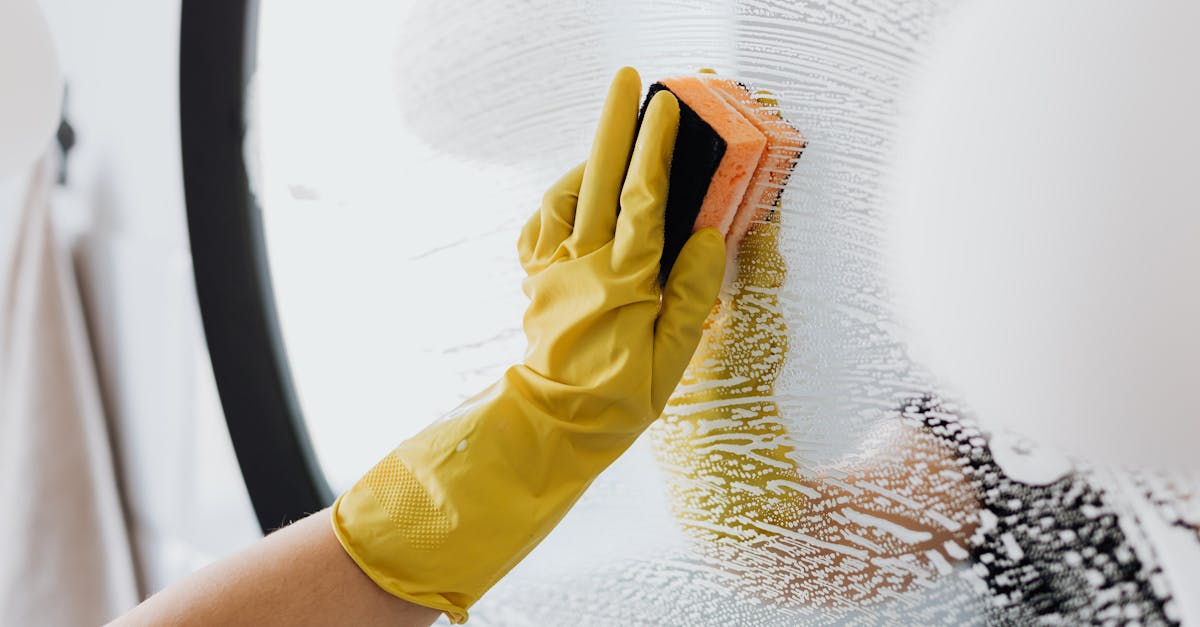
The cornerstone of treating mold-related illness is the complete eradication of the environmental source. Remediation involves physically removing the mold colonies and correcting the underlying moisture problem. Small areas of superficial mold on non-porous surfaces, such as bathroom tiles, can often be cleaned with simple detergent solutions.
However, extensive contamination requires professional intervention. Attempting to clean large areas of mold, particularly on porous materials like drywall, often aerosolizes massive quantities of spores, drastically worsening the indoor air quality and posing an acute health risk to the occupant.
Professional remediation teams utilize negative air pressure containment and high-efficiency particulate air filtration to ensure spores do not spread to unaffected areas of the residence during the removal process.
14. Long-term Prevention and Moisture Control
Preventing the recurrence of surface mold requires vigilant moisture management within the residence. The relative humidity indoors should be maintained between thirty and fifty percent. Dehumidifiers are essential tools in damp basements or during highly humid seasons.
Adequate ventilation is critical in areas prone to moisture generation, particularly kitchens and bathrooms. Exhaust fans must vent directly to the exterior of the building, not into attics or crawlspaces.
Prompt maintenance is required for any plumbing leaks, roof damage, or condensation issues. Any water intrusion must be thoroughly dried within forty-eight hours to prevent the germination of dormant fungal spores.
15. Frequently Asked Questions (FAQ)
1. Can cleaning mold with bleach stop it from coming back?
Bleach can remove the visible pigment of mold on non-porous surfaces, but it does not address the underlying moisture problem. On porous surfaces like drywall, bleach is ineffective at killing the deep-rooted hyphae, and the mold will return.
2. How do I know if the mold in my bathroom is toxic?
The color of the mold does not indicate its toxicity. Any mold growing indoors is a potential health hazard because it releases spores and allergens. It must be safely removed regardless of its species.
3. Can living with mold cause a persistent cough?
Yes. Inhaling mold spores triggers inflammation in the respiratory tract. This can lead to post-nasal drip, bronchial irritation, and a chronic, dry cough that persists as long as you remain exposed to the environment.
4. Should I use an ozone generator to kill mold spores in the air?
No. Ozone is a highly reactive gas that damages human lung tissue. It is not recommended by medical or environmental authorities for routine mold remediation, as it poses a severe respiratory hazard.
5. Are air purifiers effective against surface mold?
Air purifiers equipped with high-efficiency particulate air filters can reduce the number of airborne spores, providing temporary symptomatic relief. However, they do not kill the mold colonies growing on surfaces, which must be physically removed.
16. Bibliography
Disclaimer: The content is for informational purposes only and does not replace medical advice. Always consult your doctor for personalized treatment.