
1. Introduction
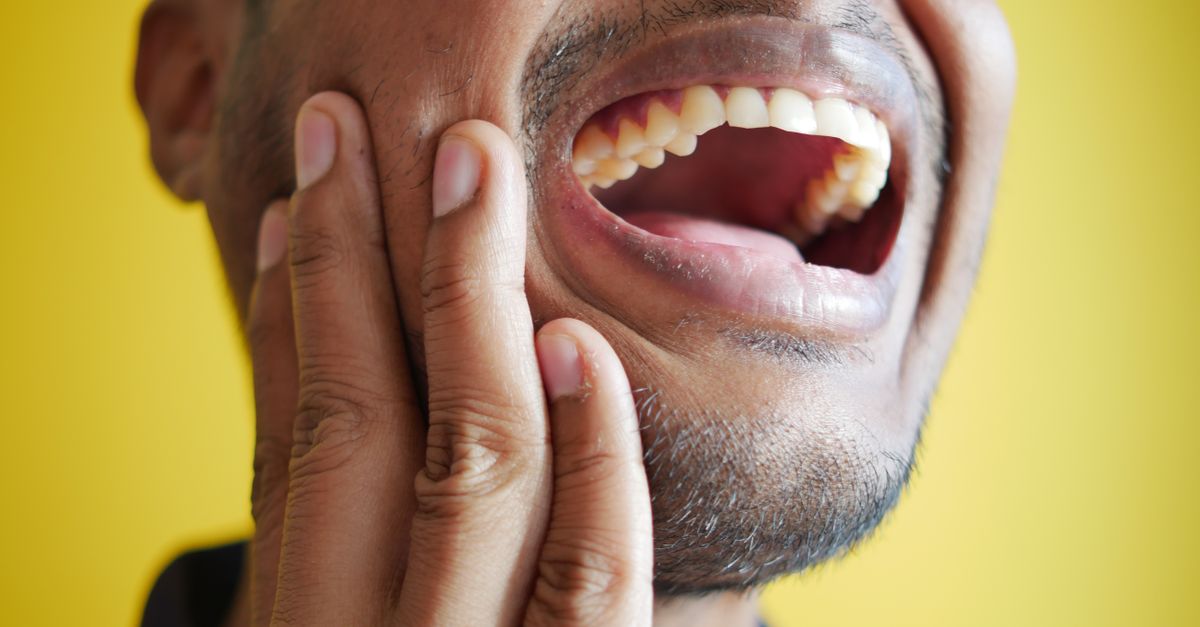
Severe tooth pain resulting from clenching during auditory overload is caused by immense barometric pressure applied directly to the periodontal ligaments, which anchor the teeth to the jawbone. When the nervous system is overwhelmed by intense or chaotic auditory stimuli, it instinctively triggers a defensive physical bracing throughout the body. This reflex commonly manifests as severe, involuntary jaw clenching, known as bruxism.
The human jaw muscles are capable of exerting hundreds of pounds of force. During a state of sensory panic, these muscles contract with maximum intensity. This crushing pressure traumatizes the delicate root apex of each tooth, triggering acute inflammatory pain in the dental nerves.
To understand why a sound can cause profound dental pain, it is necessary to examine the neurological connection between sensory processing and motor reflexes, as well as the microscopic anatomy of the dental support structures.
2. Anatomy of the Periodontium
Teeth are not rigidly fused to the jawbone. Instead, they are suspended in their bony sockets by a complex, shock-absorbing hammock called the periodontal ligament. This ligament is a dense network of collagen fibers and blood vessels.
The periodontal ligament is exceptionally rich in mechanoreceptors and nociceptors, which are nerves that detect pressure and pain. These nerves provide precise feedback to the brain about how hard the teeth are biting together.
Under normal chewing conditions, the periodontal ligament acts as a cushion, allowing the tooth to micro-move within the socket. However, it is not designed to withstand continuous, extreme isometric pressure without suffering tissue damage.
3. Neurological Response to Auditory Overload
Auditory overload occurs when the brain is unable to properly filter, process, or integrate sound input. For individuals with sensory processing differences, a loud environment or overlapping conversations act as an assault on the central nervous system.
The amygdala immediately perceives this auditory chaos as a physical threat, bypassing logical thought and activating the sympathetic nervous system. The body prepares for an imminent impact by initiating the fight-or-flight response.
A universal human reflex during the fight-or-flight response is to brace the core, protect the neck, and firmly clamp the jaw shut. This reflex stabilizes the head in anticipation of trauma, operating entirely on a subconscious level.
4. The Mechanics of Involuntary Clenching
The muscles responsible for closing the jaw, primarily the masseter and temporalis muscles, are incredibly powerful. When activated by the sympathetic nervous system, they fire simultaneously and continuously.
This involuntary clenching locks the upper and lower teeth together with a force that far exceeds the pressure utilized during normal chewing. Furthermore, normal chewing involves rhythmic resting phases, while stress clenching is sustained.
The individual may be entirely unaware of the clenching while their cognitive focus is consumed by managing the overwhelming auditory environment. The physical pain often only registers after the individual escapes the stressful environment and the adrenaline levels drop.
5. Periodontal Ligament Trauma
When extreme, sustained force is applied to the teeth, the periodontal ligament is crushed between the hard root of the tooth and the rigid bone of the socket. The microscopic blood vessels within the ligament are compressed, causing localized ischemia.
This mechanical crushing causes physical trauma to the ligament fibers. The body responds to this tissue damage by initiating an inflammatory response, sending fluid and immune cells into the confined space of the tooth socket.
Because the socket is made of unyielding bone, the swelling increases the barometric pressure against the root of the tooth. This pressure pushes the tooth slightly out of the socket, making it hyper-sensitive to even the slightest touch.
6. Dental Nerve Sensitization
Inside the center of every tooth lies the dental pulp, a chamber containing the blood supply and the primary dental nerve. This nerve exits the tooth through a tiny hole at the tip of the root, known as the apical foramen.
The severe pressure from clenching and the subsequent inflammation of the periodontal ligament directly compress the apical foramen. This pinches the nerve entering the tooth.
The pinched nerve becomes highly sensitized and begins firing continuous pain signals. The pain is typically described as a deep, severe, throbbing ache that affects multiple teeth simultaneously, reflecting the systemic nature of the jaw clenching.
7. Micro-Trauma to Dental Enamel
Enamel is the hardest substance in the human body, but it is brittle. Sustained clenching forces the cusps of the teeth to grind against one another under extreme pressure.
This force can cause microscopic stress fractures within the enamel. These micro-fractures allow temperature variations and oral fluids to penetrate deeper into the dentin, the sensitive layer just beneath the enamel.
As a result, the individual may experience sharp, shooting pain when drinking cold water or breathing in cold air in the hours or days following a severe episode of sensory-induced clenching.
8. Inflammatory Mediators in the Jaw
The sustained muscle contraction of the masseter and temporalis muscles inevitably leads to muscle fatigue and the accumulation of lactic acid and inflammatory mediators.
These chemicals irritate the muscle tissue, leading to myofascial pain that radiates throughout the face and jawline. This muscular pain often blends with the acute dental pain, creating a widespread, severe ache that is difficult to localize.
Managing the inflammatory cascade in the surrounding musculature is crucial for alleviating the pressure on the underlying teeth. For further insights on how muscle tension affects the facial structures, see our article on jaw pain causes.
9. Temporomandibular Joint Secondary Strain
The temporomandibular joint (TMJ) acts as the hinge for the jaw. While the teeth bear the vertical load of clenching, the TMJ bears the structural strain.
Severe clenching compresses the protective articular disc within the joint. If the clenching is chronic, this disc can become inflamed or displaced, adding sharp, localized joint pain near the ear to the overall symptom presentation.
If the individual experiences a clicking or popping sound when opening their mouth after an episode of overload, it indicates that the joint structures have been physically compromised by the intense muscle force.
10. The Link Between Sensory Processing and Bruxism
Bruxism is highly prevalent in neurodivergent populations and those with anxiety disorders. It serves as a somatic outlet for profound neurological distress.
Clenching the jaw provides deep proprioceptive feedback to the brain. This intense physical sensation temporarily competes with and overrides the chaotic auditory input, offering a maladaptive form of self-soothing.
Therapeutic approaches must respect that the clenching is not merely a bad habit, but a physiological coping mechanism for an overloaded nervous system.
11. Diagnostic Dental Evaluations
When severe tooth pain occurs without obvious decay, a dental professional must evaluate the periodontium to confirm that the pain is stress-induced and rule out abscesses or fractures.
| Diagnostic Evaluation | Purpose of the Test |
|---|---|
| Percussion Testing | Tapping lightly on the tooth; severe pain indicates an inflamed periodontal ligament. |
| Bite Articulation Check | Using colored paper to see if certain teeth are hitting prematurely during clenching. |
| Periapical Radiography | X-rays to rule out root fractures or infections at the apex of the tooth. |
| Muscle Palpation | Pressing the masseter muscles to check for hypertrophy and trigger points. |
A correct diagnosis ensures that healthy teeth are not unnecessarily subjected to root canals or extractions due to referred pain from muscle tension.
12. Sensory Regulation Strategies
Preventing dental trauma requires addressing the root cause: auditory overload. Proactive sensory management is the most effective defense. Utilizing noise-canceling headphones or high-fidelity earplugs in predictably loud environments reduces the neurological trigger.
Practicing interoception—the awareness of internal bodily sensations—can help the individual recognize when their jaw is tightening before it reaches maximum force.
Once recognized, intentionally placing the tip of the tongue on the roof of the mouth just behind the front teeth forces the jaw muscles to relax and prevents the upper and lower teeth from engaging.
13. Restorative Dental Appliances
For individuals who cannot consciously control their clenching, particularly during unavoidable sensory triggers, a custom occlusal splint (night guard or day guard) is a clinical necessity.
A rigid acrylic splint does not stop the muscles from firing, but it evenly distributes the crushing force across all teeth simultaneously. This prevents any single tooth from absorbing the trauma and protects the enamel from micro-fractures.
The appliance also slightly increases the vertical dimension of the bite, which alters the mechanical advantage of the jaw muscles, reducing the total force they can generate.
14. When to Consult a Dental Professional
Immediate dental evaluation is required if a tooth becomes visibly cracked, feels distinctly loose in the socket, or if the pain transitions into a continuous, severe throbbing that wakes the individual from sleep.
Pain accompanied by facial swelling, a fever, or a pimple-like bump on the gums indicates a bacterial abscess, which is a medical emergency requiring antibiotics and root canal therapy.
Regular dental checkups allow a clinician to monitor the enamel for premature wear facets, ensuring that protective interventions are implemented before irreversible damage occurs.
15. Frequently Asked Questions FAQ
1. Can clenching my teeth really cause pain as bad as a cavity?
Yes. Clenching crushes the ligament holding the tooth in the bone. The resulting inflammation pinches the nerve at the root of the tooth, causing severe, throbbing pain that can mimic a deep cavity or an infected root.
2. Why do all my teeth hurt instead of just one?
Because the masseter muscles pull the entire jaw shut forcefully, the barometric pressure is applied to the entire dental arch simultaneously. The whole periodontal network becomes inflamed, causing widespread, generalized pain.
3. Will taking ibuprofen help my teeth stop hurting?
Ibuprofen is a nonsteroidal anti-inflammatory drug. It is highly effective at reducing the swelling in the periodontal ligaments and the muscle tissues, which will relieve the pressure on the dental nerves.
4. Can I wear a sports mouthguard to stop the pain?
Soft sports guards are not recommended for severe clenching. The soft, chewy material actually encourages the jaw muscles to bite down harder, which can increase muscle fatigue and joint pain. A hard, custom acrylic splint is required.
5. How long does the pain last after the auditory overload stops?
Once the clenching stops, the bruised periodontal ligaments take time to heal. The teeth may remain sensitive to pressure and chewing for several days until the localized inflammation fully subsides.
16. Bibliography
Disclaimer: The content is for informational purposes only and does not replace medical advice. Always consult your doctor for personalized treatment.