1. Introduction
Tingling in the legs after sitting on the toilet for too long is caused by the firm, ring-like structure of the seat compressing the sciatic nerve and restricting blood vessels at the back of the thighs. The lack of central support beneath the pelvis, combined with a forward-leaning posture often adopted while reading, concentrates the entire weight of the upper body directly onto the posterior thigh tissues. This prolonged mechanical pressure temporarily interrupts normal electrical nerve conduction and capillary blood flow, a state known as transient paresthesia. The brain interprets this temporary sensory disruption as a prickly, pins-and-needles sensation.
The human body is biomechanically engineered to withstand sitting on flat, supportive surfaces where weight is distributed evenly across the large gluteal muscles and the ischial tuberosities, or “sit bones.” However, modern bathroom fixtures completely alter this weight distribution. The hollow center of a toilet seat forces the mechanical load outward, directly onto the soft tissues of the posterior thigh.
These tissues harbor major neurovascular bundles that run down the back of the leg to supply the calves and feet. When these structures are squeezed between the rigid seat and the femur bone for an extended period, their physiological function is abruptly halted.
Recognizing the exact anatomical pathways involved and the physical mechanisms of compression is vital. Understanding this process demystifies the uncomfortable sensation and highlights the importance of minimizing prolonged, static postures in ergonomically unsupportive environments.
2. Anatomy of the Posterior Thigh and Sciatic Nerve
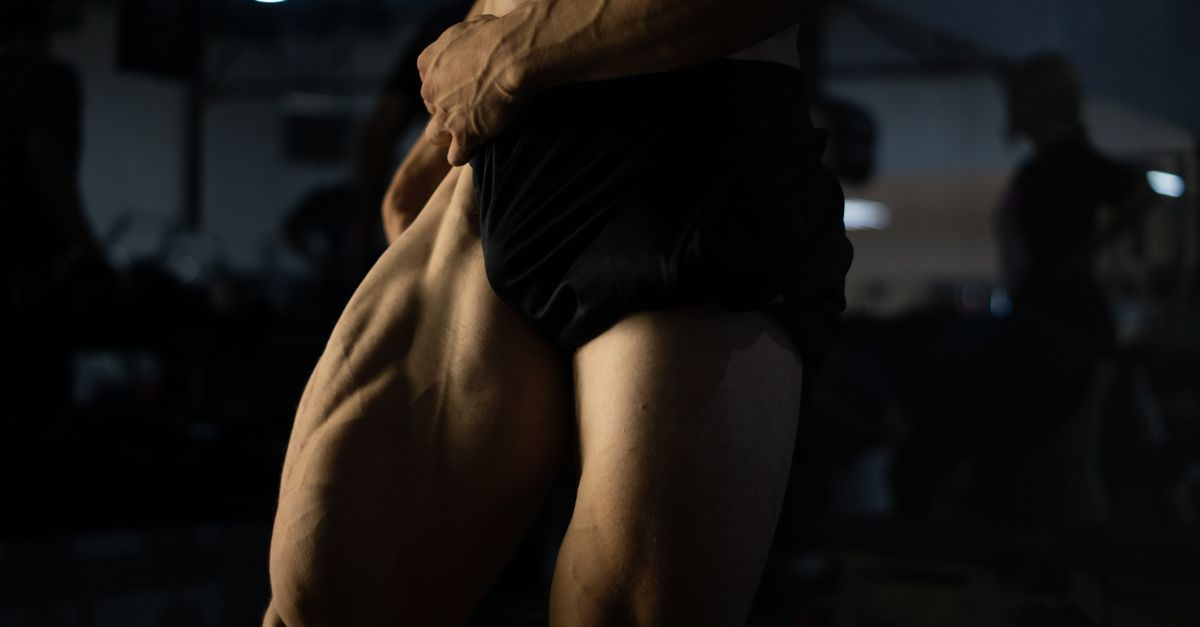
To comprehend the tingling sensation, one must first examine the anatomy of the posterior thigh. The most critical structure in this region is the sciatic nerve. It is the longest and thickest nerve in the human body, originating from the lower lumbar and sacral spine, passing deep through the gluteal muscles, and traveling down the center of the back of each thigh.
The sciatic nerve is an immense bundle of sensory and motor fibers. It is responsible for transmitting commands to most of the muscles in the lower legs and feet, and for carrying sensory information from these areas back to the central nervous system.
Alongside the sciatic nerve run critical blood vessels, including the branches of the deep artery of the thigh. These vessels provide the essential oxygen and nutrients required by the nerve cells to generate action potentials.
When sitting on a standard, flat chair, the sciatic nerve is protected deep within the thick hamstrings and gluteal muscles. However, the unique shape of a toilet seat bypasses this muscular padding, applying direct, upward pressure into the exact anatomical pathway where the nerve is most vulnerable to compression.
3. The Ergonomics of Modern Toilet Seats
The modern toilet seat is essentially a rigid ring designed for sanitation and waste disposal, not for ergonomic comfort or prolonged sitting. Its geometry inherently contradicts the natural anatomical support requirements of the human pelvis.
When you sit on a flat chair, the ischial tuberosities—the bony prominences at the base of the pelvis—bear the majority of the weight. The flat surface distributes the remaining load across a wide surface area of muscle and fat.
On a toilet, the center is absent. The pelvis sinks into the opening, and the ischial tuberosities often lack solid support. Consequently, the weight of the torso is displaced outward and forward onto the mid-thighs.
The curved, hard plastic or ceramic edge of the seat acts as a narrow pressure point. It presses deeply into the hamstring muscles, creating a localized tourniquet effect. This focused pressure is the mechanical catalyst for the physiological cascade that results in the legs falling asleep.
4. Compression Neuropathy in the Lower Extremities
The physical squeezing of the sciatic nerve by the edge of the seat is a form of acute compression neuropathy. Nerves operate precisely because their internal structure of myelin sheaths and axons is perfectly aligned to conduct electrical impulses at high speeds.
When external mechanical pressure deforms the nerve, it physically pinches these pathways. The larger sensory fibers, which carry the sensation of light touch and proprioception (spatial awareness), are typically the most sensitive to mechanical deformation.
As these fibers are compressed, their ability to transmit signals to the brain is blocked. The brain, receiving a sudden drop in sensory data from the legs and feet, interprets this lack of input as numbness.
This compression is purely mechanical and positional. The nerve is not being permanently crushed or severed; it is merely being clamped shut, much like stepping on a garden hose stops the flow of water. As long as the pressure is relieved in a timely manner, the nerve structure remains healthy.
5. Blood Flow Restriction and Capillary Closure
While the mechanical pinching of the nerve is significant, the restriction of blood flow, or localized ischemia, is equally responsible for the rapid onset of numbness. Nerves are highly metabolically active tissues; they require a constant supply of oxygenated blood delivered by tiny vessels called the vasa nervorum.
The hard edge of the seat not only compresses the nerve but also collapses these delicate capillaries. When the blood supply is cut off, the nerve cells rapidly deplete their local oxygen and glucose reserves.
Without adequate energy, the cellular pumps that maintain the electrical balance across the nerve cell membranes fail. The nerve essentially powers down, unable to generate or transmit action potentials.
This ischemic effect compounds the mechanical pinch. The combination of structural deformation and acute starvation ensures that the sensory signals from the lower extremities are completely halted, leading to the profound, heavy numbness experienced during prolonged sitting.
6. The Physiology of Paresthesia
The clinical term for the tingling, pins-and-needles sensation is paresthesia. Interestingly, this uncomfortable sensation does not typically occur while the nerve is fully compressed; it occurs primarily during the recovery phase, immediately after you stand up.
When you stand, the pressure on the back of the thighs is released. The collapsed blood vessels instantly open, and a rush of fresh, oxygenated blood floods back into the ischemic nerve tissue—a process called reperfusion.
Concurrently, the physical deformation of the nerve fibers is removed. The starved and compressed nerve cells, suddenly revived by oxygen, begin to fire rapidly and erratically.
Instead of sending organized, coherent sensory signals, the recovering nerve sends a chaotic barrage of electrical static to the brain. The brain struggles to interpret this disorganized flood of information, translating it into the sharp, prickly, sometimes burning sensation recognized as pins and needles.
7. Postural Impact: The Forward Lean
The posture assumed while sitting on the toilet heavily influences how quickly the legs go numb. When people read, scroll on their phones, or use a tablet, they naturally tend to lean their torso forward, resting their elbows on their knees.
This forward-leaning posture radically alters the mechanics of the sitting position. By leaning forward, the center of gravity shifts anteriorly. The weight is lifted almost entirely off the glutes and the back of the pelvis, and the entire load is concentrated directly onto the middle of the posterior thighs—exactly where they cross the hard edge of the seat.
This posture maximizes the pressure applied to the sciatic nerve. It increases the tourniquet effect on the blood vessels and stretches the nerve simultaneously.
Sitting in a strictly upright position allows the weight to be distributed slightly more evenly toward the back of the seat, delaying the onset of compression, though the fundamental ergonomic flaw of the ring seat remains.
8. Differentiating Transient Tingling from Pathological Conditions
It is essential to distinguish the benign tingling caused by toilet sitting from underlying pathological conditions that affect the nervous system.
| Characteristic | Transient Paresthesia (Toilet Sitting) | Pathological Neuropathy (e.g., Sciatica) |
|---|---|---|
| Trigger | Specific static posture; pressure on thighs. | Movement, bending, or unprovoked constant pain. |
| Onset | Gradual onset after 10+ minutes of sitting. | Can be sudden, sharp, or chronically present. |
| Resolution | Resolves completely within minutes of standing. | Pain or tingling persists regardless of posture. |
| Sensation Type | Numbness followed by transient pins/needles. | Often involves shooting electrical pain down the leg. |
If the tingling in the legs is strictly associated with prolonged sitting on a hard edge and disappears completely upon movement, it is a normal physiological response. However, if tingling persists, involves sharp shooting pain down the back of the leg, or occurs without a positional trigger, it warrants clinical evaluation.
9. The Recovery Phase: Restoring Signal and Flow
When you stand up after a prolonged bathroom session, the recovery phase begins immediately. It is crucial to manage this phase carefully, as the lower extremities temporarily lack accurate sensory feedback and motor control.
Because the proprioceptive signals (which tell your brain where your feet are in space) are temporarily blocked, walking immediately can result in a loss of balance or an accidental ankle sprain. The foot may feel like a “dead block” attached to the end of the leg.
The tingling sensation, while intensely uncomfortable, is a positive biological sign. It confirms that the neural pathways are intact and that normal metabolic function is returning to the nerve cells.
Gentle movement, such as shifting weight from one foot to the other or lightly massaging the thighs, helps promote blood circulation and speeds up the clearance of metabolic waste products from the nerve tissue, shortening the duration of the paresthesia.
10. Risks of Prolonged Bathroom Sitting
Beyond the temporary discomfort of pins and needles, prolonged sitting on the toilet poses more significant risks, primarily related to the vascular system of the pelvic floor and rectum.
The shape of the seat allows the pelvic floor muscles to relax and sink downward into the bowl. When a person sits for extended periods—often exceeding fifteen to twenty minutes while reading or using a smartphone—the gravitational pooling of blood in the pelvic region increases significantly.
This prolonged venous congestion places immense pressure on the delicate veins of the rectum and anus. Over time, this chronic pressure is a primary contributing factor to the development of hemorrhoids, which are swollen, inflamed veins that can cause pain, itching, and bleeding.
Therefore, the tingling in the legs should be viewed as a helpful biological timer. When the legs begin to feel numb, it is a clear neurological signal that the body has been in this anatomically stressful position for too long and that standing up is necessary for overall vascular health.
11. Biomechanical Strategies for Better Posture
For individuals who occasionally find themselves sitting longer than intended, adjusting body mechanics can delay the onset of nerve compression. The primary goal is to shift weight off the back of the thighs and back onto the pelvis.
Sitting upright with a straight spine is highly recommended. This prevents the forward shift of body weight that drastically increases pressure on the sciatic nerve. If leaning is necessary, slightly shifting the weight from side to side occasionally can briefly relieve the continuous pressure on the capillaries, allowing for intermittent blood flow.
Using a small footstool, similar to those used to optimize bowel posture (by elevating the knees above the hips), can also alter the angle of the thighs. Elevating the feet slightly shifts the pressure away from the mid-thigh and closer to the gluteal fold, which has more muscular padding to protect the nerve.
However, these biomechanical adjustments are mere mitigations; they do not eliminate the fundamental issue of the rigid seat edge.
12. Modifying the Environment and Seat Design
If tingling legs occur rapidly or frequently, altering the physical environment can provide substantial relief. The hardness and shape of the toilet seat directly dictate the severity of the compression.
Replacing a standard hard plastic or wooden seat with a padded, cushioned toilet seat significantly increases the surface area that bears the weight. The foam compresses and molds to the shape of the thighs, diffusing the focused pressure over a wider area and reducing the tourniquet effect on the nerves and blood vessels.
Some modern ergonomic seat designs feature a broader, flatter surface toward the rear, aiming to provide more support to the ischial tuberosities and mimic the mechanics of a standard chair.
While padded seats are highly effective for reducing nerve compression, they require more diligent cleaning and maintenance for hygienic purposes. Nevertheless, for individuals highly sensitive to mechanical pressure, they offer a practical, immediate solution.
13. Pelvic Floor and Vascular Considerations
The interconnectedness of the lower body’s vascular and neurological systems means that prolonged toilet sitting affects more than just the legs. The venous return from the lower extremities must travel up through the pelvis back to the heart.
When the posterior thighs are compressed by the seat, the veins returning blood from the calves are partially occluded. This contributes to blood pooling in the lower legs, which can cause mild swelling and a feeling of heaviness.
Simultaneously, the open nature of the seat places the pelvic floor under passive gravitational strain. Individuals with pre-existing pelvic floor dysfunction or chronic venous insufficiency in the legs are particularly vulnerable to the compounding effects of this specific static posture.
Health professionals strongly advise treating the bathroom strictly as a place for physiological functions, aiming to limit the duration of a visit to under five to ten minutes, thereby avoiding both lower extremity paresthesia and pelvic vascular strain.
14. Recognizing Signs of Chronic Sciatica
It is vital to recognize when tingling is not merely a result of a hard seat, but a symptom of a broader neurological issue like sciatica. True sciatica involves the irritation or compression of the sciatic nerve at its root in the lower back, often due to a herniated disc or spinal stenosis.
If an individual experiences tingling down the leg that is sharp, electrical, or burning, and it occurs while walking, standing, or sitting in a regular padded chair, this points to nerve root irritation, not local compression at the thigh.
Furthermore, if the toilet-induced numbness begins to take significantly longer to resolve after standing, or if it leaves a residual weakness in the foot that persists for hours, the nerve may be suffering from chronic, low-grade damage that requires a medical evaluation to prevent long-term sensory loss.
15. Frequently Asked Questions (FAQ)
1. Is it dangerous if my legs fall asleep on the toilet every day?
While the temporary numbness itself is not immediately dangerous, doing it every day for long periods is unhealthy. It repeatedly starves the nerve of oxygen and, more importantly, places you at a very high risk for developing hemorrhoids due to pelvic pressure.
2. Why do both of my legs tingle instead of just one?
Because you are sitting symmetrically, the weight of your body presses down evenly on both the left and right posterior thighs. This simultaneously compresses both the left and right sciatic nerves against the seat edge, causing bilateral numbness.
3. Will a padded toilet seat completely stop the tingling?
A padded seat will significantly delay the onset of the tingling by distributing the pressure over a larger, softer surface area, preventing the sharp tourniquet effect. However, if you sit for an excessive amount of time, the nerve can still eventually become compressed.
4. Can I permanently damage my sciatic nerve by sitting like this?
It is highly unlikely to cause permanent damage from a standard bathroom visit. The pain and tingling of the paresthesia usually force a person to stand up long before actual tissue death or permanent nerve damage can occur.
5. Why is the tingling sensation so intense when I finally stand up?
When you stand, the pressure is released, and a sudden rush of blood re-enters the nerve. The starved nerve cells abruptly “wake up” and fire massive, chaotic bursts of electrical signals to your brain, which feels like an intense, prickly, or burning sensation.
16. Bibliography
Disclaimer: The content is for informational purposes only and does not replace medical advice. Always consult your doctor for personalized treatment.