1. Introduction
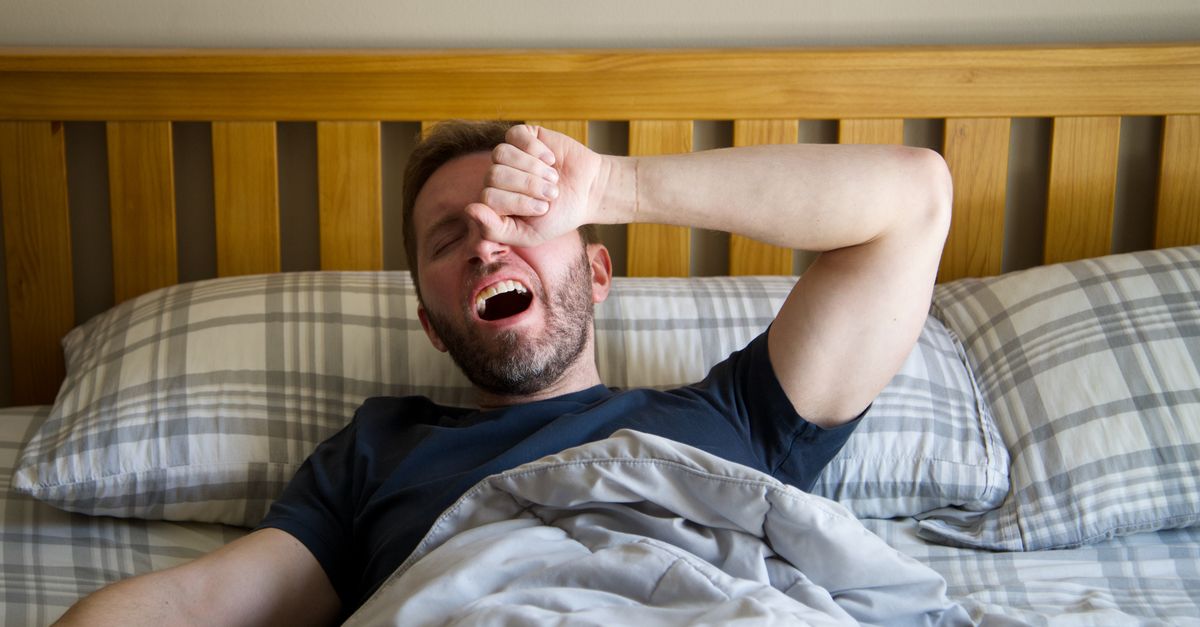
Waking up with a racing heart and shortness of breath typically indicates a sudden activation of the sympathetic nervous system during sleep, often triggered by obstructive sleep apnea, nocturnal panic attacks, or specific cardiac arrhythmias. When the body encounters a physiological stressor while unconscious, such as a drop in blood oxygen or a sudden shift in sleep stages, the adrenal glands release a surge of epinephrine. This chemical messenger immediately accelerates the cardiac rhythm and dilates the airways, jolting the patient awake in a state of pronounced physical distress.
Experiencing this abrupt awakening is profoundly unsettling and often leaves individuals fearful of returning to sleep. The heart may feel as though it is fluttering, pounding, or skipping beats, while the lungs struggle to draw in a satisfying breath. These sensations are the mechanical output of a body responding to a perceived threat, even if that threat originates entirely from internal metabolic or respiratory shifts.
Determining the exact root cause requires evaluating the precise timing of the awakenings, the presence of associated symptoms such as daytime fatigue or loud snoring, and the patient’s overall cardiovascular health. A systematic clinical approach separates benign, stress-related events from structural airway obstructions or cardiac abnormalities that require definitive medical intervention.
2. The Physiology of Sleep Architecture
To comprehend nocturnal awakenings, one must understand the cyclical nature of sleep. Human sleep is divided into rapid eye movement sleep and non-rapid eye movement sleep. The brain cycles through these distinct stages multiple times each night. During deep, non-rapid eye movement sleep, the parasympathetic nervous system dominates, slowing the heart rate, reducing blood pressure, and establishing a slow, rhythmic breathing pattern.
Conversely, during rapid eye movement sleep, the brain becomes exceptionally active. Dreams occur in this stage, and the autonomic nervous system becomes much more variable. Heart rate and respiration can naturally fluctuate based on the content of dreams and the intense neurological activity characteristic of this phase.
Transitions between these sleep stages are periods of physiological vulnerability. If the autonomic nervous system is unstable due to stress, hormonal shifts, or medication, the transition from deep sleep to lighter sleep can spark an inappropriate adrenal response, awakening the patient with sudden tachycardia and respiratory urgency.
3. Obstructive Sleep Apnea and Hypoxia
Obstructive sleep apnea is a leading and profound cause of waking up gasping for air. This condition occurs when the soft tissues at the back of the throat collapse during sleep, physically blocking the airway. When the airway obstructs, the lungs cannot draw in oxygen, and the concentration of carbon dioxide in the bloodstream rises steadily.
This state of oxygen deprivation, known as hypoxia, constitutes a severe biological emergency. Chemoreceptors in the blood vessels detect the dropping oxygen levels and instantly send a distress signal to the brainstem. The brain responds by triggering a massive release of adrenaline to force the body awake.
The patient awakens abruptly, often with a loud snort or gasp. The heart is racing rapidly due to the adrenaline surge, and the chest heaves to repay the oxygen debt. Patients suffering from this condition frequently report unrefreshing sleep, severe morning headaches, and relentless daytime fatigue, underscoring the necessity of diagnostic sleep testing.
4. Nocturnal Panic Attacks and the Adrenal Surge
Panic attacks do not exclusively occur during waking hours; they can and frequently do strike during sleep. A nocturnal panic attack is a sudden, unprovoked activation of the fight-or-flight response that jolts an individual from a state of rest into absolute terror. The physical manifestations are identical to daytime panic episodes.
The patient wakes up with a pounding heart, rapid and shallow breathing, profuse sweating, and a distinct feeling of impending doom. Because the patient is transitioning from unconsciousness to panic without any conscious trigger, the experience is uniquely disorienting. The brain struggles to interpret the sudden flood of epinephrine in the dark bedroom.
These nocturnal episodes are deeply linked to chronic daytime stress, generalized anxiety, and poor stress processing. The limbic system remains on high alert even during sleep, causing the amygdala to misfire. Managing these episodes requires cognitive behavioral strategies to lower baseline anxiety and somatic grounding techniques to calm the nervous system upon waking. For related anxiety manifestations, reading about panic attack physical symptoms provides further context.
5. Cardiac Arrhythmias During Sleep
Certain irregularities in the electrical conduction system of the heart can manifest primarily at night. Atrial fibrillation, supraventricular tachycardia, and premature ventricular contractions can all alter the normal, steady cadence of the heart. When the heart rate suddenly spikes or becomes erratic during sleep, the change in blood flow can easily awaken the patient.
During an arrhythmic episode, the heart may beat inefficiently, leading to a temporary decrease in cardiac output. The body compensates for this slight drop in blood flow by increasing the respiratory rate, which the patient perceives as sudden shortness of breath upon waking.
Diagnosing a nocturnal arrhythmia requires continuous cardiac monitoring. Because the abnormal rhythm may only occur sporadically during the night, standard daytime electrocardiograms often appear completely normal. Physicians rely on wearable monitors to capture the exact electrical activity occurring precisely when the patient wakes up feeling distressed.
6. Gastroesophageal Reflux Disease
Gastroesophageal reflux disease is a surprisingly frequent trigger for nocturnal respiratory distress and heart palpitations. When an individual lies flat in bed, gravity no longer assists in keeping stomach acid contained. If the lower esophageal sphincter is weak, acidic contents flow backward into the esophagus.
This acid deeply irritates the sensitive lining of the esophagus. Because the esophagus and the heart share overlapping nerve pathways in the chest, the brain can misinterpret this severe esophageal irritation as cardiac distress, leading to reflex tachycardia. Furthermore, if microscopic droplets of acid reach the vocal cords or upper airway, it causes sudden, severe laryngeal spasms.
The vocal cords clamp shut to protect the lungs, a reflex called laryngospasm. The patient wakes up instantly, feeling as though they are choking or suffocating, accompanied by a racing heart. Elevating the head of the bed and avoiding late meals are fundamental steps in preventing this specific nocturnal event.
7. Nightmares and REM Sleep Disturbances
Vivid nightmares and night terrors directly influence autonomic output. Nightmares occur during rapid eye movement sleep and involve complex, frightening narratives. The brain processes the fear generated by the dream as a genuine threat, instructing the adrenal glands to release stress hormones.
When the patient finally awakens from the nightmare, their body is already fully primed for physical exertion. The heart is pounding, and the breathing is rapid and shallow. It takes several minutes for the logical centers of the brain to recognize that the threat was not real and to signal the body to stand down.
Night terrors, conversely, occur during deep, non-rapid eye movement sleep. The individual may sit up, scream, and exhibit profound autonomic arousal, including sweating and a racing pulse, but they typically remain asleep and have no memory of the event the following morning.
8. The Impact of Alcohol and Stimulants
Consuming alcohol or stimulants close to bedtime drastically alters sleep architecture and autonomic stability. Alcohol is initially a central nervous system depressant, facilitating quick sleep onset. However, as the liver metabolizes the alcohol, the body experiences a rebound effect in the middle of the night.
This rebound involves a surge of sympathetic nervous system activity. The heart rate elevates, the body temperature rises, and the patient frequently wakes up sweating, breathing heavily, and feeling anxious. Alcohol also relaxes the muscles of the upper airway, significantly exacerbating episodes of obstructive sleep apnea.
Caffeine and nicotine are potent stimulants that increase baseline cardiac irritability. Consuming these substances late in the day ensures that the central nervous system remains chemically stimulated, increasing the likelihood of spontaneous awakenings accompanied by palpitations.
9. Structured Data: Causes of Nocturnal Awakenings
The following table outlines the distinct clinical pathologies associated with waking up with a racing heart and shortness of breath.
| Clinical Pathology | Primary Mechanism | Distinguishing Features |
|---|---|---|
| Obstructive Sleep Apnea | Airway collapse causing hypoxia | Loud snoring, daytime fatigue, morning headaches |
| Nocturnal Panic Attack | Spontaneous adrenaline release | Feeling of impending doom, rapid onset, intense fear |
| Cardiac Arrhythmia | Electrical conduction abnormality | Fluttering chest sensation, irregular pulse rhythm |
| Acid Reflux (GERD) | Acid irritating esophagus or airway | Choking sensation, sour taste, worsens when lying flat |
| Alcohol Rebound | Metabolic withdrawal during sleep | Accompanied by sweating, vivid dreams, late-night onset |
10. Hormonal Fluctuations and Menopause
For women traversing perimenopause and menopause, hormonal turbulence is a profound source of nighttime awakenings. The declining levels of estrogen disrupt the hypothalamus, the brain region responsible for thermoregulation and autonomic balance.
This disruption leads to vasomotor symptoms, classically known as hot flashes. When a hot flash occurs during sleep, it is termed a night sweat. The hypothalamus erroneously detects that the body is overheating and triggers a massive sympathetic response to cool it down.
The patient awakens drenched in sweat, with their heart racing and breathing accelerated. These awakenings are purely hormonal in origin but are physically exhausting and severely disrupt the restorative quality of sleep over many months or years.
11. Clinical Evaluation and Polysomnography
Evaluating nocturnal awakenings begins with a meticulous patient history. The physician will inquire about sleep habits, alcohol consumption, and the precise sensation experienced upon waking. However, because the patient is unconscious when the event begins, objective testing is often necessary.
Polysomnography, or an overnight sleep study, is the definitive diagnostic tool for sleep-disordered breathing. The patient sleeps in a clinical setting while sensors monitor brain waves, blood oxygen levels, heart rate, and respiratory effort.
This comprehensive data allows sleep specialists to definitively diagnose obstructive sleep apnea, pinpointing exactly how many times the airway collapses per hour and correlating those drops in oxygen directly with the spikes in the patient’s heart rate.
12. Cardiac Testing and Holter Monitoring
If a cardiac arrhythmia is suspected, a cardiovascular evaluation is mandatory. A standard resting electrocardiogram checks for baseline structural or electrical abnormalities. An echocardiogram, which is an ultrasound of the heart, ensures the valves and pumping chambers are functioning correctly.
To capture elusive nocturnal arrhythmias, the physician will prescribe a Holter monitor or a continuous event monitor. The patient wears this small device for twenty-four to forty-eight hours, or up to several weeks.
The device records every single heartbeat. When the patient wakes up with a racing heart, they press a button on the monitor to timestamp the event, allowing the cardiologist to analyze the exact electrical rhythm occurring at that precise moment.
13. Management of Sleep Disordered Breathing
If obstructive sleep apnea is diagnosed, resolving the airway collapse cures the nocturnal heart racing. Continuous Positive Airway Pressure therapy is the clinical gold standard. The patient wears a mask that delivers a steady, gentle stream of pressurized air into the throat.
This air pressure acts as a pneumatic splint, keeping the soft tissues from collapsing backward. With the airway securely open, oxygen levels remain stable throughout the night. The brain no longer needs to release adrenaline, and the patient sleeps soundly without episodes of tachycardia or gasping.
For patients who cannot tolerate positive airway pressure, custom-fitted dental appliances that shift the lower jaw forward can open the airway sufficiently. In specific cases, surgical removal of excess throat tissue provides a permanent anatomical solution.
14. Behavioral and Environmental Modifications
Patients experiencing unprovoked nocturnal panic or stress-related awakenings benefit profoundly from strict sleep hygiene and behavioral changes. The bedroom must be maintained as a cool, dark, and quiet sanctuary reserved exclusively for sleep.
Establishing a wind-down routine that avoids blue light from screens at least one hour before bed allows melatonin levels to rise naturally, promoting deeper sleep stages. Practicing deep, diaphragmatic breathing or progressive muscle relaxation before sleep lowers the baseline sympathetic tone, reducing the likelihood of a spontaneous adrenaline surge.
Dietary timing is also crucial. Patients must stop eating heavy meals and consuming alcohol at least three hours before lying down to prevent reflux and metabolic rebounding.
15. When to Seek Urgent Medical Care
While many causes of waking with a racing heart are benign or chronically manageable, certain symptoms dictate the need for immediate emergency evaluation. A patient must proceed to an emergency department if the racing heart is accompanied by crushing chest pain, pain radiating down the left arm or jaw, or profound, unrelenting dizziness.
Immediate care is also critical if the shortness of breath does not resolve within a few minutes of sitting upright, or if the patient coughs up frothy, pink sputum. These are cardinal signs of acute heart failure or fluid accumulating in the lungs, known as pulmonary edema.
Any sudden, unexplained nocturnal awakening accompanied by fainting or near-fainting when attempting to stand out of bed requires a prompt cardiovascular assessment to rule out dangerous structural heart defects or severe electrical blocks.
16. Frequently Asked Questions (FAQ)
1. Can anxiety during the day cause me to wake up with a racing heart at night?
Yes. Chronic daytime anxiety keeps your nervous system in a heightened state of arousal. This stress carries over into your sleep architecture, making your brain more likely to misfire and release a sudden burst of adrenaline while you are unconscious, causing a nocturnal panic attack.
2. How do I quickly calm my heart down when I wake up panicked?
Sit up slowly, place your feet flat on the floor, and practice diaphragmatic breathing. Inhale deeply through your nose for four seconds, hold for four seconds, and exhale slowly through pursed lips for six seconds. This specific breathing pattern stimulates the vagus nerve, which actively slows your heart rate.
3. Does eating late at night cause shortness of breath during sleep?
Eating a large or spicy meal right before bed significantly increases the risk of stomach acid refluxing into your esophagus when you lie flat. This acid irritation can cause sudden laryngeal spasms or reflex tachycardia, waking you up feeling breathless and panicked.
4. Is waking up with a racing heart a sign of a heart attack?
While a racing heart can be a symptom of cardiac distress, a heart attack typically involves profound, continuous chest pressure or pain that does not fade quickly. If your racing heart slows down after a few minutes of calm breathing and you have no lingering chest pain, it is more likely related to adrenaline, reflux, or sleep apnea.
5. Will a sleep tracker watch help diagnose why I am waking up?
Consumer sleep trackers can show you patterns of restless sleep and heart rate spikes, which is helpful information to share with your doctor. However, they are not medical devices and cannot diagnose specific arrhythmias or measure your precise blood oxygen levels to confirm sleep apnea.
Bibliography
Disclaimer: The content is for informational purposes only and does not replace medical advice. Always consult your doctor for personalized treatment.