
1. Introduction and Direct Answer
Deep, agonizingly painful splits on the tips of the fingers during winter are primarily caused by a catastrophic failure of the epidermal barrier due to severe environmental desiccation and lipid depletion. The combination of frigid outdoor air, plummeting ambient humidity, and indoor forced-air heating aggressively flash-evaporates the essential moisture from the stratum corneum. Without adequate water and protective natural oils, the thick, keratinized skin on the fingertips becomes entirely rigid and brittle, losing its ability to stretch with normal movement, causing the skin to violently fracture deep into the sensitive, highly innervated dermal layers.
2. Anatomy of the Fingertip Epidermis
To comprehend the pathology of winter fingertip fissures, one must understand the highly specialized anatomical structure of the palmar skin. The skin on the fingertips and palms is uniquely thick, designed by evolution to withstand immense physical friction, pressure, and tactile manipulation.
The stratum corneum, the outermost protective shield of dead cells, is significantly denser here than on any other part of the body, save for the soles of the feet. While this extreme thickness provides excellent mechanical protection, it comes with a distinct biological disadvantage: the palmar skin completely lacks sebaceous glands.
Sebaceous glands produce sebum, the vital lipid-rich oil that naturally lubricates the skin, preventing moisture loss and maintaining elasticity. Because the fingertips lack this internal oil production system, they rely entirely on external moisture and a delicate internal lipid matrix to remain pliable. When the environment turns hostile, this vulnerable matrix is the first to fail.
3. The Mechanics of Winter Environmental Desiccation
The onset of winter initiates a profoundly hostile environmental shift for the human skin barrier. The absolute humidity of cold winter air is drastically lower than that of warm summer air. The atmosphere acts as a massive, continuous sponge, constantly seeking to absorb moisture from any available source, including the human body.
When a patient steps outdoors, the freezing, dry air aggressively pulls the moisture directly out of the exposed skin of the hands. This environmental assault is compounded indoors. Central heating systems rapidly raise the air temperature but do not replace the missing moisture, creating an intensely dry, arid indoor microclimate.
This relentless environmental desiccation accelerates a process known as transepidermal water loss. The water physically evaporates from the deep layers of the epidermis faster than the body can replenish it via the bloodstream, leading to profound, structural cellular dehydration.
4. Lipid Barrier Depletion and Loss of Elasticity
The keratinocytes, the dead skin cells forming the stratum corneum, are held together by a highly specialized biological mortar composed of essential lipids, specifically ceramides, cholesterol, and free fatty acids. This lipid matrix prevents water from escaping and allows the thick skin to bend and flex smoothly.
During severe winter desiccation, this lipid mortar degrades rapidly. As the water content within the cells plummets below a critical ten percent threshold, the keratinocytes shrink, warp, and become entirely rigid. The once-flexible stratum corneum transforms into a brittle, inflexible plate of armor.
The human hand is in constant motion, performing thousands of complex, highly dexterous movements daily. When the rigid, brittle skin on the fingertips is forced to bend during typing, gripping a steering wheel, or opening a door, it cannot stretch. The mechanical tension forces the inflexible epidermal plate to physically snap, creating a deep, jagged fissure directly down to the living tissue.
5. The Severity of Dermal Fissuring
The pain associated with fingertip splits is exceptionally severe due to the depth of the fracture and the localized neuroanatomy. Unlike a superficial paper cut, winter fissures frequently tear entirely through the thick epidermis and penetrate the highly vascularized underlying dermis.
The fingertips are the most densely innervated anatomical structures in the human body, packed with thousands of microscopic sensory receptors designed to detect the subtlest textures and pressures. When a deep fissure splits the dermis open, these delicate nerve endings are laid completely bare and exposed to the harsh, freezing air.
Every subsequent movement, change in temperature, or contact with a chemical irritant like soap or citrus juice directly chemically burns and mechanically aggravates the exposed nerves. The resulting pain is sharp, throbbing, and deeply debilitating, severely limiting normal daily function.
6. Chemical Surfactants and Frequent Hand Washing
The physiological damage caused by winter weather is heavily compounded by modern hygiene practices. During cold and flu season, public health mandates appropriately encourage frequent and aggressive hand washing to prevent the transmission of viral pathogens.
However, the commercial liquid soaps and foaming cleansers universally utilized contain potent chemical surfactants, such as sodium lauryl sulfate. These chemicals are designed to aggressively dissolve and strip away grease and oils.
When applied to the hands multiple times a day, these surfactants cannot differentiate between viral particles and the essential structural lipids holding the epidermal barrier together. Continuous washing systematically strips the skin of its remaining defensive oils, leaving the stratum corneum completely denuded, hyper-desiccated, and highly prone to catastrophic fissuring.
7. Hand Eczema (Asteatotic and Dyshidrotic)
For many patients, winter fingertip splitting is not merely severe dryness, but rather an active flare-up of an underlying dermatological condition. Asteatotic eczema, also known as eczema craquelé, occurs directly as a result of profound moisture loss, creating a paved, cracked-porcelain appearance on the skin that rapidly progresses to deep fissures.
Conversely, some patients suffer from dyshidrotic eczema. While typically characterized by deep, itchy, fluid-filled blisters on the sides of the fingers during warmer months or periods of high stress, the aftermath of this condition is devastating in the winter.
As the inflammatory blisters dry out and the thick skin peels away, the newly exposed, fragile skin underneath is instantly subjected to the freezing, dry winter air. This incredibly vulnerable tissue possesses no protective barrier whatsoever and cracks open almost immediately upon exposure to cold temperatures.
8. Occupational Hazards and Contact Dermatitis
The likelihood of developing severe winter fissures increases exponentially based on occupational demands. Individuals whose professions require continuous “wet work”—such as healthcare professionals, bartenders, dishwashers, and hairdressers—subject their hands to a relentless cycle of soaking and drying.
This constant fluctuation macerates the epidermal barrier, causing it to swell and shrink repeatedly until the structural integrity fails entirely. Furthermore, exposure to harsh industrial solvents, strong cleaning chemicals, or specific allergens found in occupational materials triggers allergic or irritant contact dermatitis.
The resulting localized inflammation destroys the stratum corneum. When this chemically compromised, inflamed skin is subsequently exposed to the severe desiccating forces of the winter environment, deep, bloody fissures on the fingertips are the unavoidable consequence.
9. Nutritional Deficiencies Impacting Skin Healing
The rapid regeneration of the epidermal barrier requires significant metabolic energy and a continuous supply of vital micronutrients. Systemic nutritional deficiencies severely limit the body capacity to repair the daily micro-tears before they progress into deep winter fissures.
Vitamin C is absolutely essential for the biosynthesis of strong collagen, the primary structural protein in the skin. A deficiency leaves the dermal foundation weak and friable. Similarly, deficiencies in essential fatty acids, specifically Omega-3s and Omega-6s, directly restrict the body ability to produce the crucial lipid mortar required to seal the stratum corneum.
When a patient with an underlying deficiency faces the severe environmental stress of winter, their skin simply lacks the biochemical resources required to mount an effective defense, leading to chronic, non-healing cracks that persist for months.
10. Raynaud Phenomenon and Microvascular Ischemia
While surface dryness is the primary culprit, severe circulatory issues can significantly compound the structural breakdown of the fingertips. Raynaud phenomenon is a vascular disorder characterized by extreme, exaggerated vasospasms in the extremities when exposed to cold temperatures.
When a patient with Raynaud steps into the winter air, the tiny arterioles supplying blood to the fingertips clamp completely shut, causing the fingers to turn stark white or blue. This intense vasoconstriction entirely cuts off the supply of oxygen and essential nutrients to the localized skin cells.
This repeated microvascular ischemia starves the rapidly dividing epidermal cells. Without a robust blood supply to support cellular regeneration and healing, the skin on the fingertips becomes dangerously thin, necrotic, and highly susceptible to developing deep, agonizing fissures from minimal physical trauma.
11. Psoriasis Involving the Digits
Systemic autoimmune diseases frequently manifest in the most physically stressed areas of the body. Psoriasis is an inflammatory condition characterized by the chaotic, massive hyper-proliferation of epidermal cells. When psoriasis localizes to the hands, it heavily targets the fingertips and the nail folds.
The hyperactive cells build up into incredibly thick, disorganized red plaques covered with silvery scaling. Because the cellular structure of a psoriatic plaque is highly flawed, it lacks all normal elasticity.
During the dry winter months, these thick, unyielding psoriatic plaques become extremely brittle. The normal mechanical forces of bending the fingers or grasping an object cause the thick plaques to snap violently in half, creating deep, bleeding canyons that require aggressive prescription immunosuppressive therapy to heal.
12. Secondary Bacterial Infections
A deep fissure on the fingertip is a massive breach in the body primary immune armor. The open, raw dermal tissue provides an immediate, highly accessible portal of entry for virulent bacterial pathogens that naturally reside on the skin surface, specifically Staphylococcus aureus and various Streptococcus species.
If a winter crack becomes colonized by these bacteria, a localized secondary infection develops rapidly. The clinical presentation shifts from simple, sharp pain upon bending to a severe, continuous throbbing ache.
The area surrounding the fissure becomes intensely red, hot to the touch, and significantly swollen. In advanced cases, golden, honey-colored crusts or thick yellow pus will begin to ooze from the depths of the crack. This progression mandates immediate medical evaluation and targeted antibiotic therapy to prevent the infection from spreading deep into the finger tendons.
13. Data Summary: Etiology of Fingertip Fissures
Differentiating the cause of the skin breakdown dictates the appropriate clinical intervention. The table below outlines the primary mechanisms of winter fingertip fissures.
| Primary Condition | Pathological Mechanism | Key Diagnostic Features |
|---|---|---|
| Winter Desiccation | Profound loss of water and structural lipids | Dry, hard skin, deep clean cracks exclusively in winter |
| Contact Dermatitis | Chemical stripping of the barrier (soaps/solvents) | Redness, chafing, affects the entire hand and fingers |
| Raynaud Phenomenon | Severe vasoconstriction starving tissue of oxygen | Fingers turn stark white/blue in cold, slow-healing cracks |
| Hand Psoriasis | Autoimmune hyper-proliferation of rigid cells | Thick, silvery scaling plaques that split and bleed |
14. Dermatological Interventions and Barrier Repair
The medical management of severe winter fissures relies entirely on the aggressive, artificial restoration of the compromised lipid barrier. Standard, water-based pump lotions are completely useless; they evaporate instantly and frequently contain alcohols that severely burn the exposed nerves inside the crack.
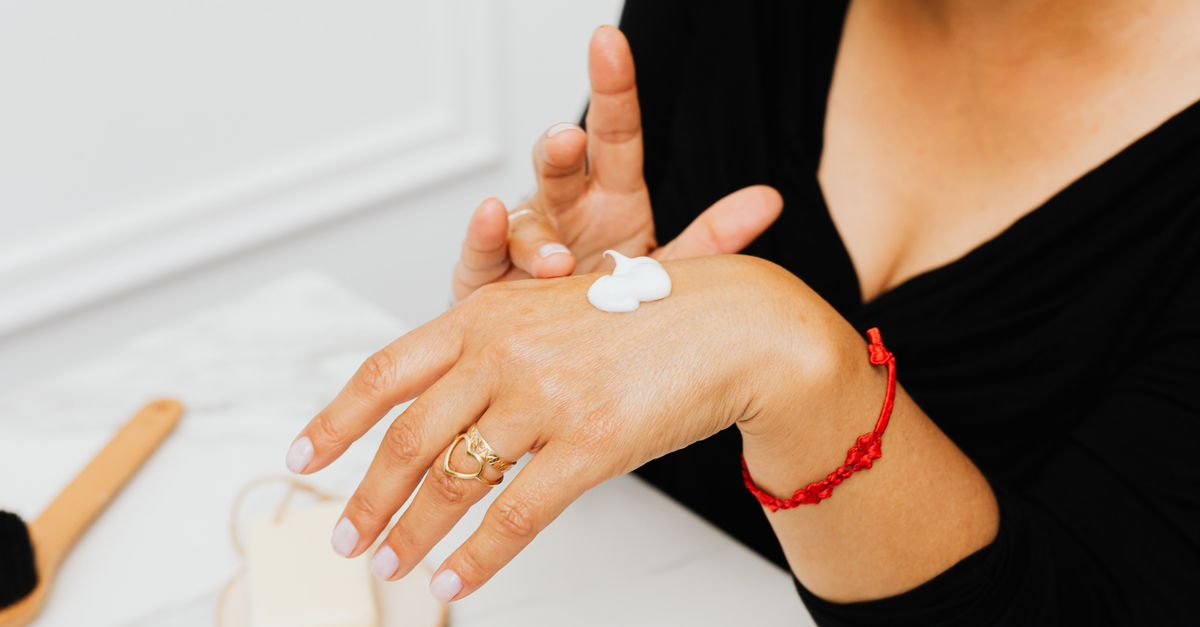
Patients must utilize heavy, occlusive ointments. Pure white petrolatum, thick glycerin-based creams, or specific ceramide formulations must be applied copiously multiple times a day. For maximum efficacy, these ointments should be applied immediately after gently washing the hands while the skin is still slightly damp, physically trapping the moisture within the tissues.
To actively heal a deep, open fissure, dermatologists often recommend utilizing liquid bandage formulations. These specialized medical glues contain cyanoacrylate. When painted directly into the crack, the glue binds the jagged edges together instantly, shielding the exposed nerves to stop the pain and physically preventing the fissure from tearing further upon movement.
15. When to Seek Urgent Medical Care
While winter finger splits are generally a benign, albeit painful, environmental reaction, specific clinical warning signs demand immediate professional evaluation. You must seek urgent medical care if the redness surrounding the crack begins to spread rapidly down the finger toward the hand, accompanied by significant swelling and heat.
These symptoms signify a dangerous, spreading bacterial infection known as cellulitis, which requires aggressive systemic antibiotics. To understand how systemic factors cause widespread skin breakdown, you can review the medical literature regarding chronic dry skin conditions.
Furthermore, if the fissures refuse to heal despite weeks of aggressive moisturization, or if the skin on your fingertips begins to turn black or ulcerate, an immediate consultation with a rheumatologist is mandatory to investigate the possibility of severe autoimmune connective tissue diseases, such as scleroderma, which cause profound vascular necrosis.
16. Frequently Asked Questions (FAQ)
1. Is it safe to use superglue from the hardware store to seal my cracked fingers?
No, you should never use industrial superglue on an open wound. It contains harsh, toxic solvents that cause severe chemical burns to the exposed tissue and delay healing. You must only use specialized, medical-grade liquid bandages formulated specifically for human skin.
2. Why do my fingers only crack right at the corners of the nails?
The skin right next to the nail plate is incredibly thick and rigid. It is also the area subjected to the most physical tension when you pinch or grip objects. This combination of rigidity and high mechanical stress makes it the most frequent anatomical point of failure when the skin dries out.
3. Will taking hotter showers help warm up my hands and heal the cracks?
Absolutely not. Hot water is a powerful solvent. Scalding hot water actively melts and washes away the microscopic layer of protective oils holding your skin together, severely accelerating the dehydration process and guaranteeing the cracks will worsen.
4. Should I cut away the hard, thick skin around the crack with nail clippers?
No. Using unsterilized nail clippers to cut the hard skin frequently results in cutting too deeply into the living dermis, causing severe bleeding and inviting bacterial infection. Apply thick urea creams to chemically soften the hard edges safely instead.
5. How can I protect my hands from cracking if my job requires constant hand washing?
You must transition from harsh liquid soaps to gentle, non-foaming, lipid-based skin cleansers. Immediately after patting your hands dry, you must apply a thick, occlusive ointment to trap the moisture. At night, apply the ointment heavily and wear cotton gloves to sleep to force deep hydration.
17. Bibliography
Disclaimer: The content is for informational purposes only and does not replace medical advice. Always consult your doctor for personalized treatment.
