Neonatal Jaundice: Causes, Symptoms, and Phototherapy Treatment

Neonatal Jaundice: Causes, Symptoms, and Phototherapy Treatment
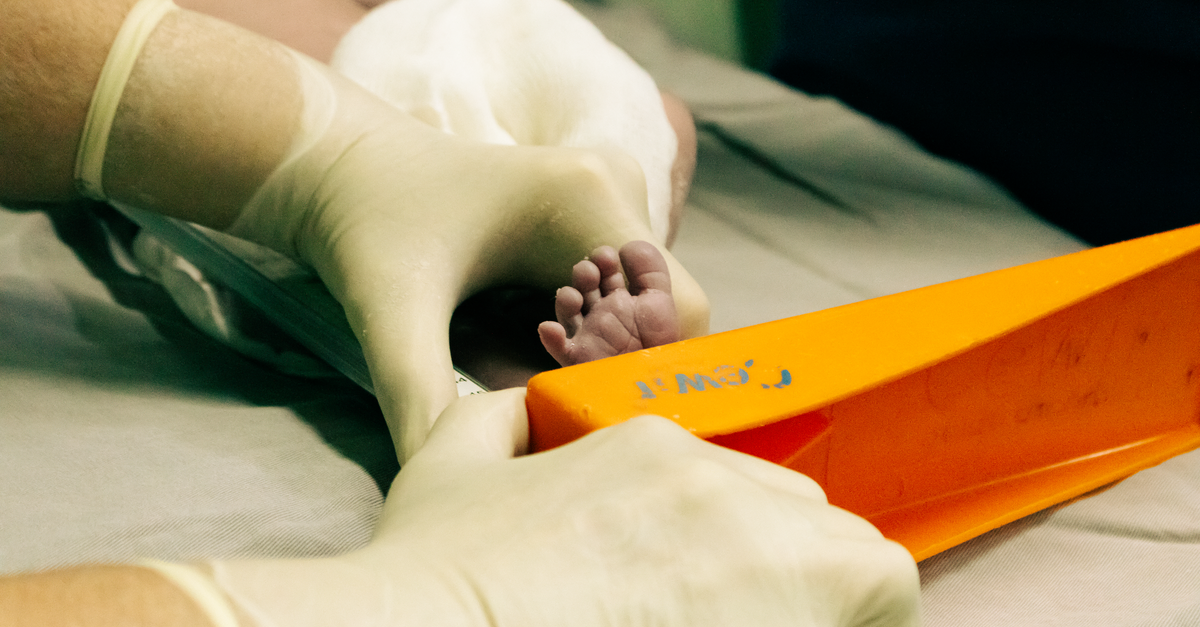
1. Introduction to Neonatal Jaundice Neonatal jaundice, clinically known as neonatal hyperbilirubinemia, is one of the most common medical conditions encountered in newborns during the first week of life. It presents as a distinct yellowing of the infant’s skin and the sclera (the white part of the eyes). This visible discoloration is caused by the … Read more

Neonatal Jaundice After Preterm Delivery: Risks, Mechanisms, and Clinical Management

Neonatal Jaundice After Preterm Delivery: Risks, Mechanisms, and Clinical Management

1. Introduction to Preterm Neonatal Jaundice Neonatal jaundice is a ubiquitous clinical presentation in the neonatal intensive care unit (NICU), but its implications are profoundly magnified when the infant is born prematurely. Preterm delivery—defined as birth occurring before thirty-seven weeks of gestation—interrupts the crucial final stages of fetal organ maturation. Consequently, preterm infants face a … Read more

Breast Milk Jaundice: Causes, Symptoms, and Treatment

Breast Milk Jaundice: Causes, Symptoms, and Treatment

1. Introduction to Breast Milk Jaundice Breast milk jaundice is a common, generally benign condition characterized by the prolonged yellowing of a newborn’s skin and sclera (the whites of the eyes). It specifically occurs in healthy, thriving, full-term infants who are exclusively breastfed. The yellow discoloration is the physical manifestation of hyperbilirubinemia, an excess of … Read more

What Causes Yellowing of the Skin and Eyes in Adults?

What Causes Yellowing of the Skin and Eyes in Adults?

1. Introduction Yellowing of the skin and the whites of the eyes in adults, clinically defined as jaundice, is caused by the systemic accumulation of bilirubin in the bloodstream and surrounding tissues. This excess bilirubin typically indicates a significant breakdown in normal metabolic function, specifically an accelerated destruction of red blood cells, a failure of … Read more

Hyperbilirubinemia: Causes, Symptoms, and Treatment

Hyperbilirubinemia: Causes, Symptoms, and Treatment

1. Introduction Hyperbilirubinemia is a clinical condition characterized by an abnormally elevated concentration of bilirubin in the blood. Bilirubin is a yellowish pigment that is produced during the normal, daily breakdown of red blood cells. When the body’s intricate systems for processing and excreting this pigment fail or become overwhelmed, the excess bilirubin rapidly accumulates … Read more

Gilbert’s Syndrome: Causes, Symptoms, and Management

Gilbert’s Syndrome: Causes, Symptoms, and Management

1. Introduction to Gilbert’s Syndrome Gilbert’s syndrome is a common, benign, inherited metabolic condition characterized by intermittently elevated levels of unconjugated bilirubin in the bloodstream. The disorder results from a genetic variation that mildly impairs the liver’s ability to process bilirubin, a yellowish pigment produced during the normal breakdown of red blood cells. Appropriate clinical … Read more