
Raised Intraocular Pressure: Pathophysiology, Glaucoma Risk, and Treatment

Raised Intraocular Pressure: Pathophysiology, Glaucoma Risk, and Treatment

1. Introduction Raised intraocular pressure, clinically known as ocular hypertension, is a critical biological marker in ophthalmology. It occurs when the fluid pressure inside the eye climbs above the normal physiological threshold. The eye is essentially a closed, fluid-filled sphere. To maintain its structural integrity, optical shape, and nourishment, it constantly produces and drains a … Read more
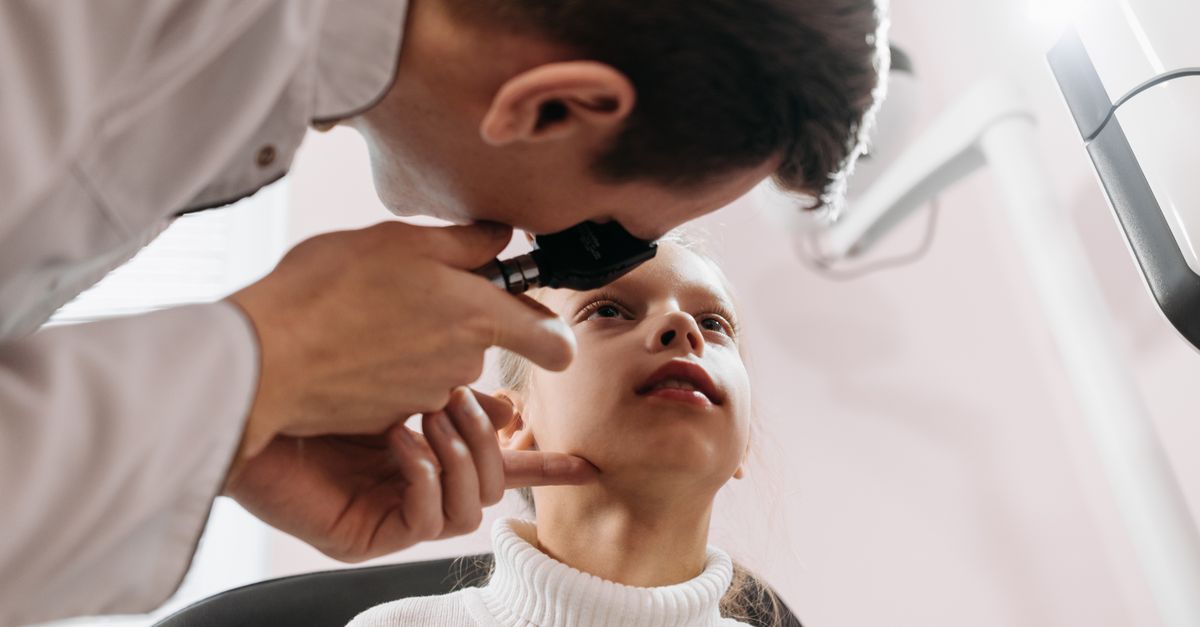
Normal Intraocular Pressure: Aqueous Humor Dynamics and Eye Health

Normal Intraocular Pressure: Aqueous Humor Dynamics and Eye Health

1. Introduction Normal intraocular pressure represents the fluid pressure maintained within the enclosed structures of the human eye. The eye operates much like a fluid-filled sphere, requiring a precise, constant internal pressure to hold its spherical shape and keep the delicate optical tissues perfectly aligned. This steady internal force ensures that the cornea remains smooth … Read more

Dorzolamide Hydrochloride Timolol Maleate (Dorzolamide Hydrochloride; Timolol Maleate): Uses, Side Effects & Interactions

Dorzolamide Hydrochloride Timolol Maleate (Dorzolamide Hydrochloride; Timolol Maleate): Uses, Side Effects & Interactions

1. Introduction & Mechanism of Action for Dorzolamide Hydrochloride Timolol Maleate Dorzolamide Hydrochloride Timolol Maleate is a highly potent, combination prescription ophthalmic solution. It is explicitly formulated for the management of open-angle glaucoma and ocular hypertension. The most critical adverse effect associated with this medication involves the systemic absorption of the beta-blocker component, which can … Read more