1. Introduction
A severe charley horse in the calf occurring precisely at the onset of sleep is a distressing neurological event driven by the profound transition the central nervous system undergoes when shifting from wakefulness to rest. As the brain begins to down-regulate conscious control, the descending inhibitory signals that normally keep the spinal motor neurons calm are temporarily diminished. In a physiological environment compromised by daytime muscular fatigue, minor electrolyte imbalances, or restrictive sleep postures, this sudden lack of neurological inhibition allows the motor units in the calf to fire uncontrollably, resulting in a sudden, agonizing muscle spasm.
These nocturnal leg cramps are distinctly different from the cramps experienced during intense physical exertion. They are a phenomenon of the resting state, often striking without any immediate mechanical provocation. The calf muscles, specifically the gastrocnemius, are highly susceptible due to their dense concentration of fast-twitch muscle fibers and their unique structural position when the body is lying horizontally.
Preventing these sleep-onset spasms requires understanding the delicate interplay between cellular metabolism, neurological excitability, and sleep biomechanics. By addressing local tissue fatigue, optimizing the biochemical environment, and adjusting nocturnal foot positioning, individuals can effectively stabilize the nervous system and prevent the motor neurons from short-circuiting during the transition to sleep.
2. The Physiology of a Charley Horse
A charley horse is the colloquial term for an acute, involuntary muscle cramp. Physiologically, it represents a state of sustained, maximal contraction of a skeletal muscle. During a normal voluntary movement, the brain sends an electrical signal down a motor nerve to the muscle fibers, commanding them to contract. Once the movement is complete, the signal stops, and the muscle relaxes.
In the case of a severe cramp, the motor nerve terminals located at the neuromuscular junction become highly unstable and hyperexcitable. They begin to discharge electrical impulses rapidly and spontaneously, independent of any conscious command from the brain. This relentless firing floods the muscle cells with calcium ions.
Calcium is the chemical trigger that physically locks the muscle proteins together. Because the electrical signals do not cease, the calcium pumps within the cell cannot clear the ions away. The muscle becomes chemically and mechanically locked in a state of rigid, painful contraction, forming a palpable, rock-hard knot under the skin.
3. Neuromuscular Excitability During Sleep Transition
The timing of the cramp, exactly as one is falling asleep, points directly to the hypnagogic state, the transitional phase between wakefulness and sleep. During this transition, the brain initiates a complex sequence of neurological changes to prepare the body for rest, including the gradual paralysis of the voluntary skeletal muscles.
However, this transition is not always perfectly synchronized. The higher cortical centers in the brain begin to shut down their inhibitory control over the spinal cord before the spinal motor neurons have fully deactivated. This temporary lack of top-down regulation leaves the spinal reflexes in a state of heightened excitability.
If the calf muscle is already harboring localized tension or chemical irritation from the day’s activities, this highly excitable, unguarded spinal cord can easily misinterpret a minor sensory input. A tiny twitch or a shift in the blankets can trigger an explosive reflex response, throwing the uninhibited muscle into a full spasm.
4. The Hypnic Jerk and Reflexive Spasms
Closely related to the sleep transition is the phenomenon known as a hypnic jerk. A hypnic jerk is a sudden, involuntary myoclonic twitch of the muscles that often occurs just as an individual drifts off to sleep, sometimes accompanied by a sensation of falling. It is a completely normal neurological quirk.
While a hypnic jerk usually involves a brief, harmless twitch of the legs or arms, it can act as the mechanical trigger for a severe charley horse. When the calf muscle twitches suddenly, it rapidly stretches the internal muscle spindles, the receptors that monitor muscle length.
If the muscle is metabolically fatigued, these spindles are already hyper-sensitive. The sudden stretch from the hypnic jerk initiates a powerful stretch reflex. Instead of a brief twitch, the spinal cord overreacts and commands the calf to contract maximally and continuously, locking the muscle in an agonizing cramp.
5. Electrolyte Depletion and Cellular Imbalance
The electrical stability of the motor nerves relies entirely on a precise concentration gradient of electrolytes across the cellular membrane. Sodium, potassium, magnesium, and calcium act as the chemical conductors of electrical impulses. A systemic or localized imbalance in these minerals significantly lowers the threshold for a muscle spasm.
Magnesium deficiency is a particularly common culprit for nocturnal cramps. Magnesium acts as a physiological gatekeeper, regulating the influx of calcium into the muscle cell and allowing the tissue to relax. When magnesium levels are insufficient, the muscle fibers remain in a state of hyper-readiness, prone to locking up at the slightest neurological provocation.
Even subtle fluid shifts and minor sweating throughout the day can deplete these critical minerals. By the time the body is resting in bed, the localized biochemical environment in the lower legs may lack the necessary chemical buffers to maintain normal resting potential, resulting in spontaneous nerve depolarization.
6. The Role of Plantar Flexion Posture in Bed
The physical position of the foot and ankle while lying in bed is a massive mechanical contributor to sleep-onset calf cramps. When resting horizontally, gravity naturally pulls the foot downward, pointing the toes away from the shin. This position is anatomically termed plantar flexion.
Heavy blankets and tightly tucked sheets exacerbate this posture, actively pushing the feet deeper into plantar flexion. In this position, the calf muscles, specifically the gastrocnemius and soleus, are placed in their most structurally shortened, contracted state.
Commanding a muscle to contract, or having it reflexively twitch, when it is already in a fully shortened position is mechanically disastrous. The contractile proteins overlap excessively, leading to immediate mechanical failure and a severe spasm. Sleeping with the foot chronically pointed acts as a loaded spring, ready to cramp with any stray neurological signal.
7. Muscular Fatigue and Daytime Overload
While the cramp happens at rest, the underlying cause is often linked directly to daytime mechanical overload. Prolonged standing, unaccustomed physical activity, or walking in unsupportive footwear generates profound, localized fatigue within the calf musculature.
As the muscles fatigue, they accumulate metabolic waste products, such as hydrogen ions and inorganic phosphates, which alter the tissue pH. Furthermore, the energetic reserves of the muscle, specifically adenosine triphosphate, are depleted. Adenosine triphosphate is not only required for contraction but is essential for muscle relaxation.
This localized state of metabolic exhaustion leaves the muscle fibers chemically distressed and highly irritable. Even hours later, as the body attempts to transition into sleep, this residual tissue distress keeps the local sensory receptors hyperactive, drastically increasing the probability of a reflex spasm.
8. Dehydration and Blood Volume Changes
Systemic hydration status profoundly affects muscle function and peripheral circulation. Water is the primary medium for transporting essential electrolytes and clearing metabolic waste from the muscle tissues. Mild dehydration reduces total blood volume and thickens the blood slightly.
When lying down to sleep, the heart rate naturally slows, and peripheral circulation decreases. In a dehydrated state, this reduction in circulation can lead to subtle ischemia, a lack of oxygenated blood delivery to the most distal parts of the body, specifically the lower legs.
The combination of concentrated electrolytes, delayed waste clearance, and mild ischemia creates a highly hostile environment for the motor neurons. The lack of adequate fluid volume destabilizes the nerve cell membranes, provoking the spontaneous electrical discharges that culminate in a charley horse.
9. Peripheral Nerve Compression
In some cases, the trigger for the calf cramp does not originate in the muscle itself but higher up the kinetic chain. The sciatic nerve, which supplies the entire lower leg, exits the lower lumbar spine. Subtle compression of the nerve roots in the lower back can send erratic signals down to the calf.
Conditions such as mild lumbar spinal stenosis or a bulging disc can irritate the nerve roots. While this irritation might not cause constant pain during the day due to movement and posture changes, the static, relaxed position of the spine while lying in bed can sometimes alter the pressure on the nerve.
This positional nerve compression can result in a sudden burst of abnormal electrical activity traveling down the leg, directly triggering the calf muscle to spasm. Such neurologically driven cramps often feel sharp and may be accompanied by a fleeting sensation of tingling or numbness.
10. Differentiating Spasms from Restless Leg Syndrome
It is essential to differentiate an acute charley horse from restless leg syndrome, as both are prevalent sleep-onset neurological issues affecting the lower legs. A charley horse is a discrete, localized event characterized by a rigid, agonizing muscle contraction that physically locks the joint.
Restless leg syndrome, conversely, is characterized by an overwhelming, uncomfortable urge to move the legs. Patients describe the sensation as a deep, creeping, crawling, or pulling feeling within the limbs, rather than a sharp, localized muscle knot.
While a charley horse forces the individual to physically stretch the specific muscle to break the spasm, restless leg syndrome is temporarily relieved by general movement or walking, only to return when the person lies back down. Accurate identification ensures the implementation of the correct clinical interventions.
11. Clinical Warning Signs
While isolated nocturnal leg cramps are generally benign, an increase in their frequency or severity warrants clinical attention. If the cramps begin to occur multiple times a night, severely disrupting sleep patterns and causing profound daytime fatigue, medical evaluation is necessary.
Frequent cramping accompanied by significant swelling, localized redness, or a sensation of heat in the calf can indicate a deep vein thrombosis, a serious vascular condition involving a blood clot. This requires immediate diagnostic ultrasound to rule out a medical emergency.
Additionally, if the cramps are accompanied by progressive muscle weakness, visible muscle wasting, or unexplainable fasciculations (constant, visible muscle twitching during the day), it may suggest an underlying peripheral neuropathy or a systemic neurological disorder requiring prompt specialist assessment.
12. Immediate Management Techniques
When a severe charley horse strikes during the sleep transition, the immediate goal is to neurologically break the spasm. The most effective technique is a slow, sustained, and passive stretch of the calf muscle. Pulling the toes forcefully upward toward the shin, an action called dorsiflexion, physically elongates the contracting gastrocnemius.
This passive elongation activates the Golgi tendon organs, specific sensory receptors that monitor muscle tension. When these receptors detect the intense stretch, they send a powerful inhibitory signal to the spinal cord, effectively forcing the motor neurons to shut down and relax the muscle.
| Immediate Action | Physiological Objective |
|---|---|
| Passive Dorsiflexion Stretch | Engages autogenic inhibition to neurologically unlock the muscle. |
| Deep, Rhythmic Breathing | Calms the central nervous system and reduces systemic excitability. |
| Vigorous Tissue Massage | Increases local blood flow to flush out accumulated calcium ions. |
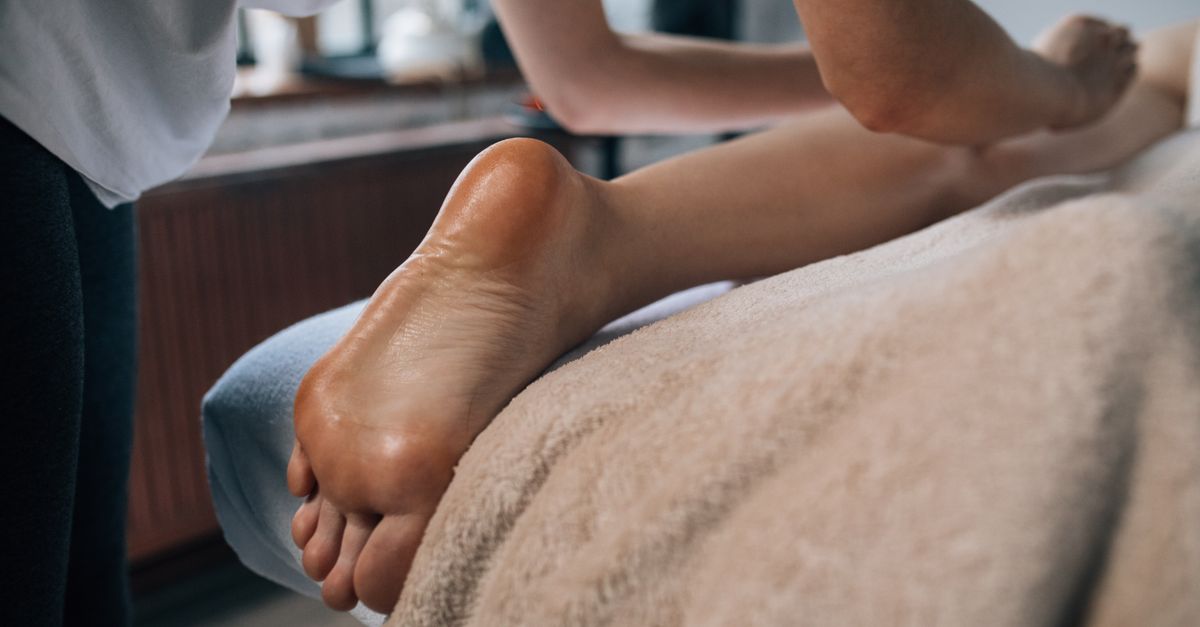
Standing up and pressing the heel firmly into the floor utilizes body weight to force the stretch, which is often more effective than stretching while remaining in bed. Once the acute spasm breaks, gentle massage helps restore circulation and clear the local chemical irritants.
13. Preventative Strategies
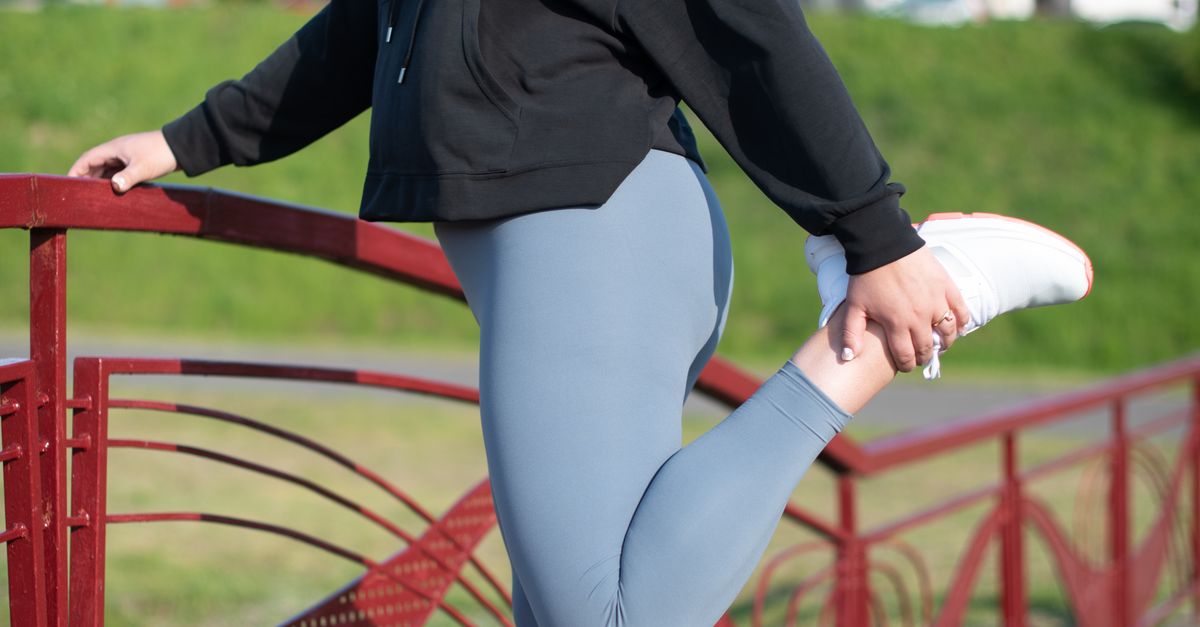
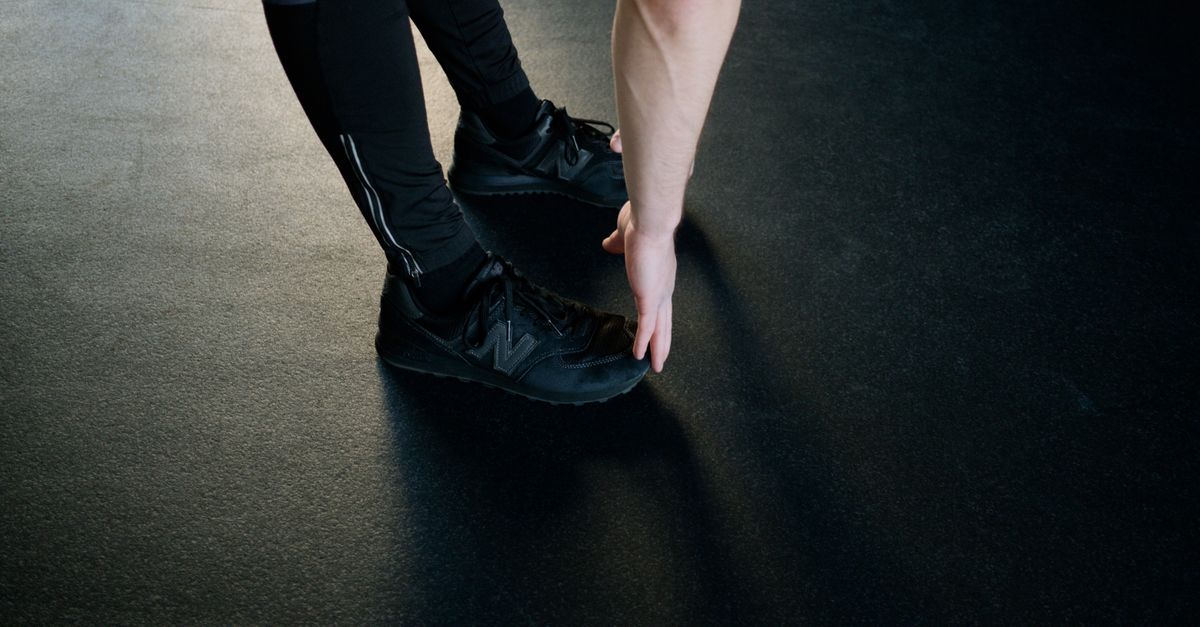
Preventing sleep-onset cramps requires addressing the biomechanical and metabolic triggers before getting into bed. Performing a dedicated routine of gentle calf stretches right before sleep elongates the muscle fibers and reduces the baseline resting tension, making the tissue less prone to sudden spasms.
Adjusting the sleep environment is equally critical. Loosening the blankets at the foot of the bed prevents the mechanical forcing of the foot into a shortened, plantar-flexed position. Sleeping on the side with a pillow between the knees can also help maintain neutral spinal and peripheral nerve alignment.
Optimizing hydration throughout the day and ensuring a diet rich in magnesium and potassium stabilizes the cellular environment. By removing the daytime physical stressors and normalizing the biochemical balance, the nervous system can transition into sleep smoothly without misfiring.
14. Frequently Asked Questions FAQ
1. Why does the cramp happen precisely as I am falling asleep and not earlier?
As you fall asleep, your brain begins to relinquish conscious control and turns off the inhibitory signals that keep your spinal reflexes calm. This transition creates a brief window where the spinal cord is highly excitable. If the calf muscle twitches during this unguarded moment, it triggers a massive reflex spasm.
2. Can taking a hot shower before bed prevent these calf cramps?
Yes, a warm shower increases peripheral blood flow to the lower legs, flushing out accumulated metabolic waste from daytime activities. It also physically relaxes the muscle fibers and lowers the resting tension in the fascia, reducing the mechanical likelihood of a spasm.
3. Should I drink sports drinks before bed to balance my electrolytes?
While maintaining electrolytes is crucial, drinking sugary sports drinks right before bed can cause insulin spikes that disrupt sleep. It is far better to maintain consistent hydration throughout the entire day and obtain magnesium and potassium through whole foods or targeted supplements.
4. Why does my calf feel bruised and sore the entire next day?
A severe cramp is a maximal, uncontrolled muscle contraction. This intense force causes microscopic tearing within the muscle fibers, similar to an extremely heavy weightlifting session. The soreness you feel the next day is delayed onset muscle soreness resulting from this structural micro-trauma.
15. Bibliography
Disclaimer: The content is for informational purposes only and does not replace medical advice. Always consult your doctor for personalized treatment.