1. Introduction
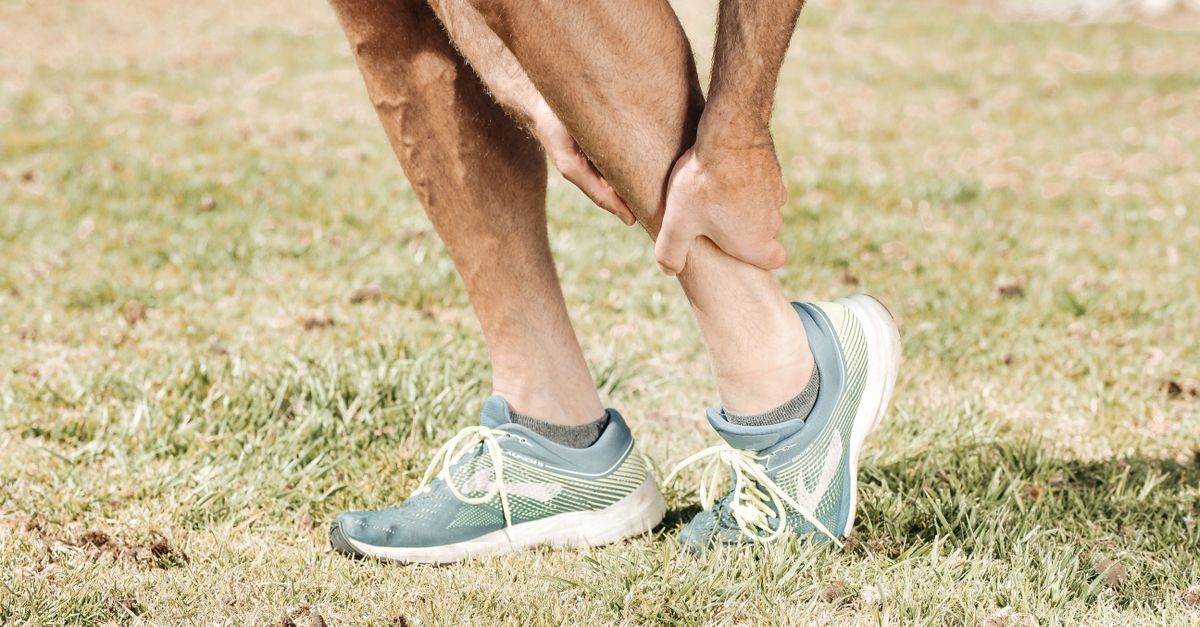
A sudden charley horse in the calf while sleeping is primarily caused by an involuntary, sustained spasm of the gastrocnemius or soleus muscles. This nocturnal cramping frequently results from a combination of muscle fatigue, localized cellular dehydration, and electrolyte imbalances that lower the firing threshold of peripheral motor nerves. When these nerves become hyper-excitable, they send chaotic, continuous signals instructing the muscle to contract with maximum force.
The phenomenon of nocturnal leg cramps is exceptionally common, particularly affecting pregnant women and the elderly. Despite occurring during a state of rest, the mechanical force generated by the cramping calf muscle is substantial, often pulling the foot into a rigid, pointed position. The intense physical contraction compresses local blood vessels, creating temporary ischemia that exacerbates the agonizing pain.
Clinicians separate benign nocturnal cramping from pathological claudication or neuropathies by assessing the frequency, duration, and specific triggers of the spasms. Understanding the biochemical environment of the resting muscle allows for targeted lifestyle interventions and precise pharmacological management to restore restful sleep.
2. The Pathophysiology of Muscle Spasms
Human skeletal muscle contraction is governed by a precise electrical and chemical sequence. A motor neuron delivers an electrical impulse to the neuromuscular junction, prompting the release of calcium ions within the muscle fiber. These calcium ions allow the protein filaments within the cell to bind together, shortening the muscle.
For the muscle to relax, the cell must actively pump the calcium back into storage. This relaxation process requires a significant amount of cellular energy, in the form of adenosine triphosphate.
During a charley horse, this process fails catastrophically. The peripheral nerve fires continuously without appropriate central nervous system inhibition. The flood of calcium keeps the muscle locked in a tetanic state. The muscle rapidly depletes its local energy stores attempting to maintain the contraction, leading to severe localized pain and a hard, palpable knot within the calf tissue.
3. Muscular Fatigue and Overexertion
The most frequent catalyst for nocturnal calf cramps is acute muscular fatigue resulting from unaccustomed physical exertion during the day. Prolonged standing, walking on hard surfaces, or initiating a new, intense exercise routine places severe mechanical stress on the gastrocnemius muscle.
This stress causes microscopic damage to the muscle fibers. As the body repairs this damage during sleep, the localized inflammatory response alters the fluid dynamics and chemical environment surrounding the muscle. The fatigued motor neurons become highly irritable.
During the deep stages of sleep, normal inhibitory signals from the brain are dampened. A slight movement, such as stretching the leg or pointing the toes under heavy blankets, acts as a mechanical trigger. The irritable, fatigued nerve overreacts to this stretch, instantly initiating a severe, unrelenting spasm.
4. Dehydration and Fluid Shifts
Optimal muscle function requires precise intracellular and extracellular fluid balance. Water acts as the essential medium for the transport of electrical ions across the muscle cell membrane. When a patient is systemically dehydrated, this fluid volume decreases, and the concentration of chemical irritants in the blood increases.
Dehydration reduces the overall volume of blood circulating through the peripheral vascular system. The calf muscles, being the furthest structures from the heart, are highly sensitive to this reduced perfusion. A lack of adequate blood flow impairs the muscle’s ability to clear metabolic waste products like lactic acid.
As these metabolic byproducts accumulate in the dehydrated tissue during sleep, they directly irritate the nerve endings. The combination of hyper-concentrated cellular fluid and chemical irritation significantly lowers the threshold for an involuntary muscle spasm.
5. Electrolyte Imbalances
Electrolytes are electrically charged minerals that dictate the firing rate of human nerves. Sodium, potassium, calcium, and magnesium must exist in a perfect physiological ratio for smooth, coordinated muscle movement.
Magnesium plays a critical role as a natural calcium channel blocker. It ensures that the muscle relaxes after a contraction. A systemic magnesium deficiency leaves the calcium channels unregulated, allowing the muscle to twitch and cramp spontaneously. This is particularly prevalent during pregnancy, where fetal development demands vast amounts of maternal magnesium.
Potassium is responsible for repolarizing the nerve cell, returning it to a resting state. Diuretic medications, profuse sweating, or severe diarrhea can rapidly deplete systemic potassium levels. This hypokalemia prevents the nerve from shutting off, resulting in the continuous electrical discharge that defines a severe charley horse.
6. Pharmacological Triggers
A thorough review of a patient’s medication regimen is mandatory when evaluating frequent nocturnal leg cramps. Numerous prescription drugs alter fluid dynamics and metabolic pathways, precipitating severe muscle spasms as an unintended side effect.
Statins, a class of cholesterol-lowering medications, are notorious for causing myopathy and nocturnal cramping. They can disrupt the structural integrity of muscle cell membranes and alter mitochondrial energy production, leaving the calf muscles prone to acute, painful contractions.
Loop diuretics, frequently prescribed for hypertension or heart failure, intentionally force the kidneys to excrete large volumes of water and sodium. This forced diuresis frequently pulls potassium and magnesium out of the body simultaneously, creating the perfect biochemical environment for severe, nightly leg cramps.
7. Peripheral Vascular Insufficiency
As individuals age, atherosclerosis can narrow the arteries supplying blood to the lower extremities. This condition, known as peripheral artery disease, restricts the flow of oxygenated blood to the calf muscles.
While peripheral artery disease most commonly causes pain during walking, severe cases result in pain during rest. When the patient lies flat in bed, gravity is no longer assisting arterial blood flow down to the legs. The calf muscles become ischemic, meaning they are starved of oxygen.
This deep, ischemic ache is sometimes confused with a charley horse, but the physiological mechanism is different. Ischemic pain is typically described as a continuous, severe throbbing or burning sensation that forces the patient to hang their leg off the side of the bed to restore gravitational blood flow.
8. Differentiating Leg Pain at Night
Clinicians must distinguish benign nocturnal cramps from other vascular and neurological pathologies that occur during sleep.
| Clinical Condition | Key Characteristics | Immediate Relief Mechanism |
|---|---|---|
| Nocturnal Calf Cramp | Sudden, hard muscle knot, intense spasm. | Forceful stretching of the calf muscle. |
| Restless Leg Syndrome | Crawling, irritating sensation, undeniable urge to move. | Walking or continuously moving the legs. |
| Peripheral Artery Disease | Deep, throbbing ischemic pain while lying flat. | Hanging the leg over the bed to increase blood flow. |
| Diabetic Neuropathy | Burning, tingling, or numbness starting in the toes. | Pain medication, precise blood sugar control. |
9. Neurological and Structural Factors
Spinal pathology frequently contributes to lower extremity cramping. Lumbar spinal stenosis involves the narrowing of the spinal canal in the lower back, compressing the nerve roots that travel down to the calf muscles.
This continuous physical compression disrupts the normal flow of electrical signals. The irritated nerves can misfire spontaneously, especially when the patient assumes specific sleeping postures that further narrow the spinal canal. The resulting calf cramps are a symptom of central nerve irritation rather than a primary muscle defect.
Structural issues in the feet, such as severe flat feet (pes planus) or wearing unsupportive footwear, alter the biomechanical alignment of the entire leg. This misalignment forces the calf muscles to work exponentially harder during the day to stabilize the ankle, leading to profound nocturnal fatigue and subsequent cramping.
10. Immediate Interventions for a Charley Horse
When a sudden charley horse strikes, immediate mechanical intervention is required to break the tetanic contraction. The patient must forcefully stretch the calf muscle. This is achieved by sitting up, straightening the affected leg, and actively pulling the toes back toward the shin (dorsiflexion).
This mechanical stretch physically forces the actin and myosin filaments apart, overpowering the erratic electrical signals telling the muscle to contract. If reaching the toes is impossible, standing up and firmly pressing the heel down into the floor while leaning forward achieves the same stretch.
Massaging the hard knot in the muscle promotes localized vasodilation, rushing fresh blood into the ischemic tissue. Applying a hot compress immediately after the spasm breaks helps clear the accumulated lactic acid and prevents the muscle from seizing up again.
11. Preventative Stretching and Hydration
Preventing nocturnal calf cramps requires a proactive daily routine. Hydration is paramount. Patients must consume adequate water throughout the day, ensuring that their urine remains a pale yellow color, indicating optimal systemic fluid balance.
Stretching the calf muscles precisely before getting into bed is a highly effective clinical intervention. Performing wall stretches—standing a few feet from a wall, leaning forward with the hands on the wall, and keeping the heels flat on the ground—elongates the gastrocnemius muscle and normalizes the resting tension of the muscle fibers.
Sleeping posture also plays a mechanical role. Sleeping with the toes pointed downward (plantar flexion) shortens the calf muscle and predisposes it to cramping. Keeping the blankets loose at the foot of the bed or utilizing a footboard to keep the feet in a neutral position prevents this mechanical trigger.
12. Dietary Adjustments and Supplementation
Optimizing dietary intake of essential electrolytes stabilizes the peripheral nervous system. Consuming foods rich in potassium, such as bananas, sweet potatoes, and avocados, ensures that the muscle cells can repolarize efficiently after contracting.
Magnesium supplementation is frequently recommended, particularly for older adults and pregnant individuals experiencing relentless nocturnal cramps. Magnesium citrate or magnesium glycinate are highly bioavailable forms that act centrally and peripherally to reduce nerve excitability and promote muscle relaxation.
Patients must moderate their intake of alcohol and caffeine, especially in the evening. Both substances act as mild diuretics, promoting the loss of water and essential electrolytes through the urine, effectively undoing the benefits of daytime hydration.
13. When to Seek Medical Evaluation
While occasional nocturnal cramps are a benign nuisance, specific patterns require a thorough medical evaluation. If the cramps occur multiple times a night, disrupt sleep to the point of severe daytime fatigue, or fail to respond to stretching and hydration, a physician must be consulted.
A clinical assessment is mandatory if the severe cramping is accompanied by chronic swelling in the legs, a change in the color of the skin, or extreme muscle weakness during the day. These signs suggest deeper systemic issues such as deep vein thrombosis, undiagnosed diabetes mellitus, or significant peripheral vascular disease.
The physician will order a comprehensive metabolic panel to detect hidden electrolyte derangements, assess thyroid function, and review all current medications to identify and alter any pharmacological triggers responsible for the muscular distress.
14. Frequently Asked Questions FAQ
1. Why is it called a charley horse?
The term is an American colloquialism that originated in the late nineteenth century; it was likely named after older, lame horses that suffered from stiffness, and the term was adopted by baseball players to describe a sudden, stiff muscle cramp.
2. Does eating mustard actually stop a leg cramp?
Clinical evidence suggests that the acetic acid in yellow mustard stimulates specific sensory nerves in the back of the throat; this intense stimulation overrides the erratic nerve signals traveling to the calf, sometimes stopping the cramp rapidly.
3. Why do my calves cramp only at night and not during the day?
During the day, your brain sends constant, regulated signals to your muscles to maintain posture, but during deep sleep, these regulatory signals drop; any slight stretch or movement can then trigger a hyper-excitable, fatigued nerve to misfire and cause a severe cramp.
4. Is quinine safe to take for severe leg cramps?
No, the FDA strongly warns against using quinine for leg cramps due to severe, potentially fatal side effects involving blood disorders and cardiac arrhythmias; it should only be used for its approved purpose of treating malaria.
5. Can wearing high heels cause calf cramps at night?
Yes, wearing high heels forces your calf muscles into a continuously shortened position all day; when you take the shoes off and lie flat at night, the shortened, fatigued muscles are highly prone to spasming.
15. Bibliography
Disclaimer: The content is for informational purposes only and does not replace medical advice. Always consult your doctor for personalized treatment.