1. Introduction
Your neck gets completely stiff and locked when you text lying in bed due to a sustained biomechanical stressor known as cervical hyper-flexion combined with the phenomenon of ligamentous creep. Propping the head up against pillows to look down at a smartphone forces the cervical spine out of its natural curvature and into an extreme forward bend. Over an extended period, this static posture overstretches the posterior neck ligaments and exhausts the cervical musculature, prompting the central nervous system to reflexively spasm and lock the muscles to protect the vulnerable spinal cord from further structural instability.
2. Anatomy of the Cervical Spine
The cervical spine is composed of seven small vertebrae separated by shock-absorbing intervertebral discs. This structure is biologically engineered to support the weight of the human head, which averages roughly ten to twelve pounds, while allowing for a remarkable range of motion.
A healthy cervical spine features a gentle, C-shaped inward curve known as a lordosis. This natural lordotic curve is critical because it evenly distributes the mechanical load of the head across the vertebral bodies and discs. The structural integrity of this curve is maintained by a complex network of ligaments and robust stabilizing muscles, including the sternocleidomastoid in the front and the upper trapezius and splenius capitis in the back.
3. The Biomechanics of Texting in Bed
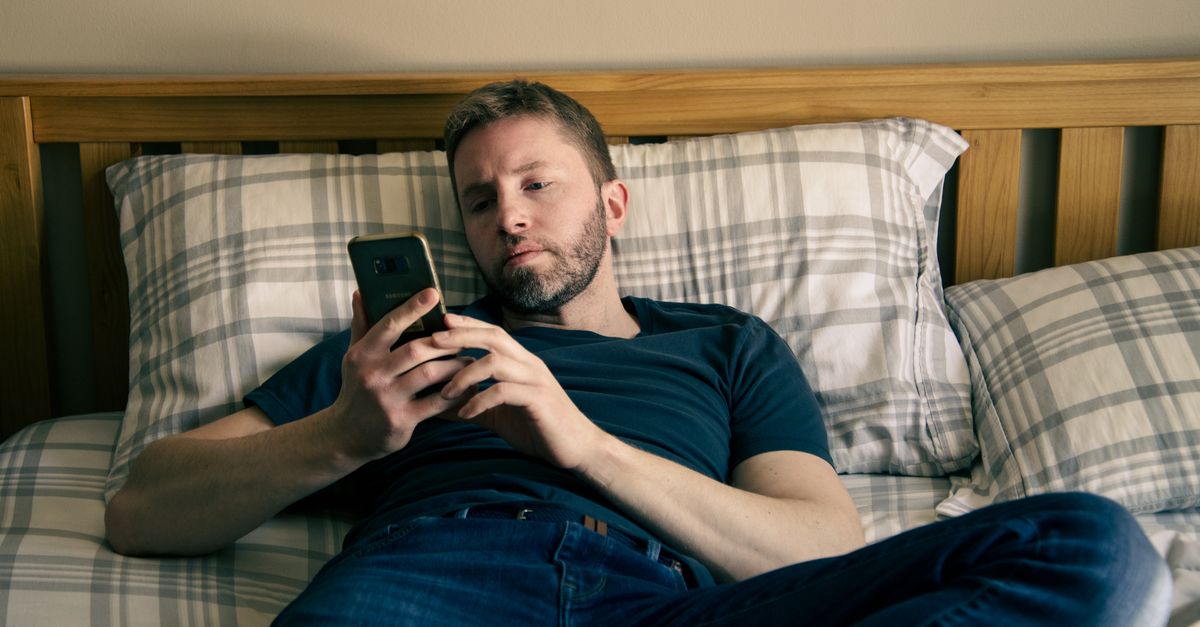
When an individual lies in bed and texts, they typically stack pillows behind their head to angle their vision downward toward the phone resting on their chest. This seemingly comfortable position is biomechanically disastrous. It entirely eliminates the natural cervical lordosis, forcing the neck into a state of severe, static hyper-flexion.
In this hyper-flexed posture, the mechanical load shifts entirely off the supportive bony structures and onto the soft tissues. Because the head is acting as a heavy lever pulling forward, the muscles and ligaments at the back of the neck must engage in continuous, high-intensity isometric contraction just to hold the head in place and prevent the chin from resting completely on the chest.
4. Understanding Ligamentous Creep
Ligaments are dense bands of connective tissue that connect bones and stabilize joints. They are strong but possess very little elasticity. When a ligament is subjected to constant, unyielding tension—such as the posterior longitudinal ligament holding the hyper-flexed neck for an hour of texting—it undergoes a biomechanical deformation known as “creep.”
Ligamentous creep refers to the slow, progressive elongation of the tissue. As the ligaments stretch beyond their normal resting length, they lose their ability to securely stabilize the cervical vertebrae. The joints of the neck become micro-unstable. This physical elongation and resulting instability are primarily responsible for the deep, structural stiffness felt upon attempting to move the neck.
5. Muscle Fatigue and Ischemia
While the ligaments are slowly stretching, the extensor muscles at the back of the neck are fighting a losing battle against gravity. Holding an isometric contraction to support the hyper-flexed head requires immense metabolic energy.
This constant muscular tension physically compresses the capillary beds supplying blood to the neck muscles, resulting in localized ischemia. The oxygen-starved muscles accumulate lactic acid and other metabolic waste products. The severe fatigue and acidic environment chemically irritate the pain receptors within the muscle tissue, transforming normal muscle tone into a heavy, burning ache.
6. The Protective Muscle Spasm
The feeling of the neck being completely “locked” is not a physical inability of the joints to move, but rather a robust neurological defense mechanism. As the ligaments undergo creep and the muscles reach total exhaustion, proprioceptors in the neck send distress signals to the central nervous system warning of impending spinal instability.
To protect the delicate spinal cord from potential damage, the brain initiates a reflex arc, commanding the cervical muscles to involuntarily spasm and lock down. This intense rigidity acts as a biological splint, freezing the neck in place to prevent any further movement that might damage the overstretched intervertebral discs or nerve roots. Looking into nerve compression scenarios, such as cervical radiculopathy, highlights why the brain guards the cervical spine so aggressively.
7. Disc Compression and Hydration
The intervertebral discs act as fluid-filled cushions between the neck bones. They rely on movement to remain healthy; the alternating compression and decompression of daily motion acts like a sponge, drawing in water and nutrients.
Static hyper-flexion in bed places immense, continuous compressive force on the anterior portion of the cervical discs. This asymmetrical pressure squeezes the hydration out of the front of the disc and slowly pushes the internal gelatinous core backward toward the spinal canal. Prolonged texting in bed chronically dehydrates the discs, accelerating cervical degenerative disc disease and increasing the risk of a herniation.
8. Sternocleidomastoid Shortening
While the back of the neck is overstretched, the muscles at the front of the neck, specifically the sternocleidomastoid, are chronically shortened. When the chin is tucked down toward the chest for prolonged periods, these thick anterior muscles adapt to the contracted position.
When the individual eventually attempts to stand up and look straight ahead, the shortened sternocleidomastoid muscles resist the movement. They physically pull the head forward, creating a tug-of-war with the exhausted back muscles. This muscular imbalance guarantees that the neck feels tight and rigid even after leaving the bed.
9. Facet Joint Irritation
The vertebrae of the neck articulate with each other through small joints located at the back of the spine, called facet joints. These joints are lined with cartilage and enclosed in a sensitive capsule.
When the neck is forced out of its natural curve and locked into flexion by stacked pillows, the facet joints are pulled open in an unnatural alignment. The capsules surrounding the joints become stretched and inflamed. Facet joint irritation is a primary source of sharp, localized neck pain that severely limits the ability to turn the head from side to side without a catching sensation.
10. The Accumulation of Text Neck Syndrome
The clinical community broadly categorizes this collection of biomechanical failures as “Text Neck Syndrome.” It represents a modern epidemic of repetitive stress injury. While an hour of texting in bed causes an acute locked neck, the daily repetition of this habit fundamentally alters spinal architecture over time.
Chronically forcing the neck into flexion causes the body to lay down extra connective tissue to support the abnormal posture, leading to a permanent loss of cervical mobility. Furthermore, the persistent tension pulling on the base of the skull frequently triggers severe cervicogenic headaches that radiate from the stiff neck directly over the top of the head to the forehead.
11. Differentiating Acute Spasm from Disc Herniation
It is crucial to differentiate the stiffness of muscle fatigue from a more severe neurological injury like a herniated disc. A locked neck caused by muscle spasm and ligamentous creep is generally characterized by a broad, band-like stiffness, a dull ache, and a severe limitation in the range of motion.
Conversely, a cervical disc herniation that compresses a nerve root typically presents with sharp, electrical pain that shoots down the shoulder, into the arm, and possibly into the fingers. It is often accompanied by numbness, tingling, or weakness in the hand. Radiating nerve pain necessitates a prompt evaluation by a medical professional.
12. Immediate Interventions for a Locked Neck
If the neck is locked in a severe spasm after texting in bed, the immediate goal is to restore blood flow and signal the nervous system that the spine is stable. Applying a warm heating pad to the back of the neck for fifteen to twenty minutes induces profound vasodilation, flushing out lactic acid and relaxing the rigid muscle fibers.
Gentle, pain-free range of motion exercises are crucial. The individual should slowly turn the head from side to side only within the comfortable range, avoiding forceful stretching. Forcefully pulling on a neck that is locked in a protective spasm will only trigger the brain to contract the muscles even harder.
| Biomechanical Error | Physiological Consequence | Immediate Relief Method |
|---|---|---|
| Sustained Hyper-Flexion | Ligamentous creep and instability | Lie flat without a pillow to reset posture |
| Isometric Muscle Tension | Lactic acid buildup and spasm | Apply a warm heating pad for 20 minutes |
| Anterior Muscle Shortening | Inability to look upward smoothly | Perform gentle chin tucks to engage deep flexors |
13. Ergonomic Texting Strategies
Preventing a locked neck requires completely abandoning the habit of propping the head forward with pillows. If one must use a smartphone in bed, the optimal biomechanical position is lying completely flat on the back with a single, thin pillow supporting the natural curve of the neck.
The arms should be raised to hold the smartphone directly above the face, bringing the screen into the visual field without requiring the neck to bend. While this position may fatigue the arms faster, it preserves the critical integrity of the cervical spine and prevents the hazardous onset of ligamentous creep.
14. Strengthening the Cervical Stabilizers
Long-term prevention of Text Neck relies on strengthening the deep cervical flexors and the posterior extensor muscles. When these muscles are robust, they provide superior dynamic stability to the spine, preventing the ligaments from bearing the brunt of poor posture.
Exercises such as isometric neck presses—pressing the head gently against the resistance of one’s own hand without actually moving the neck—build endurance safely. Incorporating upper back strengthening exercises, like scapular retractions, ensures the shoulders remain anchored, providing a stable foundation for the neck to rest upon.
15. Frequently Asked Questions (FAQ)
1. Why does my neck crack so loudly when I finally sit up after texting?
The cracking sound is called crepitus. Because you stretched the facet joint capsules and pushed fluid out of the discs, sitting up suddenly changes the internal joint pressure, causing dissolved gases in the synovial fluid to rapidly form and collapse bubbles.
2. Is it bad to sleep on multiple pillows?
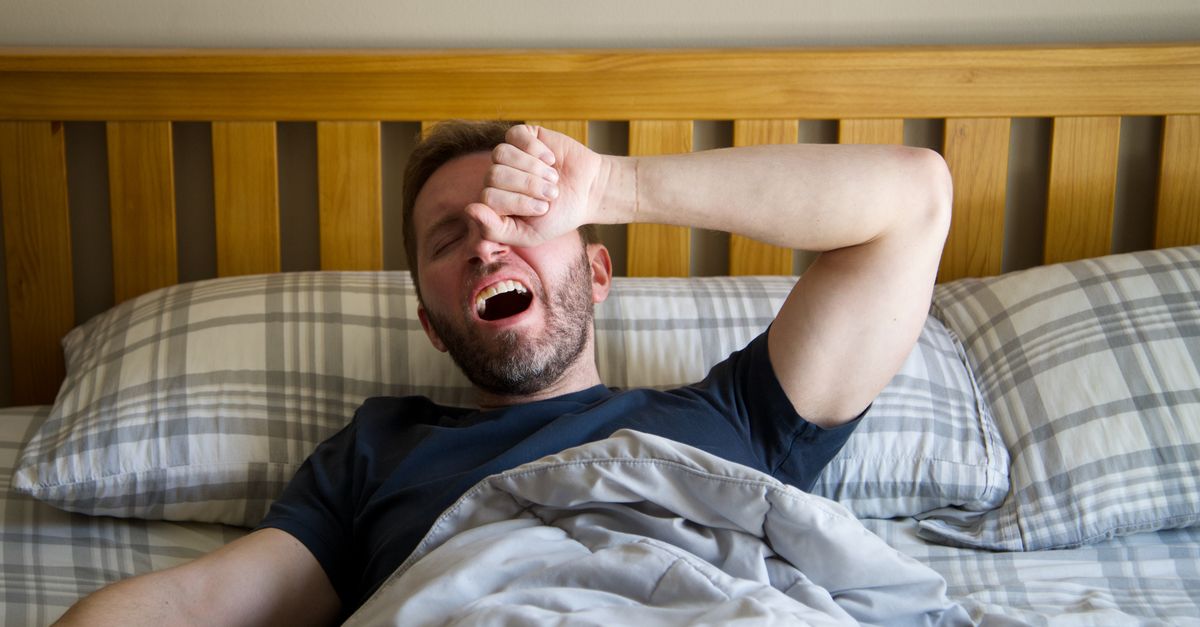
Yes, sleeping on stacked pillows forces your neck into continuous hyper-flexion for eight hours. This causes profound ligament stretch and muscle tension, which is why you wake up with a stiff, locked “crick” in your neck.
3. Should I get a neck massage if it feels completely locked?
A gentle massage can increase blood flow and relieve surface tension, but deep tissue massage on an acutely locked neck can sometimes trigger a stronger protective spasm. It is best to use heat first to relax the tissue.
4. Can looking down at my phone really cause a headache?
Absolutely. The muscles that hold your head up attach directly to the base of your skull. When they become exhausted and tight from holding a forward posture, they pull on the skull and nerves, creating severe cervicogenic tension headaches.
5. How long does ligament creep take to go away?
Ligaments recover slowly because they have a poor blood supply. The feeling of stiffness and vulnerability from ligamentous creep can take several hours to fully resolve after you restore your neck to a neutral, upright posture.
16. Bibliography
Disclaimer: The content is for informational purposes only and does not replace medical advice. Always consult your doctor for personalized treatment.