1. Introduction
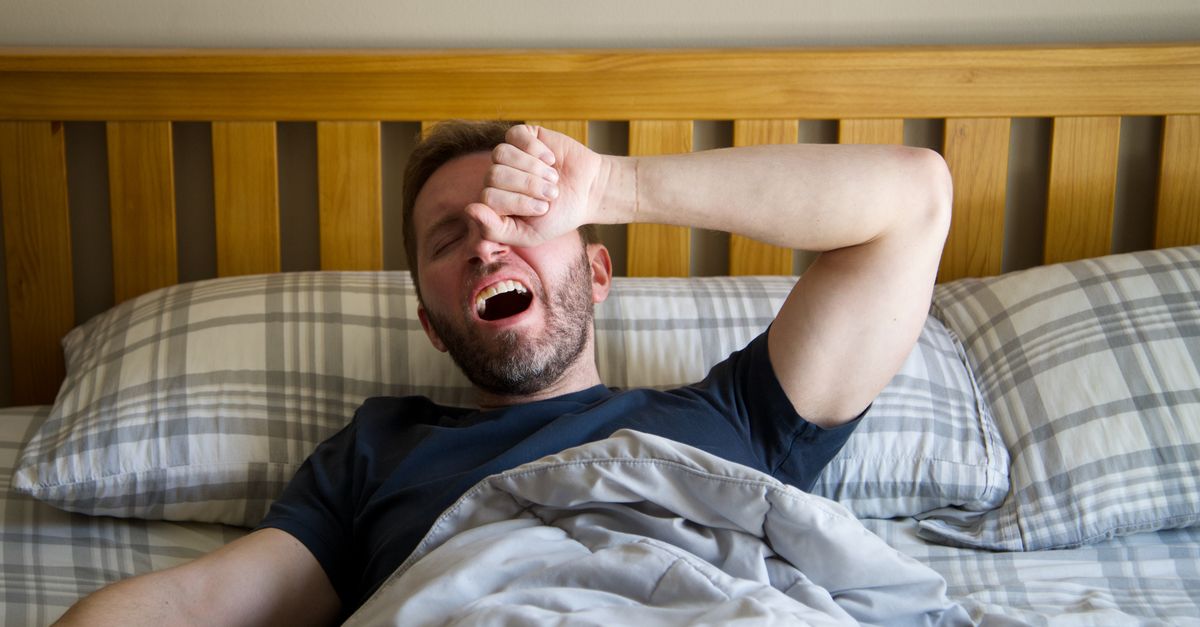
Neck soreness and tightness after sitting on an airplane for hours result from sustained postural strain, localized muscle ischemia, and the poor ergonomic design of commercial airline seats. An airplane seat forces the cervical spine into an unnatural forward position, causing the deep extensor muscles of the neck to remain in a state of continuous isometric contraction to support the heavy weight of the head. Without adequate movement to pump fresh blood into these tissues, the muscles become hypoxic, stiff, and inflamed.
Human biomechanics dictate that the spine must remain in a dynamic, moving state to preserve tissue health. The confined space of an airplane cabin severely restricts this necessary mobility. Passengers often contort their bodies to find comfort, unwittingly placing immense sheer force on the delicate cervical facet joints and intervertebral discs.
Furthermore, environmental factors unique to aviation, such as low cabin pressure, cold drafts, and constant micro-vibrations, compound the physical stress. Addressing post-flight neck stiffness requires a detailed look at cervical anatomy, spinal ergonomics, and targeted in-flight mobility strategies to prevent muscle spasms.
2. Anatomy of the Cervical Spine
The cervical spine is composed of seven small vertebrae, stacked one upon the other, beginning at the base of the skull and ending at the upper thoracic spine. Between each bony vertebra lies an intervertebral disc, a cartilaginous structure acting as a shock absorber.
This structure is highly mobile, allowing for flexion, extension, and rotation of the head. However, this high degree of mobility comes at the cost of inherent stability. The cervical spine relies heavily on a complex network of muscles, including the trapezius, levator scapulae, and deep cervical flexors, to maintain an upright posture.
The head of an average adult weighs approximately ten to twelve pounds. When the head is balanced perfectly above the shoulders, the muscular effort required to hold it steady is minimal. When this balance is disrupted by poor seating, the muscular workload increases exponentially.
3. The Ergonomics of Airplane Seating
Commercial airplane seats are designed for uniform space efficiency, not for individualized ergonomic support. The backrest of a standard economy seat features a C-shaped curve that pushes the upper back forward while offering little to no lumbar support.
The headrests are often pushed forward to comply with safety regulations regarding crash impact. This specific design directly conflicts with the natural anatomical curvature of the human spine. Instead of allowing the neck to maintain its normal lordotic curve, the seat forces the neck into a straightened or flexed posture.
This forced flexion pushes the chin toward the chest. To look straight ahead at a screen or a book, the passenger must then hinge their upper neck backward, creating a sharp angle at the base of the skull that pinches the suboccipital muscles and upper cervical nerves.
4. Forward Head Posture and Muscle Strain
Forward head posture is the primary biomechanical culprit for travel-related neck pain. For every inch the head translates forward past the neutral shoulder line, the effective weight of the head on the cervical spine increases by ten pounds.
If a passenger slumps down in an airplane seat, their head migrates forward. The extensor muscles at the back of the neck must now act like a tight rope, pulling continuously against the force of gravity to prevent the head from falling into the lap.
This continuous isometric tension exhausts the muscle fibers. The levator scapulae, the muscle connecting the neck to the shoulder blade, is particularly vulnerable. It rapidly develops hyperirritable knots, or trigger points, resulting in the classic stiff neck sensation upon disembarking.
5. Ischemia and Sustained Muscular Tension
Muscles require a constant supply of oxygenated blood to function and clear away metabolic waste products. During dynamic movement, the rhythmic contracting and relaxing of the muscles act as a pump, facilitating robust blood flow.
During a long flight, the neck muscles are locked in a static, isometric contraction. This sustained tension physically squeezes the capillary beds within the muscle tissue, preventing fresh arterial blood from entering and trapping deoxygenated blood inside.
This localized lack of blood flow is known as ischemia. Ischemic tissues quickly become acidic due to the buildup of metabolic byproducts like lactic acid. This altered chemical environment sensitizes the local pain receptors, generating a deep, burning ache that persists long after the flight ends.
6. The Role of Travel Vibrations and Turbulence
Airplanes expose passengers to continuous whole-body vibration generated by the jet engines and aerodynamic turbulence. While often imperceptible, these micro-vibrations have a profound effect on the musculoskeletal system.
The nervous system detects these subtle vibrations and responds by increasing the baseline resting tone of the postural muscles. The muscles of the neck and lower back involuntarily stiffen in a protective reflex to stabilize the spine against the constant shaking.
Over several hours, this heightened muscular tone drains cellular energy reserves. The combination of forced forward head posture and vibratory muscle guarding ensures that the cervical structures are thoroughly fatigued by the time the plane lands.
7. Intervertebral Disc Compression
The intervertebral discs rely on changes in spinal pressure to absorb nutrients and expel waste, a process called imbibition. Prolonged sitting compresses the front portion of the cervical discs while stretching the posterior ligaments.
When the neck is held in a flexed position for hours, the gel-like center of the disc, the nucleus pulposus, is slowly pushed backward against the tough outer ring. This mechanical stress can cause the disc to bulge slightly.
While a single flight rarely causes a true disc herniation, the sustained anterior compression irritates the outer fibers of the disc, which are rich in nerve endings. This irritation contributes to a deep, centralized ache in the neck that feels worse when trying to bend backward.
8. Fascial Restrictions in the Upper Back
The muscles of the neck do not operate in isolation; they are connected to the mid-back and shoulders by a continuous web of connective tissue called fascia. Poor posture in an airplane seat invariably involves rounding the shoulders forward.
This protracted shoulder position overstretches the fascia across the upper back and shortens the fascia across the chest. The superficial back line becomes taut, pulling downward on the base of the skull and restricting the normal range of motion of the neck.
Treating flight-induced neck stiffness often requires releasing the tight fascial structures in the thoracic spine and the pectorals. Until the shoulders are restored to a neutral position, the neck will remain under continuous downward mechanical tension.
9. Cervical Facet Joint Irritation
The facet joints are the small, cartilage-lined articulations on the back of each spinal vertebra that guide movement and prevent excessive rotation. When a passenger falls asleep with their head tilted sharply to one side, these joints bear a massive asymmetric load.
The joint capsule on the stretched side becomes strained, while the joint surfaces on the compressed side grind together. The synovial lining within the joint becomes rapidly inflamed due to the sustained mechanical pressure.
Upon waking, this facet joint irritation presents as an acute, sharp pain that severely limits the ability to turn the head to one side. This specific type of mechanical locking is commonly referred to as acute torticollis or a crick in the neck.
10. Impact of Cabin Temperature and Stress
Commercial airline cabins are heavily air-conditioned, often creating a cold and drafty environment. Cold ambient temperatures cause the superficial blood vessels in the skin to constrict to preserve core body heat.
In response to the cold draft hitting the back of the neck, the trapezius muscles reflexively shiver and tighten. This thermal stress compounds the mechanical stress of the seat, locking the muscles into a rigid, defensive spasm.
Furthermore, the psychological stress of travel, confined spaces, and noise activates the sympathetic nervous system. Stress hormones naturally elevate the tension in the upper trapezius and shoulder elevator muscles, physically raising the shoulders toward the ears and shortening the cervical spine.
11. Neurological Symptoms and Referred Pain
Severe muscle spasms or localized inflammation in the cervical spine can occasionally irritate the exiting nerve roots. If a passenger experiences soreness that radiates from the neck down into the shoulder blade or down the arm, neurological involvement is likely.
Trigger points in the scalene muscles or the trapezius frequently refer pain to the forehead, behind the eye, or into the jaw, triggering tension headaches. A stiff neck from a flight is rarely just isolated to the cervical vertebrae; it typically involves a complex web of referred muscular pain.
If the soreness is accompanied by tingling, numbness in the fingers, or severe weakness in the arm, it indicates that a nerve root is actively compressed, requiring professional medical assessment rather than simple stretching.
12. Differentiating Simple Strain from Radiculopathy
It is important to evaluate the nature of the post-flight discomfort. A simple postural strain feels like a broad, dull, heavy ache across the shoulders and the base of the skull. The neck will feel stiff and resistant to movement, but stretching will generally provide a feeling of relief.
Cervical radiculopathy, or nerve compression, feels entirely different. It presents as a sharp, electrical, or burning pain that follows a distinct pathway down the arm. Changing the position of the neck may suddenly intensify or completely relieve the electrical sensation.
While a cramped airplane seat usually only causes simple muscle strain, pre-existing spinal conditions can easily be pushed into radiculopathy by the poor ergonomics of a long-haul flight.
13. Travel Pillows and Ergonomic Support
Proper preparation drastically reduces the incidence of flight-related neck pain. The standard U-shaped travel pillow is often used incorrectly. Placing the thickest part of the pillow behind the neck actually pushes the head further forward, worsening the forward head posture.
The U-shaped pillow should be turned around so the opening is at the back, or positioned slightly to the side to provide lateral support under the chin. This prevents the heavy head from dropping sideways or forward when the passenger falls asleep.
Utilizing a lumbar roll placed in the small of the lower back forces the pelvis into an upright, neutral position. Because the spine acts as a kinetic chain, correcting the lumbar curve automatically aligns the upper back and drastically reduces the forward translation of the cervical spine.
14. In-Flight Mobility Exercises
Combating ischemia and muscle fatigue requires proactive movement. Performing simple, seated mobility exercises every hour restores blood flow and breaks the cycle of static isometric tension.
- Chin Tucks: Draw the chin straight backward, making a double chin, to stretch the suboccipital muscles and reverse forward head posture.
- Scapular Retractions: Squeeze the shoulder blades together firmly to engage the mid-back and open the chest.
- Neck Rotations: Slowly turn the head to look over each shoulder to maintain facet joint mobility.
- Upper Trapezius Stretch: Gently tilt the ear toward the shoulder, using the hand to apply very light overpressure.
15. Frequently Asked Questions FAQ
1. Why do I get a headache along with my stiff neck after flying?
The muscles at the base of your skull, the suboccipitals, become extremely tight from the forward head posture. These muscles attach directly to the connective tissue covering the skull. When they spasm, they pull on this tissue, referring pain forward and creating a classic tension headache.
2. Does sleeping on the tray table cause neck damage?
Sleeping bent forward over the tray table places the cervical and thoracic spine in maximum flexion. This stretches the posterior ligaments to their limit and heavily compresses the intervertebral discs, massively increasing the risk of severe stiffness and acute disc irritation.
3. Should I use ice or heat on my neck after a long flight?
Heat is generally the preferred modality for post-flight neck pain. The heat dilates the blood vessels, bringing fresh oxygenated blood to the ischemic, tight muscles and helping the fascial tissues relax.
4. Can dehydration make my neck stiffness worse during a flight?
Yes, airplane cabins have extremely low humidity, leading to rapid dehydration. The spinal discs and the fascial layers require high water content to remain pliable and absorb shock. Dehydration makes these tissues dense, rigid, and more prone to mechanical strain.
5. How can I stop the cold airplane air from stiffening my neck?
Always pack a scarf, a hoodie, or a thick collar for flights. Wrapping the neck creates a microclimate that prevents the cold draft from triggering the shivering reflex in the superficial neck muscles, keeping them relaxed.
16. Bibliography
Disclaimer: The content is for informational purposes only and does not replace medical advice. Always consult your doctor for personalized treatment.