1. Introduction
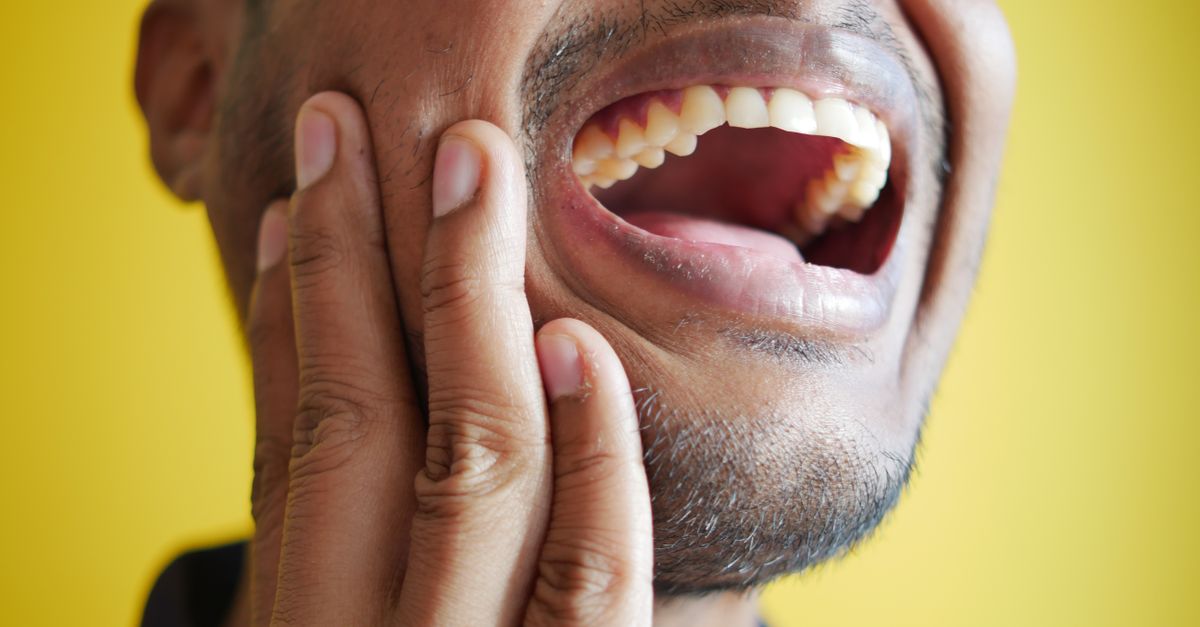
The physical tooth pain experienced when riding a fast motorcycle in cold wind is primarily caused by dentin hypersensitivity and rapid thermal contraction within the tooth structure. The cold air rapidly lowers the temperature of the tooth enamel, creating a pressure gradient within the microscopic fluid-filled tubules of the underlying dentin. This fluid shift directly stimulates the delicate nerve endings located in the dental pulp. The sensory input is then transmitted rapidly to the brain, manifesting as a sharp, sudden, and localized pain.
Teeth are specialized structures designed to withstand significant biting forces but they are remarkably sensitive to sudden thermal changes. A motorcycle ride exposes the facial region to a constant stream of high-velocity cold air, effectively stripping away the insulating boundary layer of warmth that normally surrounds the mouth. If a rider breathes through the mouth or rides with an open-face helmet, the ambient temperature of the oral cavity drops rapidly, triggering a cascade of physiological responses within the dental anatomy.
2. The Microscopic Anatomy of a Tooth
To understand thermal sensitivity, one must examine the specific histological layers of the human tooth. The outermost layer is the enamel, which is the hardest substance in the human body. Enamel serves as a protective shield but contains no living cells or nerve endings. Directly beneath the enamel lies the dentin, a slightly softer and porous calcified tissue.
The dentin forms the bulk of the tooth structure and encapsulates the innermost chamber known as the dental pulp. The pulp houses the vital blood vessels, connective tissues, and a dense network of sensory nerve fibers. The critical connection between the external environment and the internal nerves is the structure of the dentin itself.
Dentin is not solid; it is permeated by thousands of microscopic channels called dentinal tubules. These tubules radiate outward from the pulp chamber to the junction where the dentin meets the enamel. Within these tubules is a fluid known as dentinal fluid, which plays a pivotal role in transmitting thermal and mechanical stimuli.
3. The Hydrodynamic Theory of Tooth Sensitivity
The leading scientific explanation for thermal tooth pain is the hydrodynamic theory. According to this physiological model, sudden temperature changes at the surface of the tooth cause the fluid within the dentinal tubules to expand or contract.
When a stream of cold wind hits the tooth enamel, the cold temperature conducts rapidly through the mineralized matrix. This causes the dentinal fluid inside the tubules to contract and move outward, away from the pulp chamber. This rapid outward flow creates a negative pressure or vacuum effect at the base of the tubule.
The mechanical disturbance of the fluid distorts the specialized nerve endings, specifically the A-delta fibers, located at the boundary of the pulp and the dentin. The A-delta fibers are myelinated, meaning they transmit electrical impulses very quickly. This rapid transmission results in the characteristic sharp, shooting pain associated with cold sensitivity.
4. Trigeminal Nerve Pathways and Dental Nociception
The sensory information from the teeth is carried to the central nervous system via the trigeminal nerve, the fifth cranial nerve. The trigeminal nerve has three major branches, with the maxillary branch supplying the upper teeth and the mandibular branch supplying the lower teeth.
When the A-delta fibers are stimulated by the cold-induced fluid shift, they fire action potentials along the trigeminal nerve pathways. These signals travel through the trigeminal ganglion directly into the brainstem and up to the somatosensory cortex, where the brain interprets the signal as acute dental pain.
Because the trigeminal nerve supplies a vast area of the face and jaw, the brain sometimes struggles to pinpoint the exact tooth causing the distress. This phenomenon, known as referred pain, explains why a single sensitive tooth can make an entire quadrant of the jaw ache after a windy motorcycle ride.
5. Enamel Erosion and Exposed Dentin
For the cold wind to effectively trigger the hydrodynamic fluid shift, the insulating layer of enamel must be compromised. In a perfectly intact tooth, the enamel provides enough thermal insulation to prevent the dentinal fluid from reacting to moderate temperature changes.
However, enamel erosion is a ubiquitous condition. Acidic diets, aggressive tooth brushing, and gastroesophageal reflux disease progressively wear away the protective enamel layer. Once the enamel becomes sufficiently thin, the underlying dentin is exposed to the oral environment, leaving the dentinal tubules open and vulnerable.
This exposure drastically reduces the thermal insulation of the tooth. When the cold wind from riding a motorcycle strikes areas of enamel loss, the temperature transfer to the dentinal fluid is nearly instantaneous, resulting in immediate and sharp discomfort.
6. Gingival Recession and Root Sensitivity
Another primary cause of exposed dentinal tubules is gingival recession, commonly referred to as receding gums. The root of the tooth is not covered by hard enamel; instead, it is coated by a much softer substance called cementum.
Periodontal disease, aggressive brushing habits, or normal physiological aging can cause the gum tissue to pull away from the tooth, exposing the root surface. The cementum wears away very quickly once exposed to the oral environment, directly uncovering the dentin.
Because the dentin at the root surface is in close proximity to the pulp chamber, cold sensitivity originating from receding gums is often more severe than sensitivity originating from the crown of the tooth. A fast motorcycle ride will disproportionately affect riders with significant gingival recession.
7. Thermal Contraction of Dental Restorations
Teeth that have been restored with dental fillings, crowns, or bridges react differently to cold wind than natural, unrestored teeth. Dental materials, such as amalgam metals and composite resins, have different coefficients of thermal expansion and contraction compared to natural tooth enamel.
When exposed to a constant blast of cold air, metal amalgam fillings contract faster and more significantly than the surrounding tooth structure. This rapid contraction can create microscopic gaps between the filling and the tooth, allowing the cold stimulus to penetrate deeply toward the pulp.
Furthermore, metallic fillings conduct heat and cold much more efficiently than dentin. A tooth with a large metal restoration will transfer the cold temperature from the wind directly to the sensitive interior structures much faster than an intact tooth, frequently triggering a deeper, throbbing ache.
8. The Evaporative Cooling Effect on Saliva
Motorcycle riding, especially without a full-face helmet or while breathing through the mouth, alters the moisture dynamics of the oral cavity. The high-velocity wind accelerates the evaporation of saliva from the surfaces of the teeth and oral mucosa.
Evaporation is a physical process that requires energy, and it draws heat away from the surface it evaporates from. This evaporative cooling effect means the temperature of the tooth drops even lower than the actual ambient temperature of the wind.
Furthermore, a dry mouth lacks the protective buffering capacity of saliva. Saliva contains minerals like calcium and phosphate that help occlude microscopic pores in the enamel. Without an adequate coating of saliva, the teeth become more susceptible to thermal shocks and sensory irritation.
9. Factors Exacerbating Cold Wind Sensitivity
Various underlying dental and environmental factors can magnify the severity of the pain experienced during a ride. Identifying these variables helps in forming effective preventive strategies.
| Factor Category | Specific Condition or Habit |
|---|---|
| Structural Damage | Micro-cracks in enamel, untreated cavities, worn dental fillings |
| Periodontal Health | Gum recession exposing root surfaces, localized gingivitis |
| Environmental | Low ambient temperature combined with high wind speed |
| Behavioral | Mouth breathing, riding with an open-face helmet, teeth grinding |
Addressing these structural and behavioral elements is essential for mitigating the discomfort associated with cold air exposure.
10. Differentiating Dentin Hypersensitivity from Pulpitis
It is important to distinguish the transient, sharp pain of dentin hypersensitivity from the persistent pain indicative of pulpitis. Pulpitis is the inflammation of the dental pulp, usually caused by deep dental decay or significant trauma.
Dentin hypersensitivity, which is typical of cold wind exposure, causes a sharp, jabbing pain that ceases almost immediately once the cold stimulus is removed. When the motorcycle ride ends and the mouth returns to a normal temperature, the pain resolves without lingering effects.
Conversely, irreversible pulpitis produces a severe, lingering throb that persists for minutes or hours after the cold stimulus is removed. If the teeth continue to ache long after stepping off the motorcycle, it indicates an underlying pathology requiring prompt dental intervention rather than simple surface sensitivity.
11. The Role of Bruxism and Micro-Fractures
Many individuals unknowingly clench or grind their teeth, a condition known as bruxism. The immense mechanical forces generated during bruxism can cause microscopic stress fractures within the enamel. These micro-fractures, often invisible to the naked eye, act as direct conduits for thermal transfer.
When cold wind hits a tooth compromised by micro-fractures, the temperature drops rapidly along the fracture line, directly stimulating the deeper dentin. Riders who experience chronic stress or focus intensely on navigating traffic may unconsciously clench their jaws while riding, worsening the structural strain.
Over time, this mechanical stress flexes the tooth near the gumline, causing small V-shaped notches known as abfraction lesions. These lesions expose dentin and are a primary source of severe cold sensitivity.
12. Protective Gear and Environmental Shielding
The most immediate and effective intervention for wind-induced tooth pain is physical shielding. Upgrading to a full-face motorcycle helmet with a secure, air-tight visor completely eliminates the forced convection of cold air across the oral cavity.
For riders who prefer open-face or modular helmets, utilizing a specialized thermal balaclava or a neoprene face mask provides a vital layer of insulation. These garments trap the warm air expelled from the lungs, creating a microclimate around the mouth that prevents the rapid cooling of the dental structures.
Consciously modifying breathing patterns is also helpful. Breathing exclusively through the nose rather than the mouth ensures that the cold air is warmed and humidified by the nasal passages before it can affect the oral cavity.
13. Clinical Treatments for Dentin Hypersensitivity
If physical shielding is insufficient, several clinical options can desensitize the teeth. Desensitizing toothpastes contain compounds such as potassium nitrate or stannous fluoride. Potassium nitrate works by depolarizing the nerve endings in the pulp, blocking the transmission of pain signals.
Stannous fluoride operates by physically blocking the open dentinal tubules, preventing the fluid shift described in the hydrodynamic theory. These toothpastes require consistent daily use over several weeks to build an effective barrier.
For severe cases, a dental professional can apply localized varnishes or bonding agents directly to the exposed dentin. These resins provide an artificial, insulating seal over the root surface, acting as a physical barrier against thermal shock.
14. Frequently Asked Questions (FAQ)
1. Why do my teeth hurt only in the wind but not when drinking cold water?
Drinking cold water provides a brief, localized thermal shock. Riding in the wind exposes the teeth to continuous, rapid evaporative cooling over a sustained period, which lowers the core temperature of the tooth much more drastically than a single sip of water.
2. Can the cold wind cause permanent damage to my teeth?
The cold wind itself does not cause structural damage or decay. The pain is a sensory reaction. However, the pain serves as an indicator that the protective enamel layer is compromised or that dentin is exposed.
3. Does having a dry mouth make the sensitivity worse?
Yes. Saliva acts as an insulating layer and helps remineralize the enamel. High-velocity wind dries out the mouth rapidly, removing this protective barrier and accelerating the evaporative cooling process on the tooth surface.
4. Will a regular dental cleaning help stop the pain?
While a cleaning improves overall oral health, it can sometimes temporarily increase cold sensitivity by removing tartar that was acting as an artificial insulator over exposed roots. A dentist can apply a specific desensitizing fluoride varnish after the cleaning to prevent this.
15. Bibliography
- Read relevant clinical studies on PubMed
- Search for academic articles on Google Scholar
- Read relevant clinical studies on PubMed
- Search for academic articles on Google Scholar
Disclaimer: The content is for informational purposes only and does not replace medical advice. Always consult your doctor for personalized treatment.