1. Introduction to the Multigenerational Household
Residing with aging parents creates a highly complex biological and psychological domestic ecosystem. From a clinical perspective, this living arrangement involves the direct integration of an adult child’s dynamic occupational and social environment with the specific, escalating medical vulnerabilities of the geriatric population. Whether an adult child moves back into the parental home, or the aging parents move in with the adult child, the household transforms into a primary hub for continuous healthcare delivery, physiological surveillance, and shared epidemiological risk.
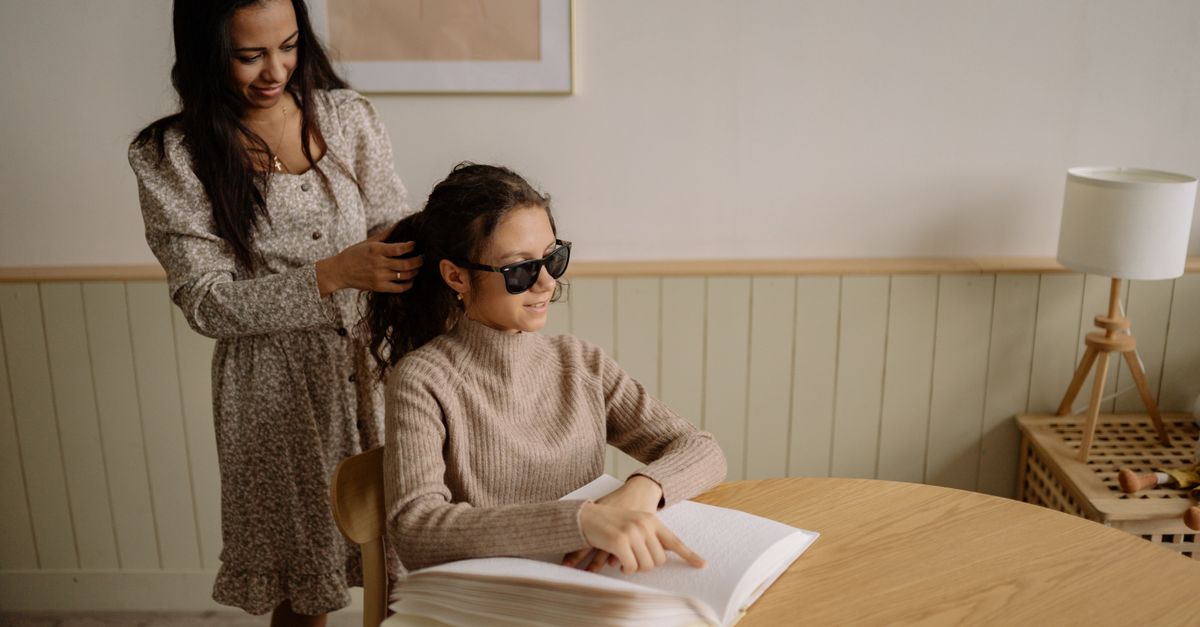
Medical professionals evaluating patients within this household structure must adopt a comprehensive, family-systems approach. The adult child frequently functions as an informal, unpaid healthcare provider, executing complex clinical care plans, managing dual medication regimens, and engineering the environment to prevent catastrophic orthopedic trauma. Simultaneously, the adult child must manage their own occupational stress and physical health.
Treating this domestic arrangement requires proactive, preventative medicine. Physicians must explicitly address the profound epidemiological vectors within the home, the aggressive management of dual geriatric multimorbidity, and the massive physiological stress placed on the adult child. By optimizing the physical environment and providing robust medical support to the caregiver, the clinical team preserves the biological integrity of the entire intergenerational unit.
2. Dual Geriatric Care and Complex Multimorbidity
When both parents reside in the home, the medical complexity of the environment doubles. It is highly probable that both aging adults are managing intersecting chronic diseases—such as type 2 diabetes, essential hypertension, severe osteoarthritis, and potentially early-stage cognitive decline. The coordination of this dual multimorbidity requires immense logistical, cognitive, and physical effort from the adult child.
The adult child must monitor two distinct physiological baselines. A diet optimized for a father’s congestive heart failure (severely sodium-restricted) may clash with the nutritional requirements of a mother experiencing severe unintentional weight loss. Managing these competing clinical requirements within a single household generates a high potential for medical error.
Physicians must treat the aging parents as an interconnected clinical dyad. Deprescribing non-essential medications to reduce the cognitive burden of polypharmacy, consolidating medical appointments, and ensuring their cardiovascular and metabolic conditions are tightly controlled are fundamental strategies for preserving the household’s stability and preventing the adult child from being overwhelmed by chaotic medical demands.
3. Epidemiological Convergence and Pathogen Vectors
The shared domestic space creates a highly efficient environment for the transmission of communicable diseases. The adult child, integrated into workplaces and the broader community, acts as a primary epidemiological vector, continuously importing novel respiratory and gastrointestinal pathogens directly into the domestic airspace.
The aging parents suffer from immunosenescence—the natural, progressive degradation of the cellular immune system associated with advanced age. When exposed to common community pathogens, such as rhinoviruses, influenza, or novel coronaviruses, the parents are at an extreme risk for severe morbidity. A simple viral infection contracted by the adult child at an office can rapidly progress to catastrophic, life-threatening bacterial pneumonia in the frail seniors.
To protect the vulnerable parents, the household must enforce stringent infection control protocols. This mandates strict hand hygiene, aggressive cross-ventilation of the home, and the immediate physical isolation of the adult child to a separate room and bathroom at the first sign of an infectious symptom to sever the chain of transmission.
4. Household Immunization and Herd Immunity
Because the biological risk of infection is so severe, preventative medicine via immunization is an absolute clinical necessity for the survival of the multigenerational household. The concept of “cocooning” must be implemented, where all eligible individuals within the home are maximally vaccinated to create a protective immunological perimeter around the most vulnerable residents.
The adult child must be entirely up to date on all seasonal vaccinations, including influenza and COVID-19 boosters, to prevent serving as a conduit for severe respiratory viruses. Simultaneously, the aging parents must receive high-dose seasonal influenza vaccines, updated pneumococcal vaccines to prevent severe lung infections, and the recombinant zoster vaccine to prevent debilitating shingles outbreaks.
By maximizing the localized herd immunity within the four walls of the home, the medical team significantly reduces the probability of a catastrophic infectious outbreak destroying the family unit and causing fatal geriatric complications.
5. Environmental Biomechanics for Aging Bodies
The physical architecture of the home must adapt to the failing biomechanics of the aging parents. Mechanical falls constitute the leading cause of fatal and non-fatal injuries among older adults. A slip on a staircase or a wet bathroom floor frequently results in a devastating femoral neck fracture (hip fracture) or a traumatic subdural hematoma.
The adult child must function as a proactive environmental engineer. The home must be rigorously modified to eradicate biomechanical threats. This involves removing all loose rugs, ensuring continuous, bilateral handrails on staircases, and installing high-lumen, motion-activated lighting to compensate for the parents’ age-related visual decline.
The bathroom requires the most intensive modification. Installing heavy-duty structural grab bars, utilizing non-slip mats, and securing elevated toilet seats are non-negotiable interventions. If the parents require mobility aids, the physical layout must accommodate walkers or wheelchairs seamlessly to protect their musculoskeletal integrity.
6. Polypharmacy Management for Multiple Adults
Executing a complex pharmacological regimen for two aging parents requires intact executive function and precise scheduling. Errors in self-medication—such as accidental double-dosing of potent antihypertensives or missing critical doses of insulin—are leading causes of physiological crises that precipitate emergency hospital admissions.
The adult child assumes the heavy cognitive burden of organizing these medications. Utilizing advanced, lockable daily blister packs, setting automated auditory alarms, and conducting visual verifications of medication ingestion are critical safety interventions.
Furthermore, the adult child serves as a vital clinical observer. If either parent begins to exhibit profound lethargy, unexplained bruising, or severe dizziness (orthostatic hypotension) leading to falls shortly after a medication change, the adult child must immediately alert the prescribing physician to adjust dosages and prevent fatal systemic toxicities.
7. Caregiver Syndrome and Physiological Exhaustion
The intense, multifaceted responsibility of providing continuous physical and emotional care to two aging parents generates a massive allostatic load on the adult child. The continuous activation of the caregiver’s sympathetic nervous system leads to sustained hypercortisolemia, significantly elevating their risk for systemic inflammation, severe sleep deprivation, and major depressive disorder.
The physical labor of assisting frail adults with transferring from beds, bathing, and navigating stairs places immense, repetitive sheer forces on the adult child’s musculoskeletal system. Caregivers frequently present with acute lumbar disc herniations, severe muscle spasms, and profound immunological suppression.
Physicians must explicitly acknowledge this dynamic during medical consultations. The health of the parents cannot be sustained if the primary caregiver experiences a physical or psychological collapse. Proactive medical intervention must include assessing the caregiver’s capacity, prescribing mechanical lifting devices (Hoyer lifts), and connecting the family with adult day care resources for mandatory clinical respite.
8. Cardiovascular Health and Shared Nutrition
Dietary habits are deeply influenced by the shared domestic environment. The communal nature of grocery procurement, meal planning, and cooking frequently leads to nutritional concordance across the household. In a health-conscious family, this alignment is a powerful therapeutic tool for managing cardiovascular health.
The adult child can enforce a heart-healthy, low-sodium dietary regimen tailored to manage the parents’ essential hypertension or congestive heart failure. Communal dining ensures structured meal times, regulates caloric intake, and prevents the clinical malnutrition (geriatric anorexia) that frequently plagues older adults living alone.
However, the adult child must ensure they consume adequate lean proteins and complex carbohydrates to sustain the high physical energy demands of their caregiving role and occupational duties, rather than merely subsisting on the specialized diets designed for their elderly parents.
9. Sleep Disruption and Acoustic Environments
Achieving restorative, uninterrupted sleep is a biological necessity that is routinely compromised in a caregiving household. Aging naturally degrades sleep architecture, reducing deep, slow-wave sleep. Aging parents may suffer from frequent nocturnal urination (nocturia), chronic pain, or the severe nocturnal confusion (sundowning) associated with dementia.
When the parents wake and move through the house, the adult child’s sleep is subsequently shattered. The brain is continuously jolted out of the restorative stages of sleep. Chronic sleep fragmentation leads directly to elevated serum cortisol, systemic insulin resistance, and severe daytime cognitive fatigue for the adult child.
To protect their neurobiological health, the caregiver must aggressively engineer the domestic environment. This may involve establishing rigid acoustic boundaries, utilizing high-fidelity white noise machines, and occasionally hiring overnight home health aides to ensure the adult child achieves unbroken, restorative sleep, preventing total physiological exhaustion.
10. Neurocognitive Preservation and Social Engagement
Profound social isolation is a potent biological toxin that suppresses cellular immunity and dramatically accelerates the progression of dementia in older adults. Residing in a multigenerational household completely eradicates solitary confinement and provides continuous neurological stimulation.
The continuous social interaction—engaging in daily conversations, discussing current events, and participating in household routines—requires complex verbal processing and emotional regulation. This continuous mental exercise stimulates the prefrontal cortex and builds cognitive reserve, delaying the clinical onset of severe cognitive decline.
The presence of the adult child provides immense psychological buffering. The reciprocal interactions trigger the release of oxytocin, which suppresses the hypothalamic-pituitary-adrenal axis, lowers resting blood pressure, and significantly reduces the incidence of major depressive disorder in the aging parents.
11. Managing Progressive Dementia
If one or both parents develop progressive neurocognitive disorders, such as Alzheimer’s disease or vascular dementia, the clinical demands placed on the adult child escalate exponentially. The environment must be secured to protect patients who have permanently lost the cognitive capacity to protect themselves.
The adult child must manage severe behavioral and psychological symptoms of dementia, including severe agitation, paranoia, and dangerous nocturnal wandering. This requires intense environmental modification, such as installing complex locks on exterior doors and disabling access to hazardous kitchen appliances to prevent domestic fires.
The continuous vigilance required to keep a dementia patient safe causes profound psychological burnout in the caregiver. Physicians must provide extensive psychoeducation regarding disease progression and non-pharmacological de-escalation techniques, while simultaneously preparing the family for the eventual, medically necessary transition to a secure memory care facility.
12. Clinical Coordination of Outpatient Services
The adult child acts as a vital health advocate and logistical coordinator within the complex outpatient healthcare system. They assist in scheduling appointments, providing transportation, and navigating complex insurance or hospital bureaucracies for both parents simultaneously.
During medical consultations, the adult child serves as a secondary, objective historian. They can provide the physician with accurate timelines regarding the onset of symptoms, such as subtle memory loss or increasing breathlessness, which the parents themselves may minimize to avoid becoming a “burden.”
This collaborative approach to healthcare navigation ensures that the patients attend necessary preventative screenings and manage their chronic conditions proactively. Healthcare providers must actively include the adult child in care planning, ensuring they explicitly comprehend all discharge instructions and medication modifications.
13. Structural Adaptations for Lifelong Health
Optimizing the home for dual geriatric care requires proactive planning and structural foresight to prevent catastrophic injuries.
| Geriatric Hazard | Necessary Domestic/Clinical Mitigation |
|---|---|
| Mechanical Fall Trauma | Absolute removal of tripping hazards; installation of bathroom grab bars |
| Respiratory Viral Transmission | Aggressive cross-ventilation and maximum household immunizations |
| Caregiver Musculoskeletal Injury | Prescription of mechanical lifting devices and ergonomic training |
| Polypharmacy Errors | Utilization of locked, automated daily medication dispensers |
By treating the physical structure of the home as a dynamic extension of the healthcare plan, the family ensures that the environment continuously supports the biological needs of the aging parents while safeguarding the physical resilience of the adult child.
14. Frequently Asked Questions (FAQ)
1. Why is a simple cold from my office so dangerous for my parents?
As people age, their immune system naturally weakens. While a virus causes a simple runny nose in a younger adult, your parents’ bodies cannot fight it off efficiently. That same virus can rapidly travel deep into their lungs, causing severe, life-threatening bacterial pneumonia. Strict handwashing and isolation are mandatory when you are sick.
2. How does living with me help protect their brain health?
Interacting with you requires constant communication, emotional regulation, and problem-solving. This intense daily social interaction forces their brains to process new information, which builds stronger neural pathways. This acts as a powerful biological defense mechanism to significantly delay the severe symptoms of dementia.
3. Why do I feel so physically destroyed and depressed caring for them?
You are experiencing severe caregiver burnout. The physical labor of assisting two adults, combined with chronic lack of sleep and the emotional pain of watching them decline, generates massive, toxic stress. This severely damages your nervous system and immune health. It is a genuine medical crisis requiring immediate respite care.
4. What can I do to protect my back when helping them out of bed or the shower?
Never use your lower back to lift another adult. You must consult a physical therapist to learn safe biomechanical transfer techniques. If they cannot bear weight, your doctor must prescribe a mechanical lifting device (like a Hoyer lift) to prevent you from suffering a permanent, crippling spinal injury.
5. How do I know when it is time to move them to a nursing home?
When you can no longer safely lift them after a fall, when their dementia causes them to wander out of the house at night, or when your own physical or mental health collapses, the domestic environment is no longer safe. Moving them to a facility guarantees they receive the 24-hour skilled care they require to survive.
15. Bibliography
Disclaimer: The content is for informational purposes only and does not replace medical advice. Always consult your doctor for personalized treatment.