
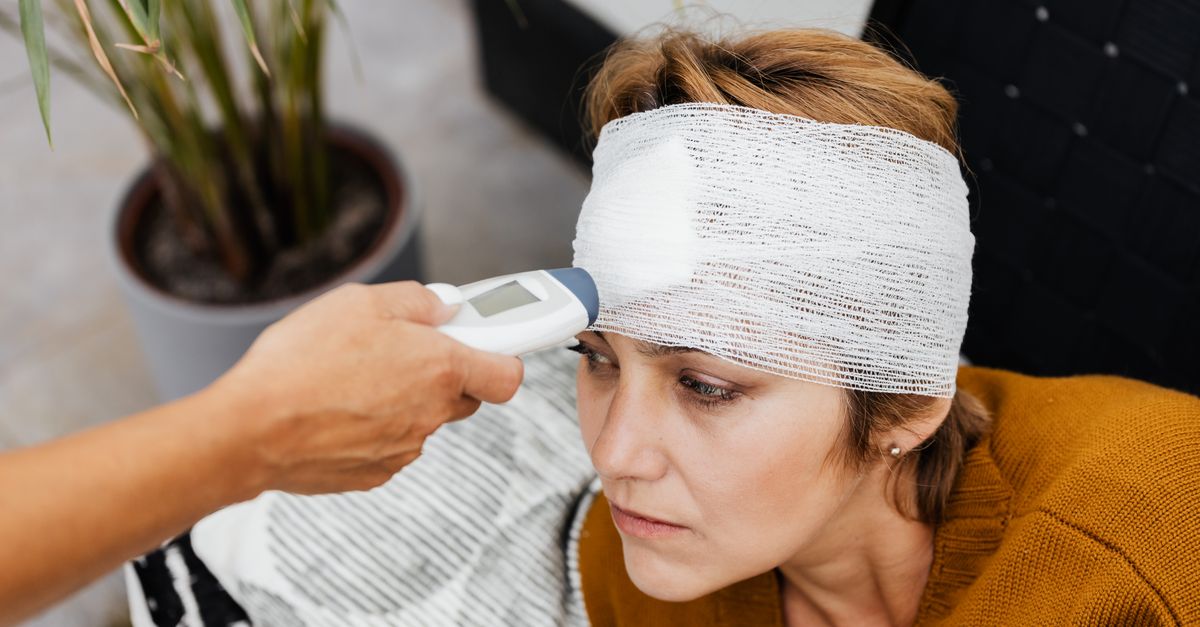
1. Introduction to Low-Grade Pyrexia
A low-grade pyrexia is a mild elevation in body temperature, typically ranging from 37.5 to 38.3 degrees Celsius (99.5 to 100.9 degrees Fahrenheit), indicating an underlying systemic inflammatory or infectious process. Normal human core body temperature fluctuates throughout the day, governed by circadian rhythms, hormonal cycles, and physical activity levels. However, when the body temperature persistently hovers just above the normal baseline, it ceases to be a physiological variation and becomes a clinical sign of biological disruption.
Unlike high-grade fevers that present with profound rigors, severe lethargy, and acute systemic distress, a low-grade pyrexia can be highly insidious. Patients often experience vague symptoms such as chronic fatigue, mild night sweats, generalized muscle aches, and a pervasive sense of malaise. The mild nature of the temperature elevation frequently leads to delays in seeking medical attention.
The diagnostic challenge for physicians lies in the vast array of potential etiologies. A low-grade fever is not a disease itself; it is a universal physiological response. Determining whether this response is triggered by a smoldering chronic infection, an early-stage autoimmune disease, a hidden malignancy, or a medication reaction requires a meticulous, structured clinical investigation.
2. Thermoregulation and the Hypothalamus
To understand pyrexia, one must understand the body’s internal thermostat, located in a region of the brain known as the hypothalamus. The anterior hypothalamus contains thermoregulatory neurons that continuously monitor blood temperature and receive signals from peripheral thermal receptors in the skin.
In a healthy state, the hypothalamus sets a biological set-point, maintaining core temperature within a narrow, safe range. When the immune system detects an invading pathogen or cellular damage, it deploys white blood cells. These immune cells release specialized biochemical signaling molecules called exogenous pyrogens (from the pathogen) and endogenous pyrogens (cytokines like Interleukin-1 and Tumor Necrosis Factor).
These pyrogenic cytokines travel through the bloodstream, cross the blood-brain barrier, and interact with the hypothalamus. They induce the production of prostaglandin E2, a potent lipid compound that essentially dials up the hypothalamic set-point. The body suddenly perceives its normal temperature as too cold and initiates heat-generating mechanisms, such as shivering and peripheral vasoconstriction, resulting in a clinical fever.
3. Viral Syndromes and Acute Infections
The most frequent cause of transient low-grade pyrexia in the general population is acute viral infection. The upper respiratory tract is a prime target for rhinoviruses, adenoviruses, and mild strains of influenza. These common pathogens provoke a localized immune response that generates sufficient systemic cytokines to raise the basal body temperature mildly.
Viral syndromes are typically self-limiting. The low-grade pyrexia generally resolves within three to seven days as the adaptive immune system clears the viral load. These episodes are usually accompanied by localized symptoms such as rhinorrhea, pharyngitis, or a non-productive cough, making the diagnosis clinically straightforward.
However, certain viruses establish latent or chronic infections that can cause persistent or recurrent low-grade fevers. The Epstein-Barr virus, responsible for infectious mononucleosis, and Cytomegalovirus are notorious for causing prolonged periods of low-grade pyrexia, profound chronic fatigue, and mild lymphadenopathy extending for weeks or months following the initial acute infection.
4. Occult Bacterial Infections
When a low-grade pyrexia persists without obvious viral respiratory symptoms, physicians must actively search for hidden, localized bacterial infections. These occult infections can smolder silently in deep anatomical spaces, provoking a continuous, mild systemic inflammatory response without triggering the acute, high-grade fevers typically associated with bacterial sepsis.
Dental abscesses are a classic occult source. Chronic inflammation at the apex of a tooth root can harbor significant bacterial colonies, constantly releasing low levels of pyrogens into the bloodstream. Similarly, chronic sinusitis, chronic prostatitis in males, and recurrent, low-grade urinary tract infections in females can present primarily with isolated mild temperature elevations and generalized malaise.
Tuberculosis, a severe mycobacterial infection, frequently presents in its early stages with a classic triad: persistent low-grade pyrexia (often peaking in the late afternoon), drenching night sweats, and unintentional weight loss. Detecting these occult bacterial sources requires meticulous physical examinations and targeted diagnostic imaging.
5. Autoimmune and Rheumatological Triggers
The immune system’s primary function is to attack foreign invaders. In autoimmune disorders, this highly regulated system loses self-tolerance, misidentifying the body’s own healthy tissues as foreign and launching a sustained inflammatory attack. This chronic, systemic inflammation continually stimulates the hypothalamus, resulting in a persistent low-grade pyrexia.
Systemic Lupus Erythematosus and Rheumatoid Arthritis are prominent rheumatological causes. Patients frequently report that a flare-up of their joint pain and stiffness is heralded by days or weeks of low-grade fever. The pyrexia is a direct reflection of the circulating inflammatory cytokines destroying the synovial tissues and vascular endothelium.
Adult-Onset Still’s Disease and various forms of vasculitis (inflammation of the blood vessels) are less common but classic causes of prolonged fevers. Diagnosing these conditions relies heavily on specialized serological testing for specific autoantibodies and inflammatory markers, as the physical symptoms can mimic chronic infections perfectly.
6. Neoplastic Causes of Chronic Fever
Malignant neoplasms can independently generate pyrogenic cytokines, completely bypassing the normal infectious immune response. This phenomenon, known as a tumor or neoplastic fever, is a well-documented paraneoplastic syndrome.
Hematological malignancies, specifically Hodgkin and Non-Hodgkin lymphomas, are the most frequent oncological drivers of persistent low-grade pyrexia. In lymphoma, the fever is classically described as a Pel-Ebstein fever, characterized by several days of elevated temperature followed by days or weeks of normal temperature, repeating in a cyclical pattern.
Solid organ tumors, particularly renal cell carcinoma, hepatocellular carcinoma, and advanced lung cancers, can also cause continuous low-grade fevers. Tumor necrosis—the rapid death of cancer cells at the core of a fast-growing mass due to poor blood supply—releases massive amounts of intracellular debris into the bloodstream, provoking a potent pyrogenic inflammatory response.
7. Drug-Induced Hyperthermia
A frequently overlooked but highly relevant cause of unexplained temperature elevation is the pharmacological action of prescribed medications. Drug-induced fever represents a hypersensitivity reaction to a specific chemical compound. The fever typically develops days to weeks after initiating the new medication and resolves promptly upon its discontinuation.
Antibiotics, paradoxically used to treat fever-causing infections, are common culprits. Penicillins, cephalosporins, and sulfonamides frequently induce mild immune reactions that manifest as isolated low-grade pyrexia, sometimes accompanied by a faint maculopapular rash.
Antiepileptic medications (like phenytoin), anti-arrhythmic drugs, and specific antihypertensives can also disrupt thermoregulation or induce hypersensitivity. In clinical practice, any patient presenting with an unexplained prolonged fever must undergo a rigorous review of their entire medication list, including over-the-counter supplements and herbal preparations.
8. Endocrine Disorders and Metabolism
Body temperature is fundamentally linked to the basal metabolic rate, which is governed by the endocrine system. Conditions that drastically increase metabolic output can cause the body to generate excess heat, overriding the hypothalamic set-point and resulting in a continuous low-grade fever.
Hyperthyroidism, particularly during an acute flare such as a thyroid storm, floods the system with thyroxine. This hormone accelerates cellular metabolism globally, producing significant excess heat. Patients present with low-grade pyrexia, resting tachycardia, excessive diaphoresis, and severe weight loss despite a ravenous appetite.
Subacute thyroiditis, an inflammatory condition of the thyroid gland often triggered by a preceding viral infection, classically causes a painful, tender neck mass accompanied by a persistent low-grade fever and transient signs of hyperthyroidism as stored thyroid hormones leak from the damaged gland into the bloodstream.
9. Clinical Evaluation and Patient History
Evaluating a patient with a persistent low-grade pyrexia demands the meticulous investigative skills of a clinician. Because the potential causes span multiple medical specialties, the patient history is the most critical diagnostic tool.
Physicians inquire about the exact pattern of the fever. Does it spike in the morning or evening? Is it accompanied by true rigors (violent shivering) or merely mild chills? A detailed travel history is mandatory to rule out endemic infections like malaria or Lyme disease. A thorough review of occupational exposures, contact with animals, and sexual history provides vital clues to hidden pathogens.
The physical examination must be exhaustive. The physician palpates all accessible lymph node chains, performs a detailed cardiopulmonary auscultation to rule out endocarditis, and conducts a thorough dermatological inspection to identify hidden rashes, insect bites, or subtle signs of autoimmune vasculitis.
10. Laboratory Testing and Biomarkers
When the history and physical examination do not reveal an obvious source, laboratory testing provides objective biochemical data to narrow the differential diagnosis. A complete blood count with a differential is the baseline investigation. An elevated white blood cell count with a left shift (increased immature neutrophils) suggests a bacterial source, while a predominance of lymphocytes points toward a viral etiology.
Inflammatory markers, specifically the Erythrocyte Sedimentation Rate and C-Reactive Protein, are universally elevated in chronic pyrexia. While these tests are highly sensitive for detecting inflammation, they are notoriously non-specific; they confirm a problem exists but do not identify the cause.
Comprehensive metabolic panels evaluate hepatic and renal function. Repeated blood cultures drawn from different anatomical sites are essential if a deep bacterial infection or infective endocarditis is suspected. Specialized serological panels are subsequently ordered to screen for specific autoimmune antibodies, viral titers, or hidden infections like HIV and syphilis.
11. Imaging Studies for Occult Sources
If laboratory blood work remains inconclusive, advanced diagnostic imaging is employed to physically visualize the internal anatomy and locate silent sources of inflammation or malignancy.
A standard chest radiograph is performed initially to rule out occult pulmonary tuberculosis or silent pneumonias. However, computed tomography scans of the chest, abdomen, and pelvis provide a far superior, highly detailed cross-sectional view of the deep visceral organs, identifying hidden abscesses, enlarged lymph nodes, or silent neoplastic masses.
When structural imaging fails to find a source, physicians may utilize functional imaging. A positron emission tomography scan highlights areas of high metabolic activity throughout the body. It is highly sensitive for detecting hidden areas of inflammation, deep-seated infections, or metabolically active cancer cells that appear structurally normal on standard computed tomography scans.
12. Symptomatic Management and Antipyretics
The clinical approach to managing the fever itself depends entirely on the patient’s underlying health status and physiological tolerance. Fever is an adaptive immune mechanism; the elevated temperature creates a hostile environment for invading pathogens and enhances the efficiency of white blood cells.
For a healthy adult with a mild viral infection, suppressing a low-grade pyrexia is generally unnecessary unless the patient is experiencing significant discomfort, muscle aches, or dehydration. When symptomatic relief is required, antipyretic medications such as acetaminophen or non-steroidal anti-inflammatory drugs like ibuprofen are highly effective.
These medications work by crossing the blood-brain barrier and inhibiting the specific enzymes responsible for synthesizing prostaglandin E2 in the hypothalamus, directly resetting the biological thermostat back to baseline. However, in cases of chronic, undiagnosed fever, physicians sometimes avoid prescribing continuous antipyretics, as masking the fever pattern can obscure vital diagnostic clues.
13. Differential Diagnosis of Pyrexia (Table)
Categorizing the potential etiologies aids in a structured clinical workup.
| Category | Common Specific Causes | Associated Clinical Clues |
|---|---|---|
| Infectious (Acute) | Viral upper respiratory tract, Influenza | Cough, sore throat, resolves in 3-7 days |
| Infectious (Chronic) | Tuberculosis, Epstein-Barr virus, Dental abscess | Night sweats, severe fatigue, localized pain |
| Autoimmune | Systemic Lupus, Rheumatoid Arthritis | Joint pain, specific rashes, morning stiffness |
| Neoplastic | Lymphoma, Renal Cell Carcinoma | Painless lymph nodes, cyclical fever patterns |
| Drug-Induced | Antibiotics, Anticonvulsants | Recent medication change, mild skin rash |
14. When to Seek Urgent Medical Attention
While a low-grade pyrexia is usually not an immediate emergency, specific accompanying symptoms require urgent medical evaluation to rule out life-threatening complications.
If a low-grade fever is accompanied by severe neck stiffness, confusion, or photophobia (sensitivity to light), immediate evaluation for meningitis is mandatory. Shortness of breath, chest pain, or a severe, unrelenting headache also warrant rapid assessment.
Special populations must treat even mild fevers as potential emergencies. Infants under three months of age, elderly patients with significant comorbidities, and individuals who are immunocompromised (such as those undergoing chemotherapy or taking immunosuppressive transplant medications) lack the robust immune response necessary to fight off simple infections. In these patients, a low-grade pyrexia might be the only subtle sign of an overwhelming, rapidly progressing systemic infection.
15. Frequently Asked Questions (FAQ)
1. What specific temperature qualifies as a low-grade pyrexia?
In general clinical practice, a low-grade fever is a core body temperature persistently measuring between 37.5°C and 38.3°C (99.5°F and 100.9°F).
2. Can stress or anxiety cause a low-grade fever?
Yes, in rare cases. Severe, acute psychological stress can provoke a condition known as psychogenic fever, where the autonomic nervous system drives a slight elevation in core temperature independent of any infection or inflammation.
3. Should I always take medication to lower a mild fever?
No. Fever is your body’s natural mechanism for fighting off pathogens. Unless the fever is causing you significant body aches or discomfort, it is often best to stay hydrated, rest, and let the immune system function.
4. When should I see a doctor for a low-grade fever that won’t go away?
If the mild fever persists continuously for more than a week without any obvious cold symptoms, or if it is accompanied by unintentional weight loss or night sweats, you should schedule a thorough medical evaluation.
5. Why is my temperature normal in the morning but elevated in the evening?
Human body temperature naturally follows a circadian rhythm, peaking in the late afternoon or early evening. A smoldering infection or inflammation will exaggerate this natural rhythm, making the fever most noticeable at night.
16. Bibliography
Disclaimer: The content is for informational purposes only and does not replace medical advice. Always consult your doctor for personalized treatment.



