1. Introduction
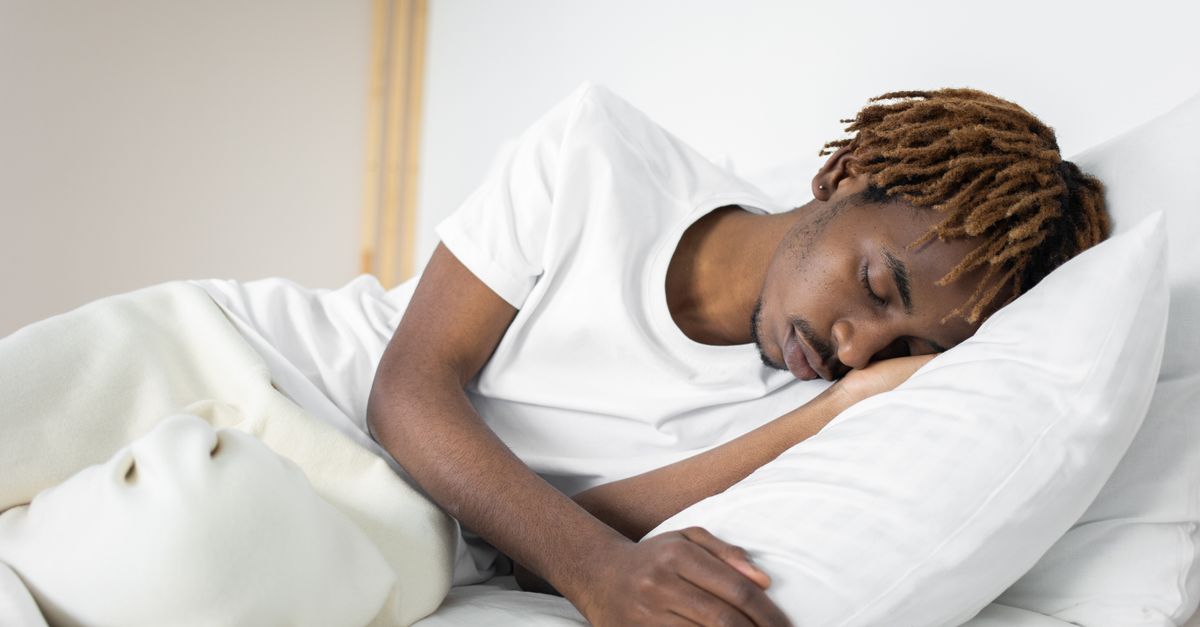
Chronic lack of sleep can cause a persistent low-grade fever by severely disrupting the central thermoregulatory centers in the brain. When the body is deprived of restorative rest, it induces a state of systemic inflammation and alters the natural circadian rhythms governing temperature control. This results in a mild, persistent elevation of core body temperature that mimics the early stages of a mild infection, despite the absence of an actual pathogen.
The human body requires cyclical periods of sleep to recalibrate its autonomic nervous system and manage immune function. Without this nightly maintenance, the brain remains in a constant state of hyperarousal. This stress response floods the bloodstream with inflammatory chemicals that actively instruct the hypothalamus to raise the body’s internal thermostat.
Recognizing that a low-grade fever can be purely psychogenic or neurogenic in origin prevents unnecessary diagnostic anxiety. A structured clinical evaluation ensures no hidden infections are present, confirming that the elevated temperature is a direct physiological consequence of sleep debt. Correcting the underlying insomnia reliably resets the internal thermostat and eliminates the thermal dysregulation.
2. The Hypothalamus and Thermoregulation
The hypothalamus is a small, vital structure located deep within the brain, acting as the body’s central biological thermostat. It continuously monitors the temperature of the blood flowing through the brain and receives data from thermal receptors located in the skin and internal organs.
When the hypothalamus detects a deviation from the optimal core temperature, it orchestrates a systemic response. To cool down, it commands peripheral blood vessels to dilate and sweat glands to activate. To warm up, it induces vasoconstriction and shivering.
This precise thermal regulation relies on a stable neurochemical environment. Sleep deprivation fundamentally alters the concentration of neurotransmitters in the brain, effectively short-circuiting the hypothalamus. The thermostat receives conflicting data, frequently responding by raising the baseline temperature set point slightly above normal, creating a persistent low-grade fever.
3. Circadian Rhythms of Body Temperature
Core body temperature is not a static number; it follows a predictable, twenty-four-hour cycle known as a circadian rhythm. Under normal physiological conditions, body temperature peaks in the late afternoon and begins a steady decline in the evening, reaching its lowest point during the deepest stages of sleep in the early morning hours.
This nocturnal temperature drop is biologically necessary to initiate and sustain deep, restorative sleep. When an individual suffers from severe insomnia or intentionally restricts their sleep, this natural thermal cycle is aborted.
Because the body is denied the prolonged cooling phase that occurs during sleep, the baseline temperature never resets. The individual begins the following day operating at a slightly higher thermal baseline. Over several days or weeks of chronic sleep restriction, this thermal buildup manifests clinically as a continuous, low-grade fever.
4. Sleep Architecture and Thermal Cooling
The relationship between sleep architecture and temperature is deeply intertwined. Non-rapid eye movement sleep, particularly the deep, slow-wave stages, is characterized by a significant decrease in metabolic rate and muscle tone. This reduction in metabolic activity drastically reduces internal heat production.
Simultaneously, the parasympathetic nervous system dominates during these deep sleep stages, promoting peripheral vasodilation. Blood is pushed to the surface of the skin, allowing massive amounts of core heat to radiate away from the body into the environment.
When a patient is chronically sleep-deprived, they lose these essential cooling mechanisms. The body remains metabolically active, continuously generating heat without ever engaging the neurological protocols designed to dissipate it effectively. The trapped heat contributes directly to the elevated body temperature.
5. The Immune System Response to Sleep Loss
Sleep and the immune system share a bidirectional relationship. Restorative sleep is required to maintain a balanced, healthy immune response. When sleep is withheld, the immune system perceives the physiological stress as an imminent threat or an active injury, despite the absence of any invading bacteria or viruses.
In response to this perceived threat, the body activates its innate immune pathways. White blood cells are mobilized, and the systemic immune system shifts into a defensive, highly active posture.
This state of false alarm forces the immune system to behave exactly as it would during the early stages of a mild viral illness. The activation of these defense networks is a primary driver of the physical exhaustion, body aches, and slight temperature elevations reported by severely sleep-deprived patients.
6. Systemic Inflammation and Cytokine Release
The specific mechanism by which the immune system raises body temperature involves inflammatory signaling molecules known as cytokines. During periods of chronic sleep loss, the concentration of pro-inflammatory cytokines, specifically interleukin-6 and tumor necrosis factor-alpha, increases significantly in the bloodstream.
These cytokines are endogenous pyrogens, meaning they are chemical messengers specifically designed to generate a fever. They travel directly to the hypothalamus and instruct it to raise the thermal set point.
Because the sleep deprivation is continuous, the release of these inflammatory cytokines is sustained. The hypothalamus complies with the continuous chemical commands, locking the body into a state of persistent, low-grade fever driven entirely by neuro-inflammation rather than an external infectious agent.
7. Psychogenic Fever and Chronic Stress
The concept of psychogenic fever, also known as stress-induced hyperthermia, explains how acute psychological or physiological stress elevates core temperature. Sleep deprivation is an intense biological stressor that forces the brain to rely heavily on the sympathetic nervous system to maintain wakefulness.
This state of chronic hyperarousal triggers the continuous release of adrenaline and cortisol from the adrenal glands. High levels of circulating adrenaline cause widespread peripheral vasoconstriction, clamping down the blood vessels in the skin and preventing heat from escaping the body.
Simultaneously, the stress response increases the basal metabolic rate, generating extra heat internally. This combination of increased heat production and prevented heat loss results in a distinct, measurable rise in core body temperature, purely as a consequence of the agitated autonomic state.
8. Defining a Persistent Low-Grade Fever
In clinical practice, normal core body temperature ranges from 97 to 99 degrees Fahrenheit. A true high-grade fever, indicative of a significant infection, is generally defined as a temperature exceeding 100.4 degrees Fahrenheit.
A persistent low-grade fever falls within a very narrow clinical window, typically hovering between 99.1 and 100.3 degrees Fahrenheit. For patients experiencing sleep-induced thermal dysregulation, the temperature rarely spikes dangerously high. Instead, it remains stubbornly elevated within this low-grade range for days or weeks.
The patient frequently feels subjectively feverish, experiencing mild chills, flushing, or a general sense of feeling unwell, despite the thermometer registering only a mild numerical elevation. This persistent elevation is exhausting and heavily compounds the underlying fatigue of the sleep debt.
9. Metabolic Heat Production
Staying awake for prolonged periods requires continuous cellular energy expenditure. The brain, which consumes a massive portion of the body’s energy reserves, is forced to operate non-stop. The skeletal muscles remain tense and engaged rather than entering the relaxed paralysis of sleep.
This relentless cellular activity relies on the continuous metabolism of glucose and adenosine triphosphate. The fundamental byproduct of all cellular metabolism is thermal energy.
Because the metabolic engines never power down for the night, the body constantly generates internal heat. The thermoregulatory system struggles to clear this continuous thermal exhaust, allowing the excess heat to accumulate and register systemically as a low-grade fever.
10. Autonomic Nervous System Dysregulation
The autonomic nervous system balances the active, stressful demands of the day with the restorative, cooling demands of the night. Chronic sleep deprivation causes autonomic dysautonomia, where the sympathetic branch becomes overly dominant and the parasympathetic branch fails to engage properly.
This dysregulation affects every system controlling body temperature. Sweating responses may become erratic, failing to activate when the core temperature rises slightly. Peripheral blood vessels may fail to dilate appropriately to release heat.
The loss of this delicate, automated regulation means the body essentially loses its ability to fine-tune its internal climate. The default state becomes one of mild hyperthermia, maintained by a nervous system that is too exhausted to execute complex cooling protocols.
11. Differentiating Sleep Loss Fever from Infection
Clinicians must carefully distinguish between a fever caused by sleep deprivation and one caused by an occult infection or underlying systemic disease.
| Diagnostic Feature | Sleep-Deprived Thermal Dysregulation | Infectious Etiology |
|---|---|---|
| Temperature Pattern | Steady, low-grade (99.1°F – 100.3°F) | Can spike rapidly above 101°F |
| Response to Sleep | Resolves completely after restorative rest | Persists regardless of sleep quantity |
| Accompanying Symptoms | Severe fatigue, brain fog, heavy eyes | Localized pain, severe cough, purulent discharge |
| Inflammatory Markers (CRP) | Mildly elevated or normal | Significantly elevated indicating active disease |
Charting these specific differences guides the physician away from unnecessary antibiotic prescriptions and toward sleep rehabilitation strategies.
12. The Impact of Shift Work and Insomnia
Populations suffering from severe circadian disruption are highly prone to psychogenic fevers. Shift workers, particularly those rotating frequently between day and night shifts, never allow their hypothalamus to establish a reliable thermal baseline.
Because they attempt to sleep during the day, when the biological drive for core body temperature is naturally rising, their sleep is shallow and unrefreshing. The thermal cycle becomes completely inverted and chaotic.
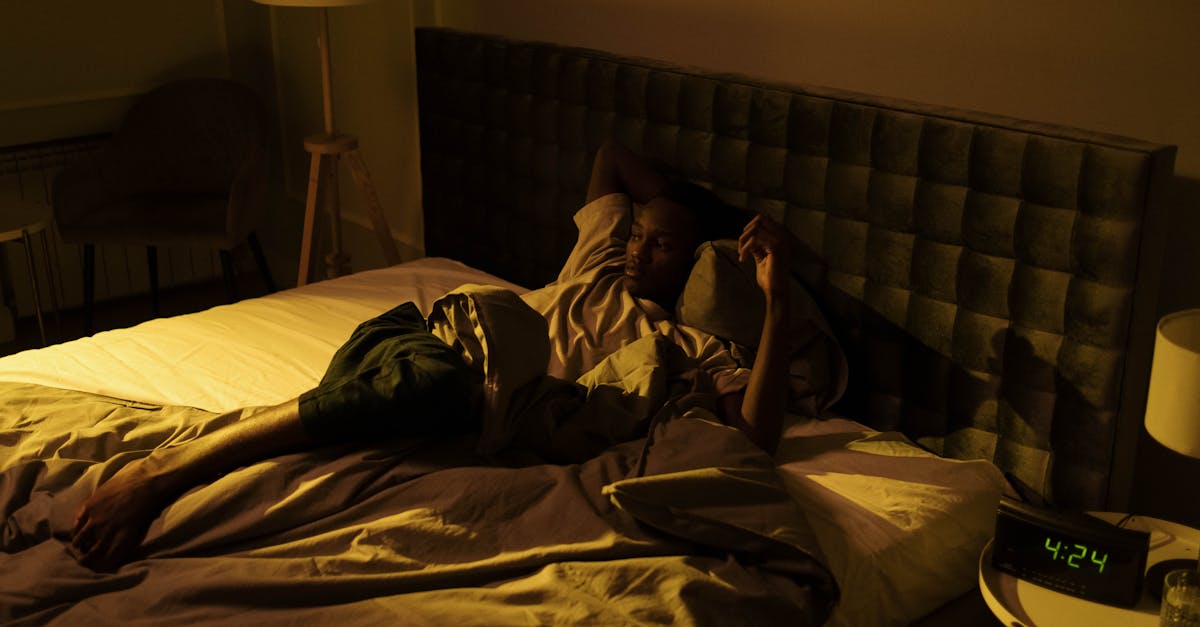
Similarly, patients with severe clinical insomnia endure a chronic state of hyperarousal. Their inability to initiate sleep despite extreme fatigue maintains their systemic inflammation and sympathetic dominance, virtually guaranteeing the eventual development of thermal irregularities and a persistent feeling of being feverish.
13. Diagnostic Evaluation of Unexplained Fever
When a patient presents with a persistent low-grade fever, a thorough medical evaluation is required to rule out indolent infections, such as tuberculosis or endocarditis, and autoimmune conditions like lupus, which also cause chronic mild temperature elevations.
The clinical assessment includes a complete blood count, erythrocyte sedimentation rate, and thyroid function tests. Hyperthyroidism significantly increases the metabolic rate and can cause chronic low-grade fevers and concurrent insomnia.
If the laboratory results are entirely normal and the physical examination reveals no source of infection, a detailed sleep history becomes the primary diagnostic tool. Confirming a pattern of severe, chronic sleep deprivation provides the definitive etiology for the fever of unknown origin.
14. Sleep Hygiene and Restorative Protocols
Treating a sleep-induced low-grade fever relies entirely on breaking the cycle of insomnia and reestablishing restorative rest. Aggressive sleep hygiene protocols are mandatory. This includes setting a rigid, non-negotiable bedtime and wake time to retrain the hypothalamus.
Patients must strictly avoid exposure to blue light from screens for at least two hours before bed, as blue light severely suppresses endogenous melatonin production. The sleeping environment must be optimized, remaining exceptionally dark, quiet, and cool to facilitate the natural drop in core body temperature required for sleep onset.
Cognitive behavioral therapy for insomnia is highly effective in managing the anxiety and hyperarousal that prevent sleep, addressing the psychological stress that fuels the sympathetic nervous system overdrive.
15. Reestablishing Autonomic Balance
Once the patient begins to achieve consistent, deep sleep, the physiological recovery is rapid. As non-rapid eye movement sleep is restored, the parasympathetic nervous system regains its regulatory tone.
The systemic inflammation subsides as the immune system ceases the overproduction of pro-inflammatory cytokines. Without these chemical pyrogens demanding a higher set point, the hypothalamus successfully recalibrates the internal thermostat back to normal.
The peripheral blood vessels regain their ability to dilate and release heat efficiently. Typically, within a few days to a week of achieving robust, restorative rest, the persistent low-grade fever dissipates entirely, confirming the direct physiological link between severe sleep debt and systemic thermal dysregulation.
16. Frequently Asked Questions FAQ
1. Why do I feel like I have a fever when I am exhausted, but the thermometer says I don’t?
Severe exhaustion keeps your nervous system on high alert, causing your blood vessels to constrict and trapping heat in your core. You physically feel hot and flushed because your body cannot release the heat properly, even if your internal temperature has only risen by a fraction of a degree.
2. How long do you have to be sleep-deprived to get a low-grade fever?
It varies by individual, but typically, several consecutive nights of severe sleep restriction (less than four hours per night) or weeks of chronic, fragmented sleep are required to build up enough systemic inflammation to alter your body’s thermostat.
3. Will taking fever-reducing medicine help me feel better if the fever is from lack of sleep?
Medications like acetaminophen or ibuprofen may temporarily lower the temperature and reduce mild inflammation, but they do not treat the root cause. You will continue to feel exhausted and feverish once the medication wears off until you obtain restorative sleep.
4. Can lack of sleep make a real viral fever worse?
Yes. Sleep deprivation severely weakens your immune system’s ability to fight off a pathogen efficiently. If you catch a virus while sleep-deprived, the infection can be more severe, and the resulting fever can spike much higher than it would in a well-rested state.
5. Does the room temperature matter if I am trying to sleep off this fever?
Yes, keeping your bedroom very cool (around 65 degrees Fahrenheit) is critical. A cool environment actively helps your body lower its core temperature, which is a biological requirement for your brain to initiate and sustain deep sleep.
17. Bibliography
Disclaimer: The content is for informational purposes only and does not replace medical advice. Always consult your doctor for personalized treatment.