1. Introduction to Menstrual Spotting
Menstrual spotting refers to light, irregular vaginal bleeding that occurs outside the regular menstrual window. Clinically defined as bleeding that requires merely a panty liner rather than full sanitary protection, spotting is a highly common presentation in gynecological practice. While it frequently results from benign hormonal fluctuations, it can also act as the primary clinical indicator for underlying structural lesions or infectious processes within the reproductive tract.
The medical evaluation of intermenstrual bleeding requires careful differentiation between physiological events, such as ovulation, and pathological conditions. Healthcare providers approach this symptom by meticulously tracking the timing of the spotting relative to the menstrual cycle, assessing concurrent symptoms, and determining the patient hormonal status.
Prompt identification of the etiology allows clinicians to offer targeted interventions. Whether providing reassurance for benign ovulatory spotting, adjusting contraceptive dosages, or surgically removing structural polyps, accurate diagnosis alleviates patient anxiety and ensures the long-term health of the reproductive system.
2. Differentiating Spotting from True Menstruation
A fundamental clinical task is defining what constitutes spotting versus true menstrual bleeding. True menstruation is the coordinated, cyclical shedding of the entire endometrial lining following the withdrawal of estrogen and progesterone. It involves a progressive flow that requires tampons or pads and lasts several days.
Spotting, by contrast, involves small, intermittent volumes of blood. The blood may appear bright red, pink, or dark brown if it has taken longer to exit the vaginal canal. It can occur randomly or follow a specific pattern, such as appearing consistently mid-cycle or immediately before a period begins.
If bleeding occurring between periods becomes heavy enough to require standard sanitary products, it is no longer classified as spotting but as metrorrhagia (abnormal uterine bleeding), which warrants a more aggressive clinical workup.
3. Ovulatory Spotting: A Physiological Event
A significant percentage of menstrual spotting is entirely physiological, occurring precisely in the middle of the menstrual cycle. This is known as ovulatory spotting.
In a normal cycle, estrogen levels peak just prior to ovulation. Immediately after the egg is released, estrogen levels briefly and sharply decline before progesterone production fully takes over. This transient drop in estrogen can briefly destabilize the endometrial lining, causing a small amount of tissue to shed.
Ovulatory spotting is typically light, lasts only a day or two, and is often accompanied by mild, unilateral pelvic pain known as mittelschmerz. Clinicians reassure patients that this specific pattern is benign and indicative of a functioning ovulatory cycle.
4. Implantation Bleeding and Early Pregnancy
For sexually active women of reproductive age, spotting that occurs a few days before an expected period can indicate early pregnancy. This phenomenon is known as implantation bleeding.
Roughly six to ten days after fertilization, the developing embryo burrows into the vascularized endometrial lining of the uterus. This physical invasion can rupture small capillaries, resulting in light spotting. Implantation spotting is usually very sparse, lasts only a short time, and does not progress into a heavy flow.
Because spotting can also signify early pregnancy complications, such as a threatened miscarriage or an ectopic pregnancy, medical providers strongly recommend a urine or serum pregnancy test for any unexpected bleeding that replaces a normal menstrual period.
5. Hormonal Contraceptive Adaptation
The initiation of hormonal contraceptives—including pills, patches, rings, and particularly hormonal intrauterine devices (IUDs) and implants—frequently induces irregular spotting. This is clinically referred to as breakthrough bleeding.
Breakthrough bleeding occurs as the endometrium adjusts to the continuous, exogenous supply of hormones. Synthetic progestins create a highly thin, fragile endometrial lining that can easily slough off in small amounts.
This spotting is extremely common during the first three to six months of using a new method. Clinicians counsel patients to anticipate this adjustment period. If the spotting persists beyond six months, adjusting the estrogen-to-progestin ratio of the contraceptive formulation usually resolves the issue.
6. Structural Lesions: Polyps and Fibroids
Benign structural abnormalities within the uterus or cervix are frequent causes of random intermenstrual spotting. Uterine polyps are soft, localized overgrowths of the endometrial tissue. They are highly vascular and fragile, prone to bleeding spontaneously or after physical irritation.
Submucosal fibroids, benign smooth muscle tumors projecting into the uterine cavity, can also disrupt the overlying endometrial lining, leading to unpredictable spotting.
Cervical polyps, which grow on the surface of the cervix, frequently cause spotting because the cervical tissue is exposed to friction. Identifying and removing these lesions during a routine pelvic examination is a standard, highly effective clinical procedure.
7. Cervical Ectropion and Dysplasia
The cervix is a common source of spotting that is entirely distinct from the uterine lining. Cervical dysplasia—abnormal cellular changes on the cervix caused by the Human Papillomavirus—can make the cervical tissue friable and prone to bleeding.
Another common, benign condition is cervical ectropion. This occurs when the glandular cells that typically line the inside of the cervical canal grow outward onto the vaginal surface of the cervix. These glandular cells are softer and more delicate than the standard squamous cells of the outer cervix, making them susceptible to bleeding from minor irritation.
Routine Pap smears and colposcopy are utilized by healthcare providers to differentiate between benign ectropion and pre-malignant dysplasia.
8. Pelvic Inflammatory Disease and Infections
Infections of the reproductive tract frequently present with intermenstrual spotting. Sexually transmitted infections, such as chlamydia and gonorrhea, cause intense inflammation of the cervix (cervicitis). This inflamed tissue bleeds very easily.
If the infection ascends into the uterus and fallopian tubes, it causes Pelvic Inflammatory Disease (PID). In addition to spotting, PID typically presents with pelvic pain, abnormal vaginal discharge, and fever.
Prompt clinical evaluation and aggressive antibiotic therapy are imperative for infectious causes of spotting to prevent long-term complications, such as tubal scarring and subsequent infertility.
9. Thyroid and Prolactin Imbalances
Systemic endocrine imbalances, far removed from the reproductive organs, can disrupt the menstrual cycle and cause spotting. The thyroid gland regulates overall cellular metabolism; both hypothyroidism and hyperthyroidism alter the clearance and effectiveness of sex hormones, leading to an unstable uterine lining.
Elevated levels of prolactin, a hormone produced by the pituitary gland, inhibit the normal pulsatile release of reproductive hormones from the brain. This causes ovulatory dysfunction.
Without regular ovulation, the balance between estrogen and progesterone is lost, leading to irregular spotting. A standard diagnostic workup for spotting often includes a Thyroid-Stimulating Hormone and prolactin blood panel.
10. The Perimenopausal Transition
As women enter their late thirties and forties, the perimenopausal transition begins. The dwindling ovarian reserve causes profound fluctuations in estrogen production and a marked increase in anovulatory cycles.
Without consistent ovulation, progesterone levels drop. The endometrial lining thickens under the erratic influence of estrogen but lacks the structural support of progesterone, causing it to break down in a random, spotty pattern rather than a clean, predictable flow.
While spotting is a common feature of perimenopause, clinicians must remain vigilant. Bleeding patterns that become increasingly erratic during this time still require evaluation to rule out endometrial hyperplasia, a precursor to endometrial cancer.
11. Post-Coital Spotting
Post-coital spotting refers specifically to bleeding that occurs immediately or shortly after sexual intercourse. This symptom demands specific clinical attention because it strongly points toward a cervical rather than a uterine etiology.
Friction during intercourse can easily irritate a cervical ectropion, a cervical polyp, or an actively infected cervix. Crucially, post-coital spotting is also a classic early warning sign of cervical cancer.
Healthcare providers mandate a speculum examination for any patient reporting post-coital bleeding to directly visualize the cervix, perform necessary cultures, and obtain cytological sampling.
12. Clinical Evaluation and Pelvic Exam
The clinical evaluation of menstrual spotting begins with a thorough history to establish the timing, color, and volume of the blood, as well as its relationship to the patient menstrual cycle and contraceptive use.
The physical examination centers on a speculum exam. This allows the provider to determine exactly where the blood is originating. They can visually confirm if a cervical polyp is bleeding, if the vaginal walls are lacerated, or if the blood is actively flowing through the cervical os from the uterus.
This direct visualization immediately narrows the differential diagnosis, guiding the clinician toward either an infectious, structural, or hormonal workup.
13. Imaging and Laboratory Tests
If the speculum exam is unremarkable, the investigation moves to laboratory and imaging modalities.
| Diagnostic Modality | Clinical Purpose for Spotting |
|---|---|
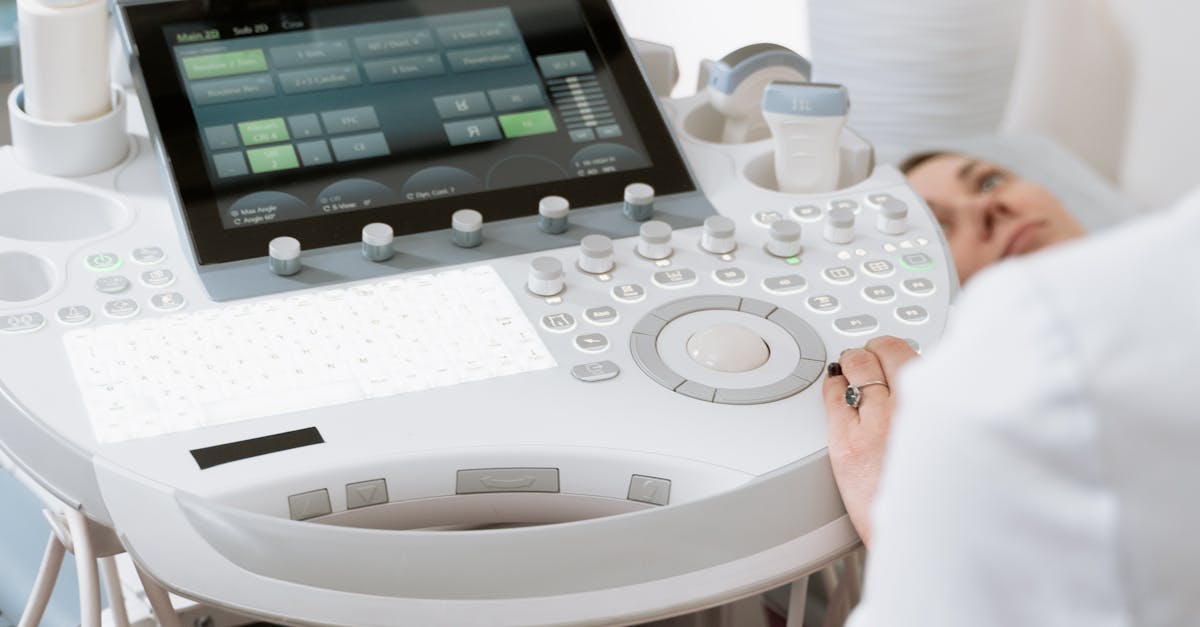
| Transvaginal Ultrasound | Evaluate endometrial thickness; locate polyps or fibroids |
| Endometrial Biopsy | Sample the uterine lining to rule out hyperplasia or malignancy |
| Infectious Swabs | Test for Chlamydia, Gonorrhea, and Trichomonas |
A routine pregnancy test is also conducted to ensure the spotting is not related to early gestation complications.
14. Management and Reassurance
The treatment for menstrual spotting is entirely directed by the underlying cause. If testing reveals ovulatory spotting or benign adaptation to a new contraceptive, the primary medical intervention is reassurance and time.
If a hormonal imbalance is identified, correcting the thyroid dysfunction or altering the estrogen dose in the patient birth control pill usually resolves the symptom. Structural causes, like polyps, are managed with minor outpatient surgical removal.
By providing a definitive diagnosis, the healthcare provider removes the anxiety associated with unexpected bleeding, ensuring the patient understands the physiological realities of their reproductive health.
15. Frequently Asked Questions (FAQ)
1. Is spotting a few days before my period normal?
It can be normal. It is often a sign that progesterone levels are beginning to drop slightly before the full flow begins. However, if this happens consistently every month, it may indicate a slight hormonal imbalance that can be easily evaluated by a doctor.
2. I just got an IUD, and I am spotting every day. Is this dangerous?
No, it is not dangerous. Continuous or unpredictable spotting is the most common side effect during the first three to six months after receiving a hormonal IUD or implant. The uterine lining is simply adjusting to the new hormones.
3. When is spotting a sign of pregnancy?
Implantation bleeding can occur roughly a week before your expected period. It is usually very light pink or brown spotting. If your expected period never arrives and is replaced by this spotting, you should take a pregnancy test.
4. Why do I spot after sexual intercourse?
Spotting after sex is usually related to the cervix. It can be caused by benign issues like a cervical polyp, an inflamed cervix from a minor infection, or cervical ectropion. Because it can rarely indicate cellular changes on the cervix, it should always be evaluated by a doctor.
5. How do doctors treat spotting caused by a hormonal imbalance?
If the spotting is caused by erratic ovulation or low progesterone, doctors frequently prescribe combined oral contraceptive pills or cyclic progestin therapy to stabilize the uterine lining and restore a predictable bleeding pattern.
16. Bibliography
Disclaimer: The content is for informational purposes only and does not replace medical advice. Always consult your doctor for personalized treatment.