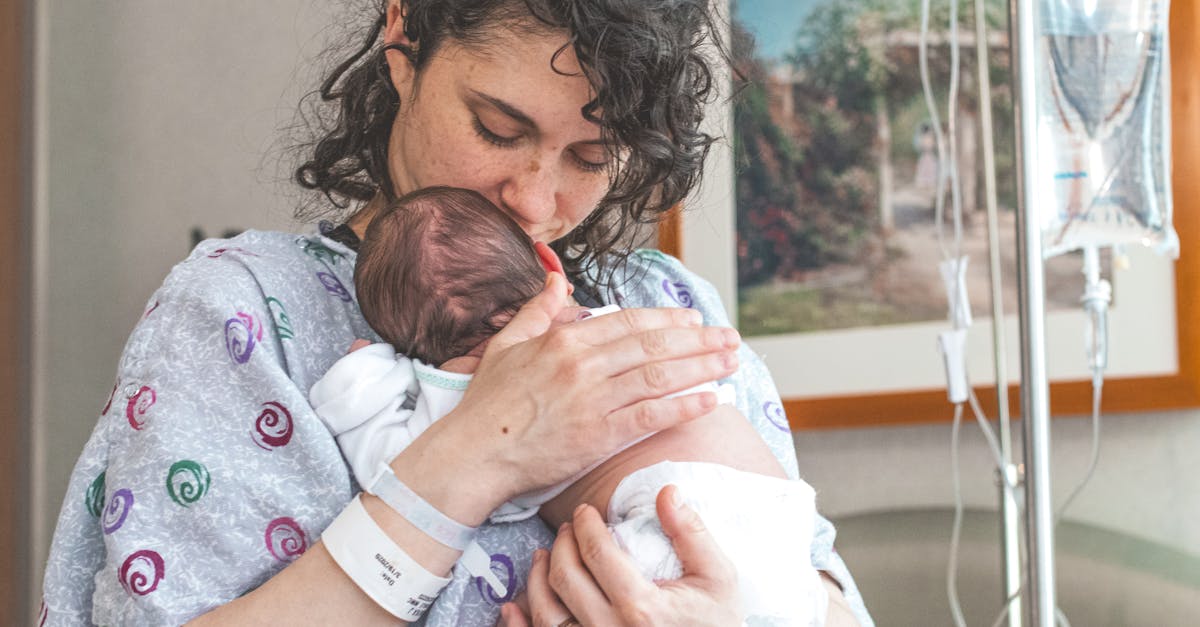
1. Introduction to the Postpartum Period
The clinical designation mother delivered refers to a patient who has successfully completed the process of childbirth and has entered the postpartum period, medically known as the puerperium. This critical phase begins immediately after the delivery of the placenta and extends for approximately six weeks. During this time, the maternal body undergoes profound physiological, endocrine, and anatomical changes as it reverts to a non-pregnant state.
The postpartum period is often referred to as the fourth trimester, highlighting its importance in maternal and neonatal health. While the focus naturally shifts to the newborn, the mother requires meticulous clinical monitoring to ensure optimal healing and to identify potential acute complications. The rapid shifts in fluid volume, hormone levels, and the physical trauma associated with delivery demand structured medical care.
Effective postpartum management integrates pain control, lactation support, psychological assessment, and the prevention of life-threatening complications such as postpartum hemorrhage and venous thromboembolism. Ensuring a safe and supported recovery is paramount for long-term maternal well-being.
2. Uterine Involution and Hemostasis
Immediately following the delivery of the placenta, the uterus must contract forcefully to compress the exposed blood vessels at the placental attachment site. This process, known as uterine involution, is the primary mechanism for preventing postpartum hemorrhage.
The initial contractions are driven by a massive release of endogenous oxytocin. The clinical team monitors the tone of the uterus through regular abdominal palpation, ensuring the fundus remains firm. A soft, relaxed uterus, termed uterine atony, is a medical emergency requiring immediate intervention with fundal massage and uterotonic medications.
Over the subsequent six weeks, the uterus gradually shrinks from the size of a watermelon back to its pre-pregnancy size of a small pear. The muscular walls undergo a process of autolysis, breaking down the excess protein accumulated during gestation, which is subsequently excreted by the kidneys.
3. The Progression of Lochia
As the lining of the uterus sheds and heals, the mother experiences a specialized vaginal discharge known as lochia. Tracking the volume and color of lochia is a critical clinical indicator of normal uterine healing.
The progression occurs in three distinct clinical stages. For the first three to four days, the discharge is called lochia rubra. It consists primarily of blood and decidual tissue, presenting as dark red with occasional small clots. Following this, the discharge transitions to lochia serosa, becoming pink or brown as the red blood cell content decreases and white blood cells increase, lasting for roughly two weeks.
The final stage is lochia alba, a yellowish-white discharge consisting of epithelial cells, mucus, and leukocytes, which may persist for up to six weeks. Any sudden return to bright red bleeding or the passage of large clots warrants immediate medical evaluation, as it indicates a failure of the healing process.
4. Cardiovascular and Fluid Shifts
Pregnancy requires a massive expansion of maternal blood volume, often increasing by fifty percent. Once the mother is delivered, the body must eliminate this excess fluid. This is achieved through a dramatic shift in cardiovascular dynamics and intense diuresis.
In the immediate postpartum hours, fluid shifts from the extravascular space back into the bloodstream, transiently increasing cardiac output. To shed this fluid, patients frequently experience profound night sweats and produce significantly large volumes of urine, a process known as postpartum diuresis.
Clinicians must monitor blood pressure closely during this phase. While the fluid shifts are physiological, conditions such as postpartum preeclampsia can manifest up to six weeks after delivery, presenting with sudden hypertension, severe headaches, and visual disturbances.
5. Management of Perineal Trauma
For mothers who undergo a vaginal delivery, perineal trauma is a common occurrence. This may range from spontaneous microscopic lacerations to severe tears involving the anal sphincter, or a surgically performed episiotomy.
Clinical management of perineal trauma focuses on reducing localized edema, preventing infection, and managing acute pain. Cold therapy, utilizing ice packs applied to the perineum during the first twenty-four hours, significantly reduces swelling and numbs the nerve endings. Warm sitz baths are recommended subsequently to promote blood flow and tissue healing.
Topical analgesics and oral nonsteroidal anti-inflammatory drugs are routinely prescribed. The clinical team emphasizes strict hygiene, instructing the mother to utilize a peri-bottle with warm water for cleansing after voiding to prevent bacterial contamination of the healing sutures.
6. Post-Surgical Care for Cesarean Delivery
A mother delivered via cesarean section has undergone major abdominal surgery and requires specific postoperative care. The primary clinical goals are adequate pain control, wound healing, and the prevention of surgical complications.
Pain management typically involves a multimodal approach, utilizing scheduled doses of acetaminophen and nonsteroidal anti-inflammatory drugs, reserving opioid analgesics only for severe, breakthrough pain. Early ambulation is strictly enforced to promote bowel motility and prevent the formation of dangerous blood clots in the lower extremities.
The surgical incision is monitored daily for signs of erythema, induration, purulent drainage, or separation of the wound edges. Patients are instructed to support the incision with a pillow during sudden movements, such as coughing or laughing, to reduce mechanical strain on the fascial closure.
7. The Endocrine Transition and Lactation
The delivery of the placenta triggers an abrupt and massive drop in circulating progesterone and estrogen levels. This sudden withdrawal removes the inhibitory effect on prolactin, the hormone responsible for milk production.
During the first few days, the breasts secrete colostrum, a thick, nutrient-dense fluid rich in maternal antibodies. By the third or fourth postpartum day, prolactin surges cause the breasts to become full, heavy, and warm as mature milk comes in, a physiological process known as engorgement.
Lactation requires immense metabolic energy. If the mother chooses to breastfeed, clinical lactation consultants provide crucial support, ensuring proper latch mechanics to prevent nipple trauma and monitoring the infant for adequate milk transfer. Mothers are advised to maintain high fluid intake and increase caloric consumption to support this physiological demand.
8. Venous Thromboembolism Risk
The postpartum period is a state of profound physiological hypercoagulability. The maternal body naturally increases the production of clotting factors to prevent catastrophic hemorrhage during placental separation. However, this protective mechanism drastically elevates the risk of deep vein thrombosis and pulmonary embolism.
This risk is highest during the first three weeks postpartum and is further exacerbated by advanced maternal age, obesity, immobility, or cesarean delivery. Early and frequent ambulation is the most effective preventative measure.
Clinicians carefully assess patients for sudden unilateral leg swelling, calf pain, or sudden shortness of breath. High-risk patients may require prophylactic administration of low-molecular-weight heparin upon hospital discharge to mitigate this life-threatening complication.
9. Gastrointestinal and Renal Function
The gastrointestinal system is notoriously sluggish following delivery. The sudden decrease in intra-abdominal pressure, residual effects of progesterone, dehydration, and fear of pain related to perineal lacerations frequently lead to severe constipation.
Prophylactic administration of stool softeners is a standard clinical protocol for all postpartum mothers. Patients are encouraged to consume a diet high in dietary fiber and maintain aggressive oral hydration to promote regular bowel movements and prevent the exacerbation of hemorrhoids, which frequently develop during the pushing phase of labor.
Renal function also requires monitoring. The bladder undergoes significant trauma and stretching during a vaginal delivery, and the use of epidural anesthesia can dull the urge to void. Urinary retention is a common complication that can prevent the uterus from contracting properly, increasing the risk of hemorrhage.
10. Psychological Adjustments and the Baby Blues
The abrupt hormonal crash following delivery deeply impacts maternal neurochemistry. Up to eighty percent of mothers experience a transient period of emotional lability, tearfulness, and mild anxiety commonly referred to as the baby blues.
This phenomenon typically begins on the third postpartum day and resolves spontaneously within two weeks. It is considered a normal physiological response to the massive endocrine shifts, sleep deprivation, and the overwhelming responsibility of caring for a newborn.
Clinical care involves normalizing these feelings, providing reassurance, and ensuring the mother has adequate social support. Rest and assistance with newborn care tasks are the primary interventions for navigating this expected emotional transition.
11. Identifying Postpartum Depression and Psychosis
While the baby blues are benign, clinical staff must vigorously screen for pathological mood disorders. Postpartum depression affects approximately fifteen percent of mothers and can manifest anytime within the first year after delivery. It is characterized by persistent, profound sadness, anhedonia, extreme feelings of guilt, and an inability to bond with the infant.
Postpartum depression requires definitive medical intervention, frequently involving cognitive behavioral therapy and the targeted use of selective serotonin reuptake inhibitors, which are generally safe during lactation.
Postpartum psychosis is a rare but catastrophic psychiatric emergency presenting with sudden severe confusion, hallucinations, and delusional beliefs often centered on the infant. It requires immediate psychiatric hospitalization to ensure the physical safety of both the mother and the child.
12. Nutrition and Metabolic Recovery
The physical recovery from childbirth demands a continuous supply of vital micronutrients. The massive blood loss experienced during delivery frequently depletes maternal iron stores, leading to postpartum anemia.
Patients often experience profound fatigue directly correlated to this loss of red blood cell volume. Routine continuation of prenatal vitamins, specifically focusing on iron and folic acid supplementation, is standard clinical practice to rebuild the maternal hematocrit.
Adequate calcium and Vitamin D intake are also critical, particularly for lactating mothers, as the body will draw calcium directly from the maternal skeleton to enrich the breast milk if dietary intake is insufficient. A structured, nutrient-dense diet is non-negotiable for repairing tissue damage and restoring metabolic homeostasis.
13. Pelvic Floor Rehabilitation
The pelvic floor muscles undergo extreme stretching and potential nerve injury during a vaginal delivery. This trauma frequently results in temporary stress urinary incontinence, where the mother experiences involuntary urine leakage during coughing, sneezing, or lifting.
Proactive pelvic floor rehabilitation is essential to prevent long-term dysfunction. Clinicians instruct patients to begin gentle Kegel exercises shortly after delivery to increase blood flow and re-establish neuromuscular control over the pelvic musculature.
If incontinence persists beyond the initial postpartum period, or if the mother experiences symptoms of pelvic organ prolapse, referral to a specialized pelvic floor physical therapist provides targeted intervention to rebuild structural support.
14. Discharge Planning and Outpatient Follow-up
The transition from the hospital to the home requires comprehensive discharge planning. The mother is provided with strict warning signs that necessitate immediate emergency evaluation, including a fever over 100.4 degrees Fahrenheit, saturating more than one sanitary pad per hour, severe abdominal pain, or sudden shortness of breath.
Historically, the standard outpatient follow-up occurred exclusively at the six-week mark. However, modern obstetric guidelines recognize the necessity of earlier intervention. An initial contact, either via telehealth or an in-person clinic visit, is now recommended within the first three weeks to assess blood pressure, emotional well-being, and infant feeding success.
This ongoing, structured clinical support ensures that the mother transitions safely through the complex physical and emotional landscape of the puerperium.
15. Frequently Asked Questions (FAQ)
1. How long does the bleeding normally last after having a baby?
Vaginal bleeding, called lochia, is completely normal and typically lasts for four to six weeks. It starts heavy and red, then gradually changes to pink, brown, and eventually a yellowish-white discharge as the uterus heals.
2. Why do I feel severe cramping while breastfeeding?
Breastfeeding triggers the release of oxytocin, a hormone that causes the uterus to contract. These contractions, known as afterpains, are essential for shrinking the uterus back to its normal size and preventing excessive bleeding.
3. When is it safe to resume physical exercise?
For an uncomplicated vaginal delivery, light walking can begin almost immediately. However, strenuous exercise, heavy lifting, or core workouts should be avoided until cleared by your physician, typically at the six-week postpartum visit, to allow the pelvic floor and abdominal tissues to heal.
4. How can I tell the difference between the baby blues and postpartum depression?
The baby blues usually start a few days after birth and involve tearfulness and mood swings, but resolve completely within two weeks. If the feelings of intense sadness, hopelessness, or an inability to care for the baby last longer than two weeks, it strongly indicates postpartum depression and requires medical attention.
5. Why are my legs and feet so swollen a week after delivery?
During pregnancy, your body retained a massive amount of fluid. After delivery, this fluid shifts back into your blood vessels to be processed by your kidneys. Gravity pulls this excess fluid down to your feet. It usually resolves within two weeks through increased sweating and urination.
16. Bibliography
Disclaimer: The content is for informational purposes only and does not replace medical advice. Always consult your doctor for personalized treatment.