1. Introduction
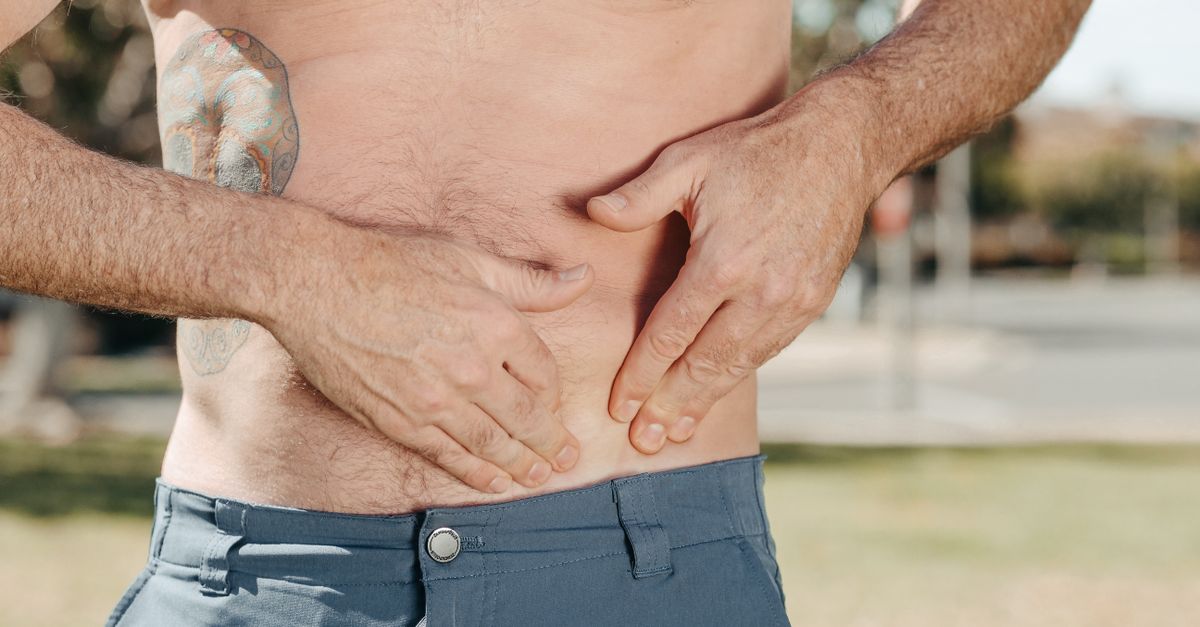
To relieve constipation causing stabbing stomach pains, clinical management requires the immediate application of osmotic laxatives to soften the stool, the use of antispasmodic medications to calm intestinal contractions, and aggressive oral hydration. Stabbing pain occurs when hardened stool obstructs the bowel, forcing the smooth muscles of the colon into severe, cramping spasms as they attempt to propel the impaction forward. By breaking down the physical blockage and relaxing the hyperactive muscular response, normal gastrointestinal transit can be safely restored.
Constipation is a prevalent functional gastrointestinal disorder, but the presence of sharp, stabbing pain elevates the condition from a simple nuisance to a significant clinical concern. The human digestive tract relies on a coordinated, rhythmic wave of muscular contractions known as peristalsis. When this system encounters a rigid obstruction, the neurological and muscular feedback loops become distressed, leading to localized ischemia and intense pain signaling.
Addressing this symptom requires a comprehensive understanding of colonic physiology. Short-term relief focuses on clearing the immediate impaction, while long-term management requires permanent modifications to dietary fiber intake, fluid consumption, and overall gut biome health to prevent recurrent obstructive episodes.
2. The Physiology of Colonic Motility
The large intestine, or colon, serves two primary physiological functions: the absorption of water and electrolytes from indigestible food matter, and the storage and propulsion of feces toward the rectum. The walls of the colon are lined with longitudinal and circular smooth muscle fibers.
These muscle fibers are controlled by the enteric nervous system, a complex web of neurons embedded directly within the gastrointestinal tract. Under normal conditions, the enteric nervous system orchestrates smooth, propulsive peristaltic waves. These waves gently knead the stool, extracting water while moving the mass steadily toward the exit.
When the transit time is artificially prolonged due to a lack of dietary fiber or systemic dehydration, the colon continues its primary function of absorbing water. The longer the stool remains in the colon, the drier and harder it becomes, ultimately transforming into a dense, unyielding mass that resists normal peristaltic propulsion.
3. Mechanisms of Stabbing Abdominal Pain
The sharp, stabbing pain associated with severe constipation is a direct result of mechanical obstruction and muscular spasm. As the hardened stool lodges within the flexures of the colon, the enteric nervous system detects the blockage and attempts to overcome it by intensifying the muscular contractions.
These hyperactive, spasmodic contractions clamp down forcefully around the hard stool. This relentless squeezing compresses the microscopic blood vessels within the intestinal wall, causing temporary, localized oxygen deprivation. This cellular ischemia produces a sudden, agonizing, stabbing sensation that radiates across the abdomen.
Furthermore, the buildup of gas behind the physical blockage leads to severe intestinal distension. The stretching of the intestinal wall rapidly triggers the visceral pain receptors, which transmit distress signals to the central nervous system, perceived by the patient as a sharp, tearing pressure.
4. Differentiating Constipation Pain from Acute Emergencies
While stabbing stomach pain is frequently caused by severe constipation, it is critical to differentiate this functional pain from acute surgical emergencies. Clinical evaluation relies on the specific location, duration, and accompanying symptoms of the pain.
Pain from constipation typically shifts in location as gas and stool move slowly through the tract. It frequently presents in the left lower quadrant, where the descending and sigmoid colon reside, and often improves temporarily following the passage of flatus or a small amount of stool.
Conversely, pain that is constant, precisely localized to the right lower quadrant, or accompanied by a high fever and a rigid abdominal wall suggests acute appendicitis or localized peritonitis. These presentations demand immediate emergency medical evaluation to rule out life-threatening intestinal perforation or infection.
5. The Role of Osmotic Laxatives
The first-line pharmacological intervention for severe, painful constipation involves the administration of osmotic laxatives. Medications such as polyethylene glycol or lactulose are large, non-absorbable molecules that travel intact through the stomach and small intestine into the colon.
Once in the colon, these molecules exert a powerful osmotic effect, drawing water from the surrounding tissues directly into the intestinal lumen. This influx of fluid rehydrates the desiccated, hardened stool, transforming it into a softer, pliable mass that can safely navigate the colonic flexures.
Osmotic laxatives are preferred for painful constipation because they do not aggressively stimulate the intestinal muscles. They work purely by altering fluid dynamics, providing a gentle, predictable resolution of the impaction without inducing further violent cramping.
6. Utilizing Antispasmodic Medications
When the stabbing pain is driven primarily by intense, uncoordinated intestinal muscle spasms, targeted antispasmodic medications provide profound symptomatic relief. Agents such as dicyclomine or hyoscyamine act directly on the smooth muscle of the gastrointestinal tract.
These medications possess anticholinergic properties, meaning they block the specific neurotransmitter acetylcholine from binding to the muscle receptors. By inhibiting this chemical signal, the medication forces the hyperactive, cramped intestinal muscles to relax.
Relaxing the colonic wall immediately relieves the ischemic pain and stops the sharp, stabbing spasms. This muscular relaxation also allows the trapped gas to pass around the blockage, significantly reducing the agonizing internal distension.
7. The Dangers of Stimulant Laxatives in Acute Pain
While stimulant laxatives, such as bisacodyl or senna, are commonly available over the counter, they must be used with profound caution in patients experiencing stabbing abdominal pain. Stimulant laxatives function by directly irritating the intestinal lining to force intense, rapid peristaltic contractions.
If the colon is obstructed by a large, rock-hard fecal impaction, forcing the intestines to contract violently against this immovable object will severely exacerbate the stabbing pain. The intense muscular effort against a closed system can lead to severe ischemic damage or, in rare cases, intestinal perforation.
Clinicians generally recommend softening the stool thoroughly with osmotic agents and aggressive hydration before introducing any stimulant medications to assist with the final propulsion.
8. Suppositories and Enemas for Lower Impactions
If the hardened stool is lodged specifically in the rectum or the distal sigmoid colon, oral medications may take several days to reach the blockage. In these scenarios, localized treatments such as suppositories or enemas provide rapid, targeted relief.
Glycerin suppositories work by drawing water directly into the rectum and providing localized lubrication, stimulating a gentle evacuation reflex within fifteen to thirty minutes.
For more severe, painful lower impactions, a warm tap water or mineral oil enema physically washes out the distal colon. The fluid mechanically breaks apart the dense fecal mass, allowing the patient to pass the obstruction quickly and alleviating the sharp, lower pelvic pressure almost immediately.
9. Dietary Fiber and Gut Biome Optimization
Long-term resolution of painful constipation requires a fundamental restructuring of dietary habits. Dietary fiber is the essential structural component that dictates normal bowel function. Soluble fiber, found in oats, apples, and psyllium husk, dissolves in water to form a gel-like substance that keeps the stool soft and cohesive.
Insoluble fiber, found in wheat bran and leafy vegetables, adds physical bulk to the stool. This bulk gently stretches the intestinal walls, which naturally stimulates the enteric nervous system to initiate regular, healthy peristaltic waves.
Furthermore, a high-fiber diet provides the necessary fuel for the beneficial bacteria residing in the colon. These bacteria ferment the fiber into short-chain fatty acids, which nourish the cells lining the colon and reduce localized inflammation, promoting overall gastrointestinal resilience.
10. Aggressive Oral Hydration Protocols
Fiber cannot function effectively without adequate fluid. If a patient consumes large amounts of dietary fiber while remaining systemically dehydrated, the fiber will simply solidify within the colon, exacerbating the physical blockage and the subsequent stabbing pain.
Patients prone to painful constipation must adhere to rigorous daily hydration protocols. Consuming abundant amounts of plain water ensures that the intestines have a constant supply of fluid to donate to the forming stool.
Caffeinated and alcoholic beverages should be minimized during an acute episode, as they act as systemic diuretics, forcing the kidneys to expel water and leaving the colon desperately dry and prone to impaction.
11. The Impact of Physical Movement
The human digestive tract relies partially on physical, gravitational movement to assist transit. A sedentary lifestyle significantly slows colonic motility. When the body remains still for extended periods, the parasympathetic nervous system downregulates intestinal activity.
Engaging in regular cardiovascular exercise, such as brisk walking, swimming, or cycling, physically jostles the abdominal organs and stimulates increased blood flow to the digestive tract. This increased circulation revitalizes the smooth muscles of the colon.
For patients experiencing acute stabbing spasms, gentle abdominal massage or specific yoga postures involving mild spinal twisting can physically manipulate the trapped gas and encourage the sluggish stool to navigate the sharp corners of the large intestine.
12. Medication-Induced Constipation
Many chronic cases of painful constipation are iatrogenic, meaning they are caused directly by necessary medical treatments for other conditions. Opioid pain relievers are notorious for paralyzing the gastrointestinal tract. They bind to specific receptors in the gut, completely halting peristalsis and causing severe, rock-hard impactions.
Certain antidepressants, iron supplements, and calcium-channel blockers used for hypertension also significantly slow intestinal transit times. Patients taking these medications frequently develop severe, cramping constipation.
When medication-induced constipation is identified, physicians often prescribe specific, targeted laxatives alongside the primary medication to counteract the paralyzing effects and maintain a safe, functional bowel rhythm.
13. Pelvic Floor Dysfunction and Evacuation Issues
Occasionally, the stabbing pain of constipation is not related to slow transit time, but rather to an inability to physically expel the stool from the rectum. This condition is known as pelvic floor dyssynergia.
During a normal bowel movement, the pelvic floor muscles must relax completely to allow the stool to pass. In patients with dyssynergia, these muscles paradoxically contract when the patient pushes. This forces the patient to strain aggressively against a closed muscular door.
This severe straining creates intense pressure in the lower abdomen and pelvis, leading to sharp, shooting pains. Managing this specific type of constipation requires specialized pelvic floor physical therapy and biofeedback training to teach the muscles to coordinate properly during evacuation.
14. Evaluating Associated Clinical Symptoms
Diagnosing the severity of constipation requires evaluating the physical characteristics of the stool and the patient’s accompanying symptoms.
| Symptom or Presentation | Clinical Indication |
|---|---|
| Small, hard, pellet-like stools. | Severe dehydration and prolonged colon transit time. |
| Stabbing pain relieved temporarily by passing gas. | Intestinal distension and colonic muscle spasms. |
| Thin, pencil-like stools. | Potential structural narrowing or stricture in the lower colon. |
| Constant, sharp lower right quadrant pain with fever. | Warning sign of appendicitis, not simple constipation. |
15. When to Seek Emergency Medical Attention
While severe constipation is intensely painful, it is generally managed successfully at home. However, certain clinical presentations indicate a dangerous mechanical obstruction or a compromised intestinal wall requiring immediate surgical evaluation.
Seek urgent emergency care if the stabbing stomach pain is accompanied by intractable vomiting, a complete inability to pass gas, or a rapidly swelling, hard, rigid abdomen. These are classic signs of a complete bowel obstruction, a life-threatening condition where the intestine is entirely blocked.
Furthermore, if the pain is accompanied by significant, unexplainable weight loss, dark black, tarry stools, or the presence of bright red blood in the toilet bowl, a comprehensive gastroenterological workup including a colonoscopy is mandatory to rule out colorectal malignancies or severe inflammatory bowel disease.
16. Frequently Asked Questions
1. Can chronic stress cause stabbing stomach pains and constipation?
Yes, psychological stress activates the sympathetic nervous system, which directs blood flow away from the digestive tract and slows down peristalsis. This chronic slowing leads to severe constipation, while the heightened nerve sensitivity amplifies the resulting cramps into sharp, stabbing pains.
2. Is it safe to use an enema every time I feel constipated?
No, relying on daily enemas can wash away beneficial gut bacteria and physically stretch the rectum, making it dependent on the artificial stimulus to function. Enemas should be reserved for acute, severe impactions that do not respond to oral hydration and osmotic laxatives.
3. Why does eating dairy seem to trigger my painful constipation?
Dairy products lack dietary fiber and contain specific proteins that can slow down gastric emptying and intestinal motility in sensitive individuals, leading to hard, dry stools and subsequent painful abdominal spasms.
4. Can ignoring the urge to go to the bathroom cause sharp pains later?
Absolutely. If you delay a bowel movement, the stool remains in the colon, where water continues to be absorbed. The stool becomes hard and impacted, eventually requiring intense, painful muscular spasms to move it later in the day.
5. Will drinking hot liquids help relieve the sharp cramps faster?
Warm fluids, such as herbal teas or warm water with lemon, can stimulate the gastrocolic reflex and promote gentle vasodilation in the digestive tract. This subtle warmth often helps relax the spasming smooth muscles and encourages normal peristalsis.
17. Bibliography
Disclaimer: The content is for informational purposes only and does not replace medical advice. Always consult your doctor for personalized treatment.