1. Introduction
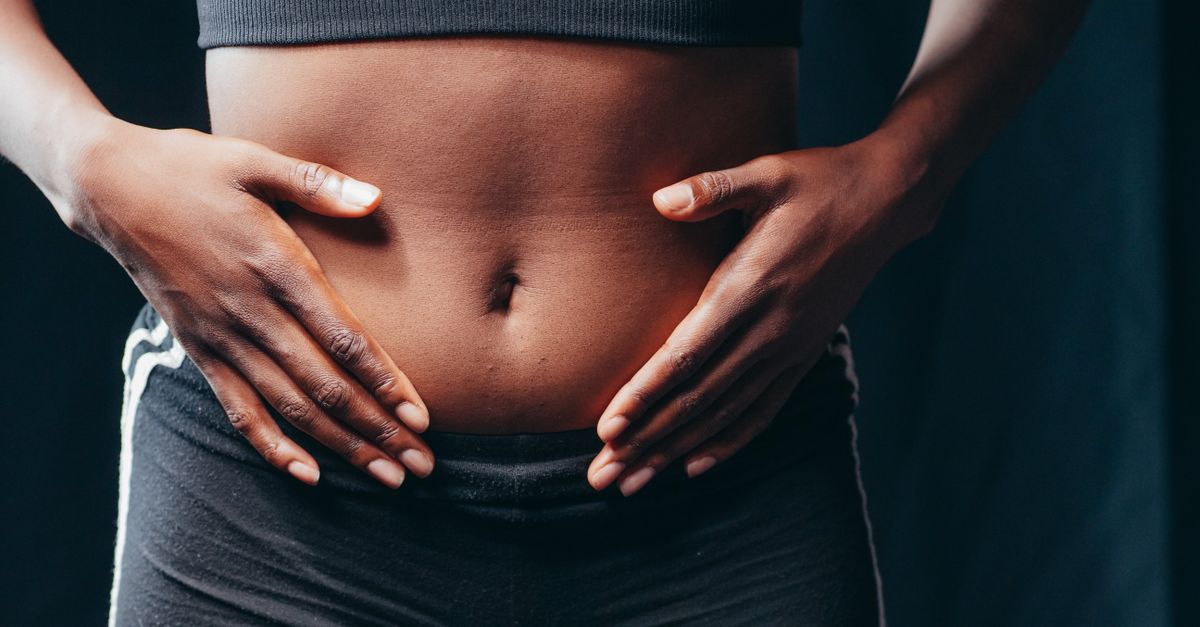
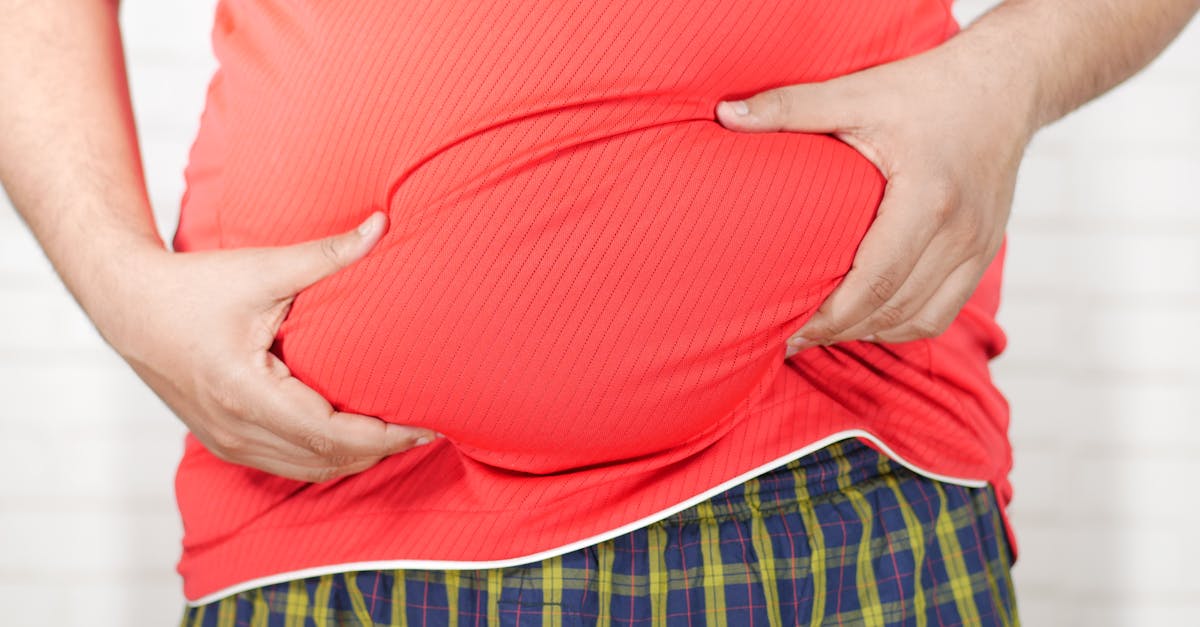
Relieving severe bloating that makes the stomach appear pregnant requires addressing the underlying trapped intestinal gas, delayed gastric motility, or abnormal muscular reflexes of the abdominal wall. This extreme physical presentation, clinically termed abdominal distension, is vastly different from a simple feeling of fullness. When the abdomen protrudes visibly, expanding several inches in girth over a matter of hours, it indicates a profound disruption in the normal physiological handling of digestive contents, fluid, and the structural tension of the abdominal cavity itself.
The sensation of severe bloating coupled with outward distension is a highly distressing symptom, frequently forcing patients to wear loose clothing and causing significant physical discomfort. The mechanisms driving this expansion include excessive bacterial fermentation of poorly absorbed carbohydrates, severely delayed transit time that traps contents in the bowel, and abdominophrenic dyssynergia, a condition where the diaphragm and abdominal muscles spasm and push the intestinal contents outward instead of holding them in.
Effective management requires moving beyond simple dietary restriction. Clinical intervention involves breaking up trapped gas with anti-foaming agents, stimulating bowel motility using targeted prokinetics, and utilizing physical techniques to retrain the abdominal musculature. By identifying the exact biomechanical or biochemical failure, patients can implement targeted strategies to rapidly reduce the abdominal girth and restore normal gastrointestinal function.
2. Distinguishing Bloating from Distension
In clinical gastroenterology, it is essential to distinguish between bloating and distension. Bloating is purely a subjective sensation; the patient feels a tight, uncomfortable pressure or fullness within the abdomen, but there is no measurable change in abdominal girth. It is a sensory symptom, often driven by hypersensitive nerves in the gut wall misinterpreting normal digestion.
Distension, conversely, is an objective, measurable physical finding. The abdomen physically swells outward, visibly expanding the waistline. A patient presenting with a stomach that “looks pregnant” is experiencing severe distension. While distension is almost always accompanied by the sensation of bloating, bloating frequently occurs without any visible distension.
Understanding this difference dictates the treatment approach. Managing pure bloating focuses on calming the hypersensitive nerves with neuromodulators, whereas managing distension requires physical removal of the excess volume—whether gas, stool, or fluid—and correcting the structural muscular failure of the abdominal wall.
3. Abdominophrenic Dyssynergia (Paradoxical Reflex)
A fascinating and highly prevalent cause of severe visible distension is abdominophrenic dyssynergia. In a healthy individual, when gas or food enters the intestines, the diaphragm (the large breathing muscle above the stomach) naturally relaxes and moves upward into the chest, while the anterior abdominal muscles contract tightly to hold the expanding bowel flat against the spine.
In patients with functional bowel disorders, this reflex becomes inverted. When even a small amount of gas forms, the diaphragm paradoxically contracts and pushes aggressively downward. Simultaneously, the abdominal wall muscles completely relax and release their tension.
This downward push from the diaphragm forces the intestines forward, and without the abdominal muscles to hold them back, the stomach protrudes massively, mimicking a pregnant belly. The total volume of gas in the gut is completely normal; the severe distension is entirely a structural, muscular illusion caused by an aberrant neurological reflex.
4. Bacterial Fermentation and Carbohydrate Malabsorption
When true physical volume is the cause of the distension, excessive gas production is the primary suspect. This occurs due to carbohydrate malabsorption. Certain complex sugars, primarily FODMAPs, are inherently difficult for the human small intestine to absorb.
When these sugars reach the colon intact, they encounter a dense population of trillions of bacteria. The bacteria rapidly ferment these carbohydrates, producing enormous volumes of hydrogen, carbon dioxide, and methane gas. If a patient consumes a large quantity of beans, artificial sweeteners, or dairy (if lactose intolerant), the resulting gas production is explosive.
This massive volume of gas inflates the large intestine like a balloon. Because the large intestine wraps around the entire perimeter of the abdomen, its inflation causes uniform, severe distension. The abdomen becomes tight, drum-like, and highly tympanic (sounding hollow) when tapped by a clinician.
5. Small Intestinal Bacterial Overgrowth
A specific and aggressive cause of pregnant-looking bloating is small intestinal bacterial overgrowth. Normally, the vast majority of gut bacteria reside in the colon, while the small intestine remains relatively sterile to facilitate nutrient absorption.
If bacteria migrate upward and colonize the small intestine, they begin fermenting carbohydrates immediately after a meal is consumed. Because the small intestine is narrow and not designed to hold gas, the sudden production of gas causes rapid, excruciating swelling in the upper and mid-abdomen.
Patients with this condition typically report waking up with a flat stomach, but within thirty to sixty minutes of their first meal, their abdomen balloons outward severely. Eradicating this misplaced bacterial population with targeted antibiotics is the only way to resolve this specific form of distension.
6. Constipation and Fecal Loading
Severe constipation is a highly overlooked cause of profound abdominal distension. If a patient has sluggish bowel motility, stool begins to accumulate and pack tightly in the colon. This solid mass takes up significant physical space, pushing the abdominal wall outward.
More importantly, the retained stool acts as a permanent buffet for the colonic bacteria. The bacteria continuously ferment the trapped waste, generating a constant, massive supply of gas. Furthermore, the solid stool creates physical roadblocks, preventing the newly formed gas from escaping through the rectum.
This combination of solid mass and trapped gas creates severe, painful distension. Attempting to treat the gas without clearing the underlying fecal impaction is entirely futile. Aggressive bowel cleanouts using osmotic laxatives are required to empty the colon and immediately reduce the abdominal girth.
7. Hormonal Fluctuations and Fluid Retention
In female patients, severe, episodic bloating that mimics a pregnant appearance is frequently linked to the menstrual cycle. During the luteal phase, the days leading up to menstruation, progesterone levels rise significantly.
Progesterone is a smooth muscle relaxant. It slows down the peristaltic contractions of the gastrointestinal tract, leading to delayed gastric emptying and sluggish colonic transit. This naturally increases the fermentation time of food, generating more gas and contributing to physical distension.
Simultaneously, estrogen and progesterone fluctuations cause systemic fluid retention. While much of this fluid pools in the extremities, significant amounts accumulate in the splanchnic circulation surrounding the digestive organs, adding physical fluid volume to the abdomen. The distension typically resolves rapidly once menstruation begins and hormone levels normalize.
8. Immediate Physical Relief Strategies
When the abdomen is acutely distended and tight, immediate physical interventions are required to facilitate the movement of trapped gas and stool. Gentle, targeted abdominal massage follows the anatomical path of the colon. Massaging deeply from the lower right quadrant, up to the ribs, across the top, and down the left side physically forces trapped gas bubbles toward the rectum.
Light cardiovascular exercise, specifically a brisk walk, is highly effective. The physical jostling of the internal organs combined with increased blood flow stimulates the parasympathetic nervous system, encouraging the bowels to contract and push the trapped volume out.
Certain yoga postures, such as lying on the back and pulling both knees tightly to the chest, provide intense mechanical compression to the lower abdomen. This straightens the angle of the rectum and physically squeezes the distended colon, frequently resulting in rapid gas expulsion and immediate relief of the pressure.
9. Pharmacological Anti-Foaming Agents
To rapidly address the volume of gas inflating the stomach, over-the-counter anti-foaming agents are utilized. Simethicone is the most proven chemical intervention. It is a silicone-based polymer that works purely physically within the gut lumen, without being absorbed into the bloodstream.
Simethicone breaks the surface tension of the millions of microscopic gas bubbles trapped within the thick mucus of the digestive tract. By breaking this tension, the tiny bubbles merge into large, free-flowing gas pockets.
These large pockets are significantly easier for the smooth muscle of the intestines to grip and propel forward. While simethicone does not stop the bacteria from producing gas, it drastically changes the physical state of the gas, making it much easier to expel and rapidly reducing the outward distension of the abdomen.
10. Prokinetic Agents for Sluggish Motility
If the severe bloating is driven by delayed gastric emptying or slow colonic transit, prokinetic agents are clinically indicated. These medications stimulate the nerves and muscles of the gastrointestinal tract, forcing them to contract in a coordinated, vigorous manner.
Prescription medications like prucalopride or metoclopramide increase the amplitude of peristaltic waves. By accelerating the transit of food and waste through the digestive tract, the bacteria have less time to ferment the carbohydrates, resulting in vastly reduced gas production.
Natural prokinetics, such as highly concentrated ginger or peppermint oil capsules, can also be effective. Peppermint oil possesses both mild prokinetic properties and acts as an antispasmodic, relaxing the tight sphincters of the bowel to allow trapped gas to pass, reducing the pregnant appearance of the abdomen.
11. Dietary Elimination: The Low-FODMAP Protocol
Long-term resolution of severe carbohydrate-driven distension relies on dietary modification. The low-FODMAP diet is the clinical gold standard for identifying and eliminating the specific fermentable sugars causing the massive gas production.
Patients systematically eliminate all high-FODMAP foods (such as wheat, dairy, onions, garlic, apples, and artificial sweeteners) for four to six weeks. This deprives the gut bacteria of their fuel source, typically resulting in a dramatic flattening of the abdomen and resolution of the bloating.
After the elimination phase, foods are slowly reintroduced one by one. This process isolates the patient exact trigger. For example, a patient may discover they can tolerate lactose perfectly well, but even a small amount of garlic causes massive, pregnant-looking distension within hours.
12. Diaphragmatic Retraining and Biofeedback
For patients whose distension is caused by abdominophrenic dyssynergia (the paradoxical reflex), diet and medications will fail, as there is no excess gas to remove. The treatment for this condition is entirely physical and neurological.
Patients undergo specialized biofeedback therapy and diaphragmatic breathing retraining. Using sensors placed on the abdomen and chest, a physical therapist teaches the patient how to consciously recognize the inappropriate downward push of their diaphragm.
The patient practices breathing deeply into the chest while actively keeping the abdominal muscles engaged. By breaking the aberrant neurological habit and retraining the core muscles to properly hold the intestinal contents flat against the spine, the physical distension is completely reversed.
13. Recognizing Red Flag Symptoms
While severe bloating is most commonly a benign, functional issue, rapid and persistent abdominal distension can be a sign of a critical underlying pathology. Ascites is the accumulation of fluid directly within the peritoneal cavity, outside the intestines.
Ascites is caused by severe liver disease (cirrhosis), heart failure, or intra-abdominal malignancies. The abdomen becomes massively distended, taut, and shifts when the patient rolls on their side. Unlike gas distension, ascites does not fluctuate during the day; it remains constant or grows progressively larger.
If severe bloating is accompanied by unintentional weight loss, early satiety (feeling full after a few bites), jaundice, or severe abdominal pain that does not improve after passing gas, immediate medical imaging is required to rule out these severe structural conditions.
14. Ovarian Cancer Warning Signs
In female patients, the sudden onset of severe, unyielding bloating that makes the stomach look pregnant is the most critical early warning sign of ovarian cancer. Because the ovaries sit deep within the pelvis, tumors can grow quite large without causing distinct pain.
As an ovarian tumor grows, it causes widespread inflammation of the peritoneum, leading to the rapid production of malignant ascites fluid. This fluid severely distends the abdomen, perfectly mimicking the appearance of profound intestinal gas.
If a woman experiences persistent, new-onset distension that occurs daily for more than three weeks, especially if accompanied by a frequent need to urinate, pelvic pressure, or difficulty eating, she must undergo a transvaginal ultrasound and a CA-125 blood test immediately to definitively rule out ovarian malignancy.
15. Frequently Asked Questions (FAQ)
1. Why do I wake up with a flat stomach but look pregnant by the end of the day?
This is a classic sign of food fermentation. As you eat throughout the day, bacteria in your gut ferment the carbohydrates, slowly filling your intestines with gas. By evening, the accumulated gas severely distends your abdomen. It resolves overnight as the gas is absorbed or passed.
2. Can drinking water help reduce a severely bloated stomach?
If your bloating is caused by severe constipation, drinking copious amounts of water softens the hard stool, allowing it to pass and relieving the backup of gas. However, if you already have too much fluid in your stomach, drinking more will temporarily worsen the distension.
3. Do probiotic supplements cure severe bloating?
Probiotics can help balance your gut bacteria over months, potentially reducing overall gas production. However, they will not provide immediate relief for a swollen abdomen and can sometimes make bloating worse during the first few weeks of use.
4. How can I tell if my stomach is bloated with gas or fluid?
A gas-filled stomach sounds hollow, like a drum, when you tap lightly on it, and it fluctuates significantly in size throughout the day. A fluid-filled stomach (ascites) feels heavy, sounds dull when tapped, and the swelling remains constant regardless of what you eat.
5. What is the fastest way to get rid of pregnant-looking bloating?
Take a simethicone chewable to break down the trapped gas bubbles, apply a warm heating pad to relax the intestinal spasms, and go for a brisk 15-minute walk to physically force the gas through your digestive tract.
6. When is severe bloating a sign of something dangerous?
You should seek immediate medical attention if the severe swelling does not go away after several days, or if it is accompanied by severe pain, vomiting, unexpected weight loss, or bleeding from the rectum. In women, constant new bloating can be a sign of ovarian cancer.
16. Bibliography
Disclaimer: The content is for informational purposes only and does not replace medical advice. Always consult your doctor for personalized treatment.