1. Introduction
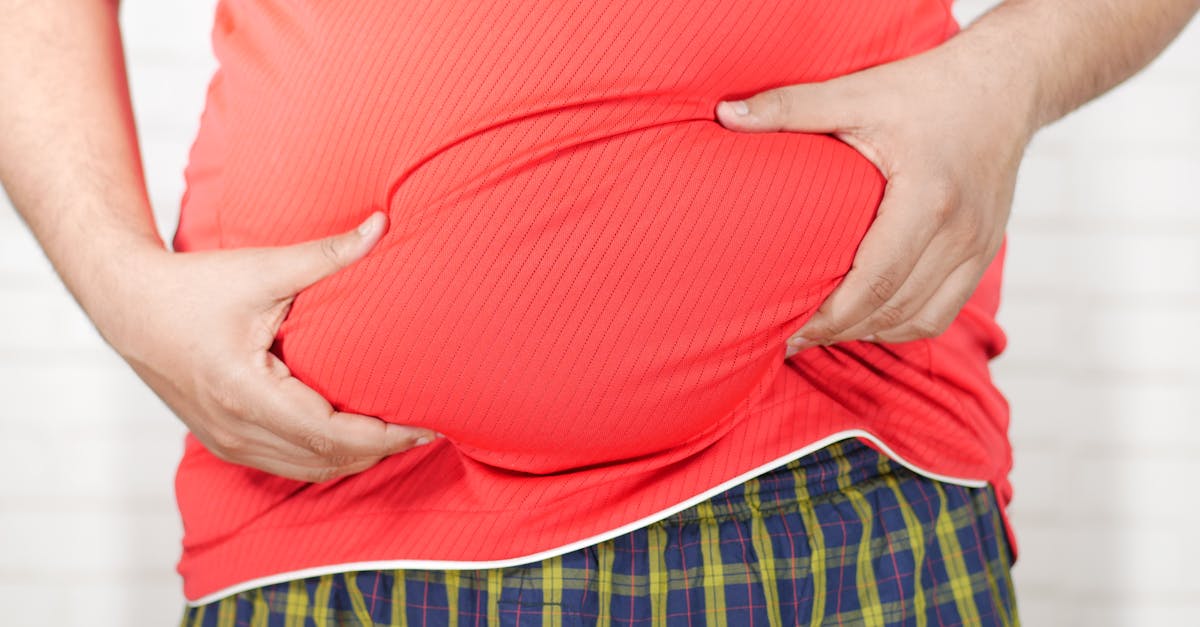
To relieve severe stomach bloating that causes shortness of breath, one must immediately reduce the gastrointestinal gas volume using simethicone or prokinetic agents and adopt upright positioning to decompress the diaphragm. This intense bloating occurs when trapped intestinal gas or fluid expands significantly, pushing the diaphragm upward and mechanically restricting the lungs’ ability to inflate fully. When the abdominal cavity is severely distended, the normal mechanics of respiration are physically blocked, creating a terrifying sensation of air hunger and chest tightness that mimics a cardiopulmonary emergency.
Addressing this symptom complex involves differentiating a benign accumulation of dietary gas from a severe anatomical bowel obstruction or systemic fluid retention. While over-the-counter anti-gas medications provide rapid relief for aerophagia or dietary fermentation, persistent distension accompanied by respiratory distress requires a thorough clinical investigation. Identifying the underlying motility disorder, bacterial overgrowth, or inflammatory bowel condition is essential for implementing a long-term dietary and pharmacological strategy that prevents the dangerous upward compression of the respiratory system.
2. Anatomy of the Diaphragm and Abdomen
The diaphragm is a large, dome-shaped sheet of skeletal muscle that forms the physical boundary between the chest cavity containing the heart and lungs and the abdominal cavity containing the digestive organs. During normal inspiration, the diaphragm contracts and flattens downward into the abdomen, creating a negative pressure vacuum in the chest that pulls air into the lungs.
This downward movement requires ample space within the abdominal cavity. The stomach and intestines are highly flexible, hollow organs. However, when these digestive organs become severely distended with gas, feces, or inflammatory fluid, the intra-abdominal pressure rises dramatically. The engorged bowels press firmly against the underside of the diaphragm, eliminating the physical space required for it to descend. This mechanical restriction forces the patient to rely entirely on the smaller chest and neck muscles to breathe, resulting in rapid, shallow breaths and a profound feeling of dyspnea.
3. Pathophysiology of Gas Accumulation
Gastrointestinal gas originates from two primary sources: swallowed air and the metabolic byproducts of bacterial fermentation. Every time an individual eats, drinks, or speaks, a small amount of air is swallowed. Normally, this air is expelled through belching or quietly passed through the digestive tract.
However, the majority of problematic lower intestinal gas is produced in the colon. When undigested carbohydrates reach the large intestine, the resident bacteria aggressively ferment them, releasing large volumes of hydrogen, carbon dioxide, and methane gas. If gut motility is sluggish, this gas becomes trapped in the twisting segments of the bowel. As the gas expands, it stretches the intestinal walls, triggering localized pain receptors and causing the abdomen to visibly protrude, placing immense upward pressure on the respiratory structures.
4. Aerophagia and Swallowed Air
Aerophagia, the subconscious swallowing of excessive amounts of air, is a frequent cause of severe acute upper abdominal distension. This condition is often driven by profound psychological stress, anxiety, or hyperventilation during a panic attack.
Individuals who eat very rapidly, chew gum constantly, or drink heavily carbonated beverages also ingest significant volumes of air. The stomach acts as a holding reservoir. When the stomach balloon expands rapidly against the left side of the diaphragm, it can compress the lower lobe of the left lung and push against the heart, creating a combination of sharp chest pain, shortness of breath, and palpitations that routinely drives patients to emergency departments fearing a cardiac event.
5. Small Intestinal Bacterial Overgrowth
Small Intestinal Bacterial Overgrowth is a complex disorder where the bacteria that normally reside in the large intestine migrate upward and inappropriately colonize the small intestine. The small intestine is designed for nutrient absorption, not bacterial fermentation.
When a patient with this condition consumes carbohydrates, the misplaced bacteria immediately ferment the food before it can be digested. This rapid fermentation creates a massive, sudden surge of gas high up in the digestive tract. The patient experiences severe, painful bloating within minutes of eating, accompanied by profound diaphragmatic compression. Eradicating the displaced bacteria with targeted antibiotics is the only way to permanently resolve this specific source of dyspnea.
6. Gastroparesis and Delayed Digestion
Gastroparesis is a neuro-muscular disorder characterized by a significant delay in the stomach’s ability to empty its contents into the small intestine, without any physical blockage present. It is most frequently a complication of chronic, poorly managed diabetes.
When food sits stagnant in the stomach for hours, it begins to ferment and putrefy. The stomach expands far beyond its normal physiological limits. This severe gastric distension exerts continuous, unrelenting upward pressure on the diaphragm. Patients experience constant nausea, early satiety, and a heavy, labored breathing pattern that persists until the stomach is finally emptied via pharmacological stimulation or vomiting.
7. Bowel Obstruction Risks
A sudden, severe distension of the abdomen accompanied by an inability to pass gas or stool strongly suggests a mechanical bowel obstruction. This occurs when a physical barrier such as dense scar tissue from a previous surgery, a severe hernia, or a neoplastic tumor completely blocks the passage of intestinal contents.
As digestive fluids and gases continue to be produced above the blockage, the intestine balloons outward. The pressure inside the abdomen reaches dangerous levels, severely compromising respiratory function. A bowel obstruction is a surgical emergency; if the pressure is not relieved, the blood supply to the stretched intestine will be cut off, leading to tissue necrosis and systemic sepsis.
8. Cardiac Versus Gastrointestinal Symptoms
When shortness of breath accompanies chest or upper abdominal pressure, ruling out a cardiac event is the paramount clinical priority. Gastrointestinal bloating can mimic heart failure or angina, and conversely, a myocardial infarction can present primarily as severe indigestion and upper abdominal fullness.
A key distinguishing factor is the timeline and modifying factors. Gas-related dyspnea often resolves following a large belch, the passing of flatus, or changing posture. Cardiac dyspnea is typically exacerbated by physical exertion and relieved by rest, and is often accompanied by pain radiating into the jaw or left arm, along with a cold, clammy sweat. Any ambiguity requires an immediate electrocardiogram to evaluate cardiac electrical stability.
9. Differentiating Causes of Distension
Clinicians synthesize symptom patterns to locate the origin of the severe distension.
| Diagnostic Category | Primary Mechanism | Accompanying Clinical Features |
|---|---|---|
| Aerophagia | Excessive swallowed air. | Frequent belching, history of anxiety, rapid eating. |
| Bacterial Overgrowth | Gas production in the small intestine. | Bloating immediately after meals, chronic diarrhea. |
| Gastroparesis | Delayed stomach emptying. | Nausea, vomiting undigested food, feeling full quickly. |
| Bowel Obstruction | Physical blockage of the intestines. | Absolute constipation, severe crampy pain, abdominal rigidity. |
10. Immediate Physical Relief Techniques
When acute bloating causes shortness of breath, postural changes are the first line of intervention. Lying completely flat forces the abdominal contents to spread out and press upward against the diaphragm, worsening the dyspnea. Patients must sit completely upright or stand, utilizing gravity to pull the digestive organs downward and away from the chest cavity.
Light physical movement, such as pacing slowly, engages the abdominal core muscles and stimulates peristalsis, helping to move trapped gas pockets through the twisting turns of the colon. The knee-to-chest stretch, performed while lying on the back, gently compresses the abdomen and physically assists the evacuation of trapped flatus.
11. Pharmacological Gas Reduction
Over-the-counter pharmacological agents offer rapid chemical relief. Simethicone is the primary defoaming agent used for acute bloating. It alters the surface tension of gas bubbles trapped in the digestive tract, causing small bubbles to merge into larger ones that are significantly easier for the body to expel through belching or passing gas.
For patients suffering from sluggish digestion, prokinetic medications may be prescribed by a physician. These drugs, such as metoclopramide, stimulate the smooth muscles of the stomach and small intestine, forcefully propelling the stagnant, gas-producing food downward and clearing the upper abdominal distension that compresses the lungs.
12. Dietary Modifications and FODMAPs
Long-term resolution of severe gas production requires identifying and eliminating specific dietary triggers. The low-FODMAP diet is an evidence-based clinical protocol designed to identify carbohydrates that are poorly absorbed and highly fermentable by gut bacteria.
Foods containing high levels of fructans (wheat, onions), galacto-oligosaccharides (beans, lentils), lactose (dairy), and excess fructose (apples, honey) are systematically removed from the diet. By starving the gut bacteria of their preferred fuel, gas production drops precipitously, preventing the severe intestinal distension and secondary respiratory restriction that defines these painful episodes.
13. Restoring Gut Motility
Chronic constipation is a silent driver of severe bloating. When hard stool sits in the colon for days, it acts as a physical plug, trapping all newly formed gas behind it. The bacteria also have extended time to ferment the stagnant waste, generating continuous gas pressure.
Managing constipation is critical. Introducing soluble fiber supplements, such as psyllium husk, ensures soft, formed stools that pass quickly. Osmotic laxatives, like polyethylene glycol, draw water into the colon to flush out impacted waste. Maintaining a clear, rapidly moving colon ensures that gas can escape freely rather than building up and compressing the diaphragm.
14. Red Flags and Emergency Care
Patients must be educated on the clinical warning signs that distinguish simple bloating from a critical emergency. If the severe bloating and shortness of breath are accompanied by an inability to pass any gas or stool for twenty-four hours, persistent vomiting, or a rigid, board-like abdomen, a bowel obstruction is highly probable, necessitating emergency surgical evaluation.
Furthermore, if the abdomen swells rapidly and the skin appears tight and shiny, accompanied by yellowing of the eyes or profound fatigue, the distension may be caused by ascites—a massive accumulation of fluid in the abdomen due to liver failure or advanced malignancy. This requires immediate diagnostic imaging and potential fluid drainage to restore lung function.
15. Frequently Asked Questions
1. Can trapped gas really stop me from taking a deep breath?
Yes. Your lungs need your diaphragm to drop downward into your abdomen to draw in air. If your stomach or intestines are massively blown up with gas, they physically block the diaphragm from moving, making your breathing rapid and shallow.
2. Is it safe to take simethicone every day for severe bloating?
Simethicone is generally safe because it is not absorbed into your bloodstream; it simply passes through your digestive tract breaking up gas bubbles. However, if you need it daily, you must see a doctor to find out why you are producing so much gas.
3. Why do I get so bloated that I cannot breathe immediately after drinking water?
This is often related to swallowing air while gulping water quickly, or it may indicate a stomach emptying issue like gastroparesis, where the water simply pools in the stomach and stretches it rapidly against your diaphragm.
4. What sleeping position is best when I am bloated and short of breath?
Never lie flat on your back. Prop yourself up with several pillows so your upper body is elevated. This allows gravity to pull your inflated stomach and intestines downward, taking the physical pressure off your lungs.
5. How do I know if my shortness of breath is from my heart or my stomach?
Gas-related shortness of breath is usually accompanied by a visibly swollen stomach, burping, and improves if you change position or pass gas. Cardiac shortness of breath is often tied to walking or exertion and comes with chest pressure or arm pain. When in doubt, seek emergency care.
16. Bibliography
Disclaimer: The content is for informational purposes only and does not replace medical advice. Always consult your doctor for personalized treatment.