1. Introduction
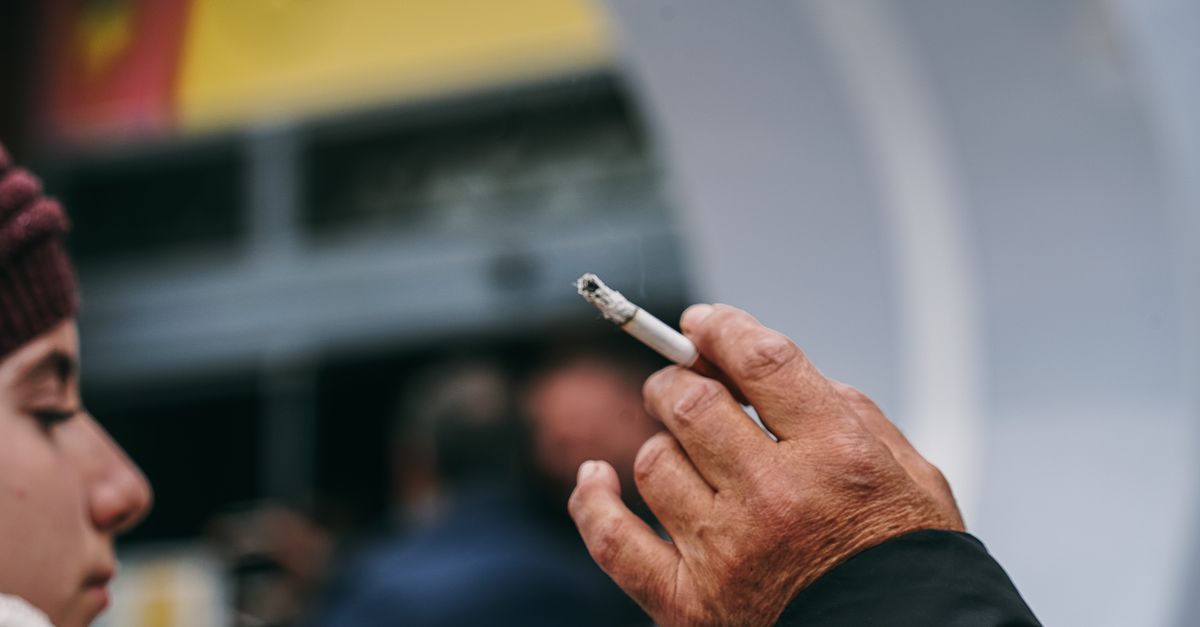
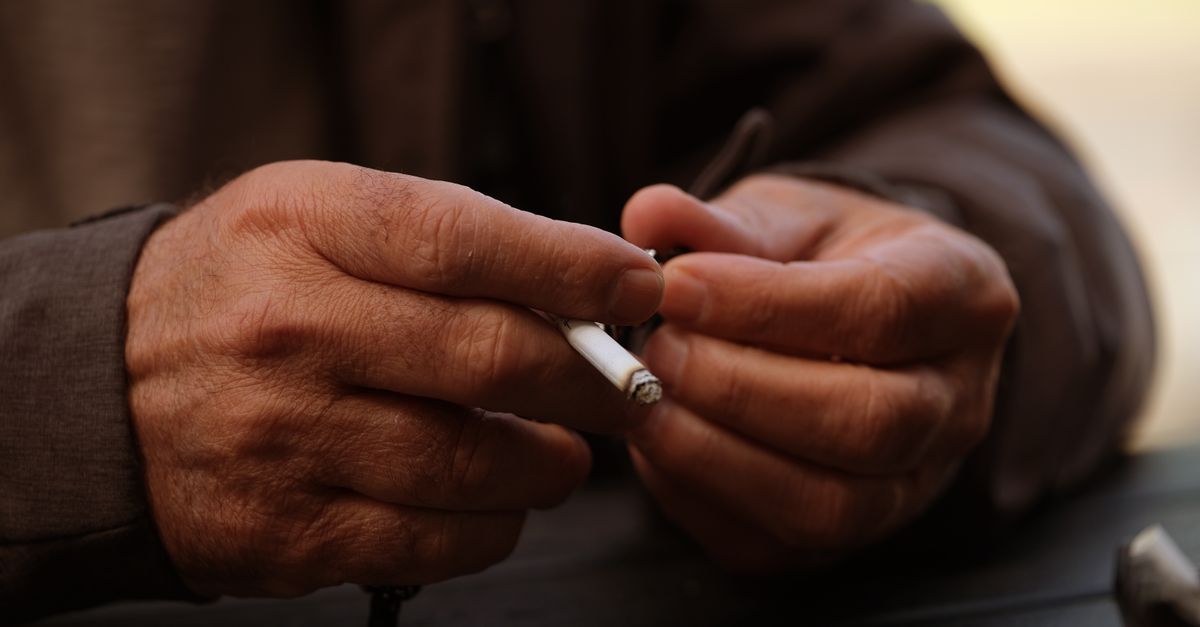
Encountering a patient who is not interested in stopping smoking represents a common and critical clinical scenario, known within behavioral psychology as the precontemplation stage of change. During this phase, the individual does not acknowledge that their behavior is problematic or lacks any immediate intention to alter their tobacco use in the foreseeable future. This lack of interest is rarely a simple matter of stubbornness; rather, it is a complex manifestation of profound neurobiological addiction, psychological coping mechanisms, and deeply ingrained behavioral habits.
From a physiological perspective, continued exposure to combustible tobacco actively sustains a cascade of systemic cellular damage. Nicotine dictates the neurochemical reward pathways, while the thousands of toxic compounds in the smoke continuously degrade the pulmonary architecture, inflame the cardiovascular endothelium, and initiate oncogenic mutations. Even if a patient is unwilling to quit entirely, understanding these biological mechanisms is essential for implementing harm reduction strategies.
The clinical objective for a patient in the precontemplation stage shifts from demanding immediate abstinence to fostering an environment of non-judgmental education. Healthcare providers must focus on monitoring the systemic risks, managing associated comorbidities, and utilizing motivational interviewing techniques to gently move the patient toward considering a change, while protecting their immediate physiological health as much as possible.
2. The Transtheoretical Model of Change
The Transtheoretical Model of Change provides the clinical framework for understanding addiction recovery. The first stage is precontemplation, defined by an individual having no intention to take action within the next six months. Patients in this stage often underestimate the pros of changing their behavior and place disproportionate emphasis on the cons of quitting, such as anticipated withdrawal symptoms or the loss of a primary stress management tool.
Following precontemplation is the contemplation stage, where the individual acknowledges the problem and intends to act within six months, though they remain ambivalent. This progresses to preparation, action, and finally, maintenance. Attempting to force a patient in the precontemplation stage directly into the action stage is statistically proven to fail and often severely damages the therapeutic alliance.
Clinicians must meet the patient exactly where they are. In the precontemplation stage, the goal is not to prescribe nicotine replacement patches, but to raise awareness of the biological consequences, personalize the health risks, and plant the seeds of cognitive dissonance regarding their smoking behavior.
3. Neurobiology of Nicotine Dependence
The fundamental barrier to smoking cessation is the intense neurobiological grip of nicotine. Nicotine is an incredibly potent alkaloid that readily crosses the blood-brain barrier within seconds of inhalation. Once in the brain, it binds directly to nicotinic acetylcholine receptors located heavily in the ventral tegmental area.
This binding triggers a massive, rapid release of dopamine into the nucleus accumbens, the brain’s primary reward center. This dopamine surge produces acute feelings of pleasure, sharpens concentration, and temporarily alleviates anxiety. The brain quickly learns to associate the physical act of smoking with this powerful chemical reward.
Over time, the brain adapts by increasing the number of nicotinic receptors, a process called upregulation. Consequently, the patient requires more nicotine to achieve the same effect. When nicotine levels drop, these empty receptors trigger intense physical cravings, irritability, and anxiety. The patient in precontemplation is often smoking not to achieve a high, but simply to stave off the severe physiological distress of withdrawal.
4. Endothelial Dysfunction and Cardiovascular Risk
While nicotine drives the addiction, the combustible byproducts of tobacco smoke drive the cardiovascular destruction. Cigarette smoke contains high concentrations of carbon monoxide, which binds to hemoglobin with an affinity two hundred times greater than oxygen. This creates a state of chronic, systemic hypoxia, forcing the heart to work exponentially harder to deliver oxygen to the tissues.
Simultaneously, the thousands of free radicals and toxic chemicals in the smoke continuously batter the vascular endothelium—the delicate inner lining of the blood vessels. This persistent toxic assault causes endothelial dysfunction, severely reducing the production of nitric oxide, the molecule responsible for keeping arteries relaxed and wide open.
This damaged, inflamed endothelium becomes a magnet for circulating lipids, rapidly accelerating the formation of atherosclerotic plaques. This process exponentially increases the patient’s risk of suffering a catastrophic myocardial infarction, peripheral artery disease, or a devastating ischemic stroke, representing the most immediate lethal threat to the continuous smoker.
5. Pulmonary Mechanics and Chronic Obstruction
The pulmonary system bears the direct brunt of combustible tobacco. The respiratory tract is lined with millions of microscopic, hair-like cilia that constantly sweep mucus and debris out of the lungs. The toxic chemicals in cigarette smoke immediately paralyze and eventually destroy these cilia, trapping toxic tar and bacteria deep within the pulmonary architecture.
This paralysis initiates a state of chronic, aggressive inflammation within the airways. The body responds by overproducing thick mucus, leading to a persistent, rattling chronic cough, often referred to as “smoker’s cough.” The constant inflammation causes the walls of the bronchioles to scar and narrow.
Furthermore, the chemicals destroy the elastin fibers in the alveoli, the microscopic air sacs responsible for gas exchange. The alveoli lose their elastic recoil and become permanently over-inflated, trapping stale air in the lungs. This combined destruction of the airways and alveoli constitutes Chronic Obstructive Pulmonary Disease (COPD), leading to progressive, irreversible respiratory failure.
6. Oncogenic Pathways and DNA Damage
Tobacco smoke is one of the most potent carcinogens introduced into the human body. It contains over seventy known cancer-causing chemicals, including polycyclic aromatic hydrocarbons, nitrosamines, and heavy metals like cadmium and lead. When inhaled, these chemicals dissolve directly into the cellular environment of the respiratory tract.
These carcinogens actively penetrate the nuclei of the cells and physically bind to the DNA, forming structural anomalies known as DNA adducts. This binding causes direct mutations in the genetic code. If these mutations strike critical tumor suppressor genes, such as the p53 gene, the cell loses its ability to repair its DNA or self-destruct when damaged.
The mutated cells begin to divide uncontrollably, leading to the rapid formation of malignant tumors. While lung cancer is the most direct consequence, the water-soluble carcinogens from smoke enter the bloodstream and are filtered by the kidneys, massively increasing the risk of cancers in the bladder, pancreas, esophagus, and kidneys.
7. The Concept of Harm Reduction
When a patient is firmly in the precontemplation stage and absolutely refuses to stop smoking, the clinical strategy pivots to harm reduction. Harm reduction acknowledges the patient’s autonomy and current refusal to quit, while actively seeking to minimize the physiological damage associated with their continued nicotine dependence.
Harm reduction strategies involve educating the patient about less toxic methods of nicotine delivery. While entirely avoiding combustible tobacco is the only safe option, transitioning from traditional cigarettes to highly regulated, non-combustible nicotine replacement therapies—such as nicotine lozenges, gums, or inhalers—eliminates the exposure to carbon monoxide and carcinogenic tar.
While electronic cigarettes (vaping) expose the user to fewer combustible toxins than traditional cigarettes, they are not entirely safe and can cause independent lung injuries. Harm reduction discussions must be entirely objective, providing the patient with factual biological data regarding the varying levels of toxicity associated with different delivery systems.
8. Smoking and Pharmacological Interactions
Continued smoking significantly complicates the medical management of a patient because the chemicals in tobacco smoke actively alter the metabolism of numerous pharmaceutical drugs. Specifically, the polycyclic aromatic hydrocarbons in smoke are potent inducers of the cytochrome P450 enzyme system in the liver, particularly the CYP1A2 enzyme.
By inducing this enzyme, smoking drastically accelerates the rate at which the liver breaks down certain medications. This means that a standard dose of medication may be processed and eliminated from the body too quickly, rendering the drug clinically ineffective and leaving the patient’s underlying condition untreated.
Medications heavily affected by this metabolic acceleration include certain antipsychotics, antidepressants, anticoagulants, and asthma medications. Clinicians managing a patient who continues to smoke must constantly adjust dosages to account for this accelerated metabolism and closely monitor for toxicity if the patient ever abruptly changes their smoking habits.
9. Secondhand Smoke and Environmental Risk
A crucial aspect of managing a patient in the precontemplation stage is addressing the environmental impact of their behavior on surrounding individuals. Secondhand smoke, also known as environmental tobacco smoke, contains the exact same thousands of toxic chemicals and carcinogens as mainstream smoke.
When a patient smokes indoors or in an enclosed vehicle, they expose their family members, particularly children, to severe biological risks. Children exposed to secondhand smoke suffer from drastically higher rates of severe asthma exacerbations, respiratory infections like pneumonia, and sudden infant death syndrome.
Discussing secondhand smoke is a delicate but necessary clinical intervention. Framing the discussion around protecting the health of vulnerable family members, rather than attacking the patient’s personal habit, can sometimes introduce the necessary cognitive dissonance required to move the patient from precontemplation into the contemplation stage.
10. Motivational Interviewing Techniques
Motivational interviewing is the premier clinical technique used when a patient is not interested in stopping smoking. It is a collaborative, person-centered conversational style designed to elicit and strengthen the patient’s own intrinsic motivation for change, rather than relying on authoritative lectures or fear tactics, which almost always cause the patient to become defensive.
The clinician utilizes open-ended questions to explore the patient’s perspective. For example, asking, “What do you enjoy about smoking?” validates the patient’s experience. This is followed by, “What, if anything, concerns you about your smoking?” which invites the patient to verbalize their own arguments for change.
The core principle is rolling with resistance. If the patient states they will never quit, the clinician accepts this statement without argument, thereby removing the adversarial dynamic. The goal is simply to keep the lines of communication open, ensuring the patient feels respected and is willing to return for future medical care.
11. Managing Associated Health Risks
For the patient committed to continued smoking, primary care must focus heavily on vigilant screening and the aggressive management of modifiable risk factors. Because smoking exponentially accelerates cardiovascular and pulmonary degradation, controlling other health metrics becomes paramount to extending the patient’s lifespan.
Clinicians must maintain extremely strict control over the patient’s blood pressure and lipid profile. The threshold for prescribing statin medications and anti-hypertensives is often lower in active smokers due to their elevated baseline cardiovascular risk.
Furthermore, routine immunizations are critical. Smokers have severely compromised pulmonary immune defenses. Ensuring the patient is up-to-date on annual influenza vaccines and pneumococcal vaccines is a vital harm reduction strategy to prevent common respiratory viruses from developing into lethal bacterial pneumonias.
12. Routine Medical Screenings
Patients who continue to smoke require specialized, rigorous medical screening protocols to detect the inevitable physiological damage at its earliest, most treatable stages. Standard clinical guidelines mandate annual low-dose computed tomography (CT) scans of the chest for older adults with a significant smoking history to screen for early-stage lung cancer.
Peripheral vascular assessments, including evaluating pulses in the feet and calculating ankle-brachial indices, must be performed regularly to detect early signs of peripheral artery disease, which can lead to limb amputation if left untreated.
Oral health screenings are also mandatory. The combination of heat and toxic chemicals severely degrades the oral mucosa and periodontal tissue, massively increasing the risk of oral cancers and severe gum disease. Regular dental evaluations are critical for detecting precancerous lesions in the mouth and throat.
13. Data Summary: Systemic Effects of Continued Smoking
The following table summarizes the widespread physiological damage sustained across major organ systems in patients who continue to use combustible tobacco.
| Organ System | Physiological Impact of Combustible Tobacco |
|---|---|
| Cardiovascular | Endothelial destruction, accelerated atherosclerosis, severe hypoxia. |
| Pulmonary | Cilia paralysis, alveolar destruction (emphysema), chronic bronchitis. |
| Oncological | DNA mutation via carcinogens; high risk of lung, bladder, and throat cancers. |
| Metabolic | Accelerated liver metabolism of medications; increased insulin resistance. |
| Immune System | Suppressed cellular immunity, increased susceptibility to respiratory infections. |
14. Frequently Asked Questions (FAQ)
1. If I am not ready to quit smoking, is it still worth going to the doctor?
Absolutely. Your doctor’s primary goal is to keep you as healthy as possible, regardless of whether you smoke. Regular visits are crucial to check your blood pressure, monitor your lung function, and screen for early signs of cancer or heart disease that require immediate treatment.
2. Is cutting down the number of cigarettes I smoke actually helpful?
Cutting down reduces the total amount of tar and toxins entering your lungs, which is a positive step. However, from a cardiovascular standpoint, even smoking one or two cigarettes a day causes severe inflammation and keeps your risk of a heart attack dangerously high. Total abstinence is the only safe goal.
3. Why does my doctor always ask about smoking if they know I don’t want to quit?
Doctors are medically required to document your smoking status at every visit because it directly dictates how they interpret your symptoms and prescribe medications. Furthermore, they ask to gently check if your mindset has shifted and to remind you that support is available whenever you are ready.
4. Can smoking really change how my prescription medications work?
Yes. The chemicals in cigarette smoke force your liver to work in overdrive. This means your liver breaks down many prescription medications much faster than normal, potentially causing the medication to flush out of your system before it has a chance to treat your illness.
5. What is the biggest danger to my heart from continued smoking?
The biggest danger is carbon monoxide and endothelial damage. Carbon monoxide robs your blood of oxygen, forcing your heart to pump frantically. Simultaneously, the toxic smoke shreds the inner lining of your blood vessels, creating sticky areas where cholesterol rapidly builds up and causes massive blockages.
15. Bibliography
Disclaimer: The content is for informational purposes only and does not replace medical advice. Always consult your doctor for personalized treatment.