1. Introduction
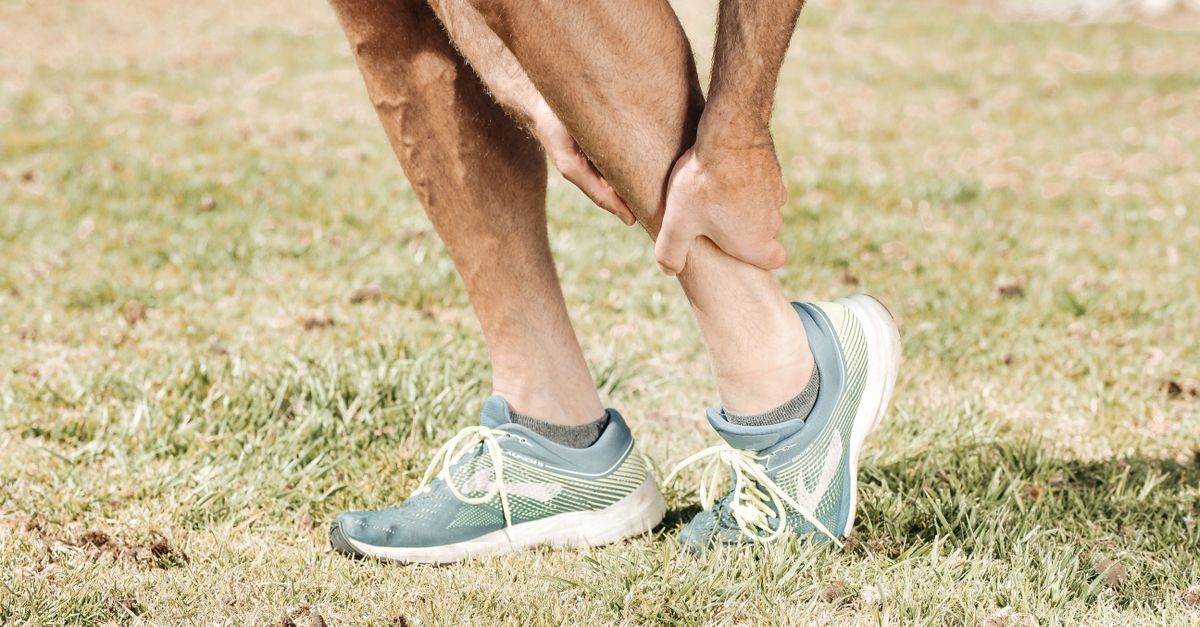
When your calf muscle suddenly cramps in the middle of the night, you are experiencing a nocturnal leg cramp, an involuntary, sustained, and highly painful contraction of the gastrocnemius or soleus muscles. This sudden physiological event jerks individuals out of deep sleep, leaving the affected muscle feeling like a rigid knot of wood. While the pain is acute and often leaves a lingering soreness for days, the underlying mechanism is usually a benign disruption in the electrochemical signals that regulate muscle relaxation, rather than a sign of a dangerous vascular or neurological disease.
Skeletal muscles operate on a complex sliding filament mechanism governed by the nervous system and fueled by a precise balance of hydration, electrolytes, and cellular energy. During the day, physical activity keeps muscles engaged and blood flowing. At night, as the body remains motionless and the core temperature drops, the chemical environment surrounding the motor neurons changes. If the muscle fibers are fatigued, shortened, or depleted of essential minerals, the motor neurons can become hyper-excitable, firing a continuous barrage of signals that lock the muscle in a state of tetany.
Understanding the cascade of events that leads to this nocturnal spasm requires examining daytime physical habits, systemic hydration, and biomechanical resting positions. By identifying the specific triggers—whether it is dehydration, prolonged sitting, or an imbalance of magnesium—patients can implement targeted conservative strategies to stabilize their motor neurons and ensure uninterrupted sleep.
2. The Physiology of Muscle Contraction
To comprehend why a muscle cramps, one must understand how it normally contracts and relaxes. Muscle contraction is initiated by an electrical signal from a motor neuron. This signal triggers the release of a neurotransmitter called acetylcholine at the neuromuscular junction, which in turn causes the muscle cell to release stored calcium ions.
The calcium ions bind to specific proteins within the muscle fiber, allowing two structural filaments, actin and myosin, to slide past each other. This sliding action shortens the muscle, creating a contraction. This phase of the process is generally rapid and highly coordinated.
Crucially, muscle relaxation is not a passive process; it is an active, energy-dependent action. The muscle cell must expend adenosine triphosphate (cellular energy) to actively pump the calcium ions back into storage, detaching the actin and myosin filaments. If this active relaxation phase is interrupted by neurological misfiring or chemical depletion, the muscle remains locked in a rigid, painful spasm.
3. Nocturnal Leg Cramps Defined
A nocturnal leg cramp is a specific clinical entity. It predominantly affects the calf muscles, though it can also occur in the hamstrings or the small muscles of the foot. The onset is abrupt, reaching maximum intensity within seconds, and the visible distortion or hardening of the muscle is frequently palpable.
These cramps occur almost exclusively during the transition from wakefulness to sleep or during periods of deep rest. They are distinct from restless legs syndrome, which is characterized by a creeping, crawling sensation and an irresistible urge to move the legs, rather than a hard, locked muscular spasm.
The incidence of nocturnal cramps increases significantly with age, likely due to a natural loss of muscle mass, age-related changes in peripheral nerve function, and a higher prevalence of chronic medical conditions that alter fluid balance.
4. Dehydration and Fluid Imbalance
Systemic dehydration is a leading trigger for nocturnal muscle spasms. Water is the fundamental medium in which all cellular biochemistry occurs. It dictates the volume of the blood plasma and maintains the delicate osmotic gradients across muscle and nerve cell membranes.
When the body is dehydrated, the total blood volume decreases, which can slightly reduce peripheral perfusion to the extremities during sleep. More importantly, dehydration causes the extracellular fluid space to shrink, increasing the concentration of certain ions while depleting others.
This fluid shift places significant osmotic stress on the motor nerve endings located within the calf muscle. The stressed nerves become highly irritable. In the middle of the night, a slight shift in leg position can be enough to trigger these irritable nerves to fire a continuous, uncoordinated signal, plunging the dehydrated muscle into a severe cramp.
5. Electrolyte Depletion
Electrolytes are electrically charged minerals essential for conducting nerve impulses and executing muscle contractions. Sodium, potassium, calcium, and magnesium must exist in a precise equilibrium for the neuromuscular junction to function flawlessly.
Magnesium deficiency is notoriously linked to nocturnal leg cramps. Magnesium acts as a natural calcium channel blocker; it regulates the influx of calcium into the muscle cell and is vital for the active relaxation phase. When magnesium levels are low, calcium floods the cell unchecked, making it incredibly difficult for the muscle fibers to disengage once a contraction starts.
Potassium is responsible for repolarizing the nerve cell, allowing it to reset after sending a signal. If potassium is depleted through heavy sweating, diuretic medications, or a poor diet, the nerve cell remains in a state of heightened excitability, prone to misfiring and causing spontaneous cramping.
6. Neurological Fatigue and Overexertion
Pushing the calf muscles past their normal endurance threshold during the day frequently results in nocturnal cramping. Rigorous exercise, such as long-distance running, heavy weightlifting, or playing a demanding sport, causes micro-damage to the muscle fibers and depletes cellular glycogen stores.
This physical exhaustion affects the neurological control of the muscle. The Golgi tendon organs, which are sensory receptors designed to inhibit muscle contraction and prevent tearing, become fatigued and less responsive. Simultaneously, the muscle spindles, which encourage contraction, become hyperactive.
During sleep, this neurological imbalance manifests vividly. The inhibitory safety mechanisms are offline due to fatigue, allowing the hyperactive muscle spindles to initiate a massive, sustained contraction without any conscious input from the brain, resulting in a sudden awakening with a cramped calf.
7. Sedentary Lifestyles and Muscle Shortening
Conversely, a complete lack of physical activity is just as detrimental as overexertion. Individuals who sit at a desk for eight hours a day maintain their knees in a bent position and their ankles in a relaxed, plantar-flexed posture. Over time, the fascia and muscle fibers of the calf physically adapt to this shortened position.
When a muscle is chronically shortened, it loses its natural elasticity and range of motion. During the night, if the individual stretches their leg out straight, they are forcing this tight, shortened muscle to elongate abruptly.
The shortened muscle fibers resist this sudden stretch. The protective muscle spindles misinterpret the stretch as a potential tearing injury and reflexively fire a massive contraction signal to tighten the muscle, instantly generating a severe cramp.
8. Biomechanics of Sleep Posture
The physical position of the foot during sleep plays a surprisingly significant role in triggering cramps. When sleeping on the back with heavy blankets, the weight of the bedding often pushes the toes downward, pointing them away from the body. This position is called plantar flexion.
Plantar flexion places the calf muscle in its most shortened, contracted state. Maintaining this completely shortened position for hours while asleep maximizes the overlap between the actin and myosin filaments inside the muscle cells.
In this anatomically shortened state, the muscle is highly vulnerable. Any minor electrical misfire from the nervous system will cause the already overlapping filaments to lock tightly together, resulting in an immediate and intense spasm that requires the person to manually force the foot in the opposite direction to break the tension.
9. Medications Associated with Cramping
Numerous pharmaceutical agents list nocturnal leg cramps as a prominent side effect, primarily by altering fluid balance or interfering with electrolyte absorption. Diuretics, commonly prescribed for hypertension and heart failure, forcefully excrete sodium and water from the kidneys, frequently dragging potassium and magnesium out with them.
Statins, a class of drugs used to lower cholesterol, can cause myopathy and muscle toxicity. While true muscle damage is rare, many patients on statins report a significant increase in the frequency and intensity of nocturnal calf and thigh cramps, likely due to the drug’s effect on cellular energy production.
Long-acting beta-agonists used in asthma inhalers can also stimulate motor neurons and provoke cramping. Reviewing a patient’s medication list is a crucial diagnostic step when evaluating new-onset, frequent nocturnal spasms.
10. Peripheral Artery Disease
While most cramps are related to nerves and minerals, vascular compromise must be considered, especially in older adults. Peripheral artery disease involves the narrowing of the arteries supplying the legs due to atherosclerotic plaque buildup.
During the day, peripheral artery disease typically causes claudication—pain in the calves that occurs during walking and stops with rest. However, if the arterial blockage is severe, the muscles may not receive adequate blood flow even while resting in bed.
The resulting nocturnal ischemia (lack of oxygen) alters the cellular metabolism of the calf muscle, leading to an accumulation of acidic waste products. This toxic metabolic environment severely irritates the local nerve endings and muscle fibers, triggering sharp, cramp-like pain that frequently wakes the patient from sleep.
11. Distinguishing Cramps from Deep Vein Thrombosis
Because any sudden, severe pain in the calf can indicate a medical emergency, it is vital to distinguish a benign muscle cramp from a Deep Vein Thrombosis, a dangerous blood clot in the deep veins of the leg.
| Characteristic | Nocturnal Muscle Cramp | Deep Vein Thrombosis (Blood Clot) |
|---|---|---|
| Onset | Sudden, explosive, intense spasm | Gradual onset, steady throbbing ache |
| Physical Feel | Muscle is rock-hard and visibly tight | Muscle feels full, tender, but not rigid |
| Resolution | Relieved by stretching and walking within minutes | Pain persists and worsens over hours or days |
| Visual Signs | No lasting color changes, just residual soreness | Leg appears swollen, red, and feels warm to the touch |
A blood clot is a stationary blockage that causes fluid to back up, leading to swelling and redness. A cramp is a transient electrical event that resolves mechanically without causing lasting swelling.
12. Immediate Relief Techniques
When jolted awake by a severe calf cramp, immediate mechanical intervention is required to break the tetanic contraction. The fastest and most effective method is to passively stretch the affected muscle. The Golgi tendon organs must be activated by a deep stretch to send an inhibitory signal that overrides the spasm.
The patient should immediately sit up, straighten the affected leg, and pull the toes firmly back toward the shin (dorsiflexion). This action physically pulls the contracted actin and myosin filaments apart. Holding this stretch for thirty to sixty seconds will usually break the spasm completely.
If pulling the toes is too difficult, simply standing up and placing full body weight on the flat foot can force the calf muscle to elongate. Walking slowly around the room afterward promotes blood flow, which flushes away the lactic acid generated during the intense contraction, reducing residual soreness.
13. Long Term Prevention Strategies
Preventing nocturnal leg cramps involves addressing the underlying biomechanical and chemical triggers. Daily stretching is highly effective, particularly for individuals with sedentary jobs. A routine of gentle calf stretches performed for five minutes immediately before getting into bed lengthens the muscle fibers and reduces overnight neurological excitability.
Hydration must be managed consistently throughout the day. Drinking adequate water ensures stable blood volume and proper cellular osmolarity. However, patients should avoid drinking massive amounts of fluid right before bed to prevent sleep disruption from nocturia.
Adjusting sleep posture is also beneficial. Keeping the blankets loose at the foot of the bed prevents the toes from being forced downward. Some patients find relief by sleeping with a small pillow under their calves to keep the knees slightly bent and the ankles in a neutral position.
14. Dietary and Supplement Interventions
Dietary adjustments aimed at restoring electrolyte balance are a cornerstone of prevention. Increasing the intake of magnesium-rich foods, such as spinach, pumpkin seeds, almonds, and black beans, supports proper muscle relaxation pathways.
For patients who experience frequent cramps despite dietary changes, a magnesium supplement taken in the evening is often recommended by clinicians. Magnesium glycinate is typically preferred over magnesium oxide due to its higher bioavailability and lower likelihood of causing gastrointestinal distress.
Potassium intake should also be evaluated. Consuming bananas, sweet potatoes, and avocados provides the necessary cellular ions to maintain nerve membrane stability. Quinine, a historic remedy for leg cramps, is no longer recommended by medical authorities due to the risk of severe hematological side effects.
15. When to Seek Medical Evaluation
While nocturnal leg cramps are incredibly painful, they are generally a harmless annoyance. However, changes in the pattern or intensity of the cramps warrant a professional medical review to rule out underlying systemic issues.
Seek medical evaluation if the calf cramps become so frequent that they cause severe, chronic insomnia, if they are accompanied by profound muscle weakness or visible muscle wasting, or if the cramping sensation is paired with numbness or a burning, tingling feeling in the feet.
Furthermore, if the leg remains significantly swollen, red, hot, or continuously painful long after the acute spasm has passed, emergency medical care is required immediately to rule out a deep vein thrombosis.
16. Frequently Asked Questions (FAQ)
1. Why do leg cramps mostly happen at night?
At night, your body is inactive, and your heart rate drops, slightly decreasing blood flow to the muscles. Additionally, sleeping on your back often forces your toes to point downward, putting your calf muscle in a completely shortened position. In this shortened state, any minor nerve irritation easily triggers a massive spasm.
2. Does eating a banana before bed stop leg cramps?
Bananas are high in potassium, which is essential for healthy nerve function. If your cramps are caused specifically by a potassium deficiency, a banana may help. However, many nocturnal cramps are actually related to a lack of magnesium or simple dehydration, not just potassium.
3. How do you get rid of a calf cramp instantly?
You must force the muscle to stretch. Sit up, keep your leg straight, and grab your toes, pulling them back firmly toward your knee. If you cannot reach your toes, stand up immediately and press your foot flat against the floor, leaning forward slightly to stretch the back of your lower leg.
4. Can drinking alcohol cause leg cramps while sleeping?
Yes. Alcohol is a diuretic, meaning it forces your kidneys to excrete extra fluid and vital electrolytes like magnesium and potassium. Going to bed dehydrated and depleted of minerals from alcohol consumption drastically increases the likelihood of your motor nerves misfiring and causing a cramp.
5. Is a cramp a sign of a blood clot?
A cramp is usually a sudden, explosive tightening of the muscle that goes away within a few minutes after stretching. A blood clot (Deep Vein Thrombosis) usually causes a dull, steady, continuous throbbing ache accompanied by visible swelling, redness, and heat in the leg. If the pain and swelling do not go away, see a doctor immediately.
17. Bibliography
Disclaimer: The content is for informational purposes only and does not replace medical advice. Always consult your doctor for personalized treatment.