1. Introduction
A thick white coating on the tongue in the morning is primarily caused by an accumulation of dead skin cells, food debris, and oral bacteria on the papillae during sleep. Reduced salivary flow overnight allows this biofilm to proliferate rapidly without the natural mechanical washing that occurs during waking hours. While often a harmless sign of transient dehydration or poor oral hygiene, it can also indicate a fungal overgrowth such as oral candidiasis.
Waking up with a noticeably coated tongue is a frequent clinical complaint that causes significant anxiety for many individuals. The oral cavity is a dynamic environment containing a delicate balance of diverse microorganisms. During sleep, physiological changes alter the moisture and chemical balance of the mouth, creating an ideal setting for bacteria and cellular debris to accumulate on the rough surface of the tongue.
Determining the exact cause of this coating requires examining concurrent symptoms, hydration levels, and dietary habits. A comprehensive clinical approach helps distinguish a benign physiological accumulation from an active infection or an underlying gastrointestinal disruption needing targeted medical intervention.
2. Anatomy of the Tongue Surface
The surface of the human tongue is covered in thousands of tiny, finger-like projections called papillae. These structures give the tongue its characteristic rough texture and contain the taste buds. In a healthy state, the papillae continuously shed outer layers of cells to maintain a clean and functional sensory surface.
Due to their biological architecture, papillae create microscopic crevices and valleys across the dorsal surface of the tongue. These crevices act as physical traps for shed epithelial cells, microscopic food particles, and resident oral bacteria.
When the normal shedding process of the papillae is interrupted, or if the papillae become inflamed and enlarged, they trap a significantly greater volume of debris. This collection of material forms a visible, dense white or yellowish paste that coats the tongue.
3. The Role of Saliva in Oral Health
Saliva is the primary defense mechanism of the oral cavity. It acts as a continuous mechanical wash, flushing away food debris and unattached bacteria before they can adhere to the tongue and teeth. Furthermore, saliva contains essential antimicrobial enzymes and buffers that maintain a neutral pH, preventing the overgrowth of harmful microorganisms.
Throughout the day, constant swallowing and speaking facilitate this salivary clearance. The physical movement of the tongue against the hard palate also helps scrape away accumulating debris. This combination of chemical defense and mechanical action keeps the tongue looking pink and clean.
When salivary flow is compromised, the oral environment rapidly deteriorates. A dry mouth allows cellular debris to stagnate and bind tightly to the papillae, forming a resilient biofilm that is distinctly visible upon waking.
4. Nocturnal Dehydration and Biofilm Formation
During the sleep cycle, the parasympathetic nervous system naturally reduces the production of saliva. This physiological decrease in moisture is a normal part of human rest but creates a vulnerable period for the oral cavity.
Without the constant flow of saliva, the mouth becomes relatively dry. The bacteria naturally present in the mouth feed on any residual sugars and proteins left over from the previous day. As they metabolize these compounds, they multiply rapidly and bind together with dead cells to form a biofilm.
Because the tongue remains motionless during sleep, this biofilm remains undisturbed for several hours. By morning, the biofilm has thickened into a distinct white layer. This overnight accumulation is the most common reason for morning tongue coating and usually resolves quickly with hydration and oral hygiene.
5. Oral Microbiome Balance
The mouth hosts a complex ecosystem composed of billions of bacteria, fungi, and viruses, collectively known as the oral microbiome. In a healthy individual, beneficial bacteria keep opportunistic pathogens in check. A delicate equilibrium is necessary to prevent any single organism from dominating the environment.
When this equilibrium is disrupted by systemic illness, poor diet, or the use of broad-spectrum antibiotics, the microbial balance tips. Bacteria that produce thick, sticky byproducts may proliferate, contributing to a heavier and more persistent tongue coating.
Maintaining this microbiome is crucial. Harsh, alcohol-based mouthwashes can sometimes do more harm than good by eradicating beneficial bacteria alongside pathogens, leading to rapid bacterial rebound and chronic tongue coating issues.
6. Oral Candidiasis
Oral candidiasis, commonly referred to as oral thrush, is a specific fungal infection caused by an overgrowth of Candida albicans. While Candida is a normal resident of the digestive tract and mouth, it can multiply aggressively if the immune system is compromised or the local environment becomes overly acidic.
Thrush presents as creamy white, slightly raised lesions that heavily coat the tongue, inner cheeks, and roof of the mouth. Unlike a benign bacterial biofilm, these fungal patches can be difficult to scrape off.
If the white patches are scraped away, they often reveal a raw, red, bleeding mucosal surface underneath. Patients with oral thrush frequently report a loss of taste, a dry cotton-like feeling in the mouth, and localized discomfort when eating or swallowing.
7. Mouth Breathing and Sleep Disordered Breathing
Individuals who breathe primarily through their mouth during sleep are exceptionally prone to developing a thick white tongue coating. Mouth breathing accelerates the evaporation of whatever small amount of saliva is produced overnight, leading to profound oral desiccation.
This severe drying causes the papillae to become inflamed and enlarged, increasing their capacity to trap debris. The dried biofilm becomes firmly adherent to the tongue surface, making it difficult to remove even with vigorous brushing.
Conditions such as obstructive sleep apnea or chronic nasal congestion force patients to rely on mouth breathing. Addressing the underlying airway obstruction is a fundamental step in resolving the persistent morning tongue coating for these individuals.
8. Dietary Influences on the Tongue
Dietary choices significantly influence the chemical composition of the oral cavity. Diets rich in refined carbohydrates and simple sugars provide abundant fuel for oral bacteria. A high sugar intake before bed practically guarantees a rapid bacterial bloom overnight.
Dairy products also play a notable role. Consuming milk or cheese close to bedtime leaves specific proteins in the mouth that can make the saliva thicker and more viscous. This sticky environment facilitates the adherence of white cellular debris to the tongue.
Conversely, a diet focusing on crisp, fibrous vegetables helps mechanically clean the tongue during chewing, while adequate water intake ensures optimal salivary volume and flow.
9. Geographic Tongue and Leukoplakia
Geographic tongue is a benign inflammatory condition where the papillae on the tongue surface wear away in random, map-like patterns. The borders of these smooth red patches are often outlined by prominent, raised white lines of regenerating tissue. This condition is usually painless and fluctuates over time.
Leukoplakia represents a more concerning clinical finding. It involves thick, white patches forming on the tongue or inner cheeks that absolutely cannot be scraped off. These patches develop in response to chronic irritation, most notably from tobacco use.
While often benign, leukoplakia is considered a precancerous condition. Any persistent white patch that does not resolve with improved oral hygiene and hydration must be evaluated by a healthcare professional to rule out dysplastic cellular changes.
10. Gastrointestinal Health and Reflux
The oral cavity is the beginning of the gastrointestinal tract, and conditions affecting the stomach can manifest on the tongue. Gastroesophageal reflux disease involves stomach acid washing backward into the esophagus and occasionally reaching the mouth.
This acidic fluid chemically alters the pH of the oral cavity, fostering the growth of acid-loving bacteria and promoting mucosal inflammation. Patients with nocturnal acid reflux frequently wake up with a white, coated tongue accompanied by a sour taste and a sore throat.
Addressing the underlying digestive reflux through dietary modifications and targeted acid-suppressing medications is often necessary to resolve the persistent oral symptoms and restore a healthy tongue appearance.
11. Differentiating Causes of Tongue Coating
| Symptom Characteristic | Appearance and Texture | Probable Clinical Cause |
|---|---|---|
| Easily brushed away, bad morning breath | Even white film, mainly on the back of the tongue | Bacterial Biofilm and Dehydration |
| Cottage cheese texture, bleeds when scraped | Raised white patches across the mouth | Oral Candidiasis (Thrush) |
| Smooth red islands with distinct white borders | Map-like patterns that change location | Geographic Tongue |
| Thick, firm patches that cannot be scraped | Leathery white plaques, history of smoking | Leukoplakia |
12. Oral Hygiene Interventions
Effective clinical management of a benign white tongue relies on meticulous oral hygiene practices. Brushing the teeth twice daily is insufficient if the tongue is neglected. Patients should incorporate a dedicated tongue scraper into their morning routine.
A tongue scraper provides firm, even mechanical pressure across the dorsal surface, efficiently dislodging the trapped biofilm and dead cells from the papillae. The scraping motion should always proceed from the back of the tongue toward the front to prevent the gag reflex and ensure debris is removed from the mouth.
Using a non-alcoholic, fluoride-based mouthwash provides antimicrobial benefits without causing the profound tissue drying associated with alcohol-based rinses.
13. Hydration and Lifestyle Adjustments
Because dry mouth is a primary catalyst for nocturnal biofilm accumulation, aggressive systemic hydration is paramount. Patients must consume adequate water throughout the day to ensure the salivary glands have sufficient raw material to produce fluid overnight.
Keeping a glass of water by the bedside and taking small sips if waking during the night helps maintain oral moisture. For individuals living in arid climates or using central heating during the winter, placing a cool-mist humidifier in the bedroom adds necessary moisture to the inhaled air, preventing severe desiccation of the oral mucosa.
Smoking cessation is absolutely essential. Tobacco smoke paralyzes the natural defense mechanisms of the mouth, severely dries the tissues, and heavily promotes the growth of anaerobic bacteria that contribute to a coated tongue and severe halitosis.
14. When to Seek Clinical Evaluation
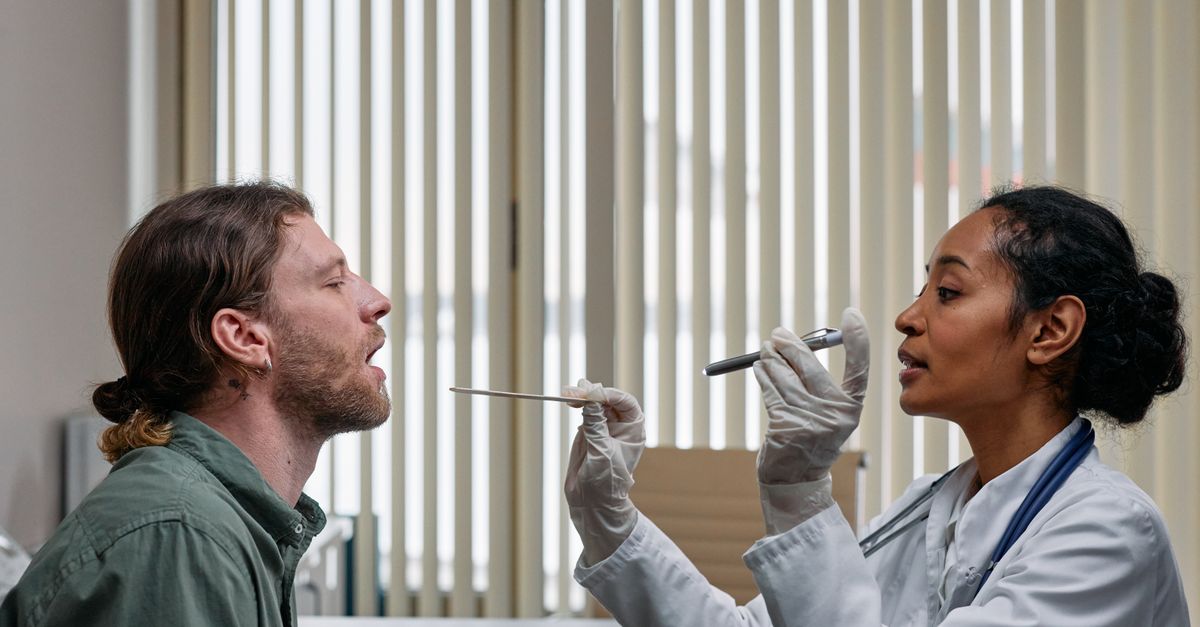
While a white tongue in the morning is largely a benign physiological occurrence, specific red flag symptoms require prompt clinical investigation. If the white coating is accompanied by severe pain, difficulty swallowing, or a sudden, unexplained fever, an active infection is likely present.
Any white patch that persists for more than two weeks despite rigorous oral hygiene and scraping warrants evaluation by a dentist or oral pathologist. A biopsy may be necessary to rule out leukoplakia or other neoplastic changes.
Furthermore, if the tongue coating develops suddenly alongside profound systemic fatigue or swollen lymph nodes, it may indicate a broader immunological issue or viral infection requiring comprehensive medical testing.
15. Frequently Asked Questions FAQ
1. Does a white tongue mean my liver or digestive system is failing?
A white tongue is rarely a sign of severe organ failure. It is almost always a local issue related to oral bacteria, dry mouth, or minor acid reflux. Unless accompanied by yellowing of the skin or severe abdominal pain, it is not an indicator of liver disease.
2. Will using baking soda clean the white coating off my tongue?
Baking soda can help neutralize oral acids and act as a mild abrasive to remove debris. However, using it too frequently can irritate the delicate papillae and disrupt the natural microbiome. A simple tongue scraper and plain water are safer for daily use.
3. Why does my tongue stay white even after I brush it vigorously?
If brushing does not remove the coating, you may have elongated papillae that trap debris deeply, or you may be dealing with oral thrush, which attaches firmly to the tissue. Excessive, harsh brushing can also inflame the papillae, making them swell and trap even more bacteria.
4. Can antibiotics cause my tongue to turn white?
Yes. Antibiotics kill the healthy, beneficial bacteria in your mouth. This sudden ecological void allows naturally occurring yeast, like Candida, to grow unchecked, frequently resulting in a fungal infection known as oral thrush shortly after finishing the medication.
5. Does drinking coffee make the white coating worse?
Coffee is a diuretic that contributes to systemic dehydration and decreases saliva production. It is also highly acidic, which can alter the oral pH in favor of bacteria that produce thick biofilms, thereby worsening the morning coating.
16. Bibliography
Disclaimer: The content is for informational purposes only and does not replace medical advice. Always consult your doctor for personalized treatment.