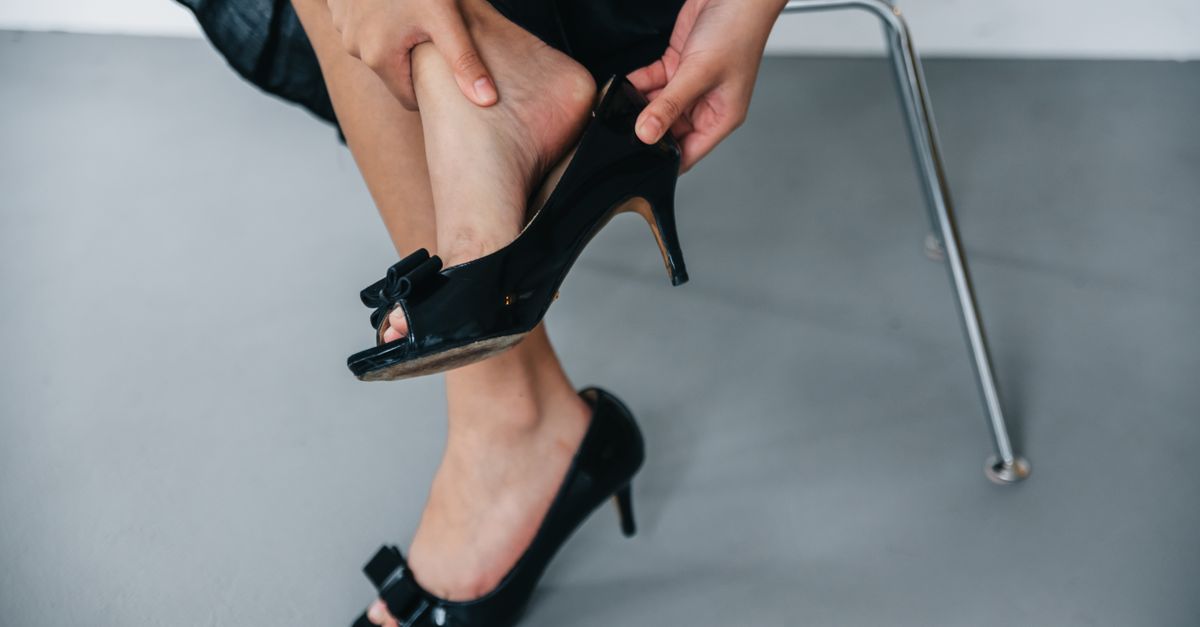
1. Introduction to Toe Pain
Pain in the toes is a frequent clinical complaint that can severely compromise an individual’s mobility and quality of life. Because the toes absorb significant mechanical forces during the toe-off phase of the gait cycle, they are highly vulnerable to repetitive stress injuries, localized infections, and inflammatory arthropathies. Promptly identifying the precise etiology of the pain is critical for initiating effective treatment and restoring normal weight-bearing function.
The underlying causes of digit discomfort in the foot range from simple dermatological issues to complex metabolic disorders. Structural abnormalities, improper footwear, and acute trauma each present with distinct clinical characteristics. Addressing the problem often requires a multifaceted approach involving biomechanical correction, pharmacological therapy, and occasionally surgical intervention.
Patients must understand that ignoring toe pain can lead to altered walking mechanics as the body naturally attempts to shift weight away from the painful area. This compensatory gait can subsequently trigger secondary issues in the ankles, knees, and lower back. A comprehensive podiatric evaluation is the foundation for accurate diagnosis and successful clinical management.
2. Structural Anatomy of the Digits of the Foot
The skeletal framework of the toes is composed of fourteen phalangeal bones. The great toe, or hallux, contains two robust phalanges and absorbs the majority of the propulsive force during walking. The remaining four lesser toes each contain three smaller phalanges. These bones articulate with the metatarsals of the midfoot forming the metatarsophalangeal joints.
The stability and dynamic movement of the toes are controlled by a complex arrangement of ligaments, joint capsules, and tendons. The flexor and extensor tendons travel from the muscular compartments of the lower leg to anchor onto the phalanges allowing for curling and lifting of the digits. The plantar plate, a thick fibrocartilaginous structure located beneath the metatarsophalangeal joints, prevents hyper-extension during weight-bearing.
A rich vascular network supplies oxygenated blood to the distal tissues while intricate nerve branches provide sensory feedback. The interdigital nerves course between the metatarsal heads before branching into the toes. The structural density of this region means that any local swelling, joint deformity, or inappropriate mechanical pressure can quickly result in intense pain.
3. Ingrown Toenails and Local Infections
An ingrown toenail, clinically termed onychocryptosis, is one of the most common causes of localized toe pain. This condition occurs when the lateral edge of the nail plate grows down into the adjacent soft tissue folds. It most frequently affects the great toe and is primarily caused by improper nail trimming techniques, tight footwear, or natural genetic curvature of the nail.
As the hard nail edge penetrates the skin it incites a profound foreign body inflammatory response. The tissue becomes red, significantly swollen, and exquisitely tender to light pressure. If left untreated the breach in the skin barrier allows normal skin flora to invade resulting in a secondary bacterial infection characterized by the discharge of purulent fluid and increased throbbing pain.
Management of a mild ingrown nail involves soaking the foot in warm water and gently lifting the embedded nail edge. However if infection or severe hypergranulation tissue is present professional intervention is necessary. A clinician may perform a partial nail avulsion removing the offending border of the nail under local anesthesia and applying a chemical matrixectomy to prevent recurrence.
4. Gout and Crystalline Arthropathies
Gout is a severe inflammatory arthritis caused by the systemic accumulation of uric acid in the bloodstream. When serum uric acid levels exceed their saturation point the excess uric acid precipitates into needle-like monosodium urate crystals. These crystals have a strong predilection for depositing within the cooler peripheral joints particularly the first metatarsophalangeal joint of the great toe.
An acute gout flare is characterized by the rapid onset of agonizing pain often awakening the patient from sleep. The affected toe becomes intensely erythematous, warm to the touch, and swollen. The pain is so severe that even the light pressure of a bed sheet resting on the toe becomes intolerable. This presentation is clinically referred to as podagra.
Diagnosis is confirmed through the clinical presentation or by aspirating joint fluid to identify the urate crystals under a microscope. Acute management focuses on suppressing the intense inflammation with nonsteroidal anti-inflammatory drugs, colchicine, or systemic corticosteroids. Long-term management requires lifestyle modifications and urate-lowering medications to prevent future crystallization.
5. Traumatic Fractures and Contusions
Acute trauma to the toes occurs frequently from stubbing the foot against hard furniture or dropping heavy objects onto the digits. Such impact forces can result in soft tissue contusions, subungual hematomas, or fractures of the phalanges. Subungual hematomas are collections of blood trapped beneath the nail plate that cause intense throbbing pain due to increasing pressure within the confined space.
Phalangeal fractures present with immediate sharp pain, rapid swelling, and localized bruising. While many minor toe fractures are stable and maintain proper anatomical alignment some impacts can cause displacement of the bony fragments or intra-articular fractures that involve the joint surface.
Radiographic evaluation is standard protocol following significant trauma to determine the extent of the bony injury. Treatment for stable non-displaced toe fractures is generally conservative involving buddy taping the injured toe to an adjacent healthy toe for support and utilizing stiff-soled footwear. Severe fractures with displacement may require closed reduction or surgical fixation.
6. Bunions and Hallux Valgus Deformity
A bunion is a complex structural deformity of the first metatarsophalangeal joint clinically recognized as hallux valgus. In this condition the first metatarsal bone deviates medially away from the foot while the great toe drifts laterally toward the second toe. This biomechanical misalignment creates a prominent bony bump on the inside edge of the foot.
The pain associated with a bunion arises from two distinct sources. First the prominent bony eminence rubs against the interior of shoes causing localized skin irritation, bursitis, and deep aching pain. Second the altered mechanics of the joint lead to uneven cartilage wear resulting in secondary osteoarthritis within the joint capsule itself.
Conservative management aims to alleviate pressure and reduce pain. This involves transitioning to wide toe-box footwear, utilizing silicone toe spacers, and employing custom orthotic devices to correct underlying biomechanical faults such as overpronation. When conservative measures fail to relieve debilitating pain surgical realignment of the bones through an osteotomy is considered.
7. Plantar Plate Tears and Sprains
The plantar plate is a thick ligamentous structure that stabilizes the metatarsophalangeal joints from the bottom of the foot. Plantar plate dysfunction is a common cause of pain localized to the base of the second toe. It typically results from chronic repetitive stress rather than a single acute injury often exacerbated by wearing high-heeled shoes or having an abnormally long second metatarsal bone.
Patients with a plantar plate injury complain of a deep aching sensation beneath the ball of the foot and the base of the affected toe. They often describe a sensation akin to walking directly on a pebble. As the ligament progressively weakens or tears the toe may begin to visibly drift apart from the adjacent toes or elevate dorsally into a hammertoe position.
Early diagnosis is critical to prevent progressive joint deformity. A clinical assessment known as the dorsal drawer test assesses the stability of the joint. Initial treatment involves strict offloading using metatarsal pads, taping the toe into anatomical alignment, and wearing rigid-soled shoes to minimize stress on the healing ligament.
8. Hammertoe and Structural Abnormalities
Hammertoe is a structural deformity characterized by an abnormal flexion contracture at the proximal interphalangeal joint of one of the lesser toes. The toe bends downward in the middle resembling the shape of a hammer. This deformity arises from a chronic imbalance in the dynamic tension between the extensor and flexor muscles controlling the digit.
The bent position of the toe causes the prominent dorsal knuckle to constantly rub against the top of standard footwear. This persistent friction leads to the development of painful hyperkeratotic skin lesions known as corns. The tip of the toe may also develop calluses from striking the ground at an unnatural vertical angle.
In the early stages hammertoes are flexible and the pain can be managed with protective padding and roomy footwear. However as the joint capsule contracts over time the deformity becomes rigid. Once fixed surgical intervention may be required to release the contracted tendons and resect a portion of the bone to allow the toe to lie flat.
9. Peripheral Neuropathy and Nerve Damage
Neuropathic pain in the toes originates from damage to the peripheral nervous system rather than a structural or inflammatory musculoskeletal issue. The most prevalent cause of peripheral neuropathy is chronic uncontrolled diabetes mellitus. High blood glucose levels over years progressively damage the microvasculature that supplies the distal sensory nerves of the feet.
Patients with peripheral neuropathy describe their pain as burning, electrical, or a sensation of walking on pins and needles. This discomfort is typically symmetrical affecting both feet simultaneously and is often worse during the night. Crucially the neuropathic process also blunts protective sensation making the toes vulnerable to unrecognized traumatic injuries and severe ulcerations.
Managing neuropathic toe pain requires strict glycemic control to halt further nerve degradation. Pharmacological agents such as gabapentin or tricyclic antidepressants are frequently utilized to modulate the abnormal nerve signals and provide symptomatic relief. Daily visual inspection of the feet is mandatory for these patients to detect any silent injuries.
10. Poor Footwear and Biomechanical Stress
The influence of inappropriate footwear on toe health cannot be overstated. Shoes that feature a narrow tapering toe box force the digits into an unnatural triangular shape. This continuous lateral compression squeezes the interdigital nerves and exacerbates structural deformities like bunions and hammertoes.
High-heeled shoes dramatically alter the biomechanics of normal gait. Elevating the heel forces the body’s weight forward placing immense non-physiological pressure directly onto the metatarsal heads and the delicate structures of the forefoot. This sustained loading rapidly accelerates the development of plantar plate tears and joint capsulitis.
Correcting footwear is often the simplest and most effective initial treatment for toe pain. Transitioning to shoes that provide ample room for the toes to splay naturally and feature a firm supportive sole immediately reduces mechanical stress. Custom orthotics may be required to correct specific biomechanical faults such as severe pes planus which alters forefoot mechanics.
11. Clinical Presentation and Symptoms
A detailed analysis of the symptom characteristics helps the clinician differentiate between the various possible etiologies of toe pain.
| Clinical Presentation | Common Diagnostic Association |
|---|---|
| Sudden onset of severe pain, redness, and swelling in the great toe | Acute Gout Flare |
| Pain, redness, and pus at the edge of the nail | Ingrown Toenail with secondary infection |
| Deep ache beneath the base of the second toe, feeling like a pebble | Plantar Plate Tear / Capsulitis |
| Burning or tingling sensation affecting multiple toes symmetrically | Peripheral Neuropathy |
The temporal nature of the pain—whether it is worse with initial weight-bearing, worsens progressively throughout the day, or wakes the patient at night—provides further diagnostic clarity.
12. Diagnostic Assessment and Imaging
The clinical evaluation of a painful toe involves a comprehensive physical examination. The podiatrist or clinician assesses the foot for structural alignment, skin integrity, and the presence of localized edema. Palpation of the joints and soft tissues identifies exact points of tenderness while range of motion testing reveals underlying joint stiffness or instability.
Standard plain radiographs are highly useful for evaluating the bony architecture of the forefoot. X-rays can identify acute fractures, demonstrate the extent of arthritic joint space narrowing, and measure the exact angular deviation in conditions like hallux valgus.
When soft tissue pathology such as a plantar plate tear or a localized nerve enlargement known as a Morton neuroma is suspected diagnostic ultrasound or magnetic resonance imaging provides detailed visualization. Laboratory testing is reserved for specific clinical suspicions such as evaluating serum uric acid levels during a gout investigation or inflammatory markers if an infection is present.
13. Treatment Approaches and Podiatric Care
Conservative podiatric care aims to reduce pain, control inflammation, and restore normal biomechanical function. The foundation of treatment relies on activity modification and the strategic use of footwear. Protective padding, silicone sleeves, and offloading felt cutouts are employed to redistribute pressure away from painful prominences and hyperkeratotic lesions.
Pharmacological treatments vary depending on the diagnosis. Oral nonsteroidal anti-inflammatory drugs are broadly useful for acute musculoskeletal inflammation. Topical antifungal agents are prescribed for severe fungal infections of the nail bed while systemic antibiotics are necessary for bacterial skin infections. In cases of severe joint inflammation localized corticosteroid injections provide rapid symptomatic relief.
Physical therapy is beneficial for maintaining joint mobility and strengthening the intrinsic muscles of the foot. Specific exercises can improve dynamic arch support and reduce the mechanical burden on the forefoot structures. Regular podiatric maintenance including professional debridement of painful corns and proper nail trimming is essential for chronic care.
14. When to Consult a Specialist
Immediate medical evaluation is necessary if toe pain is accompanied by signs of systemic infection such as fever, chills, or a spreading red streak moving up the foot and leg. Diabetics must be particularly vigilant and seek urgent care for any open sore, severe localized swelling, or change in skin color on the toes to prevent catastrophic complications.
Significant trauma resulting in a visibly deformed toe or severe pain that completely prevents weight-bearing requires prompt radiographic assessment to rule out complicated fractures. Patients who experience sudden severe joint pain without any history of injury should be evaluated quickly to rule out acute crystalline arthropathies or septic arthritis.
For chronic issues if conservative home measures such as changing footwear and resting the foot do not yield improvement over several weeks a specialist consultation is warranted. Early intervention for progressive structural deformities often prevents the need for extensive surgical correction later in life.
15. Frequently Asked Questions (FAQ)
1. Can a fungal infection cause toe pain?
Yes. While often painless initially a severe fungal nail infection can cause the nail plate to become excessively thick and deformed. This thickened nail creates painful pressure against the interior of the shoe and the sensitive nail bed beneath.
2. What is turf toe and how does it happen?
Turf toe is a severe sprain of the main joint of the great toe. It occurs when the toe is forcefully bent upwards such as when an athlete pushes off the ground forcefully often on artificial turf surfaces.
3. Should I try to cut out an ingrown toenail myself?
No. Attempting “bathroom surgery” to remove an ingrown nail often leaves sharp spicules of nail behind and dramatically increases the risk of introducing severe bacterial infections into the soft tissues.
4. Can I prevent bunions if they run in my family?
While genetic foot structure predisposes you to bunions avoiding tight narrow shoes and wearing supportive orthotics can significantly delay their progression and prevent them from becoming painful.
5. Why do my toes cramp at night?
Nocturnal toe cramps can be caused by muscle fatigue, dehydration, electrolyte imbalances, or poor peripheral circulation. Gentle stretching before bed and ensuring adequate hydration often alleviate the problem.
Bibliography
Disclaimer: The content is for informational purposes only and does not replace medical advice. Always consult your doctor for personalized treatment.