1. Introduction
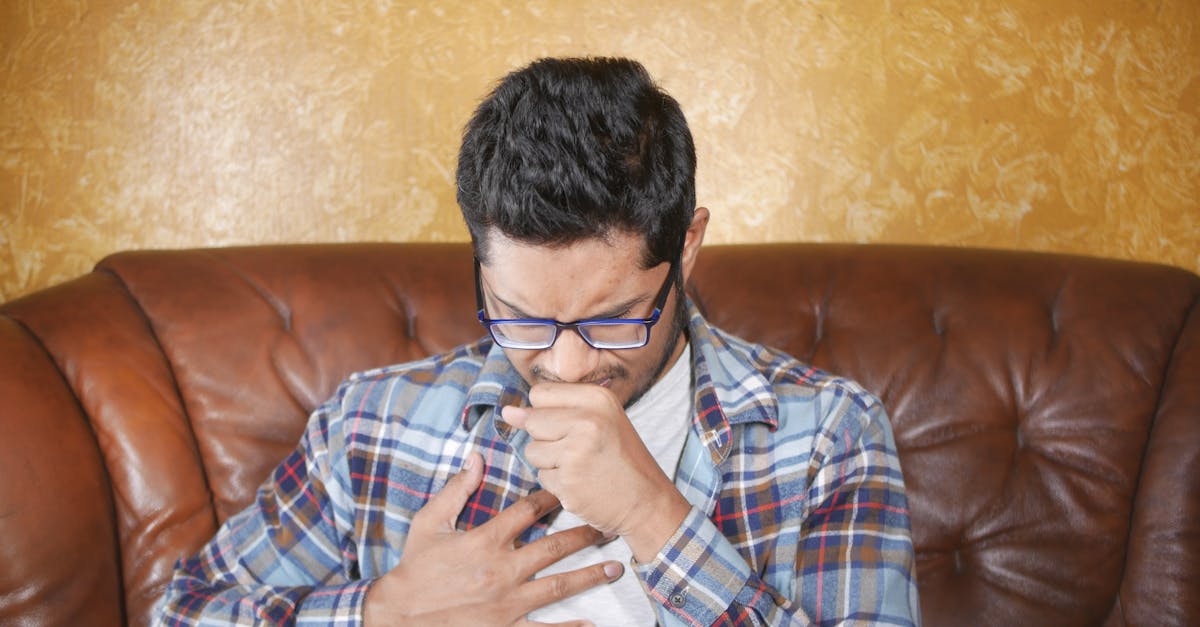
Daily vaping directly causes chronic chest pain and shortness of breath by inducing severe chemical inflammation in the respiratory epithelium. Inhaling aerosolized propylene glycol, vegetable glycerin, and flavoring agents damages the alveolar lining, leading to bronchospasm and reduced oxygen exchange capacity. The electronic cigarette converts these liquid chemicals into a superheated aerosol that delivers a highly concentrated dose of oxidative stress directly to the deepest regions of the lung tissue.
While vaping was initially marketed as a safer alternative to combustible tobacco, clinical evidence demonstrates that the respiratory system is not designed to process heated, vaporized humectants. The continuous exposure initiates a persistent inflammatory cascade. White blood cells flood the airways in response to the chemical insult, resulting in chronic edema, mucus hypersecretion, and a profound tightening of the chest wall musculature.
Understanding the pathophysiological impact of e-cigarette aerosols is critical for diagnosing modern respiratory ailments. Patients frequently present with atypical chest pain and exercise intolerance that standard cardiac evaluations fail to explain. Recognizing vaping as the primary environmental toxin allows clinicians to implement targeted smoking cessation protocols and intercept irreversible pulmonary remodeling.
2. Anatomy of the Lower Respiratory Tract
The human respiratory system is a highly branching network designed to maximize the surface area for gas exchange. Air travels down the trachea, branching into the left and right bronchi, and further dividing into thousands of microscopic bronchioles. At the terminal end of these bronchioles sit the alveoli, tiny air sacs wrapped in a dense web of capillaries.
The alveolar membrane is exceptionally thin, measuring only one cell layer thick. This delicate barrier allows oxygen to diffuse seamlessly into the bloodstream while carbon dioxide diffuses out. The entire airway is lined with ciliated epithelial cells that constantly sweep mucus and foreign debris upward, keeping the lungs sterile and clear.
When a user inhales from a vaping device, the aerosol bypasses the upper airway defenses due to the microscopic size of the vapor particles. These chemical droplets settle directly onto the fragile alveolar membranes, coating the exact site where critical gas exchange occurs.
3. The Chemistry of E-Cigarette Aerosols
The primary base liquids in vaping devices are propylene glycol and vegetable glycerin. In their liquid state at room temperature, these compounds are generally recognized as safe for oral ingestion. However, the safety profile changes catastrophically when they are subjected to high thermal energy.
Heating these humectants over metal coils causes thermal degradation, converting the liquid into an aerosol while simultaneously generating highly toxic carbonyl compounds, specifically formaldehyde, acetaldehyde, and acrolein. Acrolein is a well-documented pulmonary irritant known to cause severe inflammatory lung damage.
Furthermore, the flavoring chemicals added to e-liquids are not intended for inhalation. When superheated, these complex artificial flavorings undergo unpredictable chemical reactions, creating novel volatile organic compounds that exhibit direct cellular toxicity when they contact the respiratory epithelium.
4. Mechanism of Endothelial Damage
The immediate consequence of inhaling these volatile compounds is acute oxidative stress. The superheated aerosol delivers a massive payload of free radicals to the lung tissue. These free radicals steal electrons from the lipid membranes of the respiratory cells, leading to lipid peroxidation and cellular death.
As the epithelial cells die, the integrity of the alveolar-capillary barrier breaks down. This breach allows fluid from the surrounding blood vessels to leak into the air sacs, a condition known as pulmonary edema. The accumulation of fluid physically blocks oxygen from reaching the red blood cells, triggering immediate shortness of breath.
Simultaneously, the damaged cells release powerful chemical messengers known as pro-inflammatory cytokines. These cytokines signal the immune system that the lungs are under attack, initiating a sustained, chronic inflammatory state that persists as long as the daily vaping habit continues.
5. Pathophysiology of Vaping-Induced Bronchospasm
The chronic chest pain associated with vaping is frequently driven by profound bronchospasm. The airway walls contain rings of smooth muscle. When the respiratory nerves detect the continuous presence of toxic acrolein and formaldehyde, they trigger a defensive reflex.
The smooth muscles undergo sustained, involuntary contractions in a desperate attempt to narrow the airway and prevent further toxins from reaching the deep lung tissue. This bronchoconstriction severely reduces the diameter of the airway, significantly increasing the physical effort required to inhale and exhale.
Patients perceive this severe muscle tightening as a heavy, crushing ache or sharp pain across the center of the chest. The sensation mimics an acute asthma attack. Because the vapor is inhaled daily, the muscles remain in a constant state of spasm, resulting in chronic, unrelenting chest discomfort.
6. The Role of Diacetyl and Bronchiolitis Obliterans
Certain vaping flavorings, particularly those mimicking buttery or creamy profiles, contain a chemical called diacetyl. While safe to eat in food products, the inhalation of aerosolized diacetyl is profoundly toxic to the small airways.
Chronic inhalation of diacetyl causes bronchiolitis obliterans, colloquially known as popcorn lung. This condition involves the aggressive scarring and fibrosis of the smallest bronchioles. The body lays down dense, rigid scar tissue in response to the chemical burns caused by the flavoring agent.
As the bronchioles become scarred, they narrow permanently and lose their elasticity. The air becomes trapped in the lungs, making it impossible to exhale fully. This irreversible structural damage presents clinically as severe, progressive shortness of breath and a persistent, dry cough.
7. Nicotine and Cardiovascular Stress
Most vaping liquids contain highly concentrated doses of nicotine salts. Nicotine is a potent sympathetic nervous system stimulant. Upon inhalation, nicotine crosses the alveolar membrane and reaches the brain within seconds, triggering a massive release of adrenaline.
This adrenaline surge forces the heart rate to spike and the peripheral blood vessels to constrict. The heart muscle demands more oxygen to pump against this increased vascular resistance. However, because the lungs are filled with chemical vapor and fluid, the oxygen supply is inherently restricted.
This mismatch between high oxygen demand and low oxygen supply causes myocardial ischemia—a lack of blood flow to the heart muscle. This ischemic stress manifests as a sharp, squeezing chest pain that is cardiovascular in origin, completely separate from the respiratory bronchospasm.
8. E-cigarette or Vaping Use-Associated Lung Injury (EVALI)
EVALI is a severe, acute respiratory illness specifically linked to the use of vaping products. It represents the extreme end of the inflammatory spectrum, where the lungs suffer a catastrophic inflammatory collapse.
| Clinical Phase | Physiological Marker | Patient Symptom Profile |
|---|---|---|
| Early Phase | Mild alveolar inflammation, macrophage activation | Dry cough, mild fatigue, vague chest discomfort |
| Acute Inflammatory Phase | Profound cytokine storm, fluid leakage into alveoli | Severe shortness of breath, sharp chest pain upon inspiration |
| Hypoxic Phase | Complete breakdown of gas exchange | Inability to breathe, rapid heart rate, low oxygen saturation |
| Recovery/Fibrotic Phase | Scar tissue formation following acute injury | Chronic exercise intolerance, persistent chest tightness |
9. Immune System Suppression in the Lungs
The lungs are patrolled by alveolar macrophages, specialized immune cells tasked with engulfing and destroying bacteria and foreign debris. Research demonstrates that e-cigarette aerosol paralyzes these macrophages, severely suppressing the lung’s innate immune system.
The vapor compromises the cellular machinery of the macrophages, rendering them sluggish and unable to phagocytose invading pathogens. Furthermore, the chemical coating on the ciliated cells halts the upward sweeping motion that normally clears mucus from the chest.
This combined failure of the mechanical and cellular immune defenses leaves the daily vaper highly susceptible to secondary bacterial pneumonias and severe viral respiratory infections, which further exacerbate the chronic chest pain and dyspnea.
10. Microvascular Constriction and Chest Pain
The microscopic blood vessels that surround the alveoli are exquisitely sensitive to the chemicals produced by heating e-liquids. The oxidative stress induced by the vapor destroys the endothelial cells lining these capillaries, impairing their ability to produce nitric oxide.
Nitric oxide is a crucial molecule that tells the blood vessels to relax and dilate. Without it, the pulmonary capillaries remain tightly constricted. This microvascular constriction raises the blood pressure specifically within the lungs, a condition known as pulmonary hypertension.
The right side of the heart must pump much harder to force blood through these constricted, damaged vessels. This increased cardiac workload produces a dull, heavy, persistent ache deep within the chest that worsens noticeably during physical exertion.
11. Differentiating Vaping Pain from Cardiac Events
Because chest pain is a primary symptom of a myocardial infarction (heart attack), distinguishing vaping-induced pulmonary pain from an acute cardiac event is a clinical priority.
Vaping-induced chest pain is typically pleuritic, meaning it worsens significantly when the patient takes a deep breath or coughs. It is often described as a burning sensation or a feeling of tight bands wrapping around the ribs. The pain frequently correlates temporally with a heavy vaping session and is accompanied by wheezing.
Cardiac pain, conversely, is usually described as a crushing, pressure-like sensation sitting dead center behind the sternum. It frequently radiates to the left arm, neck, or jaw and is accompanied by profuse sweating and nausea. Any sudden, severe chest pressure must be evaluated in an emergency setting to rule out cardiac ischemia.
12. Chronic Cough and Mucociliary Clearance
A persistent, daily cough is one of the most common complaints among heavy vapers. This chronic cough is a direct result of mucociliary dysfunction. The hot aerosol denatures the proteins in the mucosal lining, causing the mucus to become excessively thick and sticky.
Because the sweeping cilia are paralyzed by the chemical toxins, this thick mucus pools in the lower airways. The body attempts to clear this obstruction through forceful, violent coughing fits.
The mechanical force generated by these repetitive, violent coughs strains the intercostal muscles located between the ribs. This musculoskeletal strain adds another layer of sharp, localized chest wall pain that compounds the deeper inflammatory ache originating from the lungs.
13. Diagnostic Imaging and Pulmonary Function Tests
When a patient presents with vaping-induced shortness of breath, pulmonologists utilize specific diagnostic tools to assess the extent of the damage. A high-resolution computed tomography scan of the chest is the gold standard for visualizing EVALI and bronchiolitis obliterans.
The scan frequently reveals bilateral ground-glass opacities, which appear as hazy, white areas on the imaging. These opacities represent areas where the alveoli are filled with inflammatory fluid and cellular debris rather than air.
Pulmonary function tests are administered to measure the total volume of air the lungs can hold and the speed at which it can be exhaled. Vaping damage typically presents as an obstructive pattern, indicating that the small airways have narrowed, trapping air inside the chest cavity.
14. Cessation and Respiratory Healing Timeline
The only definitive treatment for vaping-induced respiratory disease is the absolute cessation of all inhaled aerosol products. The human lung possesses a remarkable capacity for healing, provided the chemical assault is halted.
Within the first two weeks of cessation, patients often experience an exacerbation of their cough. This is a positive physiological sign; the paralyzed cilia are waking up and actively attempting to clear the accumulated, stagnant mucus from the deep airways.
By the end of the first month, the acute chemical inflammation begins to subside, leading to a noticeable reduction in chest tightness and a significant improvement in shortness of breath during exercise. However, if bronchiolitis obliterans has developed, the fibrotic scar tissue is permanent, and the patient will require long-term pulmonary management.
15. When to Seek Emergency Medical Care
Patients who vape daily must be vigilant for signs of acute respiratory failure. Immediate emergency medical evaluation is mandated if the shortness of breath occurs while resting, or if the patient is unable to speak in full sentences without gasping for air.
The development of cyanosis—a bluish tint to the lips, fingertips, or nail beds—indicates severe systemic hypoxia and requires instant oxygen therapy. Furthermore, if the chest pain becomes suddenly crushing or is accompanied by dizziness and fainting, an immediate cardiac evaluation is necessary.
Early intervention with systemic corticosteroids can halt the inflammatory cytokine storm associated with acute vaping lung injury, preventing the need for mechanical ventilation and minimizing long-term fibrotic scarring.
16. Frequently Asked Questions (FAQ)
1. Is vaping without nicotine still bad for my lungs?
Yes. While removing nicotine eliminates the cardiovascular stimulant effect, the base liquids (propylene glycol and vegetable glycerin) and flavorings still convert to highly toxic, inflammatory chemicals like formaldehyde and acrolein when heated, causing severe lung damage.
2. How long does it take for chest pain from vaping to go away?
If the pain is caused by acute smooth muscle spasm and mild inflammation, it often resolves within two to four weeks of complete cessation. If the pain is due to severe EVALI or microvascular damage, recovery can take several months of medical management.
3. Does vaping cause fluid to build up in the lungs?
Yes. The chemical burns from the aerosol destroy the delicate lining of the air sacs, allowing fluid from the bloodstream to leak directly into the lungs. This pulmonary edema is a primary cause of severe shortness of breath.
4. Why do I feel more out of breath vaping than I did smoking cigarettes?
E-cigarette aerosols deliver ultra-fine particles deep into the terminal bronchioles, causing intense localized swelling and paralyzing the immune cells. Additionally, the heavy humectant vapor physically coats the air sacs, severely impending the transfer of oxygen into the blood.
5. Can an X-ray show if my lungs are damaged from vaping?
A standard chest X-ray may show severe fluid buildup in advanced EVALI, but it is often not sensitive enough to detect the early inflammatory changes or small airway scarring. A high-resolution CT scan is required to properly visualize vaping-induced lung disease.
17. Bibliography
Disclaimer: The content is for informational purposes only and does not replace medical advice. Always consult your doctor for personalized treatment.