1. Introduction
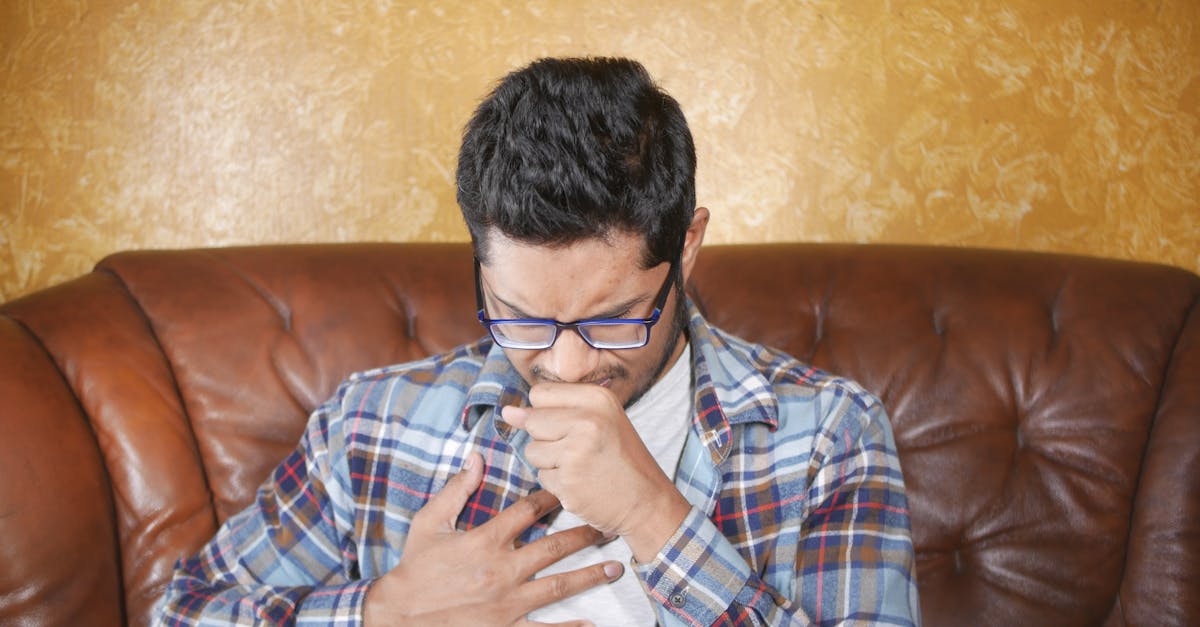
A sudden sharp pain in the chest can be a symptom of both an acute myocardial infarction (heart attack) and severe anxiety or a panic attack. While cardiac pain is often described as a heavy pressure that worsens with exertion, anxiety-induced pain is typically sharp, localized, and accompanied by a rapid onset of overwhelming physiological distress. The convergence of these two distinct etiologies presents one of the most critical triage challenges in clinical medicine, as the autonomic nervous system produces nearly identical physical responses to both biological failure and psychological terror.
The chest cavity houses vital organs and is densely packed with intricate nerve plexuses. The brain often struggles to pinpoint the exact origin of visceral pain. When the heart muscle is deprived of oxygen, it sends distress signals that radiate through the chest, arm, and jaw. Conversely, when the brain enters a state of absolute panic, it floods the bloodstream with adrenaline. This chemical surge causes the intercostal muscles of the chest wall to spasm, generating a sharp, stabbing sensation that mimicking cardiac distress flawlessly.
Because the consequences of a missed myocardial infarction are fatal, medical protocols dictate that sudden chest pain must be treated as a cardiac emergency until proven otherwise through objective electrocardiographic testing. Understanding the nuanced differences in the quality of the pain, the specific triggers, and the duration of the episode helps in the secondary differentiation of a structurally benign panic attack from a critical vascular obstruction.
2. Pathophysiology of Chest Pain
Pain perception in the chest relies on somatic and visceral nerve fibers. Somatic pain originates from the skin, muscles, and ribs. It is generally sharp, easily localized with a single finger, and often changes in intensity when the patient takes a deep breath or twists their torso.
Visceral pain originates from internal organs like the heart, lungs, and esophagus. Visceral nerve fibers are sparse and unmyelinated, resulting in pain that is diffuse, dull, and profoundly difficult to localize. The brain often refers visceral pain to other somatic areas that share the same spinal nerve roots, explaining why cardiac pain frequently radiates to the left arm or the jaw.
When evaluating sudden chest pain, clinicians first attempt to determine if the pain is reproducible. If pressing on the chest wall or moving the arms recreates the sharp pain, it strongly points toward a somatic origin, such as a muscle strain or costochondritis. If the pain is a deep, unyielding pressure unaffected by physical manipulation, a visceral origin like cardiac ischemia is the primary suspicion.
3. Myocardial Ischemia and Heart Attacks
A myocardial infarction occurs when a coronary artery becomes obstructed, usually by a ruptured cholesterol plaque and a subsequent blood clot. The heart muscle distal to the blockage is abruptly starved of oxygen, a state known as ischemia. The dying myocardial cells release lactic acid and other metabolic toxins that irritate the local visceral nerves.
The classic pain of a heart attack is rarely described as “sharp.” Patients typically use words like heavy, crushing, squeezing, or a tight band constricting the chest. It frequently feels as though a massive weight is resting directly on the sternum. The discomfort often begins subtly, steadily building in intensity over several minutes.
Crucially, cardiac ischemia is usually provoked by physical exertion or intense emotional stress, which increases the heart’s demand for oxygen. When the patient rests, the oxygen demand drops, and the pain may temporarily subside, although in a true infarction, the heavy pressure persists relentlessly.
4. Panic Attacks and Anxiety Responses
A panic attack is an abrupt surge of intense fear or physiological discomfort that peaks within minutes. It is driven by an unprovoked, spontaneous hyper-activation of the sympathetic nervous system. The adrenal glands dump profound quantities of adrenaline directly into the systemic circulation.
This adrenaline surge forces the heart to beat rapidly and strongly. It also causes the muscles of the chest wall to tighten defensively. The sharp, stabbing pain associated with a panic attack is frequently the result of acute intercostal muscle spasms or the sudden, forceful pounding of the heart against the inner chest wall.
Unlike the dull pressure of a heart attack, the chest pain during a panic attack is typically localized, sharp, and fleeting. It often occurs while the patient is completely at rest, watching television or lying in bed, completely unlinked to physical exertion. Patients experiencing this may refer to our guide on an impending sense of doom for further insight into the autonomic surge.
5. Differentiating the Pain Quality
The specific characteristics of the discomfort provide vital diagnostic clues. Cardiac pain is diffuse; a patient typically places a flat palm or a clenched fist over the center of their chest to describe the heavy location (Levine’s sign). It does not change in intensity when they press on their ribs or take a deep breath.
Anxiety-induced chest pain is often pinpoint. A patient can point to the exact spot with a single fingertip. The pain may feel like an electric shock or a sharp needle, lasting only a few seconds, or presenting as a continuous, tight ache in the surface muscles.
Furthermore, hyperventilation—rapid, shallow breathing—is a hallmark of panic attacks. This over-breathing blows off excess carbon dioxide, altering the pH of the blood. This temporary respiratory alkalosis causes the chest muscles to cramp further, exacerbating the sharp, stabbing sensation and creating a terrifying cycle of pain and panic.
6. Accompanying Autonomic Symptoms
Both heart attacks and panic attacks trigger systemic autonomic responses, leading to significant symptomatic overlap. Both conditions frequently present with a racing heart (tachycardia), shortness of breath, and profuse sweating (diaphoresis).
However, the specific nuances of these symptoms differ. The shortness of breath in a heart attack is often described as a heavy inability to draw air into the lungs, sometimes accompanied by a wet cough if fluid is backing up. In a panic attack, the shortness of breath feels like an inability to take a satisfying, deep breath, despite the lungs expanding normally.
Nausea, vomiting, and profound, unexplained fatigue are classic accompaniments to a myocardial infarction, particularly in women and elderly patients. While a panic attack may cause an upset stomach, it is uniquely characterized by a sense of unreality, tingling in the hands and lips, and a distinct, overwhelming fear of immediate death.
7. Other Benign Causes: Costochondritis
Beyond anxiety, several benign somatic conditions present with sharp, sudden chest pain. Costochondritis is an inflammation of the cartilage that connects the ribs to the sternum. This structural inflammation mimics cardiac pain but is distinctly sharp and aching.
The defining feature of costochondritis is reproducibility. If a clinician presses firmly on the joints where the ribs meet the breastbone, the patient will experience a sharp spike in the exact pain that brought them to the hospital.
Additionally, costochondritis pain is heavily influenced by movement. Taking a deep breath, coughing, or twisting the torso stretches the inflamed cartilage, causing a sharp, immediate catch in the chest. This mechanical relationship firmly points away from a primary cardiac or psychological event.
8. Pulmonary Emergencies
The differential diagnosis of sudden, sharp chest pain must always include pulmonary emergencies. A pulmonary embolism—a blood clot in the lung—presents with sudden, severe, sharp pain that explicitly worsens with a deep inhalation (pleuritic pain). It is almost universally accompanied by sudden, profound shortness of breath and a rapid heart rate.
A spontaneous pneumothorax occurs when a small blister on the lung ruptures, allowing air to escape into the chest cavity and collapsing a portion of the lung. This causes immediate, sharp, one-sided chest pain and sudden breathlessness, typically occurring in tall, thin individuals.
Both of these pulmonary conditions are life-threatening medical emergencies. The sharp, tearing nature of the pain requires immediate diagnostic imaging to visualize the lung structures and the pulmonary vasculature.
9. Emergency Triage Protocols
Due to the overlapping symptom profiles and the lethal nature of vascular obstructions, any sudden chest pain requires immediate presentation to an emergency department. Clinical triage protocols do not rely on a patient’s description of the pain to rule out a heart attack.
Upon arrival, the immediate priority is to assess hemodynamic stability. The clinical team monitors vital signs, applies supplemental oxygen if saturation is low, and secures intravenous access.
The physician conducts a rapid clinical interview, focusing on the patient’s age, cardiovascular risk factors (smoking, diabetes, hypertension), and the precise timeline of the pain’s onset. Patients with a known history of panic disorder are evaluated with the exact same rigor as those without, as an individual with anxiety is equally capable of suffering a genuine myocardial infarction.
10. Table: Differentiating Cardiac and Anxiety Pain
| Symptom Category | Myocardial Infarction | Panic Attack |
|---|---|---|
| Quality of Pain | Heavy, crushing, squeezing pressure | Sharp, stabbing, or electrical |
| Location and Radiation | Central, radiates to jaw, back, or left arm | Localized to one spot, rarely radiates |
| Triggers | Physical exertion, heavy emotional stress | Often spontaneous, occurs while resting |
| Duration | Constant, builds steadily over minutes to hours | Peaks within 10 minutes, slowly subsides |
11. Electrocardiography and Cardiac Biomarkers
The cornerstone of diagnosing an acute heart attack is the 12-lead electrocardiogram (ECG). This non-invasive test records the electrical vectors of the heart. If a major coronary artery is completely occluded, distinct electrical changes, specifically ST-segment elevations, will appear immediately on the tracing.
If the ECG is normal, the clinician must still rule out a non-ST segment elevation myocardial infarction (NSTEMI). This is achieved through serial blood tests measuring high-sensitivity cardiac troponin.
Troponin is a specific structural protein found exclusively inside heart muscle cells. When these cells are starved of oxygen and die, they burst open, releasing troponin into the bloodstream. A rising trend in blood troponin levels definitively confirms active cardiac damage, regardless of how the patient describes their pain.
12. Medical Management of Cardiac Events
If objective testing confirms a myocardial infarction, rapid intervention is critical. The standard protocol involves administering chewable aspirin to inhibit further platelet aggregation, halting the expansion of the blood clot. Sublingual nitroglycerin is given to dilate the coronary arteries and reduce the heart’s workload, which frequently relieves the heavy chest pressure.
The definitive treatment for a blocked artery is a percutaneous coronary intervention. A cardiologist threads a catheter from the wrist or groin into the heart, locates the blockage using contrast dye, and inflates a balloon to crush the plaque. A metallic stent is then deployed to keep the artery permanently open, restoring vital blood flow to the dying muscle.
Time is tissue in cardiology; these interventions must be performed as rapidly as possible to preserve the mechanical pumping ability of the left ventricle and ensure long-term survival.
13. Managing Panic Responses
When comprehensive cardiac testing, including ECG and troponin assays, returns perfectly normal, the clinician can confidently diagnose a panic attack. Receiving this definitive, objective reassurance is often the most powerful therapeutic intervention, immediately reducing the patient’s fear of death and lowering the secondary adrenaline surge.
If the patient remains in acute distress in the emergency department, a fast-acting benzodiazepine may be administered. This medication enhances the brain’s inhibitory neurotransmitters, chemically shutting down the hyperactive fear centers in the amygdala and relaxing the tense chest wall muscles.
The physician will carefully explain the physiological mechanism of a panic attack, ensuring the patient understands that the sharp pain they felt was genuine and physically real, but generated by harmless muscle spasms and adrenaline rather than a failing heart.
14. Long-term Prevention Strategies
Preventing recurrent panic attacks requires long-term psychological and pharmacological management. Cognitive Behavioral Therapy (CBT) is the gold standard intervention. Therapists help patients identify the catastrophic thought loops that turn a minor somatic sensation, like a skipped heartbeat, into a full-blown panic cascade.
Daily selective serotonin reuptake inhibitors (SSRIs) stabilize the central nervous system over time, preventing the sudden, unprovoked adrenaline dumps.
Conversely, preventing future cardiac events requires strict modification of metabolic risk factors. Patients must aggressively manage hypertension, stabilize blood glucose levels, adopt a heart-healthy Mediterranean diet, and adhere to a prescribed regimen of statins and antiplatelet agents to prevent future atherosclerotic plaque ruptures.
15. Frequently Asked Questions (FAQ)
1. How can I tell at home if it is a heart attack or a panic attack?
You cannot safely make this distinction at home. Because the symptoms overlap so perfectly, and because a heart attack is life-threatening, you must call emergency services immediately if you experience sudden, severe chest pain, especially if it is accompanied by shortness of breath or a cold sweat.
2. Does a sharp, stabbing pain mean my heart is okay?
Usually, yes. The heart muscle lacks the type of nerve endings that feel “sharp” pain. Sharp, localized pain that hurts worse when you press on it or take a deep breath is vastly more likely to be a muscle spasm, inflamed rib cartilage, or anxiety. However, a doctor must still rule out lung issues.
3. Why do my arms tingle during a panic attack?
During a panic attack, you subconsciously breathe faster and shallower (hyperventilation). This blows off too much carbon dioxide, changing the pH of your blood. This chemical shift causes a harmless but terrifying tingling and numbness in your hands, feet, and around your lips.
4. Can a panic attack actually cause a heart attack?
In a structurally healthy heart, no. A panic attack causes a rapid heart rate, identical to a heavy workout, which a healthy heart handles easily. However, in someone with severe, pre-existing coronary artery disease, the intense stress of a panic attack could potentially strain the heart enough to trigger an event.
5. What is the best thing to do if I feel a panic attack starting?
Focus on your breathing. Breathe in slowly through your nose for four seconds, hold for four seconds, and exhale slowly through your mouth for six seconds. This “box breathing” stimulates your vagus nerve, which acts as a biological brake to forcefully slow your heart rate and calm the adrenaline surge.
16. Bibliography
Disclaimer: The content is for informational purposes only and does not replace medical advice. Always consult your doctor for personalized treatment.