1. Introduction
Oxygen therapy is a foundational medical intervention prescribed when a patient is unable to maintain adequate systemic oxygenation through ambient air alone. Room air contains approximately twenty-one percent oxygen, which is sufficient for individuals with healthy pulmonary and cardiovascular systems. However, when acute or chronic disease processes impair gas exchange within the lungs, supplemental oxygen becomes a life-sustaining necessity. Administering oxygen is treated with the same clinical rigor as dispensing any pharmacological agent, requiring precise dosing, continuous monitoring, and structured therapeutic goals.
The transition to becoming a patient on oxygen therapy involves significant physiological and lifestyle adjustments. Whether the requirement is temporary following a severe respiratory infection or permanent due to chronic lung disease, understanding the mechanics of oxygen delivery is essential for optimizing therapeutic outcomes. Clinical management focuses on alleviating the systemic burden of cellular hypoxia, preventing organ damage, and improving the overall physical endurance of the patient.
2. The Physiology of Respiration and Gas Exchange
The primary function of the respiratory system is to facilitate the transfer of oxygen from the atmosphere into the bloodstream and the removal of carbon dioxide from the body. This process, known as gas exchange, occurs within the alveoli, which are microscopic air sacs located at the terminal ends of the bronchial tree. Surrounding these alveoli is a dense network of pulmonary capillaries.
Oxygen diffuses across the delicate alveolar-capillary membrane and binds to hemoglobin molecules within red blood cells. The cardiovascular system then pumps this oxygenated blood to every tissue and organ. When structural damage, inflammation, or fluid accumulation thickens this membrane or destroys alveolar surface area, the efficiency of gas exchange drops precipitously, leading to systemic oxygen deprivation.
3. Understanding Hypoxemia and Hypoxia
In clinical terminology, hypoxemia refers specifically to an abnormally low concentration of oxygen within the arterial blood. Hypoxia is a broader term describing the state where tissues and cells are deprived of adequate oxygen supply. While hypoxemia is the most common cause of hypoxia, distinguishing between the two is vital for diagnostic accuracy.
Prolonged cellular hypoxia triggers a cascade of detrimental physiological responses. The heart must pump faster to compensate for the lack of oxygen, leading to chronic tachycardia and increased myocardial stress. Furthermore, the pulmonary arteries constrict in response to low oxygen levels, a reflex known as hypoxic pulmonary vasoconstriction. Over time, this raises blood pressure within the lungs, eventually leading to right-sided heart failure.
4. Clinical Indications for Supplemental Oxygen
Supplemental oxygen is indicated when objective measurements confirm arterial hypoxemia. The most common chronic indication is chronic obstructive pulmonary disease, a progressive condition characterized by airflow limitation and alveolar destruction. Patients with severe emphysema or chronic bronchitis often rely on continuous or exertional oxygen therapy to maintain functional independence.
Acute indications include severe pneumonia, acute respiratory distress syndrome, pulmonary embolism, and acute exacerbations of heart failure. In these scenarios, oxygen therapy bridges the gap while the underlying pathology is treated with antimicrobials, diuretics, or anticoagulants. Additionally, patients experiencing severe trauma or acute blood loss require oxygen to maximize the carrying capacity of their remaining red blood cells.
5. Types of Oxygen Delivery Systems
Oxygen can be delivered through various modalities depending on the patient’s specific clinical requirements and lifestyle. Stationary oxygen concentrators are the standard for home use. These devices draw in ambient air, extract nitrogen, and deliver purified oxygen to the patient. They require a continuous electrical supply and are typically used while the patient is resting or sleeping.
For mobility, patients utilize portable oxygen concentrators or compressed oxygen cylinders. Portable concentrators operate on rechargeable batteries and are light enough to be carried over the shoulder, promoting active lifestyles. Compressed gas cylinders, while heavier, provide a reliable flow of pure oxygen and serve as critical backup systems during power outages. Liquid oxygen systems offer a high capacity in a relatively small container but require careful handling due to the freezing temperatures of the liquid gas.
6. Nasal Cannulas and Face Masks
The interface used to deliver oxygen directly impacts the concentration of oxygen reaching the lungs, known clinically as the fraction of inspired oxygen. The nasal cannula is the most common and comfortable interface, consisting of lightweight plastic tubing with two prongs that rest inside the nostrils. It is designed for low-flow oxygen delivery, typically between one and six liters per minute.
When higher concentrations are required, clinicians transition to face masks. A simple face mask covers the nose and mouth, allowing for flow rates up to ten liters per minute. For critical patients requiring near-maximum oxygen concentrations, a non-rebreather mask is utilized. This mask features an attached reservoir bag and one-way valves that prevent the inhalation of exhaled room air, delivering oxygen concentrations approaching one hundred percent.
7. Advanced Oxygen Delivery Modalities
In patients with profound hypoxemia who do not respond to standard masks, advanced non-invasive delivery systems are employed. High-flow nasal cannula therapy delivers heated, humidified oxygen at precise concentrations and at flow rates up to sixty liters per minute. This high flow creates a mild positive pressure in the upper airways, reducing the work of breathing and improving alveolar recruitment.
Continuous positive airway pressure and bilevel positive airway pressure machines are also utilized, particularly in patients with obstructive sleep apnea or acute exacerbations of chronic lung disease. These devices deliver pressurized air to keep the airways stented open, often supplemented with bled-in oxygen to correct concurrent hypoxemia.
8. Oxygen Flow Rates and Titration
Oxygen is a medical drug, and its dosage must be carefully titrated. Titration involves adjusting the flow rate to achieve a specific target oxygen saturation while using the lowest effective dose. For most acutely ill patients, the target saturation is between ninety-four and ninety-eight percent.
However, patients with chronic hypercapnia, a condition where the body retains carbon dioxide, require a different approach. In these individuals, the brain relies on low oxygen levels to stimulate the drive to breathe. Providing too much oxygen can blunt this respiratory drive, leading to dangerous carbon dioxide accumulation and respiratory acidosis. Therefore, the target saturation for these patients is strictly maintained between eighty-eight and ninety-two percent.
9. Pulse Oximetry and Arterial Blood Gases
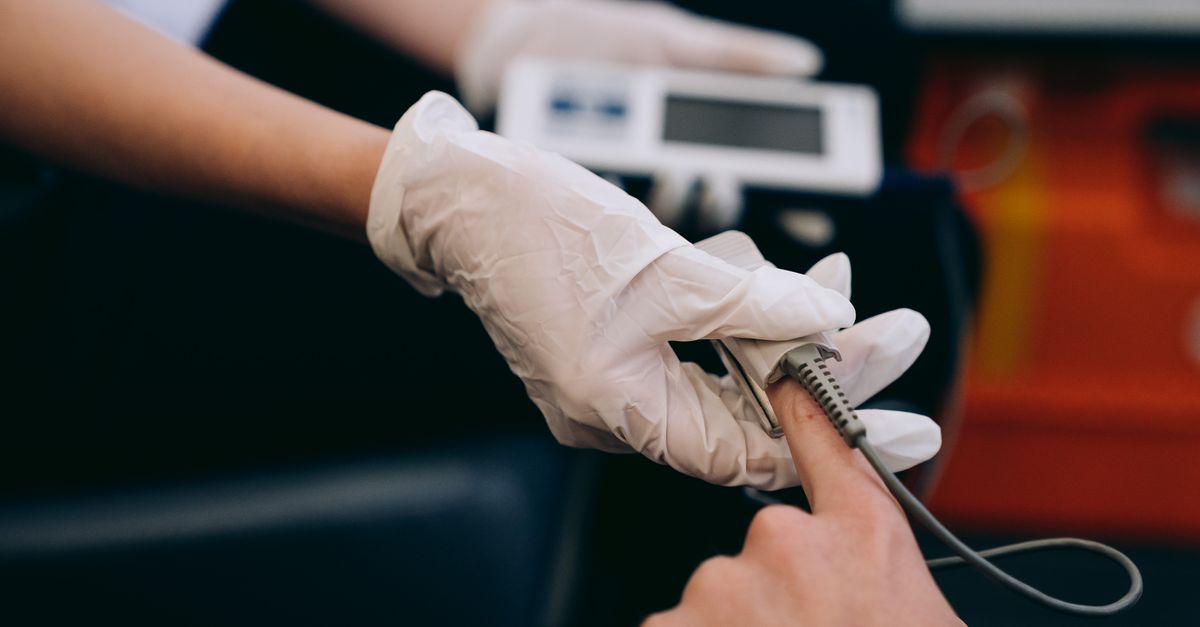
Monitoring the efficacy of oxygen therapy relies on two primary diagnostic tools. Pulse oximetry is a non-invasive method using a sensor placed on the fingertip or earlobe. It measures the percentage of hemoglobin saturated with oxygen. While convenient and ubiquitous, pulse oximetry can be inaccurate in patients with poor peripheral circulation, dark skin pigmentation, or carbon monoxide exposure.
The gold standard for assessing oxygenation is the arterial blood gas analysis. This test involves drawing blood directly from an artery, usually the radial artery in the wrist. It provides exact measurements of the partial pressures of oxygen and carbon dioxide, as well as the blood pH. Clinicians use arterial blood gases to make definitive adjustments to complex oxygen regimens.
10. Structural Data: Common Oxygen Interfaces
Understanding the capabilities of different oxygen delivery devices is crucial for clinical management.
| Delivery Interface | Typical Flow Rate | Estimated Oxygen Concentration | Primary Clinical Use |
|---|---|---|---|
| Nasal Cannula | 1 to 6 liters per minute | 24 to 44 percent | Stable patients, chronic home therapy. |
| Simple Face Mask | 5 to 10 liters per minute | 35 to 50 percent | Moderate hypoxemia, mouth breathers. |
| Venturi Mask | Varies by adapter | 24 to 50 percent (precise) | Patients requiring strict concentration control. |
| Non-Rebreather Mask | 10 to 15 liters per minute | 60 to 90 percent | Acute respiratory distress, trauma. |
11. Safety Protocols and Fire Hazards
Oxygen actively supports and accelerates combustion. A patient on oxygen must adhere to strict fire safety protocols to prevent devastating accidents. Smoking while using supplemental oxygen is strictly forbidden and poses a lethal risk of facial burns and airway inhalation injuries.
Patients must remain at least ten feet away from open flames, gas stoves, wood-burning fireplaces, and sparking electrical appliances. Furthermore, petroleum-based lip balms and lotions should never be used on the face or hands while handling oxygen equipment, as these substances can spontaneously ignite in the presence of concentrated oxygen. Clinicians emphasize the use of water-based lubricants exclusively.
12. Managing Skin Irritation and Dryness
Continuous oxygen flow through the nasal passages frequently causes mucosal dryness, irritation, and epistaxis. The plastic tubing can also create pressure ulcers over the ears and cheeks. These side effects, while seemingly minor, significantly reduce patient compliance with the prescribed therapy.
To mitigate mucosal dryness, sterile water humidifiers can be attached to stationary oxygen concentrators, particularly when flow rates exceed four liters per minute. Saline nasal sprays provide soothing relief for irritated nasal passages. Soft foam covers can be applied to the cannula tubing to prevent friction injuries behind the ears, ensuring the therapy remains comfortable for long-term use.
13. Traveling with Supplemental Oxygen
A prescription for oxygen therapy does not necessitate confinement to the home. With careful planning, patients can travel safely. When traveling by air, patients must notify the airline well in advance, as compressed gas cylinders are prohibited on commercial flights. Instead, patients must use Federal Aviation Administration-approved portable oxygen concentrators.
Changes in altitude affect the partial pressure of oxygen in the atmosphere. The cabin pressure in a commercial aircraft is equivalent to standing at an altitude of up to eight thousand feet. This reduced pressure means less oxygen is available, often requiring patients to temporarily increase their baseline flow rate during the flight under the explicit direction of their pulmonologist.
14. Oxygen Toxicity and Over-oxygenation
While oxygen is life-saving, excessive amounts can cause severe cellular damage, a condition known as oxygen toxicity. When tissues are exposed to abnormally high concentrations of oxygen for prolonged periods, the production of reactive oxygen species overwhelms the body’s antioxidant defenses.
This oxidative stress damages the alveolar-capillary membrane, paradoxically worsening gas exchange and mimicking the symptoms of acute respiratory distress syndrome. Furthermore, hyperoxia can induce systemic vasoconstriction, reducing blood flow to the brain and heart. Clinical protocols mandate weaning patients to the lowest effective oxygen concentration as rapidly as their physiological stability allows.
15. The Role of Pulmonary Rehabilitation
Supplemental oxygen treats the symptom of hypoxemia, but it does not reverse the underlying lung pathology. To maximize physical function, oxygen therapy must be paired with structured pulmonary rehabilitation. These medically supervised programs combine cardiovascular exercise, strength training, and breathing retraining techniques.
Rehabilitation helps patients optimize their remaining lung function and improves the efficiency with which their muscles extract oxygen from the blood. Patients learn techniques such as pursed-lip breathing and diaphragmatic breathing, which help empty the lungs of stale air and reduce the feeling of breathlessness, ultimately reducing their reliance on high exertional oxygen flows.
16. Frequently Asked Questions (FAQ)
1. Can I become addicted to supplemental oxygen?
No, oxygen is a basic physiological requirement, not an addictive substance. If you feel breathless without it, it is because your lungs require the support due to an underlying disease process, not because your body has formed a chemical addiction.
2. Why do I get a headache when using my oxygen?
A new or worsening headache could indicate that your oxygen flow rate is too low or too high. If you retain carbon dioxide, excessive oxygen can cause carbon dioxide to build up in your blood, frequently presenting as a morning headache similar to a tension headache.
3. Is it safe to cook while wearing my nasal cannula?
You must never cook over a gas stove, open flame, or use an oven while wearing oxygen. If you must cook, use an electric microwave and keep a safe distance from any heat sources to prevent severe combustion risks.
4. How do I know if my portable concentrator is delivering enough oxygen?
You should use a medical-grade pulse oximeter at home to check your oxygen saturation during rest and activity. If your saturation drops below your physician’s target range despite using the concentrator, you require a clinical evaluation.
5. Should I turn up my oxygen flow if I feel out of breath?
You should only adjust your oxygen flow rate based on explicit parameters set by your physician. Feeling breathless can be a sign of anxiety or worsening lung function. Always check your pulse oximeter first; if your saturation is normal, turning up the oxygen will not relieve the breathlessness.
17. Bibliography
Disclaimer: The content is for informational purposes only and does not replace medical advice. Always consult your doctor for personalized treatment.