1. Introduction
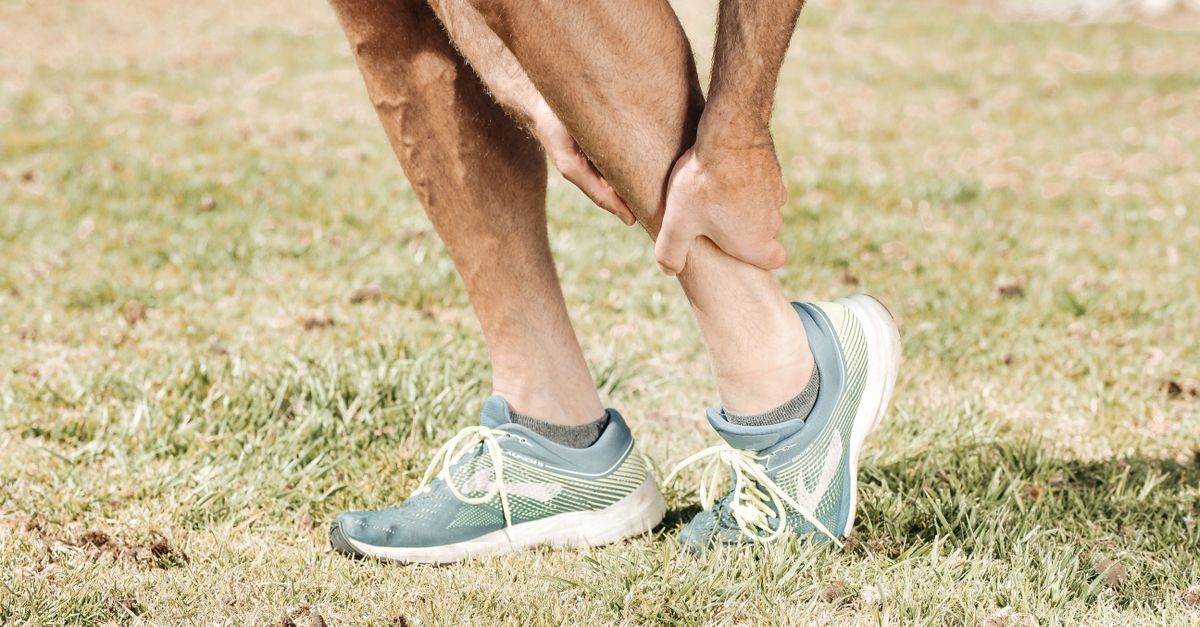
To instantly stop a severe leg cramp in the middle of the night, immediately bear weight on the affected leg or manually grasp the toes and pull them firmly upward toward the shin to induce a sustained, aggressive dorsiflexion stretch. A nocturnal leg cramp, colloquially known as a charley horse, is an involuntary, agonizing, and sustained tetanic contraction of the skeletal muscle, predominantly affecting the gastrocnemius or soleus muscles of the calf. The primary clinical objective during an acute attack is to mechanically force the hyper-contracted muscle fibers to lengthen, breaking the faulty neurological feedback loop that is commanding the muscle to seize.
Being abruptly awakened by blinding pain in the lower extremity is a profoundly distressing clinical event. While the exact pathogenesis of idiopathic nocturnal cramps remains multifactorial, it centers on the hyper-excitability of the terminal branches of motor neurons that innervate the muscle tissue. This instability is frequently provoked by systemic dehydration, microscopic electrolyte imbalances, accumulated muscular fatigue, or prolonged biomechanical shortening of the calf muscles during sleep.
Clinical management of recurrent nocturnal cramping requires a two-tiered approach: mastering immediate physical counter-maneuvers to abort the acute spasm, and implementing long-term preventative strategies, including daily stretching regimens and targeted nutritional repletion. By understanding the cellular and physical triggers that prompt these violent contractions, patients can systematically calm the nervous system and secure uninterrupted, pain-free sleep.
2. Neuromuscular Physiology of a Charley Horse
A voluntary muscle contraction requires a highly synchronized sequence of electrical and chemical events. A motor neuron fires an action potential, releasing the neurotransmitter acetylcholine at the neuromuscular junction. This initiates a rapid influx of sodium and calcium ions into the muscle cell, causing the microscopic actin and myosin filaments to lock together and shorten, generating force.
Once the neurological signal ceases, magnesium acts as a chemical gatekeeper, helping to pump the calcium back out of the cell, allowing the filaments to detach and the muscle to smoothly relax. A charley horse occurs when this intricate process catastrophically short-circuits.
The motor neuron begins firing chaotic, high-frequency electrical bursts autonomously, without any command from the brain. The continuous flood of calcium locks the actin and myosin filaments in a permanent state of maximum contraction, a condition clinically termed tetany. The muscle becomes a rock-hard, visible knot of agonizingly cramped tissue that cannot chemically release itself.
3. Motor Neuron Excitability during Sleep
The question of why these severe spasms occur predominantly at night relates directly to the physical posture of sleep and the ambient temperature of the bedroom. During sleep, humans naturally rest with their feet pointed slightly downward, a position known as plantar flexion.
When the foot is held in plantar flexion for hours, the muscles of the calf are placed in their absolute shortest anatomical position. A muscle held in a completely shortened state is exceptionally vulnerable to cramping, as the threshold required for the motor nerves to trigger a full contraction is drastically lowered.
Furthermore, if the feet become cold due to inadequate blanket coverage, the superficial blood vessels constrict. This localized drop in temperature and blood flow further irritates the already shortened motor nerve endings, acting as the final physical trigger that tips the hyper-excitable nerve into a massive, uncontrolled spasm.
4. The Mechanism of Dorsiflexion Stretching
When a charley horse strikes, the patient cannot wait for the chemical imbalance to resolve; the muscle must be mechanically overridden. Dorsiflexion is the anatomical movement of pulling the top of the foot backward, toward the knee.
Performing a forced dorsiflexion stretch utilizes a profound neurological mechanism known as reciprocal inhibition. When the muscles on the front of the shin (the tibialis anterior) are aggressively activated to pull the foot upward, the spinal cord automatically sends a powerful, overriding inhibitory signal to the opposing muscles on the back of the leg (the calf) commanding them to relax.
This biological fail-safe prevents opposing muscles from tearing each other apart. By immediately standing up and bearing weight on a flat foot, or pulling the toes upward with a towel, the patient physically stretches the cramped fibers while simultaneously triggering the central nervous system to forcefully shut down the rogue electrical firing causing the spasm.
5. Electrolyte Imbalances and Cellular Depolarization
The electrical stability of the motor neuron membrane is entirely dependent on the precise concentration gradients of key electrolytes: potassium, sodium, calcium, and magnesium. If the concentration of any of these ions in the extracellular fluid drops below optimal levels, the nerve membrane becomes structurally unstable.
Magnesium deficiency is the most heavily implicated chemical driver of chronic nocturnal cramping. Magnesium stabilizes the resting electrical charge of the nerve and is directly required for muscle relaxation. A lack of bioavailable magnesium leaves the nerves twitchy and hyper-reactive to minor stimuli.
Similarly, severe potassium depletion, often caused by heavy perspiration or the use of specific diuretic medications, disrupts the repolarization phase of the nerve impulse, making it vastly easier for the neuron to misfire repetitively. Targeted supplementation of these specific trace minerals restores cellular stability and raises the threshold for cramping.
6. Dehydration and Interstitial Fluid Dynamics
Skeletal muscles rely heavily on the continuous flow of well-hydrated blood and interstitial fluid to clear metabolic waste products and maintain electrolyte balance. Chronic, subclinical dehydration severely thickens the blood plasma and reduces the volume of fluid bathing the muscle fibers.
When the muscle tissue lacks adequate water, the concentration of acidic waste products, such as lactic acid, rises locally. This toxic, acidic environment directly irritates the sensitive terminal nerve endings embedded within the muscle belly.
Ensuring rigorous, continuous hydration throughout the daytime provides the vascular volume necessary to flush out these irritants. Patients must proactively consume clear fluids to ensure the muscles are adequately perfused and chemically balanced before entering the prolonged fasting state of nighttime sleep.
7. Structural and Positional Triggers
Biomechanical faults and daily postural habits heavily influence the likelihood of nocturnal cramping. Individuals who wear high-heeled shoes for extended periods force their calf muscles into a chronically shortened state throughout the entire workday.
The muscle physically adapts to this shortened resting length. When the individual eventually removes the shoes and goes to sleep, the shortened muscle is highly prone to locking into a spasm when the foot drops naturally into plantar flexion.
Corrective biomechanics require the patient to wear supportive, flat footwear and engage in rigorous calf stretching at the end of the day to restore the natural, elongated resting length of the muscle fibers, preventing the structural tightness that precipitates the night cramps.
8. The Impact of Muscular Fatigue
Overtraining and severe muscular fatigue are potent triggers for acute cramping episodes. When an individual engages in unaccustomed, rigorous physical activity, such as a long hike or intense cardiovascular training, the muscle fibers undergo microscopic tearing and severe glycogen depletion.
An exhausted muscle struggles to maintain its internal chemical equilibrium. The metabolic pumps that move calcium and sodium across the cellular membrane begin to fail due to a lack of cellular energy (ATP).
This metabolic failure causes the muscle to remain in a slightly contracted, twitchy state even after the exercise has ceased. As the patient attempts to sleep, this lingering neuromuscular exhaustion frequently erupts into a full-blown charley horse. Proper post-exercise recovery, including deep tissue massage and active cooling, mitigates this risk.
9. Peripheral Vascular Considerations
A clinician must evaluate the vascular supply to the lower extremities, particularly in older adults experiencing severe cramps. Peripheral artery disease occurs when atherosclerotic plaque narrows the major arteries supplying oxygenated blood to the legs.
While peripheral artery disease classically causes claudication—pain during walking that stops with rest—the severe lack of blood flow can also manifest as ischemic cramping during the night. The muscle tissue essentially suffocates, triggering agonizing spasms.
If the patient’s feet are chronically cold to the touch, if the skin appears shiny and hairless, or if the pedal pulses are difficult to detect, the nocturnal cramps may be a secondary symptom of critical vascular insufficiency requiring comprehensive cardiological assessment.
10. Pharmacological Inducers of Muscle Cramps
A meticulous review of the patient’s pharmacological history is vital, as several common prescription medications are notorious for causing drug-induced muscle spasms.
Statin medications, widely prescribed to lower cholesterol, can cause statin-induced myopathy. This condition directly damages the muscle fibers and alters their metabolic function, leading to profound aching and severe, sudden cramps. Diuretics, particularly loop diuretics used for hypertension, rapidly deplete total body water and critical electrolytes like potassium and magnesium, virtually guaranteeing a chemical environment ripe for cramping.
Additionally, certain asthma medications, such as long-acting beta-agonists, directly stimulate the nervous system and can lower the threshold for muscle fasciculations and spasms. Adjusting dosages or switching medication classes under medical supervision often entirely resolves the nocturnal episodes.
11. Thermal Modalities for Acute Spasms
Once the initial, blinding spasm has been mechanically broken by dorsiflexion, the muscle will remain intensely sore, bruised, and highly prone to seizing up again immediately. Utilizing thermal therapy stabilizes the tissue and prevents a secondary spasm.
Applying a hot compress or a heating pad directly to the knotted calf muscle induces localized vasodilation. The thermal energy expands the blood vessels, forcing a massive rush of fresh, oxygenated blood into the damaged tissue. This blood flushes out the concentrated lactic acid and calcium that caused the lockup, while the heat physically softens the rigid collagen fibers.
If the muscle remains exquisitely tender and inflamed the following morning, transitioning to cold therapy with an ice pack reduces the secondary inflammatory swelling and numbs the damaged tissue, providing significant palliative relief as the microscopic muscle tears heal.
12. Proactive Evening Stretching Protocols
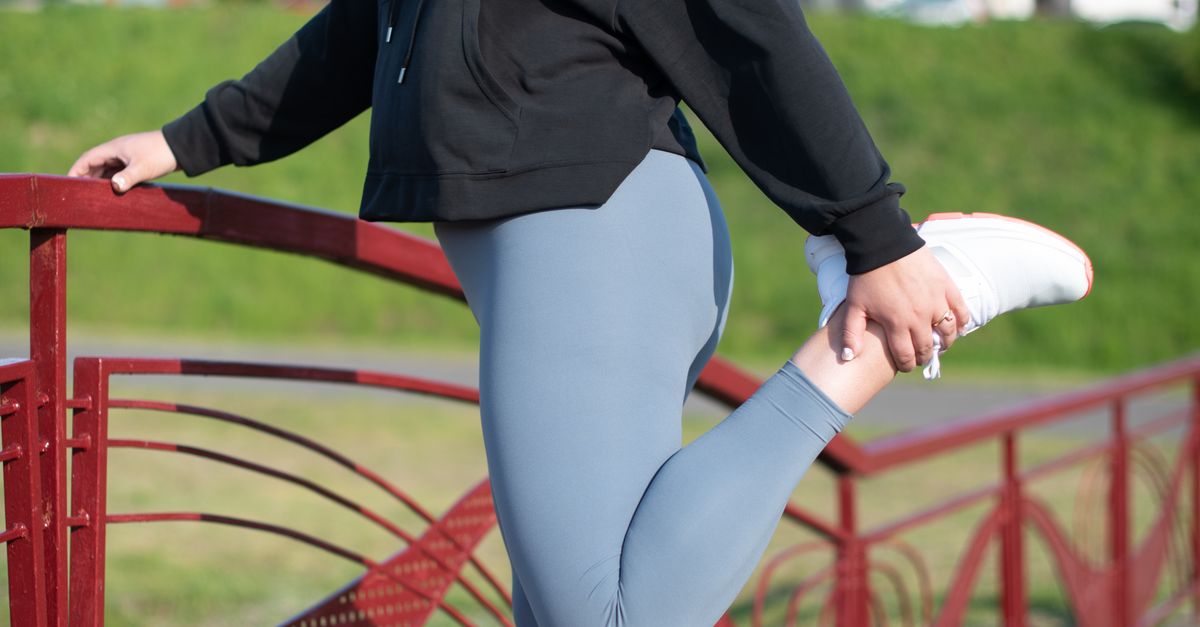
The most effective long-term defense against a charley horse is a dedicated, proactive stretching routine performed immediately before getting into bed. The goal is to maximize the physical length of the calf muscles, ensuring they cannot easily drop into the dangerously short, cramped position during sleep.
The patient should stand facing a wall, placing the hands flat against it. Stepping one leg backward and keeping it perfectly straight with the heel planted firmly on the floor, the patient leans forward until a deep, pulling stretch is felt in the back of the calf.
This specific stretch targets the large gastrocnemius muscle. To target the deeper soleus muscle, the patient should slightly bend the back knee while keeping the heel down. Holding these stretches for sixty seconds each, directly before sleep, dramatically reduces the baseline tension of the motor neurons.
13. Differentiating Cramps from Restless Leg Syndrome
It is imperative to distinguish a true muscle cramp from Willis-Ekbom disease, commonly known as restless leg syndrome. While both cause significant sleep disruption, their clinical presentations are entirely different.
A charley horse is a sudden, excruciating, involuntary lockup of a specific muscle, rendering it rock-hard and immobile. The pain is acute and blinding.
Restless leg syndrome, conversely, does not involve actual muscle spasms or hard knots. It presents as a deep, uncomfortable, crawling or pulling sensation within the leg that creates a powerful, conscious urge to constantly move the limb to seek relief. Treating restless leg syndrome requires neurological dopamine modulation, which is completely ineffective for treating mechanical muscle cramps.
14. Red Flags for Deep Vein Thrombosis
While nocturnal cramps are overwhelmingly benign neuromuscular events, a physician must rule out life-threatening vascular conditions that can present with similar, severe localized leg pain.
A deep vein thrombosis is a massive blood clot that forms within the deep venous system of the calf or thigh. If a patient experiences what feels like a severe cramp, but the pain does not resolve with stretching, and the calf becomes progressively swollen, visibly red, and hot to the touch, it is a critical medical emergency.
A deep vein thrombosis carries a massive risk of breaking loose and traveling to the lungs, causing a fatal pulmonary embolism. Any persistent, asymmetrical leg pain accompanied by swelling and redness demands immediate emergency vascular ultrasound evaluation.
15. When to Seek Professional Evaluation
Occasional nocturnal cramps following a day of heavy exertion or mild dehydration are normal physiological occurrences. However, if the cramps happen nightly, completely destroy the patient’s sleep architecture, and fail to respond to aggressive stretching and magnesium supplementation, professional medical evaluation is required.
A physician will conduct a comprehensive metabolic panel to identify hidden electrolyte deficiencies, evaluate thyroid function, and assess for systemic neurological conditions, such as early-stage motor neuron disease, which can present with frequent, intractable muscle fasciculations and severe cramping.
| Cramp Trigger | Biological Mechanism | Targeted Intervention |
|---|---|---|
| Biomechanical Shortening | Sleeping with feet pointed down lowers the threshold for nerve firing. | Daily wall stretches, keep blankets loose over feet. |
| Magnesium Deficiency | Nerve membranes become unstable and hyper-reactive. | Supplement with bioavailable magnesium glycinate. |
| Diuretic Medications | Washes out potassium and causes systemic dehydration. | Consult physician for dosage adjustment, increase clear fluids. |
| Muscular Exhaustion | Metabolic failure prevents calcium from leaving the muscle cells. | Post-exercise massage, thermal therapy before bed. |
16. Frequently Asked Questions
1. Is it a bad idea to massage a cramp while it is happening?
While light rubbing is instinctive, aggressively massaging a muscle that is actively locked in a tetanic spasm is generally ineffective and can cause significant bruising and tissue damage. Mechanical stretching is the only reliable way to physically break the spasm and shut off the nerve signal.
2. Why do my calf muscles feel bruised for days after a severe charley horse?
A severe cramp is a violent, uncontrolled contraction that frequently generates enough force to cause microscopic tears in the muscle fibers. The bruising and deep soreness you feel for days afterward is the delayed onset muscle soreness resulting from this structural tissue damage.
3. Does eating a banana before bed really prevent leg cramps?
Bananas contain moderate amounts of potassium, which is necessary for nerve repolarization. However, unless you are severely deficient in potassium (often due to diuretics), eating a single banana is unlikely to cure chronic cramping. Magnesium deficiency is a far more common culprit.
4. Can sleeping with heavy blankets cause a leg cramp?
Yes. Heavy, tightly tucked blankets physically weigh down your feet, forcing them into a sharply pointed position (plantar flexion) all night. This chronically shortens the calf muscles, making them highly susceptible to suddenly locking into a full spasm.
5. Are there any medications specifically designed to cure leg cramps?
Historically, quinine was prescribed for severe leg cramps, but the FDA severely restricted its use due to dangerous, life-threatening cardiac and hematological side effects. Current medical practice focuses almost entirely on treating the underlying nutritional or biomechanical cause rather than relying on risky pharmacological suppressants.
17. Bibliography
Disclaimer: The content is for informational purposes only and does not replace medical advice. Always consult your doctor for personalized treatment.