1. Introduction
Your calf muscles feel tight and tender to the touch after sleeping due to the natural resting posture of the foot during the night, which keeps the gastrocnemius and soleus muscles in a prolonged shortened position. This sustained contraction, combined with overnight dehydration or localized lactic acid accumulation, causes the fascial connective tissue to stiffen and the muscle fibers to become temporarily rigid. Restoring flexibility involves gentle morning stretching, maintaining adequate electrolyte balance, and potentially utilizing nocturnal splinting to keep the muscles elongated during sleep.
2. Anatomy of the Triceps Surae
The posterior lower leg is dominated by a powerful muscle group known as the triceps surae. This group consists primarily of the gastrocnemius, the large, two-headed muscle visible on the surface of the calf, and the soleus, a broad, flat muscle located deep beneath the gastrocnemius.
Both muscles merge at the lower aspect of the leg to form the Achilles tendon, which inserts directly into the heel bone. The gastrocnemius crosses both the knee joint and the ankle joint, making it exceptionally susceptible to tension based on body positioning. The soleus crosses only the ankle joint and is primarily responsible for postural stability and prolonged endurance.
3. Nocturnal Plantar Flexion
The primary biomechanical reason for morning calf tightness relates to sleep posture. When a human lies in a supine or lateral sleep position, the feet naturally point downward, away from the shin. This resting anatomical position is clinically termed plantar flexion.
During plantar flexion, the distance between the back of the knee and the heel is physically shortened. Consequently, the gastrocnemius and soleus muscles remain in a continuously contracted, shortened state for six to eight hours. When the individual wakes up and attempts to stand, placing the foot flat on the floor forces these cold, shortened muscles to suddenly elongate. The tissues resist this abrupt stretch, generating a profound sensation of stiffness and tenderness.
4. Fascial Stiffening During Rest
Muscle fibers are encased in a continuous web of connective tissue called fascia. Fascia is highly dynamic and responds directly to movement and temperature. During periods of physical activity, the heat and mechanical sliding of the muscles keep the fascia pliable and lubricated.
During sleep, the lack of movement causes the fascial layers to become viscous and slightly adhesive. The tissue literally stiffens in the exact position it is held in. Waking up and stretching the leg forces the stiffened fascial layers to break these minor adhesions. This mechanical resistance contributes significantly to the feeling that the calf is tender and physically “locked” upon waking.
5. Dehydration and Cellular Metabolism
Optimal muscle contraction and relaxation require precise cellular hydration. During the night, the human body loses a significant volume of water through respiration and subtle perspiration. Mild systemic dehydration reduces the total blood volume and thickens the extracellular fluid surrounding the muscle fibers.
Dehydration impairs the efficient exchange of metabolic nutrients and waste products across the cellular membrane. Furthermore, water is essential for the elasticity of the fascial tissues. A dehydrated calf muscle is inherently less compliant and more prone to mild, sustained cramping, rendering it exceptionally tender to deep palpation in the morning.
6. Electrolyte Imbalances
The smooth operation of the neuromuscular junction relies heavily on a precise balance of circulating electrolytes, primarily magnesium, potassium, calcium, and sodium. These minerals dictate the electrical charge across the nerve and muscle cell membranes.
A deficiency in magnesium or potassium leaves the motor neurons in a state of hyperexcitability. The threshold required to trigger a muscle contraction is substantially lowered. During sleep, this electrolyte imbalance can cause the calf muscles to engage in continuous, low-grade micro-spasms. The muscle fibers never achieve a state of true relaxation, leading to a deep, aching tenderness upon waking.
7. Delayed Onset Muscle Soreness
If the individual engaged in rigorous physical activity the day before, delayed onset muscle soreness is a leading etiology. Activities involving unaccustomed eccentric loading, such as running downhill, jumping, or extensive stair climbing, inflict microscopic tears on the sarcomeres within the calf muscle.
The body responds to this microtrauma by initiating a localized inflammatory cascade while the patient sleeps. Inflammatory fluids accumulate within the muscle belly, increasing the internal pressure of the fascial compartments. This fluid stasis peaks during overnight rest. Upon waking, the swollen, inflamed muscle fibers are exquisitely tender to the touch and feel profoundly tight when stretched.
8. Venous Stasis and Circulation
The calf muscles act as the “second heart” of the body. During walking, the rhythmic contraction of the gastrocnemius squeezes the deep veins of the leg, forcefully pumping deoxygenated blood back up toward the heart against gravity.
During prolonged sleep, this skeletal muscle pump is entirely inactive. Blood and lymphatic fluid can pool sluggishly in the lower extremities, a phenomenon known as venous stasis. The accumulation of fluid increases the interstitial pressure within the calf. This mild swelling stretches the sensitive fascia from the inside out, causing the leg to feel heavy, tight, and sore before the individual even steps out of bed. Proper circulation is a vital component of managing general leg pain.
9. Nocturnal Leg Cramps
A sudden, violent tightening of the calf muscle during sleep is recognized as a nocturnal leg cramp, or a “charley horse.” These severe, involuntary muscle spasms force the foot into extreme plantar flexion and cause agonizing pain that typically wakes the patient from a deep sleep.
While the intense spasm usually resolves within a few minutes, the sheer force of the contraction leaves the muscle fibers traumatized and fatigued. The aftermath of a severe nocturnal cramp presents exactly as a tight, bruised, and highly tender calf muscle the following morning, mimicking a mild muscle strain.
10. Peripheral Neuropathy Contributions
In older adults or individuals with metabolic disorders like diabetes mellitus, early-stage peripheral neuropathy can manifest as muscular discomfort. Elevated blood glucose levels systematically damage the microscopic blood vessels supplying the peripheral nerves in the legs.
As the nerves degrade, they send erratic, faulty signals to the calf muscles. These neurological misfires can cause the resting muscle tone to remain abnormally high throughout the night. The continuous, low-grade neurological tension prevents the muscle from resting, resulting in a morning presentation of tightness and surface tenderness independent of physical exertion.
11. Clinical Evaluation and Palpation
A physical therapist or primary care physician evaluates morning calf tightness by assessing the resting tone of the musculature and measuring the active range of motion of the ankle joint. The clinician will test dorsiflexion with the knee extended to isolate the gastrocnemius, and with the knee bent to isolate the soleus.
Direct palpation of the muscle belly is performed to locate fibrotic trigger points or areas of localized heat. The physician will also check the pedal pulses to ensure robust arterial blood flow and visually inspect the leg for unilateral swelling, which would necessitate ruling out a deep vein thrombosis.
12. Differentiating Deep Vein Thrombosis
While bilateral morning tightness is generally a benign musculoskeletal issue, severe, unilateral calf pain and tenderness require immediate clinical scrutiny. A deep vein thrombosis is a blood clot located in the deep venous system of the lower leg.
A deep vein thrombosis prevents blood from leaving the leg, causing pronounced swelling, localized heat, and a distinct, deep ache that does not improve with stretching. If a patient wakes up with a single calf that is tight, red, and swollen, emergency vascular imaging with a Doppler ultrasound is mandatory to prevent a potentially fatal pulmonary embolism.
13. Data: Causes of Morning Calf Tightness
| Underlying Cause | Pathological Mechanism | Clinical Presentation |
|---|---|---|
| Nocturnal Plantar Flexion | Prolonged shortening of the muscle. | Stiffness upon the first steps out of bed. |
| Electrolyte Deficit | Motor neuron hyperexcitability. | Twitching, low-grade cramping during the night. |
| Delayed Onset Soreness | Micro-tears and localized inflammation. | Follows heavy exertion; tender to deep pressure. |
| Venous Stasis | Fluid pooling due to inactivity. | Heavy, tight sensation that improves with walking. |
14. Stretching and Active Recovery Protocols
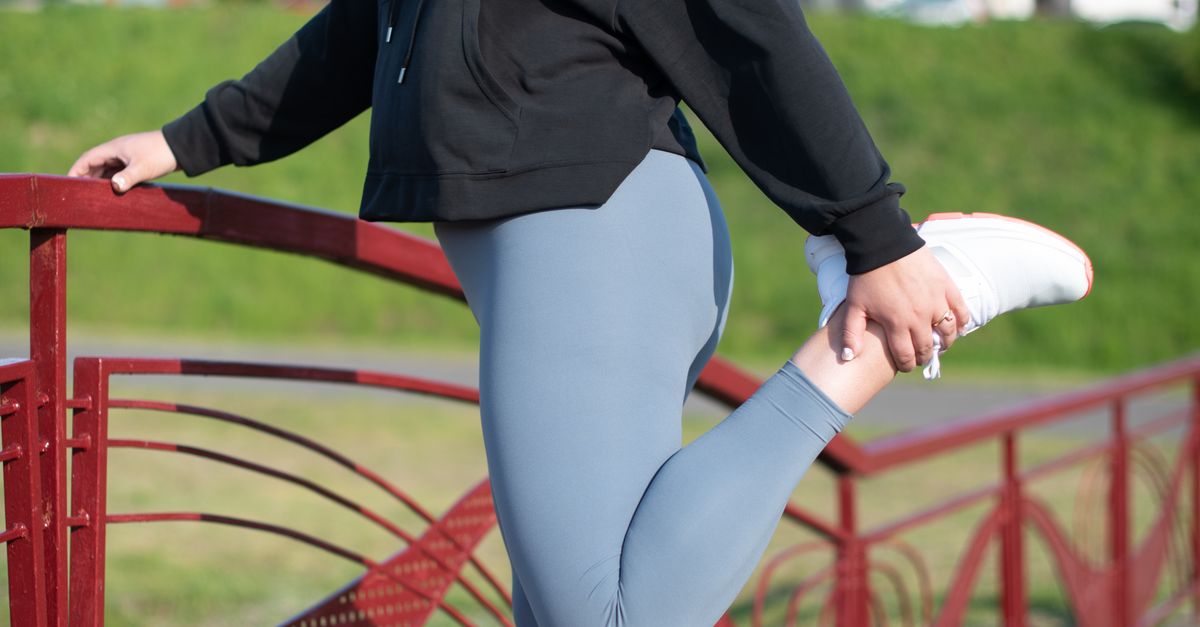
The primary intervention for mechanical calf stiffness is restoring tissue length through graded stretching. Before stepping out of bed, patients should perform active ankle pumps, repeatedly pointing and flexing the toes. This gentle motion re-engages the skeletal muscle pump, flushes out stagnant fluid, and warms the viscous fascial layers.
Standing calf stretches should be performed meticulously. Utilizing a wall or a towel, the patient must stretch both the gastrocnemius (keeping the knee perfectly straight) and the soleus (slightly bending the knee) to ensure the entire triceps surae complex is adequately elongated.
15. Nocturnal Splinting and Ergonomics
For individuals suffering from chronic, severe morning tightness or related plantar fasciitis, a nocturnal resting splint is a highly effective mechanical intervention. A night splint is a rigid or semi-rigid boot worn during sleep.
The splint physically blocks the foot from dropping into plantar flexion. It holds the ankle in a neutral, ninety-degree position. By keeping the calf muscles and the Achilles tendon on a mild, continuous stretch for eight hours, the splint prevents the fascial stiffening and muscle shortening that cause the profound morning pain. Managing this resting tension is critical for resolving chronic muscle spasm conditions in the lower extremities.
16. Frequently Asked Questions
1. Should I try to walk off the tightness or rest my legs?
If the tightness is due to simple postural stiffness, walking is beneficial. The movement warms the tissue and pumps blood into the muscle, which will quickly relieve the tender feeling. However, if you suspect a muscle tear from exercise, aggressive walking may worsen the damage.
2. Does drinking water before bed prevent tight calves?
Adequate hydration supports muscle function, but drinking a large amount of water right before bed will simply disrupt your sleep by forcing you to use the restroom. It is better to maintain consistent, adequate hydration throughout the entire day.
3. Will a massage gun help my calves in the morning?
Using a foam roller or a percussion massage gun can effectively break up the stiff fascial adhesions and increase local blood flow. However, use the tool gently; aggressive pressure on an already tender, cold muscle can cause defensive spasming.
4. Is it normal for only one calf to feel tight?
It is not uncommon if you sleep predominantly on one side in an asymmetrical posture, or if you have a slight leg length discrepancy altering your daily gait. However, sudden, severe tightness and swelling in only one leg requires immediate medical evaluation to rule out a blood clot.
5. Can statin medications cause my calves to feel tight and sore?
Yes. Statins, which are medications used to lower cholesterol, have a well-documented side effect of causing muscle aches, stiffness, and tenderness, known as statin-induced myopathy. If the tightness began after starting this medication, consult your prescribing physician.
17. Bibliography
Disclaimer: The content is for informational purposes only and does not replace medical advice. Always consult your doctor for personalized treatment.