1. Introduction
Ankle swelling after prolonged standing is a direct manifestation of dependent edema, a physiological condition where gravity forces blood and fluids to pool in the lowest extremities of the body. Without the rhythmic contraction of the calf muscles to pump venous blood upward, the hydrostatic pressure inside the blood vessels rises significantly, forcing clear fluid to leak from the pressurized veins into the surrounding interstitial tissues.
The human cardiovascular system is an exceptional engineering marvel, designed to pump oxygenated blood rapidly throughout the body. However, returning that depleted blood back up to the heart from the feet requires fighting a relentless gravitational pull. When a person walks or runs, the body utilizes mechanical muscle pumps to assist this upward flow. When a person stands perfectly still for three hours at a concert, these mechanical pumps are entirely deactivated.
Understanding the biomechanics of venous return and capillary exchange demystifies why the ankles puff up like balloons after a sedentary event. Recognizing the difference between benign, gravity-induced fluid accumulation and underlying vascular pathology is crucial for implementing effective preventative strategies and preserving the long-term health of the lower extremity veins.
2. The Cardiovascular Challenge of Standing
The circulatory system is divided into a high-pressure arterial side and a low-pressure venous side. The heart pumps blood forcefully through the arteries down to the toes with ease, assisted by gravity. However, returning that blood against the immense downward force of gravity presents a profound physiological challenge.
Because the veins in the legs lack the thick, muscular, contractile walls of the arteries, they cannot actively propel blood upward on their own. Instead, they act as highly distensible reservoirs. When a person stands still, the sheer weight of the vertical column of blood pressing down from the heart to the feet is substantial.
This gravitational force causes the thin-walled veins in the lower legs and ankles to stretch and expand to accommodate the pooling blood. As the volume of blood trapped in the lower extremities increases, the cardiovascular system struggles to maintain an efficient, continuous loop of circulation, setting the stage for fluid leakage.
3. Venous Return and One-Way Valves
To prevent blood from simply falling backward into the feet, the deep and superficial veins of the legs are equipped with delicate, bicuspid, one-way valves. These microscopic valves open to allow blood to flow upward toward the chest and snap shut immediately to prevent any downward backflow.
When these valves function perfectly, they segment the column of blood, dramatically reducing the overall gravitational pressure exerted on the lowest veins near the ankle. However, for these valves to operate efficiently, the blood must be pushed upward with enough force to open them.
During prolonged static standing, the lack of upward propulsion means the blood simply rests heavily against the closed valves. Over three hours, this continuous, static pressure can cause the veins to dilate slightly. If the vein expands too much, the valve leaflets pull apart and can no longer form a tight seal, allowing blood to seep backward and severely exacerbating the pooling at the ankle.
4. The Skeletal Muscle Pump Mechanism
The primary engine for venous return in the lower body is the skeletal muscle pump, heavily reliant on the gastrocnemius and soleus muscles of the calf. The deep veins of the leg are intricately woven directly through the bellies of these powerful muscles.
Every time a person takes a step, walks, or runs, the calf muscles contract and thicken. This robust physical contraction violently squeezes the deep veins, acting as an internal biological pump. This squeezing action forcefully propels the trapped blood upward past the next set of one-way valves.
When standing still at a concert, this vital skeletal muscle pump is deactivated. The individual relies solely on the faint residual pressure from the arterial system and minor respiratory pressure changes to move the blood. This lack of muscular assistance is the fundamental mechanical reason why blood stagnates so profoundly in the lower extremities.
5. Capillary Hydrostatic Pressure
As venous blood pools in the calves and ankles, the pressure within the entire local venous system elevates sharply. This pressure transmits backward into the microscopic capillary beds, the tiny vessels where the arteries and veins meet, and where the exchange of nutrients occurs.
The walls of the capillaries are semi-permeable, designed to allow oxygen, nutrients, and waste products to pass freely between the blood and the tissue cells. The movement of fluid across this barrier is governed by a delicate balance of internal pressure pushing fluid out, and osmotic proteins pulling fluid in.
When the internal hydrostatic pressure inside the capillary spikes due to the massive venous backlog caused by standing, the balance is shattered. The mechanical pressure physically forces clear blood plasma—composed mostly of water and electrolytes—out through the porous capillary walls and into the surrounding cellular spaces.
6. Interstitial Fluid Accumulation
The clear fluid that leaks out of the capillaries accumulates in the interstitial space, the microscopic area between the individual cells of the ankle and foot tissues. This abnormal accumulation of fluid in the soft tissues is the clinical definition of dependent edema.
Because gravity dictates that fluid will settle at the lowest possible point, the swelling is most pronounced around the medial and lateral malleoli (the ankle bones) and across the top (dorsum) of the foot. The skin over these areas becomes tight, glossy, and noticeably puffy.
Unlike an acute inflammatory swelling caused by a sprained ankle, dependent edema is typically painless, though it creates a profound sensation of heaviness, stiffness, and structural tightness when the individual attempts to flex their ankle or walk.
7. The Role of the Lymphatic System
The human body possesses a secondary drainage network called the lymphatic system, designed precisely to vacuum up excess interstitial fluid and return it to the central circulation. In a healthy state, the lymphatic vessels easily clear the minor amounts of fluid that constantly leak from the capillaries.
However, during a three-hour stint of static standing, the sheer volume of fluid forced out by the elevated hydrostatic pressure vastly overwhelms the maximum drainage capacity of the local lymphatic vessels in the feet and ankles.
Furthermore, much like the venous system, the lymphatic vessels rely heavily on the mechanical squeezing action of surrounding muscle contractions to pump the lymph fluid upward. Without walking or movement, the lymphatic drainage is severely compromised, guaranteeing that the leaked fluid remains trapped around the ankles until the individual lies down.
8. Environmental Factors and Ambient Temperature
The physical environment of a concert significantly exacerbates the physiological swelling. Indoor arenas or dense outdoor crowds are typically associated with elevated ambient temperatures. The body reacts to heat by engaging its thermoregulatory defense mechanisms.
To release excess core body heat, the autonomic nervous system commands the peripheral blood vessels near the surface of the skin to dilate massively. This widespread vasodilation brings a considerable volume of warm arterial blood down into the legs and feet.
This thermal vasodilation compounds the mechanical pooling caused by gravity. The local veins are flooded with an even greater volume of blood, driving the capillary hydrostatic pressure even higher and rapidly accelerating the rate at which fluid leaks into the interstitial tissues of the ankle.
9. Dietary Influences and Sodium Intake
The severity of the ankle swelling is heavily influenced by systemic fluid balance, which is directly dictated by dietary sodium consumption. Sodium is an osmotically active mineral; it acts like a microscopic magnet for water molecules.
If an individual consumes a meal notably high in sodium—such as fast food, salty snacks, or processed meats—prior to attending a concert, their kidneys will retain a substantial amount of excess water in the bloodstream to maintain a safe chemical concentration.
This pre-existing fluid retention means the total volume of blood circulating in the body is artificially high. When this expanded blood volume is subjected to gravity and prolonged standing, the resulting leakage into the ankle tissues is significantly more pronounced and visually dramatic.
10. Venous Insufficiency Over Time
While dependent edema is a normal physiological reaction to prolonged standing, if the swelling is profound or takes days to resolve, it may indicate underlying chronic venous insufficiency.
Over decades of repetitive standing, or due to genetic predisposition, the delicate one-way valves inside the leg veins can become permanently stretched and incompetent. When these valves fail to seal, blood constantly leaks backward down the leg, a condition known as venous reflux.
Individuals with venous insufficiency live with chronically elevated pressure in their lower extremities. A three-hour concert will not simply cause minor puffiness; it will result in severe, painful engorgement, and over time, the chronic high pressure can cause the skin around the ankles to permanently darken and thicken.
11. Differentiating Benign Edema from Pathology
It is critical to distinguish normal, gravity-induced fluid accumulation from swelling caused by dangerous vascular or systemic pathologies.
| Swelling Characteristics | Benign Dependent Edema | Potential Systemic / Vascular Pathology |
|---|---|---|
| Symmetry | Affects both ankles relatively equally. | Massive swelling isolated strictly to one leg (Deep Vein Thrombosis). |
| Pain Profile | Painless, feels stiff or heavy. | Sharp pain, cramping, or exquisite tenderness in the calf. |
| Resolution | Disappears completely overnight after sleeping flat. | Persists in the morning; gradually worsens over weeks (Heart failure). |
| Skin Appearance | Normal skin color, puffy texture. | Skin is fiery red, hot to the touch, or permanently stained brown. |
Recognizing these clinical distinctions ensures that individuals do not ignore potentially life-threatening vascular conditions under the assumption that it is just normal concert swelling.
12. Diagnostic Clinical Evaluation
When ankle swelling becomes a chronic, daily issue regardless of standing duration, a comprehensive vascular assessment is necessary. The clinician begins with a physical examination, checking for pitting edema by pressing a thumb firmly into the swollen tissue. If a prolonged indentation remains, it confirms significant interstitial fluid volume.
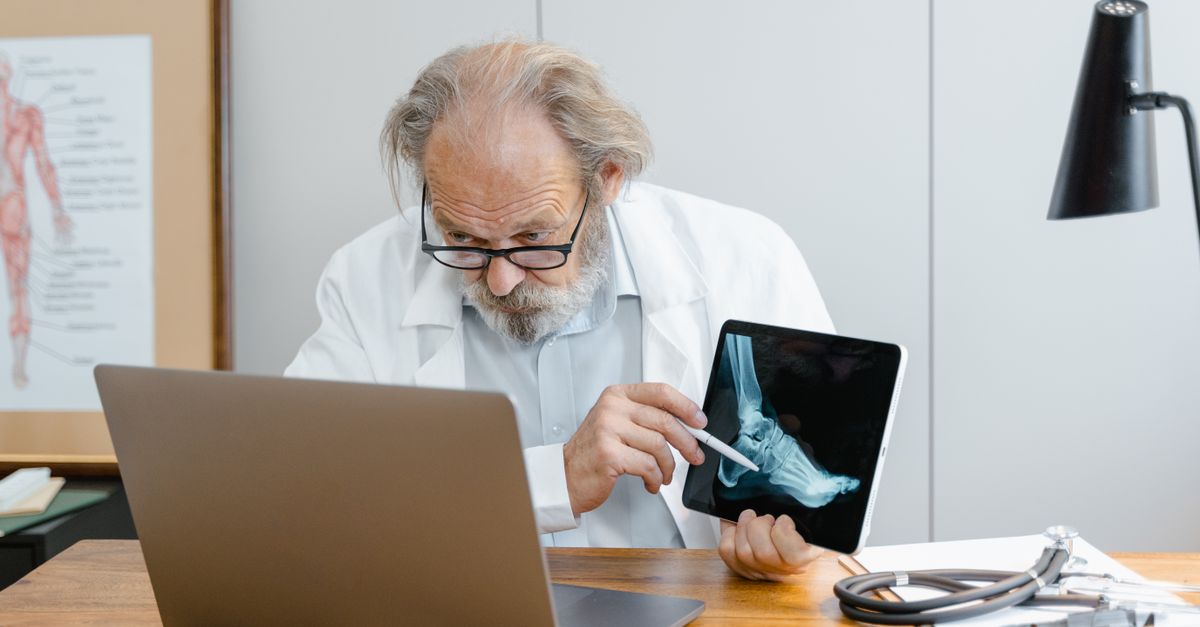
To evaluate the structural integrity of the deep and superficial veins, a venous Doppler ultrasound is the gold standard diagnostic tool. This non-invasive imaging visualizes the blood flow in real-time, allowing the physician to precisely measure the degree of venous reflux and pinpoint exactly which valves have failed.
If the ultrasound confirms healthy veins, the physician will order comprehensive blood panels and echocardiograms to assess kidney and heart function, ensuring the swelling is not a symptom of systemic fluid overload caused by early-stage organ failure.
13. Compression Therapy and Biomechanical Support
The most effective, definitive mechanical intervention to prevent dependent edema is the proactive use of graduated compression stockings. These specialized medical garments are engineered to provide precise, graded external pressure along the length of the leg.
The compression is tightest at the ankle and gradually decreases in pressure moving up toward the knee. This rigid external casing prevents the thin-walled veins from expanding under the weight of the blood column. It effectively narrows the diameter of the veins, increasing the velocity of the upward blood flow.
By preventing the veins from dilating, compression stockings completely block the spike in capillary hydrostatic pressure, effectively eliminating the fluid leakage and ensuring the ankles remain lean and comfortable, even after three hours of motionless standing.
14. Preventive Strategies for Prolonged Standing
Managing fluid dynamics requires intentional, biomechanical movement while standing. Individuals must artificially replicate the action of walking to engage the skeletal muscle pump.
Performing sets of calf raises—lifting the heels high off the floor and holding the contraction for three seconds—acts as a manual flush for the deep veins. Shifting body weight from one leg to the other, bending the knees slightly, and performing ankle circles continuously clears the pooling blood before hydrostatic pressure can force fluid into the tissues.
Hydration is paradoxically crucial. Drinking copious amounts of water flushes excess sodium from the system and prevents the blood from becoming viscous and sluggish. Post-event, elevating the legs above the level of the heart for twenty minutes utilizes gravity in reverse, rapidly draining the accumulated interstitial fluid back into the central circulation.
15. When to Consult a Vascular Specialist
While mild dependent edema is a standard consequence of bipedal physics, specific clinical markers demand immediate professional evaluation. Consultation is strictly advised if the swelling in the ankles does not completely resolve after a full night of sleep with the legs resting horizontally.
Furthermore, if the swelling is accompanied by sudden shortness of breath, a persistent cough, or chest tightness, emergency medical care is required immediately, as this triad strongly suggests systemic heart failure or fluid backing up into the lungs. A single, massively swollen leg that is red and painful is a medical emergency requiring an immediate ultrasound to rule out a deep vein blood clot.
16. Frequently Asked Questions (FAQ)
1. Does wearing high heels at a concert make the ankle swelling worse?
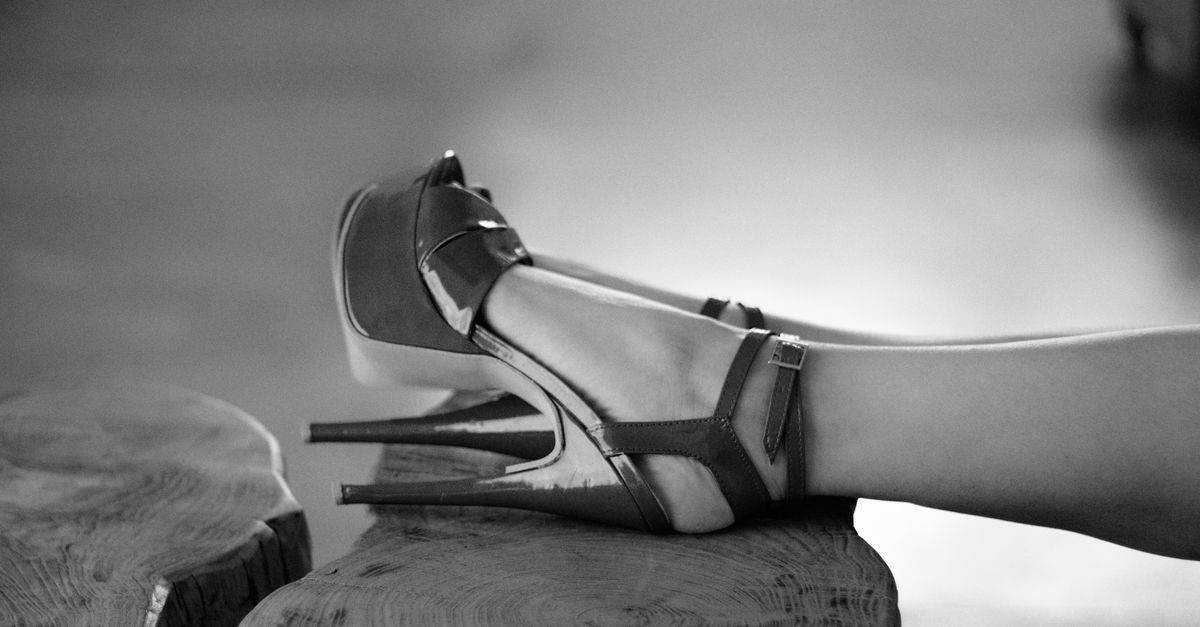
Yes, high heels lock the ankle joint into a rigid, pointed position. This physically prevents the calf muscle from stretching and contracting fully with each step, completely disabling the essential skeletal muscle pump and rapidly accelerating venous pooling.
2. Will taking a water pill (diuretic) before the concert stop the swelling?
Taking unprescribed diuretics is highly dangerous. It causes rapid, systemic dehydration and electrolyte imbalances, which can lead to severe muscle cramps, profound dizziness, and fainting in a hot, crowded concert environment.
3. Why do my shoes feel incredibly tight and painful on the top of my foot?
The top of the foot has very little fat or muscle to absorb the excess fluid. When dependent edema occurs, the fluid accumulates directly under the skin, expanding outward and pressing tightly against the rigid upper material of your shoes.
4. Is it better to sit on the ground with my knees bent or keep standing?
Sitting on the ground with the knees bent at a sharp angle can actually kink the large veins behind the knee (popliteal veins), trapping blood in the lower legs. If you sit, you must stretch your legs out straight to allow unobstructed blood flow.
5. Can drinking alcohol at the concert make my ankles swell faster?
Yes, alcohol acts as a potent systemic vasodilator, widening the blood vessels and allowing a much larger volume of blood to pool in the lower extremities, severely compounding the gravity-induced hydrostatic pressure.
17. Bibliography
Disclaimer: The content is for informational purposes only and does not replace medical advice. Always consult your doctor for personalized treatment.