1. Introduction
A sudden, sharp headache when bending forward is typically caused by a rapid shift in intracranial or sinus pressure, driven by gravity pooling blood in the head and increasing fluid tension within the facial cavities. When you bend over, the physical displacement of fluid places acute mechanical stress on inflamed sinus membranes, sensitive blood vessels, or taut neck muscles. This sudden pressure spike triggers localized pain receptors, resulting in a distinct, throbbing ache that usually resolves upon standing upright.
The human body is exquisitely calibrated to function in an upright position. A complex network of valves, muscular pumps, and fluid dynamics ensures that the brain receives a steady supply of oxygenated blood without becoming dangerously pressurized.
Altering this physical orientation by lowering the head toward the ground subverts these natural defenses. The cardiovascular and neurological systems must react instantly to manage the gravitational shift. By detailing the anatomy of the paranasal sinuses, the mechanics of venous drainage, and the sensitivity of the cranial nerves, the true cause of this positional discomfort becomes clinically transparent.
2. Sinus Anatomy and Barometric Pressure
The human skull contains several hollow, air-filled cavities known as the paranasal sinuses. These cavities are located behind the forehead, cheeks, and eyes. They are lined with a delicate mucous membrane that secretes fluid to trap inhaled debris.
Small anatomical channels connect the sinuses to the nasal passages, allowing for continuous drainage and the equalization of barometric pressure. When a person is standing, gravity assists this natural drainage pathway.
The air pressure inside the sinuses matches the external environment, keeping the internal environment comfortable and painless. Any structural anomaly or transient swelling that disrupts this open communication severely compromises the skull’s ability to handle positional changes.
3. Acute Sinusitis and Inflammation
When a viral infection or allergic reaction occurs, the mucous membranes inside the sinuses become inflamed and swollen. This swelling can physically block the narrow drainage channels. Fluid and mucus accumulate within the hollow cavities, creating a pressurized, closed system.
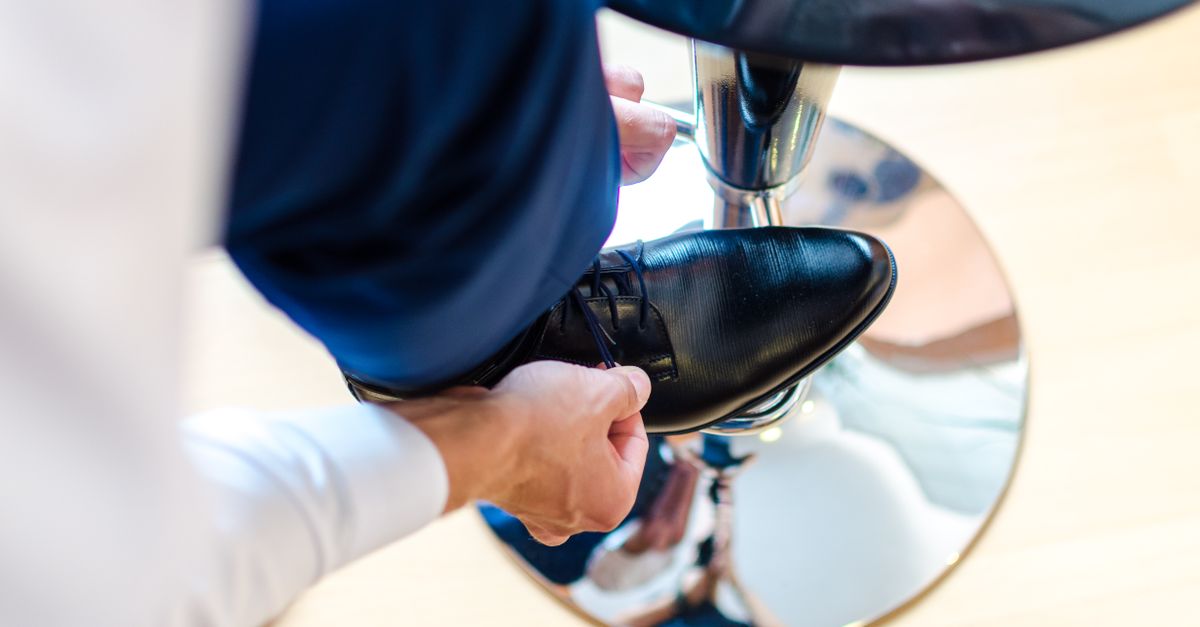
When you bend forward to tie your shoes, gravity pulls this accumulated, heavy fluid directly against the sensitive, inflamed front walls of the sinus cavities.
The sudden mechanical pressure on the swollen tissue triggers a sharp, intense ache located precisely in the forehead or beneath the eyes, which is a hallmark symptom of acute sinusitis. The pain typically recedes slightly once you return to an upright posture and the fluid settles backward.
4. Vascular Dynamics of Bending Forward
The brain requires a substantial, continuous supply of oxygenated blood. A complex network of arteries delivers blood upward against gravity, while venous systems drain it back down. Bending forward fundamentally alters this cardiovascular dynamic.
By lowering your head below your heart, gravity forces arterial blood to rush into the cranial vessels while simultaneously slowing the venous drainage back to the torso. This causes a transient pooling of blood within the skull.
The delicate blood vessels in the meninges, the membranes surrounding the brain, expand rapidly to accommodate the extra volume. This rapid stretching of the vessel walls activates pain-sensitive nerve fibers, causing a brief, sharp, throbbing pain that correlates directly with your heartbeat.
5. Intracranial Pressure Shifts
The brain is suspended in cerebrospinal fluid, which acts as a biological shock absorber. The volume and pressure of this fluid are meticulously regulated. Changing posture alters the hydrostatic pressure within the spinal column and the cranium.
Bending at the waist pushes abdominal contents upward, compressing the major veins in the chest and abdomen. This compression translates backward up the venous system, causing a momentary spike in intracranial pressure.
For individuals with sensitive neural pathways, this rapid, transient pressure spike irritates the cranial nerves, resulting in a sudden, sharp pain that dissipates as soon as the body returns to an upright, decompressed posture, restoring normal fluid equilibrium.
6. Cervicogenic Headache and Neck Strain
The structures of the cervical spine are deeply interconnected with the sensory nerves of the head. The upper neck vertebrae, ligaments, and suboccipital muscles support the heavy weight of the skull. A cervicogenic headache originates from a mechanical dysfunction in these cervical structures but is felt as pain in the head.
Bending forward to reach your shoes places the neck in a state of extreme flexion. If the cervical joints are inflamed from poor desk posture, or if the muscles are in a state of chronic spasm, this sudden stretching pulls fiercely on the greater occipital nerve.
This mechanical traction radiates a sharp pain over the top of the skull or behind the eyes. It is essentially a muscular and ligamentous strain projecting a distress signal into the cranial sensory map.
7. Tension Headaches and Muscle Spasms
Tension-type headaches are the most common headache disorder, characterized by a dull, tight band of pressure around the head. They are frequently driven by chronic tightness in the scalp, neck, and shoulder muscles.
Bending over forces these already tense muscles to stretch and stabilize the weight of the dropping torso and head. This sudden mechanical demand on exhausted, hypertonic muscle fibers can provoke an acute muscle spasm.
The spasm compresses local capillaries and sensory nerves within the scalp fascia, briefly transforming a dull background ache into a sharp, stabbing sensation during the movement, highlighting the severe fascial tension encasing the skull.
8. Orthostatic Hypotension Rebound
Orthostatic hypotension typically causes dizziness upon standing due to a sudden drop in blood pressure. However, the cardiovascular system’s attempt to correct this can lead to positional head pain.
If you stand up quickly, then immediately bend over to tie a shoe, the autonomic nervous system is forced into rapid, chaotic adjustments. The blood vessels may overcompensate by constricting forcefully and then dilating rapidly.
This erratic vascular shifting alters the perfusion pressure within the brain tissue. The sudden expansion of the cranial arteries stretches the pain-sensitive nerve fibers in the vessel walls, generating a sharp, transient headache driven by a confused autonomic reflex.
9. Evaluating Positional Headaches
Distinguishing the specific triggers and locations of the pain assists in determining the underlying anatomical cause.
| Pain Characteristic | Primary Anatomical Cause | Distinguishing Features |
|---|---|---|
| Pain localized to the forehead and cheeks | Sinus Congestion / Inflammation | Accompanied by nasal congestion, worse during allergy season. |
| Sharp throb radiating from the base of the skull | Cervicogenic Strain | Associated with neck stiffness; worsens with sustained downward looking. |
| Pulsating ache throughout the entire head | Vascular Engorgement | Lasts only a few seconds after bending; associated with heart rate. |
| Intense, blinding pain lasting hours after bending | Migraine Exacerbation | Accompanied by light sensitivity and nausea. |
10. Dehydration and Cerebrospinal Fluid
Adequate hydration is critical for maintaining the proper volume of cerebrospinal fluid and healthy blood plasma levels. Mild systemic dehydration causes a slight decrease in overall fluid volume.
When the brain lacks adequate fluid cushioning, it becomes far more susceptible to mechanical shifts. Bending forward causes the brain to shift slightly within the skull. Without optimal fluid volume to dampen this movement, the meninges and the bridging veins are subjected to increased mechanical traction.
This stretching of the pain-sensitive membranes produces a sharp ache, highlighting why morning headaches are common before daily hydration begins and the fluid volume is properly restored.
11. Primary Cough Headaches
A primary cough headache is a distinct neurological condition where sudden, transient head pain is triggered specifically by coughing, sneezing, laughing, or bending over. These actions all generate a sudden, profound spike in intra-abdominal and intra-thoracic pressure, known as a Valsalva maneuver.
This pressure is transferred directly into the venous system of the brain, causing the cranial vessels to bulge instantaneously. The resulting headache is sharp, bursting, and severe, lasting anywhere from a few seconds to a few minutes.
While usually benign, these types of positional headaches require careful evaluation to ensure no structural brain abnormalities exist that are compounding the pressure spike.
12. Migraine Positional Sensitivity
Individuals who suffer from chronic migraines possess a highly sensitized central nervous system. During a migraine attack, or even in the prodromal phase leading up to one, the trigeminal nerve and the cranial blood vessels become exceptionally hyper-reactive to any physical stimulus.
Bending forward increases the hydrostatic pressure within these sensitized vessels. For a migraineur, this minor vascular shift acts as a powerful pain trigger.
A simple movement to tie a shoe can instantly amplify a mild, localized throb into a severe, blinding pain, demonstrating the profound mechanical sensitivity characteristic of the migraine neurological cascade.
13. Ergonomic Techniques for Bending
Mitigating this specific type of positional headache requires altering the biomechanics of how the body approaches the ground. Bending rigidly at the waist with straight legs maximizes the drop of the head and the subsequent vascular pooling.
Instead, individuals should practice bending at the knees while keeping the torso relatively upright. Squatting down to tie a shoe keeps the head above the level of the heart, entirely preventing the gravitational rush of blood to the cranium.
This mechanical adjustment entirely eliminates the sudden spike in intracranial pressure, thereby protecting the sensitive vascular and sinus structures from the abrupt hydraulic shift that triggers the pain.
14. Symptom Relief and Hydration
If a positional headache occurs frequently, implementing simple physiological supports can be beneficial. Ensuring consistent, adequate water intake throughout the day stabilizes blood volume and cerebrospinal fluid levels, buffering the brain against postural shifts.
For sinus-related pain, utilizing a saline nasal rinse can clear the obstructed drainage channels, reducing the trapped fluid volume before bending over.
Applying a warm compress to the neck and shoulders helps relax the tight suboccipital muscles, reducing the fascial tension that contributes to cervicogenic strains when the neck is flexed abruptly.
15. When to Consult a Neurologist
While transient pain upon bending is commonly benign, specific neurological warning signs necessitate immediate medical assessment. If a headache triggered by bending over is described as a sudden, agonizing “thunderclap” pain, it could indicate a subarachnoid hemorrhage or a ruptured aneurysm.
Furthermore, if the positional headache is a new symptom, progressively worsens over days, or is accompanied by visual disturbances, facial numbness, or severe weakness in an extremity, immediate evaluation is necessary.
A neurologist must perform advanced imaging to rule out space-occupying lesions, elevated intracranial pressure, or structural anomalies like a Chiari malformation that manifest acutely during postural shifts.
16. Frequently Asked Questions FAQ
1. Can high blood pressure cause my head to hurt when I bend down?
Yes. If your systemic blood pressure is already elevated, bending over forces additional blood into the cerebral arteries. The sudden spike in vascular pressure can stretch the arterial walls, resulting in a sharp, throbbing headache.
2. Why do I feel dizzy along with the headache when I tie my shoes?
Dizziness occurs because the rapid positional change disrupts the inner ear balance organs and causes fluid shifts within the cardiovascular system, temporarily depriving the brain of steady oxygen flow as it adjusts to the new posture.
3. Will taking a decongestant stop the pain if it is from my sinuses?
If the pain is caused by trapped fluid, an over-the-counter decongestant can reduce the swelling in the mucous membranes, allowing the sinuses to drain and equalizing the pressure, which prevents the pain when bending forward.
4. Is it bad if my headache lasts for an hour after I stand back up?
A benign positional headache typically fades within a few seconds to a minute of standing. If the pain persists for an hour, it suggests an underlying tension headache, a migraine, or a more persistent inflammatory issue requiring medical attention.
5. Does wearing tight neckties or collars make positional headaches worse?
Yes. Tight collars compress the jugular veins in the neck, restricting blood draining out of the head. When you bend over, blood enters the skull but cannot leave efficiently, rapidly increasing cranial pressure and the severity of the ache.
Bibliography
Disclaimer: The content is for informational purposes only and does not replace medical advice. Always consult your doctor for personalized treatment.