1. Introduction
Morning hand stiffness on cold days occurs because lower temperatures thicken the synovial fluid that lubricates the joints. During sleep, reduced movement allows this fluid to pool and become more viscous. The combination of local vasoconstriction from the cold and temporary fluid stasis restricts the smooth gliding of tendons and joint surfaces. When you wake up, the joints require mechanical movement and thermal energy to restore fluid dynamics and normal mobility.
The human hand is an engineering marvel, containing twenty-seven bones, surrounded by an intricate network of ligaments, tendons, and synovial sheaths. These structures require constant lubrication to function seamlessly. Synovial fluid acts precisely like motor oil in a car engine; it reduces friction and nourishes the avascular cartilage within the joint capsules.
Temperature profoundly impacts the physical properties of this biological lubricant. When the ambient room temperature drops overnight, the superficial joints of the hands lose heat rapidly. As the synovial fluid cools, its viscosity increases, turning from a fluid consistency to a more gel-like state.
This localized cooling, combined with hours of nocturnal immobility, creates significant mechanical resistance when the fingers are first bent in the morning. The stiffness typically dissipates as movement generates internal heat, thinning the fluid and restoring smooth articulation to the joints.
2. Synovial Fluid Dynamics and Temperature
Synovial fluid is secreted by the synovial membrane lining the inner capsule of freely movable joints. It is composed primarily of hyaluronic acid, lubricin, and interstitial fluid filtered from blood plasma. Its primary function is to maintain a frictionless environment for the hyaline cartilage covering the bone ends.
The rheological properties of synovial fluid are heavily dependent on thermal conditions. Under normal physiological temperatures, the fluid exhibits non-Newtonian characteristics, meaning its viscosity decreases when shear forces, like movement, are applied. This allows for effortless, rapid finger flexion.
When exposed to cold temperatures, the kinetic energy of the fluid molecules decreases. The hyaluronic acid chains become more entangled and resistant to flow. The fluid physically thickens, creating a gelation effect within the tight joint spaces of the knuckles and interphalangeal joints.
Attempting to move the fingers through this thickened fluid requires significantly more muscular effort. The sensation of stiffness is the direct result of the flexor and extensor tendons fighting against this increased intra-articular drag.
3. The Physiology of Morning Joint Stasis
Beyond temperature, the simple act of sleeping contributes substantially to morning stiffness. During waking hours, the continuous micro-movements of the hands act as a mechanical pump, constantly circulating synovial fluid throughout the joint cavity and tendon sheaths.
During six to eight hours of sleep, this mechanical pumping ceases. The lack of movement allows the synovial fluid to pool in the dependent areas of the joint capsule. Furthermore, without movement, the cartilaginous tissues absorb some of the surrounding water, causing a subtle, temporary swelling of the joint surfaces.
This nocturnal fluid stasis means that upon waking, the joints are mechanically congested. The first few movements of the day are required to squeeze the absorbed water out of the cartilage and redistribute the thickened synovial fluid evenly across the articular surfaces.
This phenomenon, known as the gelling phenomenon, is entirely physiological and happens to all humans to varying degrees, though it is markedly amplified by cold environmental conditions.
4. Peripheral Vasoconstriction in the Hands
The body’s thermoregulatory system prioritizes core organs over the extremities. When room temperatures drop at night, the sympathetic nervous system triggers peripheral vasoconstriction. The smooth muscles surrounding the blood vessels in the arms and hands contract, narrowing the arterial pathways.
This protective mechanism prevents warm blood from radiating heat away into the cold environment, but it leaves the hands remarkably cooler than the rest of the body. The decreased blood flow means less thermal energy is delivered to the superficial joints and tendon sheaths of the fingers.
Additionally, reduced blood flow temporarily slows local metabolic processes. Oxygen delivery and the removal of cellular waste products are down-regulated. The lack of fresh, warm arterial blood exacerbates the thickening of the local tissue fluids.
Upon waking, the slow return of normal blood flow means the hands take time to warm up. Until normal vascular perfusion is restored, the tissues remain tight, and voluntary muscle contractions feel sluggish and uncoordinated.
5. The Anatomy of Hand Tendons and Sheaths
The muscles that power the fingers are largely located in the forearm, connecting to the finger bones via long, thin cables known as tendons. To keep these tendons moving smoothly without fraying against the bones, they are encased in fibrous tunnels called tendon sheaths.
These sheaths are lined with the same synovial membrane found in the joints and rely on the same temperature-sensitive synovial fluid. When hands become cold and stiff, the resistance is not only within the knuckles but along the entire length of the tendon sheath.
The flexor tendons on the palm side of the hand must pull through tight anatomical pulleys to bend the fingers. When the synovial fluid within these sheaths thickens overnight, the tendons experience significant friction.
This resistance is often felt as a deep stiffness or achiness in the palm and fingers. Moving the hands acts to break up the thickened fluid in the sheaths, allowing the tendons to glide freely once again.
6. Osteoarthritis and Cold Sensitivity
While morning stiffness is common in healthy individuals, pre-existing joint pathology dramatically amplifies the sensation. Osteoarthritis is the mechanical wearing down of the smooth articular cartilage over time. As the cartilage degrades, the joint space narrows, and bone spurs may develop.
In an osteoarthritic joint, the natural lubricating mechanism is already compromised. The synovial fluid may contain inflammatory mediators and lack sufficient hyaluronic acid. When this suboptimal fluid is subjected to cold temperatures and overnight stasis, the resulting stiffness is profound.
Individuals with osteoarthritis often report that cold, damp weather makes their joints feel like they are locked in a vise. The rough, degenerated bone surfaces require optimal lubrication to move without pain. When the fluid thickens, the bone-on-bone friction increases instantly.
Unlike the normal gelling phenomenon, which typically resolves in ten to fifteen minutes of movement, osteoarthritis-related stiffness may take up to thirty minutes of conscious mobilization and warming to adequately dissipate.
7. Rheumatoid Arthritis Considerations
Rheumatoid arthritis is an autoimmune condition where the body’s immune system erroneously attacks the synovial membranes. This creates chronic, systemic inflammation within the joint capsules, leading to excessive production of inflammatory synovial fluid.
Morning stiffness is a hallmark diagnostic criteria for rheumatoid arthritis. However, the mechanism differs significantly from mechanical cold stiffness. The stiffness is caused by an overwhelming accumulation of inflammatory cells and fluid engorging the joint capsule overnight.
Stiffness associated with rheumatoid arthritis is typically symmetrical, affecting both hands equally, and is notably prolonged. It often lasts for longer than an hour after waking, regardless of the ambient temperature, though cold can certainly exacerbate the discomfort.
If morning stiffness routinely lasts for hours, is accompanied by visible redness, warmth, and spongy swelling of the knuckles, it is critical to consult a rheumatologist to evaluate for autoimmune pathology.
8. Differentiating Normal Stiffness from Pathology
| Characteristic | Physiological Cold Stiffness | Osteoarthritis | Rheumatoid Arthritis |
|---|---|---|---|
| Duration in Morning | Resolves in 5 to 15 minutes. | Resolves in 15 to 30 minutes. | Lasts longer than 60 minutes. |
| Trigger | Cold temperature and sleep stasis. | Stasis, amplified by cold. | Systemic inflammation. |
| Physical Signs | No visible swelling or redness. | Bony enlargements at joints. | Soft, spongy swelling, redness. |
9. Raynaud Phenomenon Overlap
Some individuals experience an exaggerated vascular response to cold known as Raynaud phenomenon. In this condition, the peripheral vasoconstriction is hyperactive, causing the blood vessels in the fingers to spasm and temporarily clamp shut entirely.
During a Raynaud attack, the fingers may turn stark white, then blue as oxygen is depleted, and finally bright red as blood flow suddenly returns. This severe lack of blood flow causes profound stiffness, numbness, and a throbbing ache.
While Raynaud phenomenon is primarily a vascular issue, the resulting tissue ischemia directly impacts joint and tendon mobility. The fingers become physically hard to bend simply because the tissues are starved of the thermal energy and oxygen required for muscle contraction and fluid dynamics.
Managing Raynaud phenomenon requires strict thermal protection of the core and extremities, and in severe cases, calcium channel blocker medications to prevent the vascular spasms.
10. Immediate Thermal Interventions
When waking with stiff hands, applying immediate, external thermal energy is the most efficient way to alter the viscosity of the synovial fluid. Running the hands under warm water for two to three minutes rapidly raises the local tissue temperature.
The warm water induces vasodilation, signaling the blood vessels to open and deliver fresh, warm arterial blood to the joints. As the internal temperature of the joint capsule rises, the hyaluronic acid chains in the synovial fluid relax, returning the fluid to its optimal slippery state.
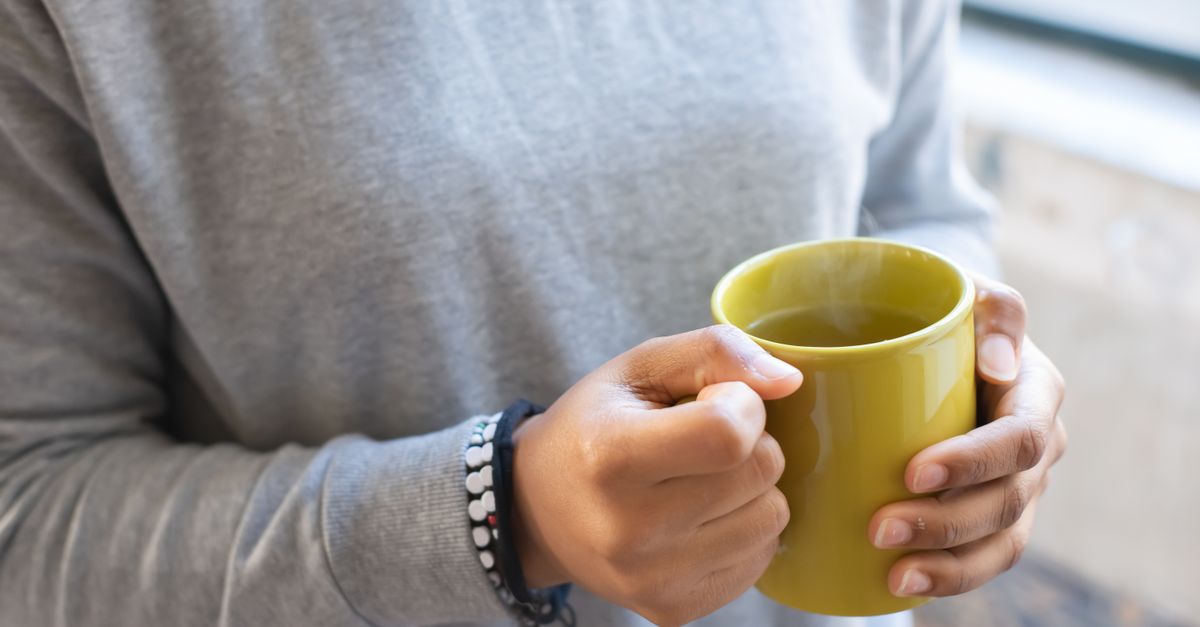
Holding a warm mug of tea or coffee provides both radiant heat and a gentle, static stretch to the flexor tendons. Utilizing a heated paraffin wax bath is another highly effective clinical method for delivering deep, penetrating heat to the intricate joints of the hand.
Thermal interventions should utilize comfortable warmth, never scalding heat, to avoid damaging the sensitive skin of the hands, which may have reduced thermal perception due to the overnight vasoconstriction.
11. Morning Mobilization Exercises
Physical movement generates internal friction and heat, which is essential for breaking the gelling phenomenon of the synovial fluid. Gentle, rhythmic mobilization exercises act as a mechanical pump, forcing the thickened fluid to circulate and thin out.
Tendon gliding exercises are highly effective. Begin with an open palm, then slowly fold the fingers down into a loose hook fist, keeping the large knuckles straight. Return to an open palm, then make a full, tight fist. Repeat this sequence smoothly ten to fifteen times.
Finger spreads also engage the intrinsic muscles of the hand. Place the hand flat on a table and stretch the fingers as far apart as possible, holding for a few seconds before relaxing. This lubricates the collateral ligaments on the sides of the knuckles.
Movements must be deliberate and painless. Forcing stiff fingers through a painful range of motion can cause micro-trauma to the cold tissues. The goal is gentle, progressive lubrication.
12. Protective Nightwear and Environment Control
Preventing the hands from getting cold in the first place is a highly effective proactive strategy. Maintaining a stable ambient bedroom temperature during winter months prevents the sympathetic nervous system from initiating aggressive peripheral vasoconstriction.
Wearing light, breathable cotton or compression gloves to bed traps the radiant heat generated by the body. This creates a microclimate around the hands, ensuring the superficial joints remain at a stable, warm temperature throughout the night.
For those with arthritis, specialized thermal arthritis gloves provide mild compression. This compression helps prevent the nocturnal accumulation of interstitial fluid within the joint capsules, reducing the mechanical congestion that must be overcome in the morning.
Ensuring the arms are kept under warm blankets is also crucial. The blood vessels supplying the hands run close to the surface in the forearms. Keeping the arms insulated ensures the blood arriving at the fingers remains warm.
13. Dietary and Lifestyle Factors
Systemic hydration levels influence the volume and composition of interstitial fluids, including synovial fluid. Dehydration concentrates the cellular proteins and acids within the joint capsules, potentially increasing baseline fluid viscosity. Adequate daily water intake ensures the body has the resources to produce healthy joint lubricants.
A diet rich in omega-three fatty acids, found in cold-water fish, flaxseeds, and walnuts, provides structural components for cellular membranes and acts as a mild systemic anti-inflammatory. Modulating systemic inflammation helps keep the synovial membranes healthy.
Nicotine is a potent vasoconstrictor. Smoking significantly decreases peripheral blood flow, exacerbating the thermal drop in the extremities and delaying the warming process in the morning. Cessation of smoking dramatically improves peripheral tissue perfusion and overall joint health.
General physical fitness and regular cardiovascular exercise maintain a robust circulatory system, ensuring efficient vascular responses and better temperature regulation across all extremities.
14. When to Consult a Rheumatologist
While morning stiffness related to cold is a normal physiological variant, changes in the pattern or duration of the stiffness warrant professional medical evaluation. The duration of the stiffness is the most critical diagnostic clue.
If the stiffness consistently requires more than an hour to resolve, regardless of thermal interventions, it strongly suggests an inflammatory etiology rather than a mechanical one. This prolonged morning stiffness is the hallmark of autoimmune arthropathies.
Visible changes to the hands, such as the sudden appearance of nodules, severe resting pain, spongy swelling of the joints, or an inability to fully straighten the fingers, require prompt clinical investigation. Early diagnosis and intervention in conditions like rheumatoid arthritis are critical to preventing irreversible joint destruction.
A physician can perform targeted blood panels looking for inflammatory markers and autoantibodies, alongside diagnostic imaging, to differentiate between benign cold stiffness and a developing pathology.
15. Frequently Asked Questions (FAQ)
1. Is it bad to crack my knuckles when they feel stiff in the morning?
Forcing cold, stiff joints to crack can be detrimental. The rapid pressure change can irritate the joint capsule if the synovial fluid is highly viscous. It is better to warm the hands and perform gentle tendon glides instead.
2. Why do my hands feel stiffer than my knees or elbows in the cold?
The joints of the hands are very superficial, lacking the thick layers of insulating muscle and fat found around the knees and elbows. Consequently, they lose thermal energy to the environment much faster.
3. Do compression gloves really work for morning stiffness?
Yes, they work by retaining natural body heat and providing mild physical compression, which prevents the pooling of interstitial fluid in the soft tissues of the fingers overnight.
4. Can lack of sleep make joint stiffness worse?
Poor sleep quality can amplify pain perception and increase systemic stress hormones, which may heighten muscle tension and make the mechanical stiffness feel more pronounced.
5. How quickly should warm water relieve the stiffness?
For physiological cold stiffness, warm water immersion and gentle movement should restore normal mobility and comfort within three to five minutes.
16. Bibliography
Disclaimer: The content is for informational purposes only and does not replace medical advice. Always consult your doctor for personalized treatment.