1. Introduction
Yes, cold weather can directly cause an asthma flare-up. When a person inhales frigid air, the rapid cooling and drying of the airways trigger a sudden contraction of the smooth muscles surrounding the bronchial tubes. This physiological response restricts airflow and exacerbates underlying respiratory inflammation, leading to coughing, wheezing, and noticeable chest tightness.
Asthma is characterized by chronic inflammation of the respiratory tract, making the airways exceptionally sensitive to environmental changes. Winter months present a specific challenge because the air is not only cold but often holds very little moisture. The combination of low temperature and low humidity creates an environment that stresses the respiratory mucosa.
Recognizing the exact mechanisms behind this reaction is a fundamental step in respiratory management. By understanding how the bronchial tubes respond to thermal stress, patients can implement targeted strategies to protect their airways and prevent exacerbations during the colder seasons.
2. Understanding Asthma and Airway Sensitivity
Asthma is a chronic inflammatory disorder of the conducting airways. In a healthy respiratory system, the bronchial tubes remain open and relaxed, allowing air to flow freely in and out of the lungs. For individuals with asthma, the mucosal lining of these tubes is persistently inflamed and swollen, even in the absence of active symptoms.
This baseline inflammation results in bronchial hyperresponsiveness. The airways become primed to overreact to stimuli that would normally be harmless. When exposed to a trigger, the immune system orchestrates a rapid defense mechanism, causing the airway walls to swell further and secrete thick, sticky mucus.
Simultaneously, the smooth muscle bands that wrap around the airways constrict forcefully, a process called bronchospasm. This triple threat of muscle contraction, mucosal swelling, and mucus overproduction drastically narrows the air passages. The physical effort required to move air through these narrowed tubes causes the characteristic wheezing sound and respiratory distress associated with an asthma attack.
3. The Pathophysiology of Cold-Induced Bronchoconstriction
The mechanism by which cold air induces bronchospasm is deeply rooted in respiratory physiology. The primary function of the upper airway, specifically the nose, is to warm and humidify inhaled air before it reaches the delicate tissues of the lower lungs. When breathing in frigid air, particularly during physical exertion, this conditioning process is frequently overwhelmed.
As the unwarmed, dry air reaches the lower airways, it rapidly draws heat and moisture away from the mucosal surface. This sudden loss of thermal energy and hydration alters the osmolarity of the airway surface liquid. The fluid lining the bronchi becomes hypertonic, meaning it has a higher concentration of salts.
This change in osmolarity is detected by sensory nerve endings and local immune cells, particularly mast cells, embedded within the airway epithelium. The mast cells interpret this osmotic stress as cellular injury and degranulate, releasing inflammatory mediators like histamine, prostaglandins, and leukotrienes. These chemicals directly instruct the smooth muscles to contract, leading to immediate bronchoconstriction.
4. The Role of Humidity in Airway Reactivity
While low temperatures are problematic, the lack of humidity in winter air is an equally significant trigger for respiratory distress. Cold air inherently holds less water vapor than warm air. When this dry air enters the respiratory tract, the body must work diligently to saturate it with moisture to protect the alveolar sacs where gas exchange occurs.
The evaporation of water from the airway lining into the inhaled dry air cools the tissue even further. This evaporative cooling compounds the initial thermal shock. The respiratory epithelium relies on a delicate layer of mucus to trap inhaled particles and maintain cellular health. When this layer dries out, the underlying cells become exposed and vulnerable.
The loss of surface liquid also impairs the mucociliary escalator. This is the continuous sweeping motion of tiny hair-like projections called cilia, which clear debris and excess mucus from the lungs. When the mucus becomes dehydrated and thick due to low humidity, the cilia cannot function properly, leading to mucus plugging and increased resistance to airflow.
5. Inflammatory Response in the Respiratory Tract
Cold-induced asthma is not solely a mechanical issue of muscle contraction; it involves a complex cascade of inflammatory signals. The repeated exposure to cold, dry air during the winter months can sustain a low-grade state of inflammation throughout the respiratory tree, making the airways progressively more reactive over time.
Eosinophils and neutrophils, which are specialized white blood cells, migrate to the airway tissues in response to the chemical signals released during cold exposure. These cells release enzymes and reactive oxygen species that damage the epithelial lining. This ongoing cellular damage prevents the airways from fully recovering between exposures.
Furthermore, the cooling of the airway alters blood flow. Initially, the blood vessels constrict to conserve heat. Upon returning to a warmer environment, a process of reactive hyperemia occurs, where the blood vessels rapidly dilate and engorge with blood. This sudden engorgement contributes to swelling within the airway walls, further narrowing the lumen and exacerbating shortness of breath.
6. Recognizing the Symptoms of a Flare-Up
Symptoms of a cold-induced asthma flare-up often manifest rapidly after exposure to the triggering environment. Patients typically first notice a dry, persistent cough that worsens when speaking or breathing deeply. This cough is a reflex action as the body attempts to clear perceived irritation from the airways.
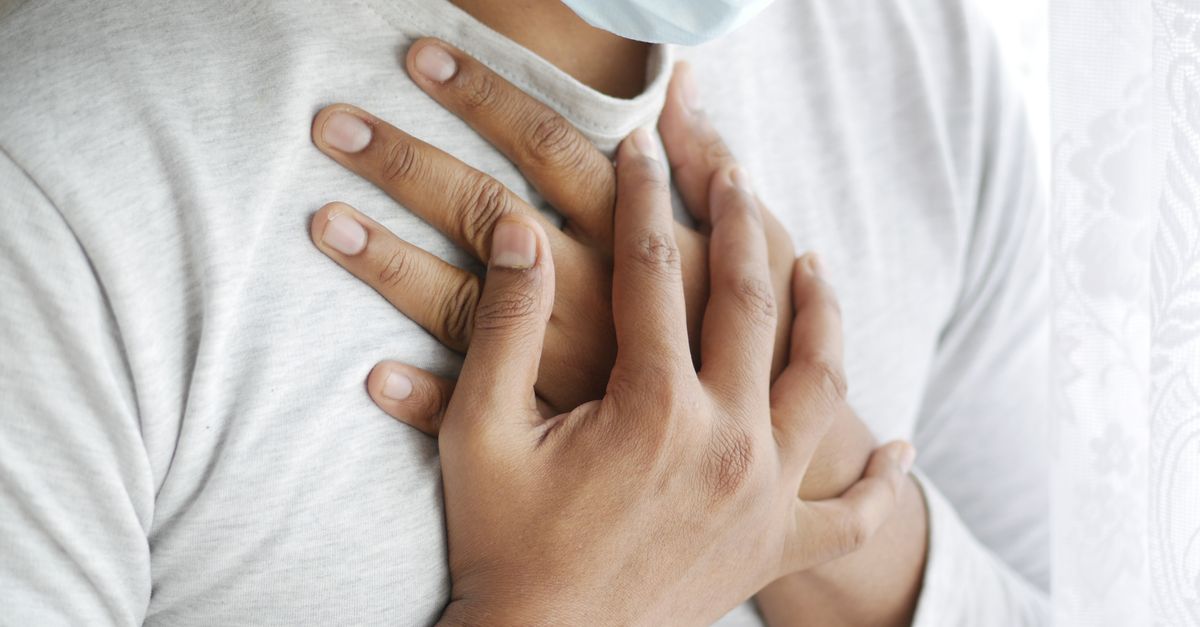
As bronchoconstriction progresses, wheezing becomes audible. This high-pitched whistling sound occurs predominantly during exhalation, as the air is forced out through narrowed bronchial tubes. Patients frequently report a sensation of chest tightness, often described as feeling like a heavy band is wrapped around the torso, restricting the ability to take a full, satisfying breath.
In severe instances, the work of breathing increases substantially. Patients may exhibit shallow, rapid breathing and utilize accessory muscles in the neck and chest to draw air into the lungs. These signs indicate a significant reduction in airflow and require immediate medical intervention to reverse the airway obstruction.
7. Differential Diagnosis of Winter Respiratory Symptoms
During the colder months, distinguishing an asthma flare-up from other respiratory illnesses is a vital clinical step. Winter is the peak season for viral upper respiratory infections, including influenza, respiratory syncytial virus, and the common cold. These viral pathogens cause airway inflammation that closely mimics asthma symptoms.
Acute bronchitis, which is the temporary inflammation of the large bronchial tubes, often presents with a productive cough and chest discomfort. Unlike cold-induced asthma, bronchitis is typically preceded by systemic symptoms such as fatigue, a low-grade fever, and a sore throat. However, viral infections are well-known triggers for asthma, meaning the two conditions frequently coexist.
Chronic obstructive pulmonary disease is another condition that worsens in cold weather. While the symptoms overlap significantly with asthma, chronic obstructive pulmonary disease generally affects an older demographic with a history of smoking and involves irreversible structural changes in the lungs, whereas asthma is characterized by reversible airway obstruction.
8. Data Structure: Triggers of Asthma in Winter
| Trigger Category | Specific Example | Mechanism of Action |
|---|---|---|
| Thermal Stress | Inhaling freezing air | Rapid cooling causes airway smooth muscle contraction. |
| Osmotic Stress | Low humidity environments | Evaporation thickens mucus and triggers mast cell release. |
| Infectious Agents | Winter respiratory viruses | Directly damage airway epithelium and increase inflammation. |
| Indoor Allergens | Dust mites, pet dander, mold | Increased exposure due to spending more time indoors with closed windows. |
9. Potential Complications of Unmanaged Asthma
Failing to manage cold-induced asthma exacerbations can lead to serious long-term consequences for respiratory health. Chronic, repeated episodes of airway inflammation and bronchoconstriction contribute to a phenomenon known as airway remodeling. This involves permanent structural changes to the architecture of the bronchial tubes.
Airway remodeling includes the thickening of the smooth muscle layer, increased fibrosis or scarring of the airway walls, and a permanent enlargement of mucus-producing glands. Over time, these changes make the airways rigid and less responsive to bronchodilator medications, leading to a progressive and irreversible decline in baseline lung function.
A severe, acute asthma exacerbation poses an immediate threat to life. If the bronchospasm is profound and unyielding, it can lead to respiratory failure, where the lungs can no longer supply adequate oxygen to the blood or remove carbon dioxide. This condition, known as status asthmaticus, is a medical emergency requiring intensive care support.
10. Clinical Diagnostic Evaluation
Evaluating cold-induced asthma involves a thorough clinical history and objective pulmonary function testing. A clinician will ask detailed questions about the timing of symptoms, specifically looking for patterns related to outdoor activities during winter, exercise, or recent viral illnesses.
Spirometry is the gold standard for diagnosing asthma and assessing its severity. This test measures the volume of air an individual can exhale forcefully in one second and the total volume of exhaled air. A reduced ratio indicates airway obstruction. To confirm the diagnosis, a bronchodilator medication is administered, and the test is repeated. A notable improvement in airflow demonstrates the reversibility characteristic of asthma.
In some specialized pulmonary clinics, a cold air challenge test may be performed. The patient inhales cold, dry air while exercising, and pulmonary function is monitored closely to observe the exact degree of bronchoconstriction. This provides definitive proof of the specific trigger and helps tailor the treatment approach.
11. Pharmacological Management
The pharmacological treatment of cold-induced asthma relies on a two-pronged approach utilizing controller and reliever medications. Inhaled corticosteroids are the cornerstone of long-term control. These medications reduce baseline inflammation in the airways, making them less reactive to thermal and osmotic stress. Consistent, daily use of inhaled corticosteroids prevents flare-ups before they occur.
Long-acting beta-agonists are frequently combined with inhaled corticosteroids in a single inhaler for patients with moderate to severe asthma. These medications provide sustained relaxation of the airway smooth muscles. Leukotriene receptor antagonists, taken as oral tablets, are also effective for many patients, as they block the specific inflammatory chemicals released during cold air exposure.
Short-acting beta-agonists, commonly known as rescue inhalers, provide rapid, temporary relief during an acute flare-up. They act within minutes to relax the bronchial muscles and restore airflow. However, frequent reliance on rescue medication indicates that the underlying inflammation is not adequately controlled.
12. Non-Pharmacological Interventions
Beyond medication, physical strategies play a vital role in managing airway sensitivity. When stepping out into cold weather, breathing exclusively through the nose is a fundamental protective measure. The nasal passages are lined with an extensive network of blood vessels specifically designed to warm and humidify air before it reaches the lungs.
Mouth breathing bypasses this natural conditioning system, delivering cold, dry air directly to the vulnerable bronchial tubes. If physical exertion makes nasal breathing difficult, wearing a physical barrier over the lower face is essential. A scarf or a specialized cold-weather mask captures the heat and moisture from exhaled breath, creating a warm microclimate for the next inhalation.
Maintaining adequate systemic hydration is another critical intervention. Drinking sufficient water throughout the day ensures that the respiratory mucosa has the necessary fluid reserves to maintain a healthy mucus layer, preventing the airway drying that triggers mast cell degranulation.
13. Preventive Strategies During Winter
Preventing winter asthma exacerbations requires proactive environmental management. Because cold weather drives people indoors, exposure to indoor allergens increases significantly. Dust mites, pet dander, and indoor mold can prime the airways, making the subsequent reaction to cold air much more severe.
Improving indoor air quality involves using high-efficiency particulate air filters, washing bedding frequently in hot water, and keeping indoor humidity levels between 30 and 50 percent. While low humidity is an outdoor trigger, excessively high indoor humidity promotes mold and dust mite proliferation, creating a different set of respiratory challenges.
Avoiding exercise in sub-freezing temperatures is advisable for patients with poorly controlled asthma. Modifying fitness routines to include indoor activities, such as swimming or using a stationary bicycle, allows individuals to maintain cardiovascular health without exposing their lungs to significant thermal stress.
14. The Importance of an Asthma Action Plan
Every individual diagnosed with asthma must possess a written asthma action plan, developed in collaboration with a healthcare provider. This document provides clear, step-by-step instructions on how to adjust medications based on the severity of current symptoms or peak flow meter readings.
The action plan is divided into distinct zones, typically green, yellow, and red. The green zone indicates well-controlled asthma, requiring only maintenance therapy. The yellow zone signals an impending flare-up, such as when a patient begins coughing after cold exposure, and outlines specific instructions for increasing the use of rescue medications.
The red zone dictates emergency protocols. It clearly defines the symptoms of a severe exacerbation, such as breathless speech, blue tinting of the lips, or failure to respond to rescue inhalers. Adhering strictly to a personalized action plan empowers patients to intervene early, preventing minor cold-induced symptoms from escalating into life-threatening emergencies.
15. When to Seek Emergency Medical Care
Respiratory distress can escalate rapidly and requires immediate clinical evaluation. You must seek emergency medical care if you experience severe shortness of breath that does not improve after using a prescribed quick-relief inhaler. The inability to speak in full sentences without gasping for air is a critical warning sign of severe airway obstruction.
Observe for signs of retractions, which occur when the skin between the ribs or at the base of the neck pulls inward forcefully with each breath. This indicates that the respiratory muscles are working against immense resistance. A bluish discoloration of the lips, tongue, or fingertips, a condition known as cyanosis, signifies a dangerous drop in blood oxygen levels.
Furthermore, if a flare-up is accompanied by a high fever, severe chest pain, or confusion, emergency evaluation is mandatory. These symptoms may indicate an underlying respiratory infection, such as pneumonia, complicating the asthma, or a progression toward respiratory failure requiring immediate oxygen therapy and systemic interventions.
16. Frequently Asked Questions (FAQ)
1. Can wrapping a scarf around my mouth really prevent an asthma attack?
Yes, covering your nose and mouth with a scarf traps the warm, moist air you exhale. When you take your next breath, you inhale this pre-warmed air, significantly reducing the thermal shock to your airways and decreasing the likelihood of bronchospasm.
2. Should I use my rescue inhaler before going outside in the cold?
For many patients with cold-induced or exercise-induced asthma, clinicians recommend using a short-acting bronchodilator 15 to 30 minutes before exposure to freezing temperatures. This preemptively relaxes the airway muscles. Always follow your specific asthma action plan.
3. Can cold weather cause asthma if I have never had it before?
Cold weather does not create the underlying disease of asthma, but it can unmask it. Many individuals with mild, undiagnosed reactive airway disease only experience symptoms when exposed to significant triggers like freezing air or rigorous winter exercise.
4. Is indoor heating bad for asthma during the winter?
Central heating systems dry out the indoor air, which can dehydrate the respiratory mucosa. Additionally, turning on heaters for the first time in winter can blow accumulated dust and allergens into the air. Maintaining proper indoor humidity and changing air filters regularly mitigates these risks.
5. Will drinking hot liquids help an asthma flare-up?
While staying hydrated is important for thinning mucus, drinking hot liquids will not reverse an active asthma attack or stop a bronchospasm. Pharmacological treatment with a bronchodilator is required to open the airways effectively.
17. Bibliography
Disclaimer: The content is for informational purposes only and does not replace medical advice. Always consult your doctor for personalized treatment.