1. Introduction
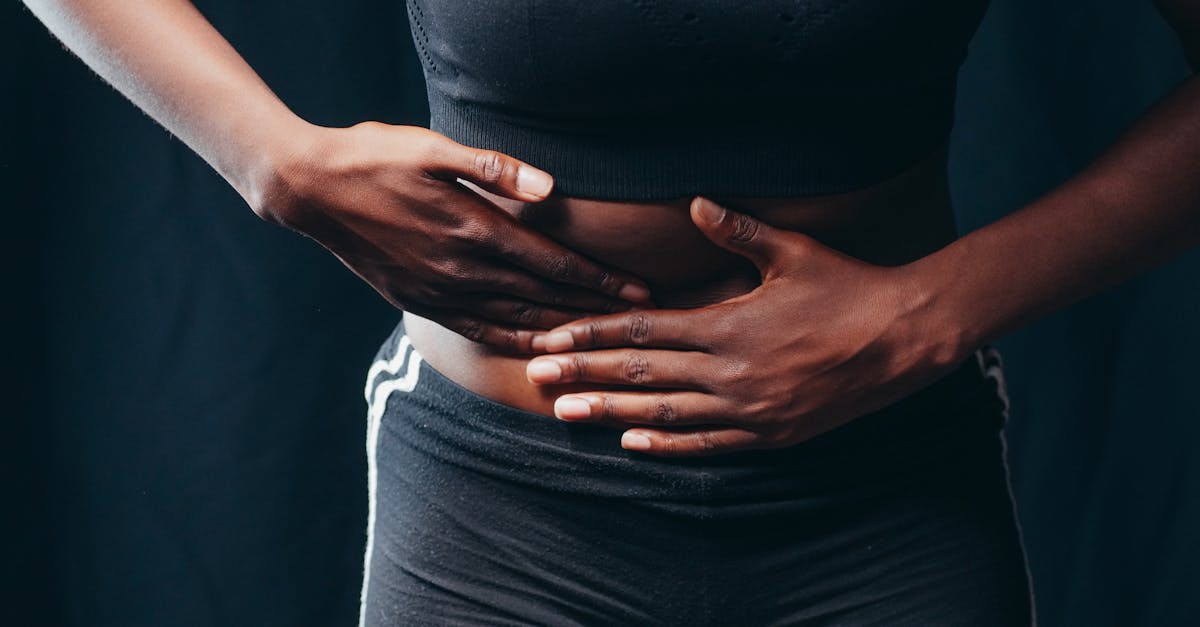
Severe stomach cramps following the consumption of artificial sweetener drops are primarily caused by the osmotic drawing of water into the intestines and the rapid fermentation of these compounds by gut bacteria. Because the human digestive tract cannot fully absorb sugar alcohols and certain high-intensity sweeteners, they pass intact into the large intestine. There, the resident microbiome ferments them, generating significant volumes of gas that distend the bowel walls and provoke sharp, cramping muscular contractions.
The human digestive system evolved to process and absorb natural macronutrients efficiently in the small intestine. Artificial sweeteners and polyols (sugar alcohols) are chemically engineered to provide the sensory experience of sweetness without the associated caloric energy. To achieve this, their molecular structures are designed to resist breakdown by human digestive enzymes. While this successfully prevents blood sugar spikes, it creates a substantial mechanical and chemical burden on the lower gastrointestinal tract.
When these indigestible molecules arrive in the colon, they act as an osmotic sponge, drawing fluid out of the body and into the bowel lumen. Simultaneously, the trillions of bacteria residing in the colon view these compounds as a rapidly accessible food source. The resulting bacterial fermentation is aggressive and produces copious metabolic byproducts.
Understanding the specific physiological interactions between synthetic sweeteners and the enteric environment explains why seemingly harmless zero-calorie drops can initiate profound gastrointestinal distress. Recognizing individual tolerance thresholds allows for safer dietary choices and the prevention of uncomfortable cramping episodes.
2. Physiology of Normal Digestion
Under normal circumstances, when carbohydrates are consumed, the digestive process begins in the mouth with salivary enzymes and continues in the stomach. The bulk of nutrient extraction occurs in the small intestine, where complex sugars are broken down into simple monosaccharides like glucose and fructose.
These simple sugars are absorbed through the intestinal lining directly into the bloodstream, providing cellular energy. By the time the digested food matter reaches the large intestine (the colon), the vast majority of the caloric nutrients have been extracted. The colon’s primary job is to absorb remaining water and electrolytes, consolidating the waste into stool.
This efficient extraction process ensures that the bacteria living in the colon receive a specific, manageable amount of complex fiber to ferment. The gas produced by normal fiber fermentation is generally expelled without significant distension or pain.
However, introducing artificial sweeteners disrupts this normal transit. Because they bypass small intestinal absorption entirely, they deliver a concentrated, unexpected chemical load directly to the delicate environment of the large intestine.
3. Chemistry of Artificial Sweeteners and Polyols
Artificial sweeteners found in concentrated liquid drops generally fall into two categories: high-intensity synthetic sweeteners and sugar alcohols (polyols). High-intensity sweeteners, such as sucralose, aspartame, and saccharin, bind strongly to the sweet taste receptors on the tongue but pass through the body largely unmetabolized.
Sugar alcohols, such as erythritol, xylitol, and sorbitol, are frequently used in liquid drops to provide volume and a sugar-like mouthfeel. Polyols possess a chemical structure that is a hybrid between a sugar molecule and an alcohol molecule.
The human small intestine lacks the specific transport proteins required to move these complex polyol molecules across the intestinal wall efficiently. Consequently, a substantial percentage of the ingested polyols continues unabsorbed along the digestive tract.
The concentration of these drops is critical. While a single drop may seem insignificant, these products are often formulated to be hundreds of times sweeter than sugar. A small squeeze into a beverage introduces a potent, osmotically active chemical load into the gut.
4. Osmotic Fluid Shifts in the Intestines
The presence of unabsorbed sweetener molecules in the intestinal lumen alters the osmotic balance of the gut. Osmosis is the biological process by which water moves across a semi-permeable membrane from an area of low solute concentration to an area of high solute concentration.
Because the sugar alcohols cannot cross the intestinal wall into the bloodstream, they remain trapped within the bowel, creating a highly concentrated solute environment. To achieve equilibrium, water is drawn out of the surrounding blood vessels and intestinal tissues and dumped directly into the bowel lumen.
This influx of water rapidly liquefies the bowel contents and significantly increases the total volume of fluid inside the intestines. The physical stretching of the intestinal walls by this excess fluid initiates the first stage of discomfort.
If the volume of water drawn into the bowel is substantial enough, it overwhelms the colon’s ability to reabsorb fluid, culminating in osmotic diarrhea, a common side effect of consuming high quantities of sugar alcohols.
5. The Gut Microbiome and Fermentation
The human colon hosts a complex ecosystem of trillions of microorganisms, collectively known as the gut microbiome. These bacteria play a vital role in human health by fermenting indigestible dietary fibers, producing beneficial short-chain fatty acids, and modulating the immune system.
When the unabsorbed artificial sweeteners and polyols arrive in the colon, specific strains of bacteria rapidly begin to metabolize them. Unlike complex plant fibers, which ferment slowly and steadily over many hours, polyols are fermented rapidly.
This rapid bacterial feast produces metabolic byproducts at an accelerated rate. The primary byproducts of this fermentation are gases, specifically hydrogen, carbon dioxide, and methane.
Because the fermentation happens so quickly, the volume of gas generated exceeds the bowel’s capacity to absorb or expel it quietly. The gas becomes trapped within the loops of the colon, leading to acute abdominal bloating and localized pressure.
6. Gas Production and Bowel Distension
The sudden generation of hydrogen and methane gas acts like a balloon inflating inside the abdomen. The walls of the large intestine are highly flexible, but they have distinct limits. As the gas expands, it forces the intestinal walls to stretch outward aggressively.
Embedded within the smooth muscle layers of the intestinal wall are specialized sensory nerves called mechanoreceptors. These receptors are designed to detect stretch and distension. When the bowel wall is stretched rapidly and significantly by trapped gas, these mechanoreceptors fire high-frequency distress signals to the brain.
The brain interprets this profound visceral stretching as acute pain. The pain is typically felt as a sharp, stabbing sensation that may migrate across different quadrants of the abdomen as the trapped gas attempts to navigate the turns of the colon.
This mechanical distension is the fundamental physical cause of the severe cramps. The intestines are struggling to manage an unexpected, rapidly expanding volume of gas in a confined anatomical space.
7. Neurological Enteric Response to Stretch
The gastrointestinal tract is governed by its own complex neural network, the enteric nervous system, often referred to as the body’s second brain. It controls the rhythmic, wave-like muscle contractions known as peristalsis, which propel food and waste through the digestive system.
When the enteric nervous system detects the severe distension caused by the fermenting sweeteners, it initiates a defensive reflex. Attempting to clear the overwhelming volume of gas and fluid, the enteric nerves command the intestinal smooth muscles to contract forcefully and rapidly.
Normally, peristalsis is a smooth, unnoticeable wave. However, this defensive response causes chaotic, high-amplitude contractions. The smooth muscles clamp down violently on the gas-filled bowel segments in an uncoordinated manner.
These violent muscular spasms are the physical reality of a stomach cramp. The intense squeezing of the smooth muscle temporarily restricts local blood flow, causing brief, localized ischemia that further amplifies the pain signaling.
8. Alterations in Gastrointestinal Motility
Certain high-intensity sweeteners, particularly sucralose and saccharin, have been shown to influence gastrointestinal motility independent of fermentation. Receptors similar to the sweet taste receptors on the tongue also exist in the lining of the gut.
When artificial sweeteners bind to these enteric sweet receptors, they can trigger the release of specific gut hormones, such as glucagon-like peptide-1 and gastric inhibitory polypeptide. These hormones play a role in regulating the speed at which food moves through the digestive tract.
In some individuals, the stimulation of these receptors by synthetic chemicals causes an erratic motility response. The stomach may empty too quickly, or the colon may increase its transit speed dramatically.
This chemically induced hyper-motility, combined with the osmotic fluid load and the expanding gas, ensures that the bowel experiences a chaotic, turbulent environment, manifesting as cramping, urgency, and visceral discomfort.
9. Mucosal Irritation and Sensitivity
Individuals vary widely in their visceral sensitivity. Some people have an inherently hyper-reactive enteric nervous system, a condition commonly associated with irritable bowel syndrome (IBS). For these individuals, the presence of specific chemical compounds can irritate the mucosal lining of the gut.
While artificial sweeteners are generally recognized as safe by regulatory bodies, the concentrated nature of liquid drops means a high dose of the chemical contacts a small area of the gastric and intestinal mucosa.
This concentrated exposure can act as a mild chemical irritant to the delicate epithelial cells. In a person with heightened visceral hypersensitivity, even a slight irritation or a minor amount of gas production is perceived by the brain as agonizing pain.
The combination of a hyper-reactive nervous system and the undeniable physical expansion caused by fermentation guarantees that sweetener drops will trigger a severe symptomatic flare-up in sensitive individuals.
10. Differentiating Intolerance from Pathology
It is important to differentiate between a dietary intolerance to sweeteners and a more severe gastrointestinal pathology.
| Characteristic | Sweetener Intolerance | Inflammatory Bowel Disease (IBD) |
|---|---|---|
| Trigger | Specifically follows ingestion of artificial sweeteners. | Chronic; independent of specific isolated triggers. |
| Symptom Onset | Within thirty minutes to a few hours post-consumption. | Persistent flare-ups lasting weeks or months. |
| Stool Consistency | Watery (osmotic diarrhea), heavy gas. | May contain mucus, blood, or require urgent bowel movements. |
| Systemic Signs | None. Resolves when the chemical is eliminated. | Fever, weight loss, chronic fatigue, joint pain. |
If stomach cramps are consistently accompanied by unintentional weight loss, bleeding, or if they occur independently of diet, a consultation with a gastroenterologist is necessary to rule out structural or inflammatory diseases.
11. Dose-Dependent Gastrointestinal Thresholds
The severity of the cramping is almost entirely dose-dependent. Every individual possesses a specific threshold for how much of a particular artificial sweetener their digestive tract can handle before osmotic drawing and fermentation overwhelm the system.
For example, a person might tolerate five grams of erythritol without any symptoms, as the small intestine may manage to absorb a fraction of it, and the bacteria can handle the rest quietly. However, consuming ten grams might completely breach their metabolic capacity, resulting in severe cramps.
Liquid sweetener drops are particularly deceptive. Because they are intensely sweet, users often assume they are consuming a trivial amount. However, an accidental heavy squeeze of the bottle can deliver a massive chemical dose into a single beverage.
Understanding that these compounds have a cumulative effect throughout the day is crucial. Chewing sugar-free gum, drinking a diet soda, and then adding sweetener drops to tea can quickly push the intestinal load past the tolerability threshold.
12. Synergistic Effects with Other Dietary Triggers
Sweetener drops are rarely consumed in isolation; they are typically added to beverages like coffee, tea, or protein shakes. The components of these carrier beverages often possess their own gastrointestinal effects, creating a synergistic disaster for the gut.
Coffee contains caffeine, a potent stimulant that actively increases colonic motility. When caffeine forces the colon to contract rapidly, and the sweetener drops simultaneously fill the colon with fluid and gas, the resulting spasms are incredibly intense.
Protein shakes often contain whey concentrate, which harbors lactose, or added fiber supplements like inulin. If an individual adds sweetener drops to a beverage containing lactose or fermentable fibers, the gut bacteria are provided with a massive, multi-source feast.
This combination guarantees an exponential increase in gas production and osmotic pressure, turning a mild intolerance into a severe, agonizing cramping episode.
13. Acute Management of Intestinal Cramping
When severe stomach cramps strike after consuming artificial sweeteners, the primary goal is to facilitate the passage of the trapped gas and soothe the erratic muscular contractions of the bowel.
Moving the body is highly effective. Gentle walking or practicing specific yoga postures, such as lying on the back and pulling the knees to the chest, mechanically compresses the abdomen. This physical pressure helps consolidate the trapped gas bubbles and encourages them to move forward through the colon.
Applying a warm heating pad to the abdomen induces local vasodilation and relaxes the tense abdominal muscles. The radiant heat penetrates the tissue and provides a soothing effect on the spastic smooth muscles of the intestines, dulling the sharp pain signals.
Over-the-counter medications containing simethicone can be utilized. Simethicone is an anti-foaming agent that breaks the surface tension of gas bubbles in the gut, allowing small bubbles to merge into larger ones that are easier for the body to expel, reducing the severe wall distension.
14. Dietary Adjustments and Elimination
To prevent future episodes of severe cramping, identifying and eliminating the specific offending sweetener is necessary. Reading ingredient labels meticulously is required, as artificial sweeteners are ubiquitous in modern processed foods, often hidden under chemical names like sucralose, acesulfame potassium, or xylitol.
Implementing a brief elimination diet involves completely removing all artificial sweeteners and polyols from the diet for two weeks. This allows the localized inflammation in the gut to subside and the microbiome to return to a stable baseline.
After the elimination period, if an individual wishes to reintroduce sweeteners, it must be done with extreme caution. Testing one specific type of sweetener at a very low dose allows the person to gauge their unique gastrointestinal threshold without triggering a severe cramping episode.
Transitioning away from artificial drops entirely and utilizing small amounts of natural caloric sweeteners, such as honey or maple syrup, ensures the sugars are fully absorbed in the small intestine, sparing the colon from the fermentation burden.
15. Frequently Asked Questions (FAQ)
1. Why do some sweetener drops hurt my stomach, but diet soda does not?
Liquid drops often contain different concentrations or entirely different chemical compounds (like highly concentrated sucralose or specific polyols) compared to the aspartame typically used in diet sodas. Your gut bacteria may react aggressively to one chemical structure but tolerate another.
2. Can taking probiotics help me digest artificial sweeteners?
Probiotics can help balance the general gut microbiome, but they do not provide the human enzymes required to absorb sugar alcohols. The bacteria will still ferment the sweeteners, meaning probiotics will not prevent the gas and cramping.
3. Is the cramping dangerous, or just painful?
While intensely painful, the cramping caused by sweetener intolerance is a benign, temporary physiological reaction. It does not cause permanent damage to the intestinal lining or lead to chronic diseases.
4. How long will the stomach cramps last?
The cramps will persist until the offending chemical load has been completely fermented and passed out of the colon. This typically takes anywhere from four to twelve hours, depending on your individual gastrointestinal transit time.
5. Are natural zero-calorie sweeteners like Stevia safer for the stomach?
Stevia and Monk Fruit extract are generally better tolerated because they are required in microscopic amounts and do not draw water into the gut like sugar alcohols. However, commercial liquid drops often mix Stevia with erythritol, which can still trigger the cramps.
16. Bibliography
Disclaimer: The content is for informational purposes only and does not replace medical advice. Always consult your doctor for personalized treatment.