1. Introduction
Calf muscles feeling tight and pulled after running on a treadmill is the result of altered biomechanics and the sustained eccentric loading placed upon the lower leg to adapt to the moving belt. Running on a motorized treadmill fundamentally shifts the natural gait cycle. Overground running requires the posterior chain muscles to actively push the body forward; however, a treadmill belt forcefully pulls the leg backward. To maintain stability and control the landing on this moving surface, the calf muscles and the Achilles tendon must absorb significantly higher braking forces, changing their primary role from propulsion to shock absorption.
The calf complex, composed primarily of the gastrocnemius and soleus muscles, is subjected to continuous micro-trauma during this repetitive braking action. As the foot strikes the belt, the muscles must lengthen while under tension—an eccentric contraction—to prevent the heel from crashing down. This specific type of loading places profound mechanical stress on the contractile proteins within the muscle fibers, physically tearing microscopic cellular structures.
In response to this mechanical trauma, the body initiates a localized inflammatory cascade. Inflammatory fluids accumulate in the tight fascial compartments of the lower leg, increasing internal pressure and sensitizing the local pain receptors. The nervous system also detects this structural vulnerability and reflexively increases the resting tension of the muscle to guard against further damage.
Understanding the unique physiological and mechanical differences between overground and treadmill running is essential. Recognizing how the machine alters foot strike and muscular engagement allows runners to adjust their technique, footwear, and recovery protocols, transforming debilitating tightness into manageable athletic adaptation.
2. Anatomy of the Triceps Surae
The calf musculature, clinically referred to as the triceps surae, dominates the posterior aspect of the lower leg. It consists of two primary muscles: the gastrocnemius and the soleus. The gastrocnemius is the large, superficial, two-headed muscle that originates above the knee joint. Its bi-articular nature means it is involved in both flexing the knee and pointing the foot downward (plantarflexion).
Lying deep beneath the gastrocnemius is the soleus muscle. The soleus originates below the knee and is predominantly composed of slow-twitch muscle fibers. These fibers are engineered for remarkable endurance, responsible for maintaining upright posture and providing continuous power during long-distance walking or running.
Both the gastrocnemius and the soleus taper inferiorly, merging to form the massive Achilles tendon. The Achilles tendon anchors the calf complex to the calcaneus (heel bone). This structural design allows the enormous contractile force generated by the bulky muscles to be transferred seamlessly into the skeletal system, lifting the heel and propelling the body against gravity.
When running, the Achilles tendon acts as a biological spring, storing kinetic energy when stretched and releasing it upon push-off. Any alteration in running mechanics that places unusual stress on this spring mechanism directly impacts the attached calf muscles.
3. Treadmill vs. Overground Biomechanics
The physical environment of a treadmill dictates a subtle but significant deviation from natural running mechanics. During overground running, the body moves through static space. The hamstrings and gluteals powerfully contract to pull the body over the planted foot, and the calves execute a forceful concentric contraction to push off the ground.
On a treadmill, the runner remains relatively stationary while the ground moves beneath them. The motorized belt physically drags the planted foot backward. Because the machine is doing a portion of the work required for horizontal propulsion, the activation pattern of the posterior leg muscles is altered.
To compensate for the moving belt and maintain balance, runners instinctively alter their foot strike. Many runners transition from a natural midfoot or heel strike to a pronounced forefoot strike. Landing on the forefoot requires the calf muscles to act as primary shock absorbers, catching the entire weight of the body before the heel is allowed to touch down.
This subtle shift in kinematics means that while the cardiovascular effort may feel identical to outdoor running, the localized mechanical stress is concentrated disproportionately onto the lower leg musculature.
4. Eccentric Loading and Micro-Trauma
The transition to a forefoot-dominant landing on a treadmill places the triceps surae under sustained eccentric tension. An eccentric contraction occurs when a muscle generates force while actively lengthening. As the ball of the foot hits the belt, the calf muscles must slowly yield to lower the heel toward the surface.
Eccentric contractions are notoriously demanding. They generate the highest amount of mechanical force per muscle fiber, but this force comes at a structural cost. The intense mechanical tension literally pulls the interlocking structural proteins, actin and myosin, apart within the muscle sarcomeres.
This microscopic tearing of the z-lines within the muscle cells is termed exercise-induced micro-trauma. It is a normal physiological trigger for muscle remodeling, but in the acute phase, it causes the cellular architecture to become fragile and disorganized.
The physical damage to the muscle tissue means that the contractile proteins cannot align properly. The nervous system senses this structural instability and reflexively increases the baseline tension of the surrounding muscle fibers, creating the initial sensation of tightness.
5. The Inflammatory Response
The micro-trauma sustained during the treadmill session triggers a robust biological repair sequence. The body recognizes the disrupted muscle cells as an injury site. In response, localized blood vessels dilate to allow immune cells, specifically macrophages, to infiltrate the damaged tissue.
The macrophages begin clearing away the cellular debris. During this process, they release pro-inflammatory cytokines and chemical mediators, such as histamines and prostaglandins, into the surrounding interstitial fluid. These chemicals serve a vital purpose in tissue remodeling, but they are highly irritating to the local sensory nerve endings.
The fluid accumulation associated with this inflammatory response causes mild edema, or swelling, deep within the muscle bellies. The calf muscles are encased in tight, inflexible sheaths of connective tissue known as fascia.
The physical pressure of the extra inflammatory fluid pushing against this tight fascial wrapping creates a profound sensation of stiffness and tension. The lower leg feels physically full and resistant to stretching.
6. Delayed Onset Muscle Soreness
The heavy, pulled sensation that peaks twenty-four to forty-eight hours after the run is clinically termed delayed onset muscle soreness. This phenomenon is distinctly different from the acute, burning fatigue felt during the final miles of the run, which is driven by the temporary accumulation of hydrogen ions and metabolic waste.
Delayed onset muscle soreness is driven entirely by the timeline of the inflammatory cascade. It takes time for the immune cells to migrate, release their chemicals, and cause sufficient tissue swelling to compress the pain receptors.
When the nociceptors are chemically sensitized by prostaglandins, even a normal, harmless stretch—such as taking a regular step or pointing the toes—triggers an intense pain signal. The brain interprets this chemical hypersensitivity as a deep, restrictive tightness.
This soreness is a benign indication of physiological adaptation. The body repairs the micro-tears by synthesizing new contractile proteins, resulting in a stronger, more resilient calf complex capable of handling greater eccentric loads in future treadmill sessions.
7. The Impact of Treadmill Incline
Many runners utilize the incline function on a treadmill to increase cardiovascular intensity or to simulate hill running. However, running on an incline drastically alters the demands placed on the ankle joint and the Achilles tendon.
When the treadmill deck is tilted upward, the ankle is forced into a state of continuous dorsiflexion—the toes are pointed closer to the shin. In this angled position, the gastrocnemius and soleus muscles are placed under significant, constant pre-stretch before they even begin to contract.
Operating a muscle from a highly stretched position reduces its mechanical advantage. The calves must generate substantially more force to lift the body weight up the artificial grade. Furthermore, the Achilles tendon is placed under severe tensile stress with every step.
If the incline is steep and the runner is unaccustomed to hill work, the resulting micro-trauma is exponentially greater than running on a flat belt, virtually guaranteeing profound stiffness and a pulled sensation the following day.
8. Footwear and Strike Pattern Variations
The choice of footwear interacts intimately with treadmill biomechanics to dictate muscle loading. Traditional running shoes feature a high “drop”—the heel is elevated significantly higher than the forefoot. This design encourages a heel strike and provides a cushion that artificially shortens the required resting length of the calf muscle.
When running on a treadmill, the belt’s cushioning properties differ from pavement. Some runners, attempting to mimic a more natural gait or influenced by minimalist footwear trends, wear low-drop or zero-drop shoes on the treadmill.
Transitioning abruptly to a zero-drop shoe forces the heel closer to the ground. This physical drop demands the calf muscles and Achilles tendon stretch several millimeters further than they are accustomed to with every single foot strike.
This sudden increase in required tissue length, combined with the unyielding repetition of treadmill running, frequently overwhelms the structural tolerance of the fascia and muscle fibers, resulting in acute, agonizing tightness.
9. Differentiating Muscle Tightness from a Strain
It is critical to distinguish between the benign, diffuse tightness of delayed onset muscle soreness and a structural muscle strain that requires medical intervention.
| Characteristic | Muscle Tightness (DOMS) | Calf Muscle Strain (Tear) |
|---|---|---|
| Onset of Pain | Gradual; peaks 24 to 48 hours post-run. | Sudden, sharp “pop” or tearing sensation during the run. |
| Pain Quality | Dull, heavy, diffuse, widespread stiffness. | Sharp, localized, pinpoint pain, severe weakness. |
| Visual Signs | None. Skin appears normal. | Possible visible bruising (ecchymosis) or swelling. |
| Resolution | Fades progressively after 3 to 5 days. | Pain persists, worsens with weight-bearing, takes weeks to heal. |
A true muscle strain involves the gross anatomical tearing of a significant bundle of muscle fibers, often resulting in localized bleeding. If a sudden, sharp pain makes bearing weight impossible, running must cease immediately, and clinical evaluation is required.
10. Neuromuscular Spindles and Reflex Spasms
The sensation of the muscle feeling “pulled” is often related to the hyper-excitability of the neuromuscular system following exhausting exercise. Muscle spindles are specialized sensory receptors located within the muscle belly that detect changes in muscle length and the speed of the stretch.
When the calf muscles are subjected to thousands of rapid, eccentric stretches on the treadmill, the muscle spindles become highly sensitive and fatigued. If the runner abruptly stops the workout and sits down, the muscles cool rapidly.
When the runner later attempts to stand or stretch, the hyper-sensitive muscle spindles misinterpret the normal lengthening as a dangerous overstretch. They fire an urgent reflex signal to the spinal cord, causing the muscle to instantly contract and lock down to prevent perceived damage.
This reflex spasm creates the sudden, terrifying sensation that the muscle is physically pulled or bound, severely restricting the ankle’s range of motion until the neuromuscular system can be gently coaxed back to baseline.
11. Post-Run Active Recovery
When stepping off the treadmill with heavy, tight calves, completely stopping movement is counterproductive. Immobility allows the inflammatory fluids to stagnate within the fascial compartments and the repairing muscle fibers to heal in a shortened, stiffened position.
Active recovery promotes continuous blood flow, which accelerates the clearance of inflammatory byproducts and delivers fresh oxygen and nutrients to the repairing cells. Walking slowly on a flat surface for five to ten minutes after the run engages the skeletal muscle pump.
The gentle, rhythmic contractions physically pump the stagnant inflammatory edema out of the lower leg tissue. Furthermore, the elevated heart rate rushes fresh, warm, oxygenated arterial blood into the area, accelerating the clearance of pain-inducing prostaglandins.
Active recovery effectively acts as a biological flush, significantly reducing the severity and duration of the tight, pulled sensation compared to total immobilization.
12. Active Stretching and Myofascial Release
Restoring the resting length of the overworked muscles is critical to preventing chronic stiffness. However, aggressive stretching of highly inflamed tissue can cause further micro-trauma. Gentle, static stretching is required.
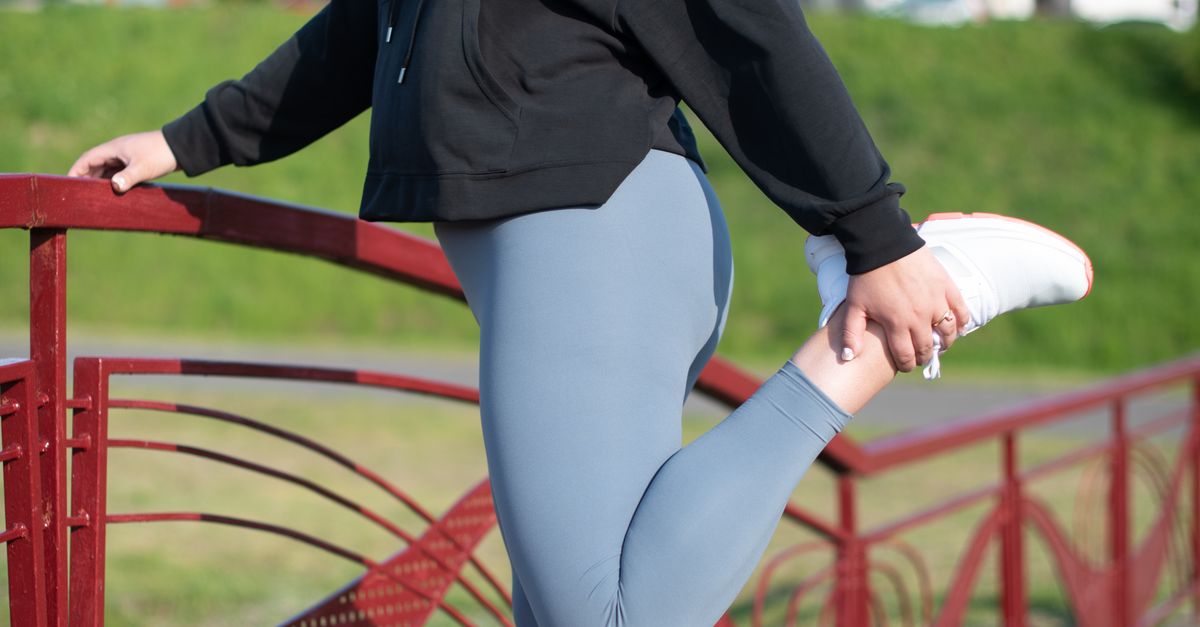
The straight-leg calf stretch targets the gastrocnemius. Standing facing a wall, place one foot behind the other and gently lean forward, keeping the back leg straight and the heel pressed into the floor. Bending the back knee slightly shifts the stretch deeper into the soleus muscle. Stretches should be held statically for thirty seconds without bouncing.
Self-myofascial release utilizing a foam roller is highly effective for breaking up temporary fascial adhesions and releasing tension. Sitting on the floor, place the foam roller under the calf and slowly roll from the ankle to just below the back of the knee.
If a specific, tender knot (trigger point) is found, hold the pressure on that spot for fifteen seconds to physically break the localized muscle spasm and restore normal fascial glide.
13. Strengthening the Lower Kinetic Chain
To prevent recurring tightness, the muscles must be specifically conditioned to handle the eccentric loads of treadmill running. Standard concentric exercises do not adequately prepare the tissue for the braking forces of the moving belt.
Eccentric focused training is required. Eccentric heel drops are the most direct functional exercise. Standing on the edge of a step, raise up onto the toes using both feet, then shift the weight entirely to one leg and slowly lower the heel below the level of the step over a count of three to five seconds.
This slow, controlled lowering isolates the eccentric phase, forcing the muscle fibers to adapt and strengthen their structural proteins. Over time, this training increases the muscle’s capacity to absorb force without entering a state of chaotic neurological firing.
Strengthening the anterior tibialis muscle—the muscle on the front of the shin—is equally important to ensure a balanced lower leg, providing stability to the ankle joint and preventing the calf from bearing the entire mechanical load.
14. Modifying the Treadmill Routine
Strategic adjustments to the treadmill workout can mitigate excessive muscular damage. Utilizing a one-percent incline is often recommended to perfectly simulate the biomechanical effort of overground running, preventing the over-striding that leads to severe eccentric shock.
Varying the running surface is crucial for long-term health. Replacing one or two treadmill sessions per week with outdoor running on grass, dirt trails, or pavement forces the body to utilize slightly different stabilizing muscles and alters the repetitive impact angles.
Monitoring stride rate (cadence) is a powerful intervention. A slow cadence often results in long, bounding strides that dramatically increase the impact force and the eccentric load on the calves. Increasing the cadence—taking shorter, faster steps—shifts the foot strike closer to the body’s center of gravity.
A shorter stride minimizes the braking force required upon landing, sparing the triceps surae from the severe mechanical trauma that guarantees days of stiffness.
15. Frequently Asked Questions
1. Is it safe to run again while my calves still feel tight and pulled?
Running intensely on highly inflamed, tight calves is not recommended. The stiffness alters your gait, which can lead to knee or hip pain, and pushing damaged tissue increases the risk of an actual muscle strain. Wait until full, pain-free range of motion returns.
2. Should I use an ice pack or a heating pad for the tightness?
In the first twenty-four hours after the run, ice can help reduce the acute inflammatory swelling. After that, when the muscle feels deeply stiff and rigid, heat is superior. Heat opens blood vessels, relaxing the tissue and bringing healing nutrients to the muscle.
3. Why do my calves only hurt on the treadmill and not when I run outside?
The moving belt of the treadmill changes your biomechanics, often forcing you to land closer to your toes. This shifts the primary shock-absorbing responsibility entirely onto your calves, whereas outdoor running distributes the load more evenly across your glutes and hamstrings.
4. Can dehydration make my calves feel tighter?
Yes. Muscle tissue requires abundant water to maintain its elasticity and flush metabolic waste. Dehydration makes the fascial sheaths around the muscle sticky and reduces blood volume, significantly slowing down the recovery and repair process.
5. How long will this severe tightness last?
Normal delayed onset muscle soreness typically peaks on the second day after a hard, unaccustomed treadmill run and gradually resolves over the following three to five days as the muscle fibers finish repairing themselves.
16. Bibliography
Disclaimer: The content is for informational purposes only and does not replace medical advice. Always consult your doctor for personalized treatment.