1. Introduction
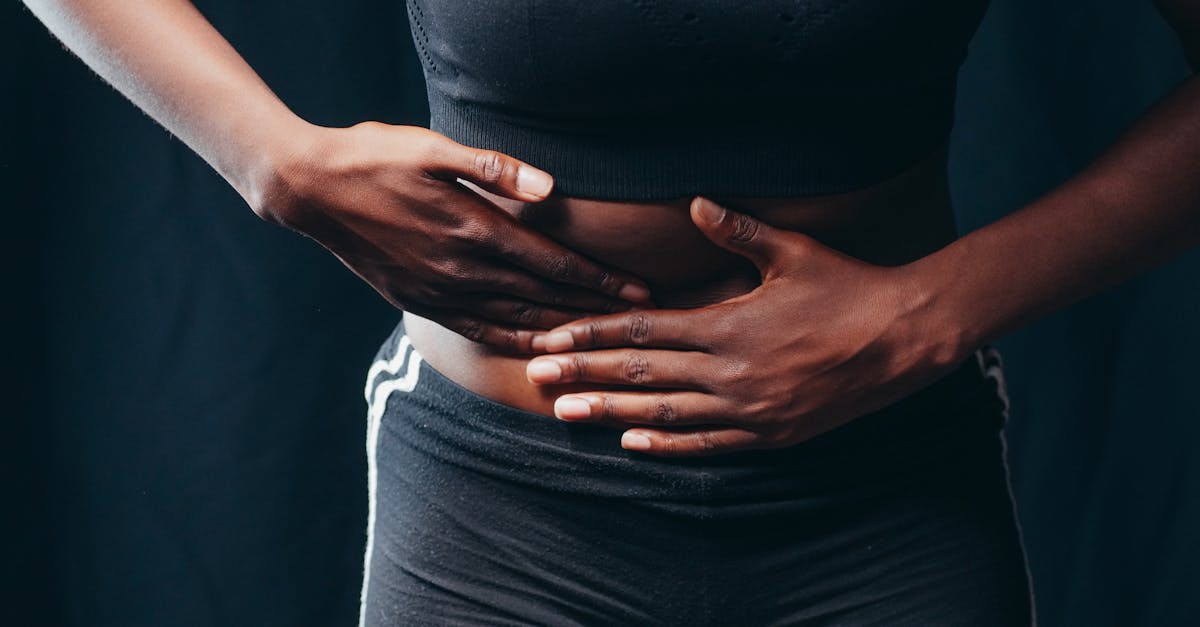
Relieving sharp stomach cramps and bloating requires identifying the underlying cause, whether it is trapped gas, functional gastrointestinal disorders, or dietary intolerances. Immediate relief can often be achieved through targeted antispasmodic medications, gentle physical movement to stimulate motility, and the application of localized heat to relax the abdominal musculature. Managing these symptoms effectively relies on a combination of acute interventions and long-term digestive regulation.
A sudden onset of sharp abdominal pain combined with significant distension is a frequent clinical presentation. The gastrointestinal tract is highly innervated, meaning that even minor stretching of the intestinal walls by trapped gas can produce severe discomfort. Determining the precise anatomical and biochemical origin of this distension dictates the most appropriate and rapid therapeutic approach.
2. Anatomy of the Gastrointestinal Tract
The human digestive system is a complex muscular tube extending from the mouth to the anus. The small and large intestines are particularly relevant to cramping and bloating. These organs rely on coordinated muscular contractions, known as peristalsis, to move food, fluid, and gas through the system.
The inner lining of the intestines is densely populated with sensory receptors that detect chemical changes and mechanical stretching. When peristalsis becomes uncoordinated or halts entirely, gas and fluid accumulate in isolated segments of the bowel. This localized accumulation stretches the intestinal wall, triggering nerve endings to fire sharp pain signals to the brain.
3. Understanding the Bloating Mechanism
Bloating is the subjective sensation of abdominal fullness or swelling, which is often accompanied by visible physical distension. It is primarily driven by an excess accumulation of intestinal gas or an altered perception of normal gas volumes. This gas originates from two main sources: swallowed air and the fermentation of undigested food by bacteria residing in the colon.
When bacteria ferment carbohydrates that the small intestine failed to absorb, they produce large volumes of hydrogen, methane, and carbon dioxide. If this gas is not efficiently expelled through flatulence or absorbed into the bloodstream, it remains trapped in the loops of the bowel. This mechanical trapping directly causes the sensation of severe tightness and subsequent cramping.
4. Dietary Triggers and Fermentation
Specific dietary components are notorious for exacerbating intestinal gas production. Carbohydrates that are poorly absorbed in the small intestine travel to the colon, where they serve as fuel for bacterial fermentation. These compounds are collectively referred to as fermentable oligosaccharides, disaccharides, monosaccharides, and polyols.
Common culprits include lactose found in dairy products, fructose found in certain fruits and sweeteners, and complex carbohydrates found in beans, lentils, and cruciferous vegetables like broccoli and cabbage. Identifying and temporarily eliminating these highly fermentable foods can dramatically reduce the volume of gas produced, thereby providing rapid relief from sharp cramps.
5. Irritable Bowel Syndrome Pathology
Irritable bowel syndrome is a prevalent functional gastrointestinal disorder characterized by chronic abdominal pain and altered bowel habits. Patients with this condition frequently experience severe, sharp cramping and profound bloating, particularly after meals. The exact pathophysiology involves visceral hypersensitivity and disordered gut motility.
In visceral hypersensitivity, the nerves surrounding the intestines are overly reactive. Normal amounts of gas or normal digestive contractions are perceived by the central nervous system as agonizing pain. This condition often mimics other localized discomforts, such as the acute distress observed in a constant sour stomach feeling, requiring neuromodulating treatments rather than simple structural repairs.
6. The Role of the Gut Microbiome
The human colon houses trillions of microorganisms that play a vital role in digestion and immune regulation. An imbalance in this microbial community, termed dysbiosis, significantly contributes to abnormal gas production and bloating. When gas-producing bacterial strains outnumber beneficial strains, the fermentation process becomes highly inefficient and excessive.
Small intestinal bacterial overgrowth is a specific condition where colonic bacteria migrate upward into the small intestine. Because the small intestine is not designed to handle massive bacterial fermentation, early and severe bloating occurs immediately after eating. Diagnosing this overgrowth via specialized breath testing is essential for prescribing targeted antibiotic therapy to reset the microbiome.
7. Physical Movement and Gut Motility
Mechanical intervention through physical movement is a highly effective, non-pharmacological strategy for relieving trapped gas. When a patient remains entirely sedentary, the natural peristaltic waves of the intestines can become sluggish. Gentle cardiovascular exercise, such as walking, directly stimulates the smooth muscles of the digestive tract.
Certain anatomical positions also utilize gravity and abdominal compression to force trapped gas through the colon. Lying on the back and gently pulling the knees toward the chest compresses the lower abdomen, physically manipulating the descending colon. This mechanical assistance often results in the expulsion of flatus and immediate relief of sharp cramping.
8. Heat Therapy for Muscle Spasms
The sharp pain associated with stomach cramps is frequently the result of severe spasms in the smooth muscle of the intestinal wall. Applying localized heat directly to the abdomen is a proven physiological method for alleviating these spasms. Heat induces vasodilation, increasing blood flow to the tense musculature and promoting cellular relaxation.
Using a warm heating pad or a hot water bottle over the umbilical region for twenty minutes can significantly dull the transmission of pain signals. The warmth not only relaxes the intestinal muscles but also provides a soothing sensory input that competes with the pain signals traveling up the spinal cord to the brain, offering rapid symptomatic comfort.
9. Pharmacological Antispasmodics
When physical interventions are insufficient, pharmacological antispasmodics provide targeted relief for intestinal cramping. These medications work by blocking the action of acetylcholine, a neurotransmitter that stimulates smooth muscle contraction. By inhibiting these nerve signals, the muscles of the bowel are forced to relax.
Medications such as dicyclomine or hyoscyamine are frequently prescribed for acute spasms associated with irritable bowel syndrome. Because they reduce overall gut motility, they are highly effective at stopping sharp, colicky pain. However, they must be used cautiously, as slowing down the bowel too much can lead to secondary constipation.
10. Simethicone and Gas Dispersal
Over-the-counter medications containing simethicone are a primary intervention for bloating caused by trapped gas. Simethicone is an anti-foaming agent that acts entirely within the gastrointestinal lumen and is not absorbed into the bloodstream. It works by altering the surface tension of small gas bubbles trapped in the stomach and intestines.
By breaking down the surface tension, simethicone allows smaller bubbles to coalesce into larger, more easily managed pockets of gas. These larger pockets can then be naturally expelled through belching or flatulence. This simple mechanical alteration within the gut provides rapid relief from the severe stretching sensation causing the cramps.
11. Peppermint Oil Mechanisms
Peppermint oil is a robust natural therapeutic agent with proven efficacy in gastrointestinal medicine. The active compound, menthol, has a direct relaxing effect on the smooth muscle of the digestive tract. It acts as a natural calcium channel blocker, preventing the influx of calcium into muscle cells, which is a necessary step for muscle contraction.
Enteric-coated peppermint oil capsules are designed to bypass the stomach and dissolve specifically within the small and large intestines. This targeted delivery prevents the relaxation of the lower esophageal sphincter, which could otherwise cause acid reflux, while delivering powerful antispasmodic relief directly to the site of the cramping.
12. Hydration and Osmotic Balance
Maintaining adequate systemic hydration is essential for optimal gastrointestinal transit. When the body is dehydrated, the colon extracts maximum water from the stool to preserve blood volume. This results in hard, dry stool that stalls in the colon, creating a physical roadblock that prevents the passage of gas.
Consuming warm fluids, such as herbal teas or clear broths, provides necessary hydration while the warmth gently stimulates peristalsis. Adequate water intake ensures that the stool remains soft and pliable, facilitating a smooth transit time. This prevents the mechanical obstruction that leads to severe gas buildup and subsequent sharp abdominal pain.
13. Psychological Stress and the Gut-Brain Axis
The gastrointestinal system and the brain are in constant communication through a complex network of nerves, hormones, and inflammatory mediators known as the gut-brain axis. Acute psychological stress triggers the sympathetic nervous system, shifting the body into a defensive state. This response diverts blood flow away from the gut and severely alters normal motility.
For many patients, acute anxiety directly translates into stomach cramps and sudden bloating. Managing stress through targeted breathing exercises or cognitive behavioral therapy calms the central nervous system, which in turn normalizes the nerve signals being sent to the digestive tract. Addressing the psychological component is critical for long-term symptom management.
14. Identifying Underlying Conditions
Understanding the patterns of cramping and bloating aids in differentiating between benign and serious etiologies.
| Condition | Primary Symptom Pattern |
|---|---|
| Trapped Gas | Sudden sharp pain moving around the abdomen, relief after passing gas |
| Irritable Bowel Syndrome | Chronic cramping, alternating diarrhea and constipation, relief after a bowel movement |
| Food Intolerance | Bloating and cramps specifically occurring hours after eating dairy or certain sugars |
| Bowel Obstruction | Severe agonizing cramps, massive distension, complete inability to pass gas or stool |
15. When to Seek Emergency Care
While most stomach cramps and bloating are benign, specific red flag symptoms demand immediate medical evaluation. If the pain is sudden, agonizing, and localized to the lower right side of the abdomen, acute appendicitis must be ruled out. Similarly, a rock-hard abdomen that is severely tender to the touch suggests a critical inflammatory event like peritonitis.
If the cramping is accompanied by intractable vomiting, high fever, bloody stools, or an absolute inability to pass any gas, a physical bowel obstruction is highly suspected. These scenarios require emergency imaging and potential surgical intervention to prevent intestinal necrosis or systemic sepsis.
16. Frequently Asked Questions
1. Why do I get sharp stomach cramps immediately after eating?
Eating stimulates the gastrocolic reflex, which causes the colon to contract. In individuals with sensitive digestive tracts, this normal reflex can be overly aggressive, leading to sudden, sharp cramps.
2. Does drinking carbonated water help with bloating?
No, carbonated beverages introduce a massive volume of carbon dioxide gas directly into the digestive system, which typically worsens bloating and increases the mechanical pressure causing the cramps.
3. Is it normal to have sharp cramps during menstruation?
Yes, the release of prostaglandins during menstruation causes the uterus to contract, and these chemicals often affect the nearby intestines, causing simultaneous abdominal cramping and bloating.
4. Can severe constipation cause sharp stomach pain?
Absolutely. When stool backs up in the colon, it creates a physical blockage. Gas builds up behind this blockage, severely stretching the intestinal wall and causing sharp, stabbing pain.
5. How quickly does peppermint oil work for stomach cramps?
When taken in an enteric-coated capsule, peppermint oil typically reaches the intestines and begins relaxing the smooth muscle within one to two hours, providing significant relief from spasms.
17. Bibliography
Disclaimer: The content is for informational purposes only and does not replace medical advice. Always consult your doctor for personalized treatment.