1. Introduction
Early signs of sleep apnea causing chronic morning exhaustion include loud, disruptive snoring, waking up gasping for air, and starting the day with a severely dry mouth or a dull, throbbing headache. You should seek a comprehensive sleep medicine evaluation if you experience persistent, debilitating daytime sleepiness despite spending an adequate number of hours in bed, or if your partner witnesses you stop breathing during the night. Untreated obstructive sleep apnea fragments sleep architecture and places significant, continuous strain on the cardiovascular and neurological systems.
2. The Physiology of Upper Airway Anatomy
The human airway is a muscular, collapsible tube responsible for conducting air from the nose and mouth down into the lungs. The upper portion of this tube, the pharynx, lacks a rigid cartilaginous structure. Instead, it relies entirely on the continuous tone of the surrounding muscles to stay open.
During waking hours, neurological signals keep these dilator muscles active, maintaining a wide, patent airway. When a person transitions into sleep, particularly during the deep rapid eye movement stages, all skeletal muscles naturally relax. In healthy individuals, the airway narrows slightly but remains sufficiently open to allow unobstructed breathing.
3. The Mechanics of Obstructive Sleep Apnea
In patients with obstructive sleep apnea, this natural muscle relaxation leads to pathological consequences. The tissues of the soft palate, the uvula, and the base of the tongue relax too much and physically fall backward against the posterior wall of the throat.
This creates a mechanical obstruction. A partial obstruction causes the tissues to vibrate intensely as air is forced past them, producing loud snoring. A complete obstruction, known as an apnea, totally seals off the airway. The patient’s chest and diaphragm continue to heave in a desperate attempt to draw air, but no oxygen reaches the lungs. These apneic events can last from ten seconds to over a minute.
4. Hypoxia and Sleep Fragmentation
When the airway closes, the oxygen levels in the bloodstream begin to plummet, a condition known as hypoxia. Simultaneously, carbon dioxide levels rise. Chemoreceptors in the brain detect this dangerous chemical shift and trigger an emergency survival response.
The brain rapidly jolts the patient out of deep sleep into a lighter stage of sleep, or even a brief awakening. This micro-arousal restores the muscle tone in the airway, allowing the patient to take a breath. Once breathing is restored, the brain attempts to return to deep sleep, only for the airway to collapse again. This vicious cycle can repeat dozens or hundreds of times per hour, completely destroying the restorative architecture of normal sleep.
5. Loud Snoring and Witnessed Apneas
The most frequent early sign reported by patients, or more accurately, by their bed partners, is heavy, persistent snoring. While not everyone who snores has sleep apnea, the snoring associated with this condition is characteristically loud, uneven, and punctuated by unsettling periods of total silence.
These silent pauses represent the apneas. The silence is often broken by a loud snort, a choking sound, or a sudden gasp as the brain forces the airway open. A partner witnessing these events—watching the patient struggle to breathe while asleep—is the most reliable clinical indicator for obstructive sleep apnea and warrants immediate medical referral.
6. Waking with Choking or Gasping
Patients themselves are often entirely unaware of the micro-arousals that fragment their sleep. However, they may occasionally experience a full awakening during a particularly prolonged apneic event.
In these instances, the patient will wake up suddenly with a frightening sensation of choking, smothering, or gasping for air. The heart is usually racing due to the sudden surge of adrenaline released by the brain’s panic response. These nocturnal awakenings cause significant anxiety, and the patient may erroneously believe they are suffering from panic attacks or insomnia, missing the underlying respiratory pathology.
7. Morning Headaches and Hypercapnia
Waking up with a dull, throbbing headache is a classic symptom of severe sleep apnea. These morning headaches are biologically distinct from migraines or tension headaches.
During the repeated periods of airway obstruction, the body cannot expel carbon dioxide effectively. This leads to hypercapnia, an elevated level of carbon dioxide in the blood. Carbon dioxide acts as a potent vasodilator, causing the blood vessels in the brain to widen significantly. This vasodilation increases intracranial pressure, resulting in a persistent, diffuse head pain that greets the patient upon waking and typically fades over the first few hours of the morning as normal breathing is restored.
8. Xerostomia and Dry Throat
Because the nasal passages often fail to provide adequate airflow during apneic episodes, patients frequently breathe through their mouths throughout the night.
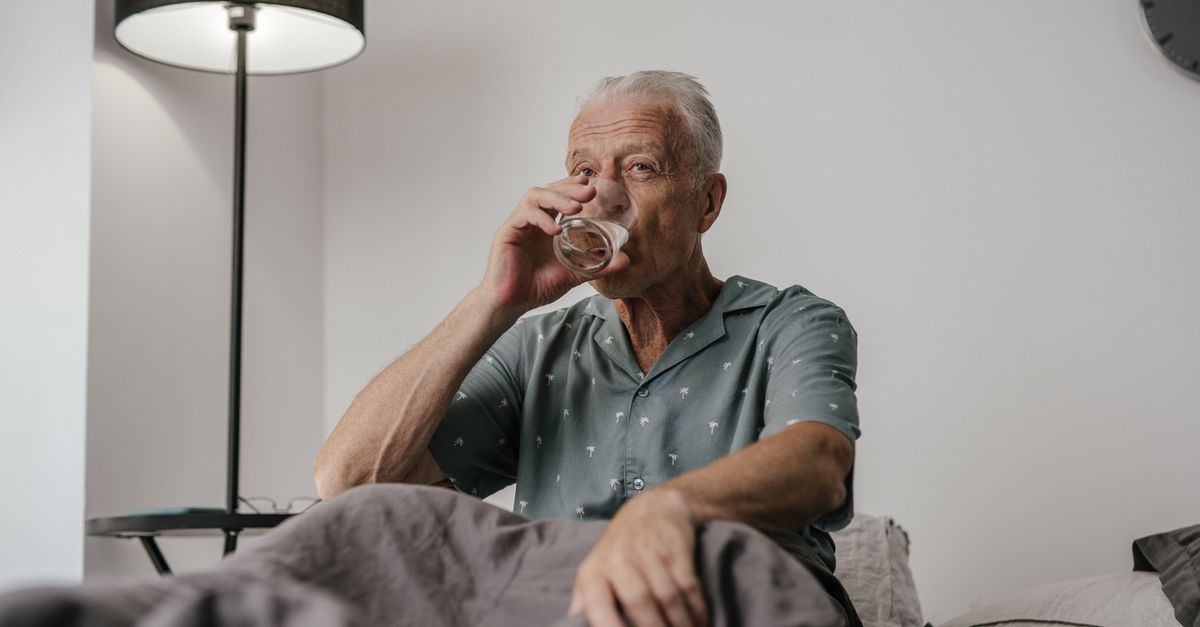
This continuous oral airflow strips moisture from the delicate mucosal tissues. Consequently, patients wake up suffering from severe xerostomia, which is an intensely dry mouth, cracked lips, and a sore, scratchy throat. Keep a glass of water by the bed is a common behavioral adaptation, but it does not address the fundamental issue of nighttime mouth breathing driven by airway obstruction.
9. Profound Daytime Somnolence
The cumulative effect of hundreds of micro-arousals is severe sleep deprivation, even if the patient spent eight hours in bed. This manifests as profound daytime somnolence, a heavy, unyielding exhaustion that permeates the entire day.
Patients often find themselves falling asleep inappropriately during passive activities, such as reading, watching television, or sitting in meetings. The most dangerous consequence of this exhaustion is drowsy driving. The cognitive dulling and slowed reaction times associated with untreated sleep apnea drastically increase the risk of severe motor vehicle accidents, making it a critical public safety concern.
10. Neurocognitive Deficits and Mood Changes
The brain relies on the uninterrupted progression of sleep cycles to consolidate memories, process emotions, and clear metabolic waste. The fragmentation of these cycles leads to substantial neurocognitive deficits.
Patients frequently complain of severe brain fog, difficulty concentrating, and a noticeable decline in short-term memory. Furthermore, the continuous physiological stress and chronic sleep deprivation profoundly alter mood regulation. Uncharacteristic irritability, a short temper, and the development of clinical depression are remarkably common in patients suffering from untreated airway obstruction.
11. Differentiating Sleep Apnea from Insomnia
Accurate clinical diagnosis requires separating mechanical breathing issues from psychological sleep barriers.
| Clinical Feature | Insomnia | Obstructive Sleep Apnea |
|---|---|---|
| Sleep Onset | Struggles for hours to fall asleep. | Often falls asleep very quickly due to exhaustion. |
| Nighttime Awakenings | Wakes up and cannot get back to sleep. | Wakes up choking/gasping, falls back asleep quickly. |
| Morning Feeling | Tired, aware they did not sleep well. | Exhausted despite believing they slept a full night. |
| Bed Partner Report | Restless tossing and turning. | Loud snoring and witnessed pauses in breathing. |
12. Cardiovascular Consequences and Hypertension
Obstructive sleep apnea is not merely a sleep disorder; it is a severe cardiovascular disease. Every time the airway closes and oxygen drops, the sympathetic nervous system triggers a massive release of stress hormones, including adrenaline and cortisol.
These hormonal surges cause sudden, extreme spikes in blood pressure throughout the night. Over time, this vascular stress persists into the waking hours, leading to treatment-resistant hypertension. Untreated sleep apnea significantly increases the lifetime risk of developing atrial fibrillation, suffering a myocardial infarction, or experiencing a catastrophic stroke.
13. Diagnostic Polysomnography
If sleep apnea is suspected, a physician will order a sleep study to obtain objective diagnostic data. A formal in-lab polysomnography is the gold standard.
During this overnight test, sensors monitor brain waves to track sleep stages, belts measure the effort of the chest and diaphragm, a cannula measures nasal airflow, and an oximeter continuously records blood oxygen saturation. Alternatively, for uncomplicated cases, a home sleep apnea test can be utilized. These diagnostic tools calculate the Apnea-Hypopnea Index, which quantifies the exact number of breathing disruptions per hour, allowing the physician to grade the severity of the disease.
14. Continuous Positive Airway Pressure Therapy
The most highly effective, non-invasive treatment for obstructive sleep apnea is Continuous Positive Airway Pressure therapy. The patient wears a specialized mask over the nose or mouth during sleep.
The device delivers a continuous, gentle stream of pressurized room air. This air pressure acts as a pneumatic splint, physically holding the soft tissues of the pharynx open and preventing the airway from collapsing. When used consistently, this therapy completely eliminates apneas, stops snoring, restores normal sleep architecture, and provides rapid, profound relief from the systemic chronic fatigue that previously dominated the patient’s life.
15. Frequently Asked Questions (FAQ)
1. Can losing weight cure my sleep apnea?
For many patients, excess fatty tissue in the neck contributes heavily to airway collapse. Significant weight loss can drastically reduce the severity of the apneas and, in mild cases, may resolve the condition entirely, though it is not a guaranteed cure for everyone.
2. Does sleeping on my back make sleep apnea worse?
Yes, in the supine position, gravity pulls the base of the tongue and the soft palate directly downward, making airway collapse much more likely. Sleeping on your side can significantly reduce the frequency of apneas.
3. Will a mouth guard stop my snoring?
Custom-fitted mandibular advancement devices prescribed by a dentist can treat mild to moderate sleep apnea by pulling the lower jaw forward, opening the airway. However, over-the-counter boil-and-bite mouthguards are generally ineffective for clinical apnea.
4. Is central sleep apnea different from obstructive sleep apnea?
Yes. Obstructive apnea involves a physical blockage of the airway while the brain is trying to breathe. Central sleep apnea is a neurological issue where the brain temporarily fails to send the signal to the breathing muscles.
5. Can drinking alcohol before bed worsen my symptoms?
Absolutely. Alcohol acts as a muscle relaxant, severely reducing the tone of the pharyngeal muscles. It also depresses the central nervous system, making the brain slower to respond to dropping oxygen levels, leading to longer and more dangerous apneas.
16. Bibliography
Disclaimer: The content is for informational purposes only and does not replace medical advice. Always consult your doctor for personalized treatment.