1. Introduction & Mechanism of Action for Gasco Antibacterial
Gasco Antibacterial is a topical antiseptic preparation containing benzalkonium chloride, utilized primarily for superficial wound cleansing and the prevention of localized dermal infections. The most frequently encountered side effect during routine application is mild, transient skin irritation or localized dryness at the application site.
The clinical efficacy of this formulation relies on the properties of benzalkonium chloride as a cationic surfactant and quaternary ammonium compound. When applied to intact or superficially compromised skin, the positively charged molecules of the active ingredient bind aggressively to the negatively charged cell membranes of diverse microorganisms. This targeted electrostatic interaction disrupts the lipid bilayer of the bacterial cell wall, leading to a rapid leakage of intracellular contents and subsequent cellular death.
By destabilizing these cellular membranes, the medication provides broad-spectrum bactericidal action against a wide variety of Gram-positive and Gram-negative pathogens. The formulation is meticulously engineered to provide robust superficial antisepsis while remaining safe for topical dermal application, minimizing systemic absorption and avoiding the severe systemic toxicity associated with internal ingestion of quaternary ammonium compounds.
2. Warnings & Before Taking Gasco Antibacterial
Patients must rigorously avoid applying this potent topical antiseptic to deep puncture wounds, severe third-degree thermal burns, or heavily necrotic tissue without explicit medical supervision. Utilizing powerful chemical surfactants on deep structural injuries can severely impair the natural cellular healing process and damage delicate underlying tissues.
Individuals possessing a documented clinical history of severe hypersensitivity to quaternary ammonium compounds must completely avoid this preparation. While true systemic anaphylactic reactions to topical benzalkonium chloride are clinically uncommon, the risk of severe localized allergic contact dermatitis is significant and can cause excruciating pain, spreading erythema, and weeping lesions.
Furthermore, this product is strictly contraindicated for application to the ocular mucosa or deep inside the auditory canal. Accidental contact with the eyes can cause severe corneal irritation, intense burning, and potential structural damage to the delicate conjunctiva. Immediate and prolonged flushing with sterile water is required if ocular exposure occurs.
3. Indications & Dosage Guide for Gasco Antibacterial
This preparation is explicitly indicated for the temporary cleansing and disinfection of minor superficial dermal injuries, such as shallow cuts, minor scrapes, and superficial epidermal burns. It is frequently utilized as a first-aid prophylactic measure to reduce the bacterial load prior to applying a sterile bandage.
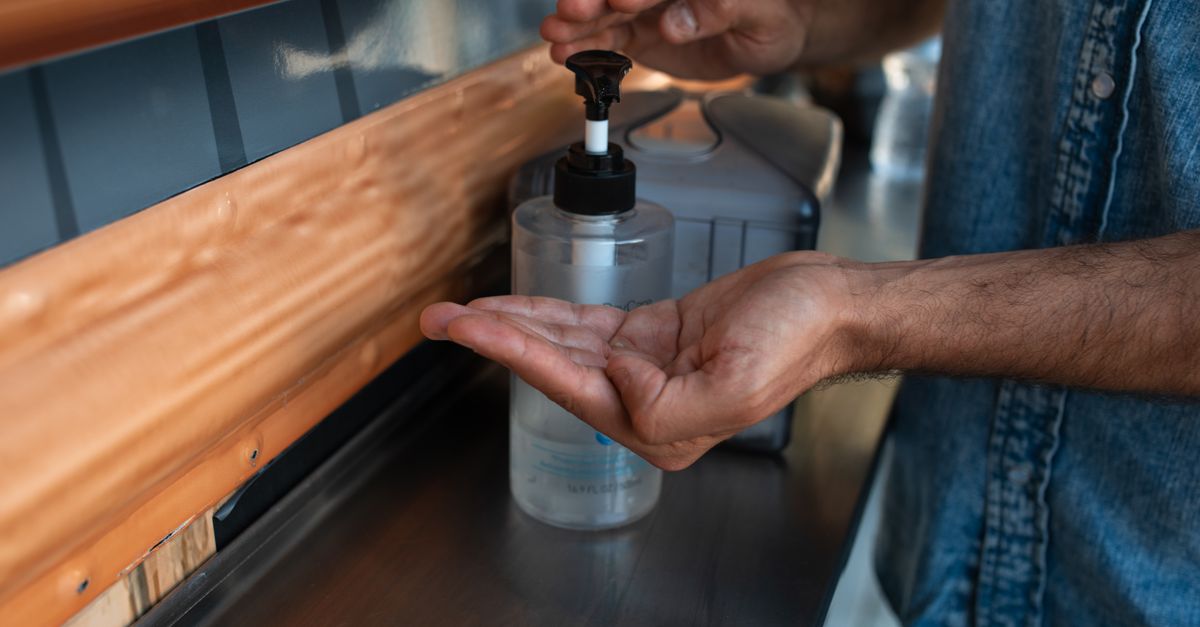
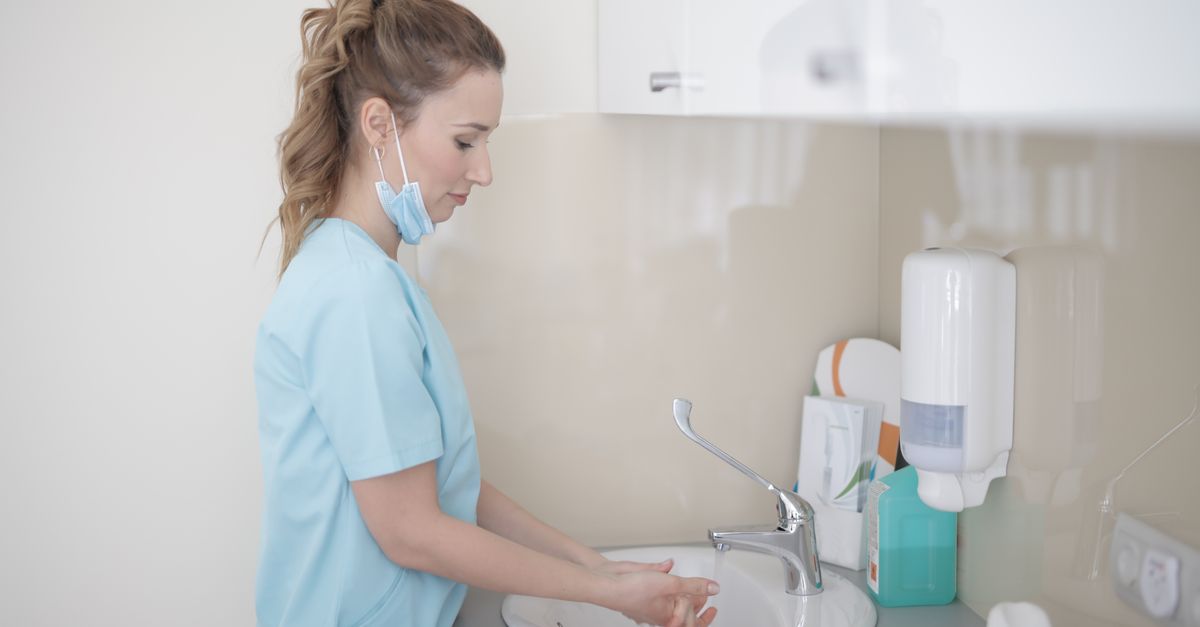
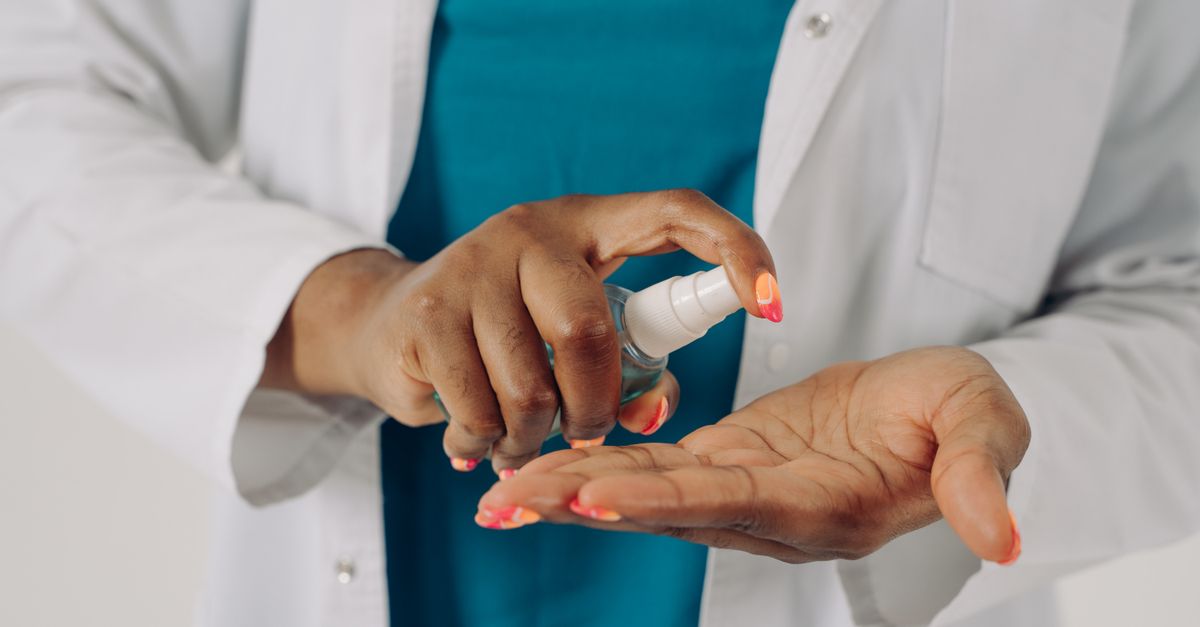
The standard application protocol involves gently washing the affected dermal area with mild soap and water before applying a small, controlled amount of the antiseptic solution or spray directly to the wound. Clinicians advise applying the product one to three times daily, depending entirely on the severity of the superficial abrasion and the environmental exposure risk.
Once the solution has dried completely, the patient may safely cover the treated area with a sterile, breathable bandage to prevent environmental contamination. It is highly recommended to avoid trapping large pools of the liquid antiseptic under tight, non-breathable occlusive dressings, as prolonged chemical contact can lead to localized tissue maceration.
4. In-Depth Side Effects Analysis of Gasco Antibacterial
Consistent observation of the localized dermal response is absolutely necessary when utilizing chemical surfactants to ensure patient safety and promote healthy tissue granulation.
Common Side Effects
The most prevalent adverse reaction is a temporary alteration in local skin integrity, frequently presenting as mild dermal dryness or localized flaking around the application site. Patients also commonly report a transient, mild stinging or burning sensation during the initial minute of application as the formulation contacts the exposed nerve endings of the compromised epidermis.
Serious Side Effects You Should Report
Any sudden development of severe, unrelenting tissue swelling, intense vesicular blistering, or spreading severe erythema indicates an acute hypersensitivity reaction or a chemical burn, demanding immediate emergency dermatological care. The emergence of a foul-smelling, purulent discharge from the wound signifies a severe secondary bacterial infection that has bypassed the antiseptic barrier.
Rare Side Effects
In highly exceptional clinical scenarios, the repeated and excessive application of concentrated quaternary ammonium compounds to the same dermal site has triggered localized tissue necrosis. This pathology manifests rapidly as an unexplained darkening or death of the superficial tissues due to severe persistent chemical irritation and the destruction of the natural dermal microbiome.
Side Effects That Usually Do Not Require Medical Attention
A fleeting sensation of localized coolness as the liquid vehicle evaporates, a minor temporary change in the color of the immediate surrounding skin, or a very brief period of localized warmth are considered routine physiological responses to the topical delivery vehicle and do not require medical intervention.
| Side Effect Category | Specific Symptoms |
|---|---|
| Localized Dermal | Mild skin dryness, temporary stinging, localized flaking |
| Severe Hypersensitivity | Intense tissue swelling, spreading severe erythema, blistering |
| Severe Pathological | Localized tissue necrosis, purulent discharge |
5. Overdose Symptoms of Gasco Antibacterial and Management
An acute systemic overdose resulting from the accidental or deliberate oral ingestion of a quaternary ammonium compound is a catastrophic medical event. Toxicity typically presents rapidly with severe gastrointestinal destruction, including extreme necrosis of the esophageal and gastric mucosa, profound vomiting, and violent abdominal pain.
If oral ingestion is suspected, emergency medical services must be activated without delay. Gastric lavage and the induction of vomiting are strictly contraindicated, as exposing the esophagus to the caustic agent a second time severely worsens the tissue destruction. Emergency clinical treatment focuses on aggressive airway intubation, advanced supportive cardiovascular care, and immediate toxicological consultation.
6. Missed Dose & What to Avoid with Gasco Antibacterial
As this formulation is utilized strictly on an as-needed basis for localized wound management, the concept of a missed therapeutic dose is inapplicable. Patients may safely reapply the product during routine bandage changes provided they do not saturate the tissue beyond the recommendations defined by the manufacturer protocol.
During administration, patients must absolutely avoid combining this product with other potent topical antiseptics, specifically chlorhexidine or strong iodine solutions. Mixing incompatible chemical surfactants can rapidly neutralize their individual bactericidal properties or create a highly caustic synergistic reaction that severely damages the healing epidermis.
7. Drug & Alcohol Interactions with Gasco Antibacterial
Topical benzalkonium chloride does not enter the systemic circulation in clinically significant amounts when applied to minor superficial wounds, and therefore exhibits zero interactions with oral prescription medications, systemic antibiotics, or cardiovascular drugs. It is clinically safe to use alongside standard systemic pharmacotherapies.
Alcohol consumption does not directly interact with the localized dermal efficacy of the antiseptic. However, severe systemic intoxication deeply blunts the central sensory awareness of the patient, radically increasing the risk that they will unknowingly subject the healing wound to severe mechanical trauma or environmental contamination without registering tissue damage.
8. Precautions, Safety & Duration of Action for Gasco Antibacterial
The bactericidal action is immediate upon application, as the positively charged molecules instantly adhere to the bacterial membranes. The duration of the antiseptic barrier typically persists until the product is physically washed away or naturally degraded by tissue exudate, necessitating daily reapplication during the initial healing phase.
Pregnant and breastfeeding women can generally use this localized topical product safely for minor superficial wounds. Systemic absorption is negligible, completely eliminating the risk of fetal or infant exposure to the chemical surfactant. However, application should remain strictly confined to small dermal areas for the shortest necessary duration.
9. How to Stop Taking Gasco Antibacterial & Storage Guidelines
Use of the topical formulation can be halted immediately once the superficial injury has adequately closed and the risk of environmental infection has subsided. There is absolutely no risk of pharmacological withdrawal syndromes or physiological rebound effects upon cessation of a topical antiseptic.
The medication must be stored securely at controlled room temperature, entirely out of the reach of pediatric populations. The accidental oral ingestion of concentrated topical antiseptics by a child is rapidly fatal. The container must remain tightly capped to preserve the integrity of the chemical solution and prevent bacterial contamination of the applicator.
10. When to See a Doctor Regarding Gasco Antibacterial
Immediate emergency room evaluation is critical if the patient experiences sudden severe ocular pain and vision changes following accidental contact with the eyes. These symptoms confirm that the chemical barrier has initiated severe corneal irritation requiring instantaneous ophthalmological intervention.
If the localized wound the patient is attempting to treat becomes increasingly painful, radiates intense heat, or presents with a rapidly expanding red perimeter, they must immediately cease application and consult a physician to diagnose a potential deep soft tissue infection requiring targeted systemic antibiotics.
Frequently Asked Questions (FAQ)
1. Can I use this product to clean my mouth or treat a severe toothache?
No. Applying potent topical chemical surfactants to the highly vascular oral mucosa is extremely dangerous and can lead to severe mucosal burns and potential toxic ingestion.
2. What should I do if my child accidentally swallows this solution?
Call emergency medical services immediately. Accidental oral ingestion of quaternary ammonium compounds in children is highly lethal and requires instantaneous emergency toxicological support. Do not induce vomiting.
3. Will this solution prevent scarring from a deep cut?
No. This formulation is designed solely to reduce the superficial bacterial load. Deep lacerations require professional medical sutures to minimize scar tissue formation.
4. Is it safe to apply this liquid to a large thermal burn?
Applying this product to severe thermal burns is heavily contraindicated, as it can severely damage the already compromised underlying tissue and delay the critical cellular repair process.
5. Why does my skin feel slightly tight and dry after using this product?
Mild localized dryness is a harmless expected physiological response caused by the chemical surfactant stripping natural oils from the immediate superficial stratum corneum.
6. Can I cover the wet wound with a plastic wrap to protect it?
No. Occluding the wet area with non-breathable plastic wrap traps the chemical surfactant against the skin, vastly increasing the risk of severe localized tissue maceration.
7. Does this medication interfere with normal blood clotting?
No. Benzalkonium chloride specifically targets bacterial cell membranes and has zero pharmacological impact on the human coagulation cascade or blood platelets.
8. How soon can I apply an antibiotic ointment after using this wash?
You should allow the treated area to dry completely before applying any secondary sterile ointments or breathable bandages to ensure optimal antibacterial efficacy.
Bibliography
Disclaimer: The content is for informational purposes only and does not replace medical advice. Always consult your doctor or pharmacist for personalized treatment.