Hustle Butter Numbing containing lidocaine hydrochloride and benzalkonium chloride provides a dual-action topical solution, simultaneously desensitizing the skin and drastically reducing the surface bacterial load prior to dermal procedures. The most frequently encountered adverse effects are strictly localized, presenting as mild chemical dermatitis or a transient stinging sensation resulting primarily from the highly potent antimicrobial agent interacting with the sensitive epidermal tissue. Systemic toxicity is a severe but rare risk associated entirely with improper application techniques.
1. Introduction & Mechanism of Action of Dual Action Numbing
This specialized pre-procedure formulation relies on two highly distinct pharmacological mechanisms. Lidocaine hydrochloride functions as a profound local anesthetic. It aggressively targets and blocks the voltage-gated sodium channels located within the peripheral nerve endings. By entirely halting the necessary influx of sodium ions, the chemical physically prevents the initiation and propagation of the electrical action potentials required to transmit trauma signals to the central nervous system, creating a dense, temporary localized numbness.
Simultaneously, benzalkonium chloride operates as a powerful quaternary ammonium biocide. As a potent cationic surfactant, its positively charged molecules actively seek out and bind to the negatively charged cellular membranes of bacteria and fungi resting on the skin surface. This interaction violently disrupts the delicate lipid bilayer of the microbial cell, causing catastrophic leakage of vital intracellular components and ensuring rapid cell death. This dual action prepares a sterile, highly desensitized canvas for invasive dermal work.
2. Warnings & Before Applying Lidocaine And Benzalkonium
The synergistic combination of a nerve blocker and a powerful chemical surfactant demands extreme clinical caution. This product must absolutely never be applied to vast expanses of the body at once. Applying heavy amounts of the amide anesthetic to a large surface area significantly increases the volume of medication shunted directly into the systemic bloodstream, risking catastrophic cardiac and neurological toxicity.
Furthermore, the inclusion of benzalkonium chloride makes this specific formulation exceptionally dangerous to mucosal tissues. The cream must never come into contact with the eyes, inner ears, nasal passages, or genital mucosa. The surfactant will cause severe, highly caustic chemical burns to these delicate tissues. Patients with severe hepatic dysfunction must consult a physician prior to use, as the liver is the sole organ responsible for metabolizing systemic lidocaine.
3. Indications & Dosage Guide for Hustle Butter Numbing
This dual-action preparation is medically indicated strictly for application on intact, unbroken skin immediately prior to scheduled dermal procedures. It is heavily utilized in the cosmetic and body modification industries to prepare the skin for tattoos, superficial laser hair removal, and minor localized dermal punctures where both pain control and strict surface asepsis are required.
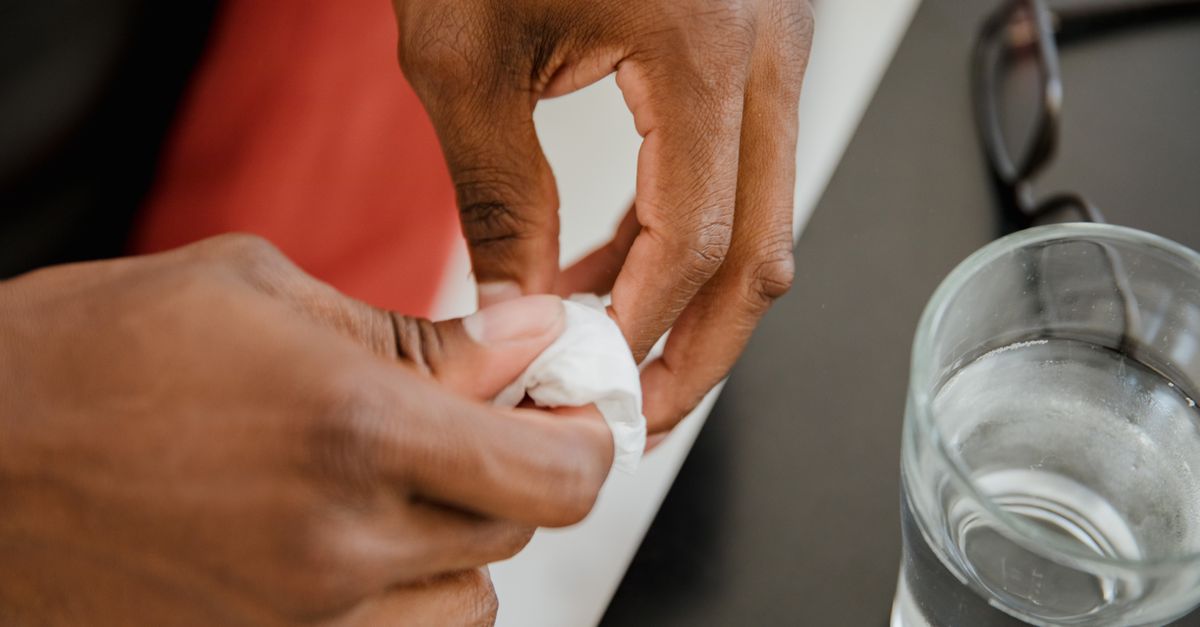
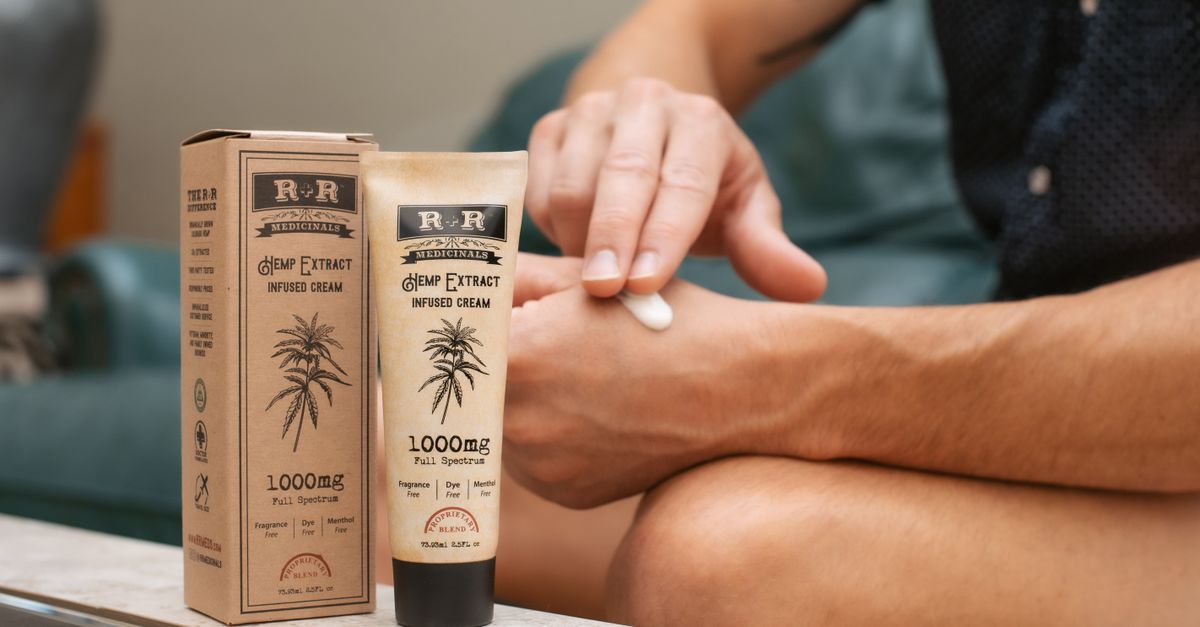
Proper application is entirely reliant on strict adherence to surface area limits and timing. The user should apply a highly uniform, thin layer to the targeted skin approximately thirty to forty-five minutes prior to the procedure. It is critical to avoid forcefully rubbing the cream deep into the tissue. After the necessary waiting period, the user must meticulously and entirely wipe the chemical residue from the skin using a sterile, dry cloth before the dermal procedure actually breaks the skin barrier.
4. In-Depth Side Effects Analysis of Lidocaine Topical
Adverse reactions span from highly expected superficial tissue responses to life-threatening systemic emergencies resulting from severe clinical misuse.
Common Side Effects
The most frequently reported reactions are localized entirely to the precise area of application. The benzalkonium chloride frequently induces a distinct, transient stinging or mild burning sensation immediately upon contact with the skin. The lidocaine component will cause the localized skin to blanch starkly white as the superficial blood vessels violently constrict, often followed by a mild reactive redness once the cream is wiped away.
Serious Side Effects You Should Report
Immediate emergency medical care is mandatory if the patient exhibits any signs of systemic lidocaine poisoning. These terrifying neurological symptoms include profound numbness spreading far outside the application zone, sudden ringing in the ears, a distinct metallic taste, and extreme, sudden confusion. If ignored, this state rapidly progresses to uncontrollable severe tremors and full generalized seizures.
Rare Side Effects
Prolonged exposure to the benzalkonium chloride surfactant can trigger severe allergic contact dermatitis in highly sensitive individuals, resulting in the rapid eruption of intensely itchy, weeping fluid-filled blisters. Furthermore, highly rare cases of paradoxical localized hyperalgesia have been documented, where the skin becomes violently oversensitive to pain rather than numb following the application.
Side Effects That Usually Do Not Require Medical Attention
A persistent sensation of profound heaviness or dense localized numbness lingering for a couple of hours after the procedure is the exact intended pharmacological result and requires absolutely no medical intervention. Minor skin flaking in the days following the application is a standard physiological reaction to the harsh chemical surfactant.
| Side Effect Category | Specific Symptoms |
|---|---|
| Common | Transient stinging, localized blanching, minor redness |
| Rare | Weeping blisters, severe contact dermatitis, paradoxical pain |
| Severe Systemic | Tinnitus, metallic taste, severe tremors, generalized seizures |
5. Overdose Symptoms with Topical Lidocaine
A toxicological overdose of lidocaine is an acute, life-threatening medical emergency. Overdose occurs almost universally when patients completely ignore the instructions, applying massive quantities of the cream to heavily damaged skin and forcefully trapping the chemicals against the body with non-breathable plastic wrap to accelerate the numbing process.
Systemic lidocaine toxicity violently attacks the brain and the heart. The patient will rapidly transition from severe neurological agitation to a profound, unarousable coma. The drug aggressively shuts down the cardiac conduction system, inducing dangerous bradycardia, massive drops in blood pressure, and ultimately fatal cardiac arrest. Emergency management requires immediate advanced life support, aggressive airway management, and the rapid administration of intravenous lipid emulsion therapy to bind the circulating toxins.
6. Missed Dose & What to Avoid While Using Hustle Butter Numbing
The concept of a missed dose does not apply to a pre-procedure topical cream. If the user fails to apply the formulation in adequate time before their appointment, the only negative outcome is the patient experiencing the full unmitigated pain of the dermal procedure. The user must never apply a massive double layer in a panicked attempt to catch up on the numbing process.
Users must absolutely avoid applying external heat directly over the application site. Utilizing heating pads or soaking the treated arm in violently hot water aggressively dilates the local capillary beds. This vasodilation rapidly sucks massive amounts of the toxic anesthetic directly into the central blood supply. Furthermore, users must rigorously avoid applying this product to any skin that is already cut, bleeding, or severely burned.
7. Drug & Alcohol Interactions with Lidocaine And Benzalkonium
While the benzalkonium chloride acts strictly on the surface and presents no systemic interaction risks, the lidocaine component is highly vulnerable to systemic pharmacokinetic clashes. Co-administration of this topical anesthetic with systemic antiarrhythmic medications can precipitate catastrophic cardiac rhythm failures. Patients must also avoid combining this product with other potent localized numbing agents, such as chlorhexidine formulations containing additional anesthetics, to prevent rapid additive toxicity.
Heavy dietary alcohol consumption severely impairs the metabolic efficiency of the liver. Because the liver is strictly responsible for clearing lidocaine from the bloodstream, heavy alcohol use drastically delays the elimination of the drug. This severely lowers the amount of cream required to trigger a massive, life-threatening overdose.
8. Precautions, Safety & Duration of Action of Hustle Butter Numbing
The paramount safety precaution is the absolute protection of the eyes. Benzalkonium chloride is profoundly toxic to the corneal structures. If even a microscopic amount of the cream is accidentally transferred from the hands to the eye, it will precipitate severe, searing pain and can lead to permanent, irreversible corneal blindness. Immediate, violent flushing with cold water is required upon any accidental ocular exposure.
The duration of absolute therapeutic numbness is generally confined to a strict window of sixty to ninety minutes following the physical removal of the cream. As the drug slowly diffuses out of the nerve tissue, sensation will return as a distinct prickly or tingling feeling. Users must protect the heavily numbed tissue from blunt force trauma or extreme temperatures, as the body completely lacks the necessary pain reflexes to warn of physical damage.
9. How to Stop Using Hustle Butter Numbing & Storage/Disposal
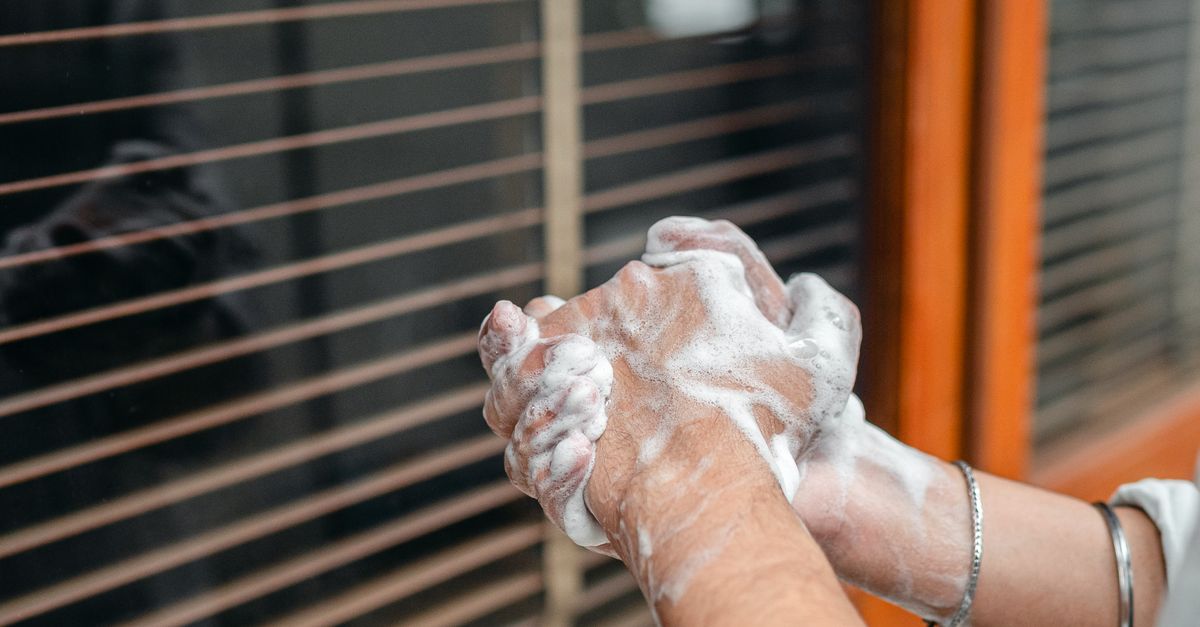
The cessation of therapy requires the aggressive physical removal of the chemical agent. Once the mandatory waiting period concludes, or if the patient experiences terrifying burning pain during the application, the user must aggressively wipe the entire area completely clean with a dry, sterile towel, followed immediately by thorough washing with mild soap and cold water.
Storage protocols demand extreme vigilance. The heavily concentrated formulation must be kept tightly sealed at room temperature, completely secured and inaccessible to children or domestic pets. Ingestion of a small volume of this dual-action cream by a pediatric patient will result in rapid, fatal cardiac collapse. Empty tubes must be disposed of safely in standard household waste, tightly sealed to prevent accidental toxic exposure.
10. When to See a Doctor While on Lidocaine Topical
Immediate emergency medical evaluation is strictly required if the patient exhibits any minor warning signs of systemic absorption. Sudden, unexplainable dizziness, severe confusion, extreme lethargy, or the terrifying sensation of an irregular, pounding heartbeat necessitates an immediate emergency response.
Furthermore, if the localized application site develops spreading, violently painful red streaks, becomes extremely hot to the touch, or begins oozing foul-smelling yellow pus in the days following the dermal procedure, the physical skin barrier has completely failed. This presentation indicates a severe secondary bacterial cellulitis requiring immediate dermatological assessment and high-dose prescription antibiotics.
11. Frequently Asked Questions FAQ
1. Why does the cream sting so badly when I first put it on?
The formulation contains benzalkonium chloride, a highly potent chemical antiseptic designed to destroy bacteria. When this harsh chemical interacts with the microscopic pores of your skin, it frequently causes a sharp, transient stinging sensation.
2. Can I wrap the cream in plastic wrap to force it to work faster?
Absolutely not. You must never occlude numbing cream with plastic wrap. This traps extreme heat and forces a potentially lethal overdose of the anesthetic directly into your bloodstream.
3. Is it safe to apply this cream to my lips or genitals before a piercing?
No. You must never apply this formulation to mucosal tissues. The benzalkonium chloride will cause excruciating, severe chemical burns to the delicate tissues of the lips, inner nose, or genitals.
4. What must I do if I accidentally get the cream in my eye?
You must immediately begin flushing the affected eye with massive amounts of cold running water for a minimum of fifteen consecutive minutes and demand immediate emergency medical transport. The chemical will permanently destroy your vision.
5. Will this specific cream make my skin heal faster after the tattoo?
No. This cream is entirely a pre-procedure preparation designed to stop pain and kill surface bacteria. It possesses absolutely no post-procedure healing properties and must be washed off completely.
6. How long will the skin stay completely numb after I wipe it off?
Peak numbness generally persists for exactly sixty to ninety minutes. After this window, the nerves begin rapidly recovering, and you will feel a sharp tingling sensation as normal pain reception returns.
7. Can I apply this directly to an open cut to stop the pain?
It is strictly forbidden. Applying this potent chemical cocktail directly to an open, bleeding wound allows massive amounts of the lethal anesthetic to pour directly into your blood, risking an immediate overdose.
8. Why did my skin turn completely white and feel cold where I put the cream?
The active anesthetic forces the tiny blood vessels just beneath the surface of the skin to violently clamp shut. This stops warm blood flow to the area, resulting in stark white, cool skin that resolves naturally.
9. Do I need to wash my hands after applying the cream to someone else?
Yes. You must wash your hands meticulously with soap and hot water immediately. If you fail to do so, you risk accidentally transferring the lethal chemicals to your own eyes or mouth.
10. Can I use this product if I am allergic to standard medical tape?
While a tape allergy does not directly equate to an anesthetic allergy, you should perform a highly localized patch test on a tiny area of skin first to ensure the harsh antiseptic does not trigger a severe contact dermatitis.
12. Bibliography
Disclaimer: The content is for informational purposes only and does not replace medical advice. Always consult your doctor or pharmacist for personalized treatment.