1. What are Antibacterial Wet Wipes and How Do They Function?
Antibacterial Wet Wipes are pre-moistened synthetic towelettes saturated with a specialized antimicrobial solution utilizing benzalkonium chloride to rapidly eliminate common pathogenic microorganisms from the skin. The most notable side effect associated with the chronic, repetitive use of these wipes is irritant and allergic contact dermatitis, presenting as severe localized redness, deep dermal fissuring, and profound dryness of the hands in highly sensitized individuals.
The active ingredient is classified pharmacologically as a cationic quaternary ammonium compound. It functions by aggressively attaching its positively charged molecular head to the negatively charged cell membranes of transient vegetative bacteria and certain fungi. This extremely strong electrostatic interaction structurally disrupts the integrity of the lipid bilayer, causing essential intracellular contents to rapidly leak out into the surrounding environment, ultimately resulting in catastrophic pathogen death.
Unlike highly volatile alcohol-based sanitizers, benzalkonium chloride does not rapidly evaporate entirely from the skin surface into the atmosphere. Instead, as the water base dries, it deposits a microscopic, completely invisible chemical film across the stratum corneum. This distinct pharmacological property provides a highly unique advantage by offering a brief, limited period of residual antimicrobial activity even after the initial application has completely dried on the hands.
2. Critical Warnings Before Utilizing Quaternary Ammonium Wipes
Individuals with a strictly documented history of severe contact allergies to quaternary ammonium compounds or synthetic cosmetic preservatives must absolutely avoid utilizing these antimicrobial wipes. Benzalkonium chloride acts as a highly potent dermal sensitizer. Repeated, massive exposure in susceptible patients can rapidly trigger robust cell-mediated immune responses, resulting in chronic, weeping hand eczema that requires aggressive prescription dermatological management.
The product is absolutely contraindicated for use on deep puncture wounds, animal bites, or highly vascularized open tissue. Applying this powerful cationic detergent directly to exposed subcutaneous layers causes significant localized tissue toxicity, severe chemical necrosis, and heavily delays the physiological wound healing cascade. The chemical must remain strictly on the superficial, unbroken epidermal layer.
Extreme caution must be exercised to completely prevent the sanitizing solution from contacting any mucosal membranes, particularly the delicate ocular conjunctiva and the inner oral cavity. Benzalkonium chloride is severely irritating to delicate mucosal tissues. Accidental transfer into the eye via contaminated fingers rapidly induces agonizing burning, intense redness, and highly potential superficial corneal ulceration.
3. Indications and Proper Application Protocols
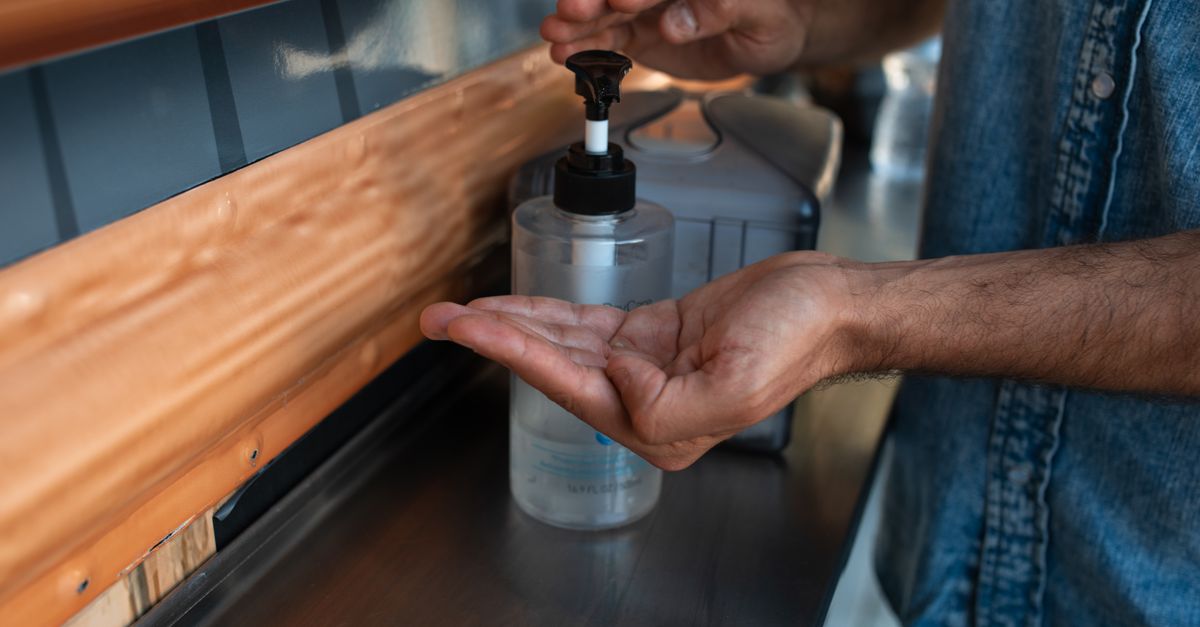
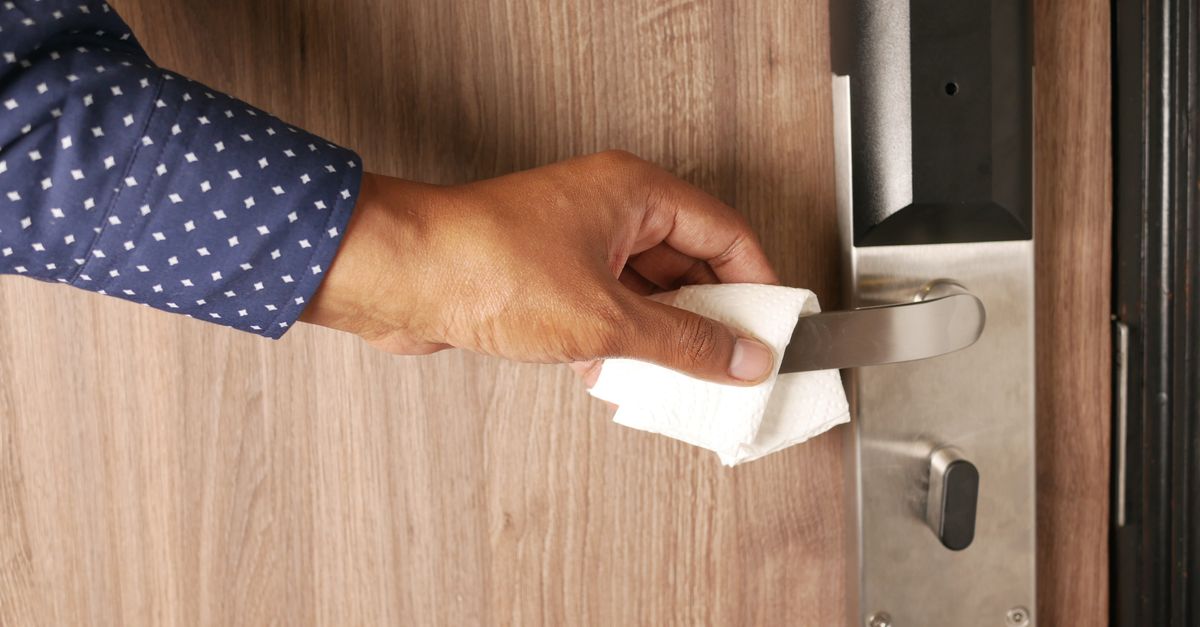
Antibacterial Wet Wipes are medically indicated for aggressively decreasing transient microbial flora on the hands when traditional running water and soap are completely unavailable or when supplementary, rapid sanitization is urgently required. For optimal antimicrobial clinical efficacy, the user must extract a single wipe and aggressively rub it over every single surface of the hands, carefully interlacing the fingers to cover the webbed spaces and scrubbing the nail beds.
The intense physical friction applied during the rubbing process is just as absolutely critical as the chemical agent itself. Friction physically detaches heavy bacterial biofilms, trapped dirt, and dense organic matter from the skin, allowing the active quaternary ammonium compound direct, unimpeded access to the underlying pathogenic cell walls.
Once all surfaces have been thoroughly coated and mechanically scrubbed, the user must allow the hands to air dry entirely. Wiping the chemical solution off prematurely with a dry towel physically removes the active ingredient before it has sufficient time to fully disrupt the microbial cell membranes, drastically reducing the clinical effectiveness of the entire sanitization process.
4. In-Depth Side Effects Profile of Cationic Detergents
While generally formulated at heavily diluted, safe concentrations for massive consumer use, topical benzalkonium chloride can induce severe irritant and allergic dermatological reactions. The absolute frequency of side effects typically increases exponentially with chronic, repetitive daily use in professional or healthcare settings.
Common Side Effects
The most typical adverse reactions include mild localized erythema, a highly transient sensation of warmth, and profound superficial skin dryness. Because the compound acts as a potent, mild detergent, repeated application gradually and systematically degrades the highly protective lipid barrier of the hands, leading to a severely tight, highly uncomfortable sensation mimicking excessive overwashing.
Serious Side Effects You Should Report
Severe allergic contact dermatitis is a massive complication that warrants the immediate, permanent cessation of the product. Symptoms manifest rapidly as intensely pruritic raised plaques, highly painful vesicular eruptions, and significant localized swelling of the fingers. Furthermore, agonizing chemical irritation can occur if the wet hands are immediately occluded tightly under heavy, non-breathable medical gloves before the solution has dried.
Rare Side Effects
Extremely rare but highly documented complications include systemic hypersensitivity reactions presenting as massive, widespread urticaria across the entire body. In incredibly rare occupational scenarios involving massive exposure to highly concentrated quaternary ammonium solutions, asthmatic individuals have reported transient respiratory irritation upon inhaling aerosolized particles, though this is virtually impossible with standard wipe usage.
Side Effects That Usually Do Not Require Medical Attention
Mild, transient tingling immediately upon initial application and slight superficial peeling directly around the fingertips are highly common. These minor textural and sensory disruptions do not require any clinical intervention and resolve incredibly easily with the routine application of a heavy, ceramide-rich hand cream immediately before sleep.
| Side Effect Category | Specific Symptoms |
|---|---|
| Common | Profound skin dryness, localized redness, transient warmth, tight skin sensation |
| Serious | Allergic contact dermatitis, vesicular eruptions, localized finger swelling |
| Rare | Systemic widespread urticaria, mild respiratory irritation in sensitive groups |
| Self-Limiting | Transient skin tingling, minor superficial skin flaking around nails |
5. Recognizing Overdose via Accidental Oral Ingestion
As a topically applied synthetic towelette, systemic overdosing through entirely intact adult skin is physiologically impossible. However, benzalkonium chloride is extremely toxic if the liquid solution is ingested orally in substantial quantities. Toddlers or domestic pets sucking heavily on or swallowing the saturated wipes face a massive risk of serious gastrointestinal poisoning and severe caustic tissue injury.
Symptoms of accidental massive ingestion include intense, agonizing burning pain in the throat and esophagus, severe nausea, profound drooling, immense lethargy, and highly dangerous drops in systemic blood pressure. In high concentrations, ingested quaternary ammonium compounds cause immediate chemical burns to the gastric mucosa and can actively trigger fatal respiratory compromise.
Immediate emergency intervention and an urgent call to a regional poison control center are absolutely required. Caregivers must never administer emetics or attempt to induce vomiting manually, as forcing the highly caustic chemical back up the fragile esophagus will multiply the massive tissue destruction and heavily increase the absolute risk of aspirating the fatal fluid directly into the lungs.
6. Missed Doses and Important Safety Avoidances
Because antibacterial wet wipes are utilized entirely sporadically on an absolute as-needed basis for rapid environmental hygiene, no pharmacological schedule whatsoever exists. Users should simply utilize a fresh wipe whenever urgent hand sanitization is absolutely necessary and standard washing facilities cannot be accessed.
Individuals must absolutely avoid heavily touching their eyes, nose, or mouth immediately after applying the wipe before the hands have completely and entirely dried. The residual wet solution contains the absolute highest concentration of the active detergent, which is intensely irritating to the highly sensitive mucosal linings of the entire face.
Users should also strictly avoid storing the massive wipe containers in extremely hot environments, such as the dashboard of a vehicle parked in direct sunlight. Extreme heat rapidly degrades the vital preservative system and causes the crucial water base to evaporate entirely through the plastic packaging, rendering the expensive wipes completely dry and therapeutically useless.
7. Skincare and Dermatological Drug Interactions
The complex chemical structure of benzalkonium chloride makes it highly and aggressively incompatible with specific classes of everyday hygiene chemicals. The active cationic compound is rapidly neutralized and completely deactivated upon physical contact with anionic surfactants. These anionic surfactants are the absolute primary cleansing agents found in almost all traditional bar soaps and liquid hand washes.
Therefore, using a benzalkonium chloride wipe immediately after washing hands with a standard, cheap soap that has not been completely and perfectly rinsed off will render the expensive antimicrobial wipe entirely ineffective. The opposing chemical charges instantly bind together, completely nullifying any intended antimicrobial action on the skin surface.
Applying the wipe heavily over areas currently treated with active prescription topical medications, such as a hydrocortisone cream, is entirely counterproductive. The rough synthetic wipe will physically scrub away the active prescription medication while the heavy ointment base simultaneously blocks the benzalkonium chloride from physically reaching the skin effectively.
8. Safety Precautions and Duration of Action for Benzalkonium Chloride
Unlike highly volatile alcohol formulas, benzalkonium chloride provides a distinct, brief residual antimicrobial effect precisely because the non-volatile compound remains physically deposited on the skin long after the water base evaporates. However, this microscopic residual activity is incredibly easily removed by subsequent hand washing, heavy sweating, or intense physical friction against clothing.
While it is highly and aggressively effective against most transient vegetative bacteria and certain lipid-enveloped viruses, this active ingredient demonstrates incredibly poor clinical efficacy against highly hardy bacterial spores and certain robust non-enveloped viruses. During massive outbreaks of severe gastrointestinal illnesses, chemical sanitizers are completely insufficient. Rigorous handwashing with soap and running water remains the only clinically proven method to physically dislodge and remove these highly resilient pathogens.
Routine, massive use of sanitizing wipes severely disrupts the natural, highly protective epidermal microbiome. Patients using these wipes incredibly frequently throughout the highly stressful workday must absolutely employ strict moisturization protocols using heavy, lipid-rich creams to repair the massively damaged stratum corneum and maintain optimal skin barrier function.
9. Discontinuing Use and Proper Storage Guidelines
Ceasing the massive use of these sanitizing wipes carries absolutely no physiological withdrawal symptoms and requires zero medical tapering. If a patient suddenly develops severe contact dermatitis, they must immediately discard the product completely and transition instantly to hypoallergenic, entirely fragrance-free gentle cleansers to properly allow the devastated skin barrier to regenerate.
Proper storage strictly dictates keeping the heavy wipe dispenser perfectly and tightly sealed at all times. The packaging lid must be firmly snapped closed after every single use to completely prevent the vital water-based solvent from evaporating rapidly into the atmosphere. Wipes that have become perfectly dry to the touch offer absolutely zero antimicrobial capabilities whatsoever.
Discard used synthetic wipes exclusively and strictly in standard household trash receptacles. Patients must absolutely never flush massive synthetic towelettes down any toilet, as the highly durable fabric matrix entirely fails to disintegrate in water and will cause catastrophic, incredibly expensive plumbing failures and massive environmental blockages in municipal water systems.
10. When to Seek Medical Attention for Dermatological Complications
Immediate, urgent dermatological evaluation is absolutely necessary if the heavy use of the wipes triggers serious allergic contact dermatitis that rapidly and aggressively spreads beyond the hands or completely fails to respond to standard over-the-counter soothing creams. The sudden appearance of highly painful, weeping blisters or severe structural cracking of the skin requires potent prescription steroid intervention and possible massive antibiotic coverage for secondary infections.
Urgent, immediate ophthalmological care is highly critical if the sanitizing fluid aggressively contacts the eye and causes persistent, serious, agonizing pain. If fifteen full minutes of vigorous flushing with lukewarm water completely fails to relieve severe redness, pronounced visual blurring, or a total inability to keep the eyelid open, a physician must urgently examine the eye for severe chemical corneal abrasions.
11. Frequently Asked Questions (FAQ)
1. Does benzalkonium chloride kill germs faster than standard alcohol wipes?
No. Highly concentrated alcohol generally denatures microbial proteins significantly faster upon direct contact. Benzalkonium chloride works slightly slower but leaves a microscopic, highly effective residual layer on the skin that volatile alcohol absolutely does not provide.
2. Is this specific wipe safe to use on a baby’s hands before they eat?
Pediatricians strictly advise against using heavy residual chemical sanitizers on young infants who frequently put their hands directly in their mouths, as this easily leads to the continuous, highly dangerous ingestion of the active detergent ingredient.
3. Why do my hands feel incredibly sticky after using these wet wipes?
Because the highly active ingredient and heavy stabilizing agents do not completely evaporate rapidly into the air like alcohol, they remain firmly on the skin surface, frequently leaving a mild, highly temporary tacky sensation until entirely dry.
4. Can I use these heavy wipes to deeply disinfect my raw meat cutting boards?
While the potent chemical kills bacteria, these specific massive wipes are heavily formulated and strictly regulated entirely for human skin. Using them on vital food preparation surfaces may leave highly unsafe chemical residues directly on your countertops.
5. Will this specific highly potent chemical dry my hands out as badly as pure alcohol?
It generally causes significantly less immediate, severe dryness than incredibly high-concentration alcohol, but highly chronic, incredibly repetitive use will still strip away all natural lipids and eventually cause massive, significant skin irritation.
6. Do these heavy wipes absolutely protect against severe, highly contagious stomach viruses?
No hand sanitizer is highly effective against the highly resilient non-enveloped viruses that cause severe stomach flus. You must rigorously and thoroughly wash your hands with massive amounts of soap and water to physically remove those specific robust pathogens.
7. Can I simply add regular tap water to the plastic container if the massive wipes completely dry out?
No. Adding highly unsterile tap water to completely dried wipes massively dilutes the extremely precise chemical concentration, entirely introduces massive amounts of dangerous new bacteria, and renders the wipes completely medically useless.
12. Bibliography
Disclaimer: The content is for informational purposes only and does not replace medical advice. Always consult your doctor or pharmacist for personalized treatment.